
VP-GL (Valproate) — Patient Information for UK Online Pharmacy
VP-GL is a brand of medicine containing valproate (also known as sodium valproate or valproic acid/valproate salts, depending on the specific presentation). Valproate is a well-established medicine used to treat certain neurological and mood-related conditions. This page explains how VP-GL works, how it is typically taken, and important safety considerations—especially for women who could become pregnant.
Important: In the United Kingdom, valproate medicines are subject to strict safety controls. The content below is educational and does not replace advice from your healthcare professional. Always follow the dosing and monitoring plan provided to you.
Basic product information
| Feature | What to know |
|---|---|
| Active ingredient | Valproate (valproic acid/valproate salts) |
| Common uses | Epilepsy; and in some cases bipolar disorder (depending on the exact formulation and local prescribing practice) |
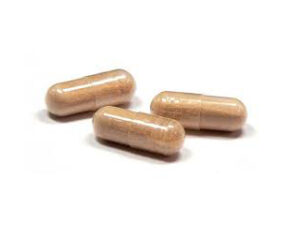
| How it may be taken | Tablets, capsules, granules/syrup, or other oral forms (varies by product strength and type) |
| Typical schedule | Once or twice daily depending on formulation and clinical plan |
| Monitoring | Regular clinical reviews; blood tests may be required (e.g., liver function, full blood count, drug levels) |
| Key safety emphasis | Risk in pregnancy; strict UK safety measures for people who may become pregnant |
How VP-GL works (mechanism of action)
Valproate works in multiple ways to stabilise brain activity. While the exact mechanism can vary by condition, it is commonly thought to involve:
- Increasing the availability of GABA (gamma-aminobutyric acid), an inhibitory neurotransmitter that helps calm excessive nerve firing.
- Modifying sodium channel activity, which can reduce abnormal electrical signals.
- Influencing other neurotransmitter systems that support seizure control and mood stabilisation.
Because it acts on brain signalling, the medicine may take some time to reach full effect, and the dose is usually adjusted gradually to balance benefit and side effects.
Pharmacokinetics: how the body absorbs and processes valproate
Pharmacokinetics describes what the body does to a medicine—how it is absorbed, distributed, metabolised, and eliminated.
- Absorption: Valproate is generally absorbed after oral dosing. Absorption can differ between formulations (for example, modified-release vs immediate-release products).
- Distribution: It is widely distributed in the body and crosses into the cerebrospinal fluid. Valproate is highly protein-bound, which can be affected by other medicines and certain illnesses.
- Metabolism: Valproate is mainly metabolised in the liver.
- Elimination: It is eliminated mainly via the kidneys after metabolic processing.
- Onset: Some effects may be noticed quickly, but for many conditions the full therapeutic benefit is built over days to weeks (and sometimes longer) with careful dose titration.
- Drug levels: In certain situations, blood tests may be used to measure valproate levels and to support safe dosing.
Why this matters: Because valproate is processed by the liver and interacts with other medicines, medication reviews and blood tests are a key part of safe use.
Typical use in the UK
VP-GL (valproate) is used for conditions where stabilising abnormal brain activity is important. Depending on your diagnosis and the exact formulation, valproate may be used for:
- Epilepsy (including certain seizure types, and sometimes when other medicines are not suitable or adequate)
- Bipolar disorder (mood stabilisation), in carefully selected patients and typically after specialist assessment
In the UK, healthcare professionals may consider alternatives for many patients—particularly for women of childbearing potential—because valproate can harm an unborn baby.
When and how to take VP-GL (timing and dosing)
Always follow your prescriber’s instructions. Dosing below is general guidance and may not match your personal plan.
Timing
- Valproate is commonly taken once or twice daily, depending on formulation.
- Try to take it at consistent times each day.
- If you take it twice daily, aim for roughly 12 hours apart, when appropriate.
How to take
- Swallow whole if your formulation is a tablet/capsule that must not be crushed or opened (check the package instructions).
- If you are taking a liquid or granules form, follow instructions for accurate measuring.
- Do not stop suddenly unless a clinician tells you to—this can increase the risk of seizures or mood destabilisation.
Dose adjustment (titration)
Valproate dosing is often increased gradually at the start and may be adjusted based on:
- response to treatment
- side effects
- blood test results (when used)
- other medicines you are taking
- age and relevant medical conditions
Missed dose
- If you miss a dose, take it as soon as you remember unless it is close to the next dose.
- Do not double the dose to make up for a missed one.
- If you are unsure, consult your pharmacist or refer to the leaflet included with your medicine.
Food interactions and what to expect
In most cases, valproate can be taken with or without food. Food may affect how quickly it is absorbed, but it does not usually remove the need for steady daily dosing.
- If you experience stomach upset, taking VP-GL with food may help.
- If you are using a modified-release formulation, follow the exact product instructions, as altering release characteristics can affect effectiveness and tolerability.
Tip: Keep your routine consistent so your body can respond predictably. If you plan to make major diet changes or switch between formulations, speak to your pharmacist.
Alcohol and medicine interactions
Alcohol
Because valproate affects the brain and is metabolised by the liver, alcohol may increase the risk of drowsiness and may worsen liver strain in some people.
- It is generally advised to avoid or minimise alcohol.
- If you have a history of liver problems, heavy alcohol use, or you notice increased sedation, avoid alcohol and seek advice.
Other medicine interactions (key examples)
Valproate can interact with multiple medicines. Some interactions can raise valproate levels (increasing side effects), while others reduce levels (reducing effectiveness).
Common interaction considerations include:
- Other anti-epileptic medicines (dose adjustments may be needed)
- Carbapenem antibiotics (such as meropenem or imipenem): may cause major reductions in valproate levels—urgent advice is needed if such antibiotics are considered
- Warfarin (blood thinning): potential changes in clotting effect
- Aspirin (at high doses), and some medicines that affect protein binding: can affect free valproate
- Other medicines affecting the liver: may increase liver risk
- Medicines that cause sedation: can increase drowsiness when combined
Always tell your pharmacist or doctor about all medicines you take, including over-the-counter products and herbal remedies. If you are unsure whether a medicine interacts, seek advice before starting it.
Indications: what VP-GL is used for
VP-GL is indicated for:
- Epilepsy — used for certain seizure types, alone or in combination depending on individual circumstances
- Bipolar disorder — mood stabilisation in selected patients, based on specialist evaluation
Valproate is not the right option for everyone. In the UK, clinicians carefully weigh the benefits against risks, particularly the risk to an unborn baby.
Safety profile and important warnings
Like all medicines, valproate can cause side effects. Some are common and manageable; others are rare but serious.
Common side effects
- nausea, indigestion, stomach discomfort
- tremor
- headache
- weight gain
- drowsiness or dizziness
- changes in appetite
Serious risks (seek medical help urgently if needed)
- Liver problems: Risk of serious liver damage, especially in certain groups (for example, young children, though risk patterns vary). Contact urgent medical services if you develop symptoms such as severe fatigue, vomiting, abdominal pain (especially upper right), unusual bruising, or yellowing of the skin/eyes.
- Pancreatitis: Seek urgent care if severe abdominal pain (sometimes radiating to the back), persistent vomiting, or signs of serious illness occur.
- Severe skin reactions: If you develop widespread rash, blistering, or peeling skin, seek urgent medical help.
- Blood disorders: Persistent infections, unusual bruising, or bleeding require prompt assessment.
- Hyperammonaemia: Symptoms can include confusion, unusual sleepiness, or vomiting—urgent advice is needed.
Pregnancy and fertility considerations (UK safety context)
Valproate must not be used during pregnancy unless there is a compelling reason and it is managed under specialist guidance. Valproate is associated with significant risk to the unborn child, including:
- increased risk of birth defects
- increased risk of developmental and cognitive problems
If you are a person who could become pregnant, the UK safety programme includes strict requirements. Your healthcare professional will discuss:
- the need for effective contraception
- regular review of whether valproate remains the best option
- urgent steps if you suspect you could be pregnant
If you think you may be pregnant or you are planning pregnancy, contact your healthcare professional immediately. Do not stop valproate on your own—risk can arise from uncontrolled seizures or mood instability.
General precautions
- Driving and operating machinery: If VP-GL makes you drowsy, avoid driving or hazardous tasks.
- Weight changes: Some people gain weight; lifestyle measures may help.
- Regular monitoring: Follow any scheduled blood tests and clinical check-ups.
Practical use tips to get the best results
- Use a routine: Taking your dose at the same time each day supports steady effects.
- Plan around refill timing: Avoid running out—missed doses can affect seizure control or mood stability.
- Keep a medication list: Include strength, formulation type, and timing. Show it to any healthcare professional.
- Track symptoms: If you notice breakthrough symptoms, unusual side effects, or increased drowsiness, speak to your clinician promptly.
- Avoid sudden changes: Don’t change dose or brand/formulation without medical advice—different formulations may have different release characteristics.
- Attend monitoring appointments: If blood tests are arranged, attending them helps reduce preventable risks.
Alternative options
Alternatives depend on the condition being treated, your medical history, and previous response to anti-epileptic or mood-stabilising therapies. If you are asking about alternatives, your clinician may consider:
- For epilepsy: other anti-epileptic drugs (choice varies by seizure type and individual factors)
- For bipolar disorder: other mood stabilisers or treatment strategies (choice depends on your pattern of illness)
Important: Switching medicines should be done under healthcare supervision. A careful plan may be needed to prevent withdrawal effects or symptom worsening.
Market and legal context in the United Kingdom (overview)
In the UK, valproate medicines are tightly regulated due to safety concerns in pregnancy. The approach includes:
- Additional safeguards for people who could become pregnant
- Regular treatment reviews to consider whether valproate is still appropriate
- Clear communication about risks and the need for effective contraception where relevant
- Healthcare professional and patient responsibilities to reduce preventable harm
Your pharmacy may also provide information materials and may ask questions to support safe use, such as confirming who the medicine is for and whether any special safety steps apply.
Recent guidance and updates (UK context)
Guidance in the UK continues to emphasise:
- using valproate only when the benefits outweigh the risks
- consideration of safer alternatives for many patients, especially those who may become pregnant
- strengthened risk minimisation measures and regular review of ongoing need
Because guidance can evolve, it’s wise to check with your healthcare professional or pharmacist if you have questions about whether your specific situation still meets the current risk–benefit recommendations.
Delivery and availability (UK online pharmacy)
Availability of VP-GL can vary depending on stock levels, strength, and formulation type. In general, online pharmacies in the UK may provide:
- Home delivery with tracked courier options
- Estimated delivery times shown at checkout
- Packaging designed to protect medicines during transit
Storage on arrival: Keep the medicine according to the instructions on the label. If the product requires refrigeration (rare for many oral forms), follow those instructions exactly.
If your medicine is temporarily unavailable, your pharmacy may offer alternatives such as ordering from a different supplier or advising when stock is expected. Always confirm any substitution details with a pharmacist.
Safety checklist before you take VP-GL
- Tell your pharmacist about all medicines and supplements you use.
- Inform them about any history of liver disease or pancreatitis.
- If you could become pregnant: confirm you understand the UK safety requirements and contraception plan.
- Attend monitoring appointments and blood tests if they’ve been arranged.
- Seek urgent help for symptoms of serious side effects (such as severe abdominal pain or yellowing of the skin).
FAQ about VP-GL
1) What is VP-GL used for?
VP-GL (valproate) is used for certain seizure disorders (epilepsy) and may also be used for mood stabilisation in bipolar disorder in selected patients, depending on the formulation and clinical judgement.
2) How long does it take to work?
Some benefits may be noticed relatively early, but for many people full control takes time. Dose titration and monitoring may take days to weeks. If symptoms don’t improve or worsen, contact your clinician rather than changing your dose yourself.
3) Can I take VP-GL with food?
Generally, yes—valproate can usually be taken with or without food. Taking it with food may reduce stomach discomfort for some people.
4) What should I do if I miss a dose?
Take it when you remember unless it is near the next scheduled dose. Do not double up. If you’re unsure, ask your pharmacist or check the patient information leaflet.
5) Can I drink alcohol while taking VP-GL?
It’s usually best to avoid or minimise alcohol. Alcohol can increase drowsiness and may add stress to the liver. If you’re unsure, ask your pharmacist—especially if you have any liver concerns.
6) Are there important drug interactions?
Yes. Valproate can interact with many medicines, including certain antibiotics and medicines that affect the liver or the blood. Always check with a pharmacist before starting new treatments.
7) Is VP-GL safe in pregnancy?
Valproate can seriously harm an unborn baby. In the UK, strict safeguards apply. If you are pregnant or could become pregnant, you must discuss urgent next steps with your healthcare professional. Do not stop the medicine suddenly without medical advice.
8) Will VP-GL make me feel sleepy?
Drowsiness is possible. If you feel unwell, dizzy, or unusually sleepy, avoid driving and operating machinery and seek advice.
9) Do I need blood tests?
They may be recommended depending on your age, dose, symptoms, and local practice. If monitoring is planned, attending appointments helps ensure safety.
10) What are the safer alternative options?
Alternatives depend on your diagnosis. For epilepsy, there are multiple anti-epileptic medicines; for bipolar disorder, other mood stabilisers or treatment strategies may be considered. Discuss options with a clinician.
Final reminder: VP-GL contains valproate. It can be effective, but it requires careful, individualised use and attention to monitoring and safety—particularly for pregnancy-related risk. If you have any concerns, speak to your pharmacist or healthcare professional.