
Abana (Medicine Description) — Patient-Friendly Guide (UK)
Abana is a traditional Ayurvedic-style herbal medicine widely used by people in the United Kingdom for supporting digestive comfort and related wellbeing. This page explains what Abana is, how it may work, how your body handles herbal ingredients, typical uses, how to take it, common safety considerations, and practical tips to get the most from your routine.
Important: Herbal medicines can still cause side effects and interact with other medicines. Always check the label and packaging for the exact ingredients and directions that apply to the specific Abana product you have. If you have any medical conditions, are pregnant or breastfeeding, or take regular medicines, speak to a healthcare professional or pharmacist for personalised advice.
Basic product information
- Product name: Abana
- Type: Herbal/traditional medicinal product (exact formulation may vary by manufacturer and country of sale)
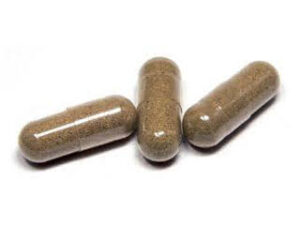
- Form: Typically provided as tablets/capsules or oral dosage form (check your pack)
- Who it’s for: Adults seeking traditional support for digestive comfort
- UK availability: Commonly sold through online pharmacies and specialist retailers where legally permitted
What’s inside? “Abana” products contain a blend of plant-derived ingredients. The specific herbs and strengths can vary between brands and versions. For the most accurate information, refer to the ingredient list on your box or leaflet.
How Abana may work (mechanism of action)
Because Abana is a multi-ingredient herbal medicine, its effects are not usually explained by a single active substance. Instead, the overall action is thought to come from a combination of compounds naturally present in the herbs. Although detailed, ingredient-by-ingredient mechanisms may differ, traditional use and pharmacological research for herbal blends often suggest the following types of actions relevant to digestive wellbeing:
- Support for digestive comfort: Some herbal constituents may help soothe the gastrointestinal tract and reduce a “heavy” or uncomfortable feeling after meals.
- Carminative activity (traditional): Herbs used in digestive blends are commonly associated with reducing bloating and helping to ease gas discomfort.
- Antispasmodic-type effects (traditional): Some ingredients may help relax smooth muscle in the gut, which could contribute to relief from crampy feelings.
- Anti-inflammatory or protective effects (varies by ingredient): Certain plant compounds may support the gut lining and help reduce local inflammation in some conditions.
Note: The exact mechanism for Abana in humans depends on the specific formula and concentration. If you are using Abana alongside other treatments for stomach or bowel conditions, it’s important to discuss this with a pharmacist or GP, especially if symptoms persist or worsen.
Pharmacokinetics: how the body processes Abana
“Pharmacokinetics” describes what the body does to a medicine—absorption, distribution, metabolism, and excretion. For herbal products like Abana, pharmacokinetic data can be limited because multiple components are involved.
What is generally expected with herbal mixtures
- Absorption: Many herbal compounds are absorbed through the digestive tract, but absorption can vary widely based on dose, formulation (tablet vs capsule), and whether the compounds dissolve well in stomach contents.
- Metabolism: Plant compounds are often metabolised in the liver and intestines. Metabolic pathways may produce active or inactive metabolites.
- Distribution and elimination: Metabolites are eventually cleared from the body through the kidneys (urine) or via bile and the gut.
Timing of effects: Some people notice a benefit within hours (particularly after meals), while for others it may take several days to judge the full effect of a consistent routine.
Practical takeaway: Because the ingredients and doses may differ between Abana products, follow the dosing instructions on your specific pack and give it a fair trial unless you experience side effects or symptoms worsen.
Typical use in the UK
In the UK, Abana is most commonly used as a traditional digestive support. People may take it for:
- Indigestion and digestive discomfort (for example, a bloated or heavy feeling after eating)
- Bloating and wind-related discomfort
- General digestive “support” alongside lifestyle measures
When to seek medical advice: If you have severe abdominal pain, vomiting, blood in stool, unexplained weight loss, difficulty swallowing, persistent symptoms (for example, indigestion that does not improve), or symptoms that keep returning, it’s important to speak to a healthcare professional promptly.
Indications (what it may be used for)
In herbal/traditional practice, Abana may be indicated for symptoms related to digestion, such as:
- Digestive unease
- Bloating and gas discomfort
- Occasional indigestion
Important: Indications can vary by product registration and local regulatory approvals. Always refer to the information leaflet or packaging supplied with your Abana product for the specific claims and directions applicable in the UK.
How to take Abana: dosing and timing
Always check your pack for the exact dose (mg or number of capsules/tablets) and the schedule. Herbal products can differ.
Typical adult dosing approach (general guidance)
Many digestive herbal products are used:
- Adults: Usually taken by mouth in divided doses or after meals, depending on the brand instructions.
- Children: Not generally recommended unless a healthcare professional advises it, as dosing for children may not be appropriate.
Timing
For digestive support, Abana is often taken:
- After meals if you’re using it for indigestion or bloating.
- As directed on the label for daily routine use.
Practical tip: If you are using Abana for post-meal discomfort, consider consistent timing for several days so you can fairly assess whether it helps.
Missed dose
- Take it when you remember if it’s close to your usual schedule.
- If it’s nearly time for the next dose, skip the missed dose and continue normally.
- Do not double the dose unless your pack instructs otherwise.
Food interactions: can you take Abana with meals?
Because Abana is used for digestive comfort, it is often taken around meals. Food can affect how well herbal ingredients dissolve and how quickly they reach the gut.
General guidance
- With or after food: Many people find herbal digestive medicines are better tolerated with meals or shortly after eating.
- On an empty stomach: Some herbal ingredients may feel stronger on an empty stomach for certain individuals. If you experience stomach irritation, switch to taking it after food.
What to watch for: If you notice worsening reflux, nausea, or stomach burning, try taking Abana with food and consider speaking to a pharmacist.
Alcohol interactions
Herbal medicines do not always have documented alcohol interaction studies, but alcohol can still affect digestion and may worsen gastrointestinal symptoms such as indigestion and gastritis.
- Moderation is sensible: If you drink alcohol, consider limiting intake while you assess how Abana affects your digestion.
- Stop and seek advice if needed: If you notice increased stomach discomfort, dizziness, or any unusual symptoms after combining Abana with alcohol, discontinue and seek healthcare advice.
Note on excipients: Some products may contain sugars, alcohol-based extracts, or other ingredients. Check the label for excipient information if you have alcohol-related concerns.
Interactions with other medicines
Herbal products can interact with other medicines through effects on metabolism enzymes (such as liver enzymes), transporters, absorption, or additive side effects. For Abana, specific interactions depend on its ingredients.
Medicines where extra caution may be needed
- Medicines for diabetes: Herbal ingredients may theoretically affect blood sugar control.
- Blood-thinning medicines (anticoagulants/antiplatelets): Some herbs can affect bleeding risk (ingredient-dependent).
- Anti-inflammatory or ulcer medicines: If you are managing ongoing stomach issues, discuss your full regimen with a pharmacist.
- Immunosuppressants: Herbal blends may not be suitable without specialist advice.
- Regular prescription medicines: If you take any long-term medicines, it’s safest to seek professional advice before adding Abana.
What to do
- Tell your pharmacist about all medicines and supplements you take, including herbal products.
- Check labels for allergens (for example, plant-based ingredients) if you have sensitivities.
- If you experience unusual symptoms after starting Abana, stop and get advice.
Safety profile: side effects and who should avoid Abana
Most people tolerate herbal digestive medicines reasonably well, but side effects can occur. The safety profile depends heavily on the exact ingredients, dose, and individual health factors.
Possible side effects (ingredient-dependent)
- Mild stomach upset (nausea, cramping, or diarrhoea)
- Heartburn or increased reflux in some people
- Headache or dizziness (uncommon)
- Allergic reactions such as rash, itching, swelling, or breathing difficulty (seek urgent help)
Who should be extra careful or avoid Abana
- Pregnancy and breastfeeding: Avoid unless a clinician confirms it is suitable for your specific situation.
- Children: Not recommended without medical guidance.
- Liver or kidney problems: Speak to a healthcare professional before use.
- Known allergies to any of the ingredients in Abana.
- Ongoing or severe digestive symptoms: Persistent symptoms require medical review rather than self-treatment alone.
When to stop and get help: Seek medical advice urgently if you develop signs of allergy (swelling of face/lips, breathing problems), severe abdominal pain, vomiting blood, black stools, or persistent worsening symptoms.
Practical use tips (getting the best results)
- Follow the label exactly: Herbal medicines should not be taken in higher doses than the pack instructions.
- Be consistent with timing: For post-meal symptoms, take Abana at the same times each day.
- Review your diet and habits: Reducing trigger foods (very fatty meals, large portions, late-night eating), staying hydrated, and managing stress may improve results.
- Keep a symptom diary: Note bloating/indigestion levels before and after meals to see whether Abana helps.
- Assess within a reasonable timeframe: If no benefit is felt after a short trial (for example, about 1–2 weeks), consider discussing options with a pharmacist.
- Don’t combine too many new products at once: If you start Abana and another supplement simultaneously, it’s harder to identify what’s helping or causing side effects.
Alternative options (UK digestive support)
If Abana isn’t right for you, there are other ways to manage digestive discomfort. Alternatives may include:
Non-medicinal and lifestyle measures
- Smaller meals and slower eating
- Avoid lying down immediately after eating
- Reduce known triggers (spicy, fatty, or very acidic foods)
- Stay active and maintain healthy weight
Over-the-counter options (examples)
- Antacids for quick relief of heartburn
- Alginate-based products to help reduce reflux symptoms
- Anti-gas remedies for bloating related to gas
- Oral rehydration and dietary fibre adjustments where appropriate
Important: The best alternative depends on your specific symptoms. If your symptoms are frequent or severe, medical advice may be needed to rule out conditions such as reflux disease, ulcers, or bowel disorders.
Market and legal context for the UK
In the United Kingdom, herbal medicines may be marketed under different regulatory frameworks depending on their product classification, claims, and approval status. Availability through online pharmacies must comply with UK advertising and consumer protection rules, and products must include appropriate packaging and labelling.
- Quality and labelling: UK-available products should provide clear instructions, ingredient lists, batch/expiry information where relevant, and warnings.
- Claims: Marketing claims should be consistent with what the product is allowed to claim. Some products are licensed for specific uses, while others rely on traditional use claims.
- Safety monitoring: Health regulators and the wider UK healthcare system can issue guidance where safety signals or recalls occur.
Recent guidance (general themes): UK healthcare and regulatory bodies continue to emphasise that herbal medicines can still cause side effects and interactions, and that consumers should seek advice if symptoms persist or if they take other medicines.
Tip: When buying online, choose a reputable supplier that provides the full product details, including label images or the written leaflet, so you can confirm you have the correct formula and directions.
Delivery, availability, and what to expect when ordering online
Abana is typically available through a range of online retailers and pharmacies that specialise in complementary or traditional medicines. Availability can vary depending on stock and the specific manufacturer’s batch.
Delivery considerations
- Standard delivery: Commonly offered with estimated timeframes at checkout.
- Tracking: Many suppliers provide tracking updates.
- Cold chain: Usually not required for tablet/capsule herbal products.
- Stock changes: If a batch sells quickly, delivery may be delayed until restocked.
How to ensure you receive the correct product
- Verify the strength, form (capsule/tablet/liquid), and pack size before paying.
- Check the expiry date on dispatch or packaging when provided.
- Confirm any allergen statements if you have known sensitivities.
Note: If you cannot find clear labelling or instructions for the Abana you’re considering, choose a different supplier or ask a pharmacist for help.
FAQ about Abana (United Kingdom)
1) What is Abana used for?
Abana is commonly used as a traditional digestive support to help with symptoms such as indigestion, bloating, and general digestive discomfort. Exact indications and claims depend on the specific product and labelling.
2) How quickly will Abana work?
Some people notice relief within hours, particularly if taken after meals. For ongoing digestive support, it may take several days of consistent use to judge effectiveness. If symptoms worsen or don’t improve, seek advice.
3) How should I take it—before or after food?
Many people take digestive herbal medicines with food or shortly after meals. Follow the dosing instructions on your Abana pack. If you experience stomach irritation, taking it after meals may be more comfortable.
4) Can I take Abana with other medicines?
It may be possible, but interactions are always a consideration with herbal products. Speak to a pharmacist if you take regular medicines—especially anticoagulants, diabetes medicines, or immunosuppressants.
5) Can I drink alcohol while taking Abana?
Moderation is sensible. Alcohol can worsen indigestion in some people. If you notice increased stomach discomfort or other side effects after drinking, avoid alcohol while you assess Abana and seek advice if needed.
6) Is Abana safe for everyone?
No. People who are pregnant or breastfeeding, children, those with significant liver or kidney issues, and those with known allergies to any ingredient should seek professional advice before use.
7) What side effects might I get?
Possible side effects include mild stomach upset (such as nausea or diarrhoea) or reflux in some people. Allergic reactions are rare but serious—seek urgent help if you develop swelling or breathing difficulties.
8) What should I do if I miss a dose?
Take it when you remember if it’s close to your usual time. If it’s nearly time for the next dose, skip the missed dose—do not double up.
9) What if my digestive symptoms are persistent?
Persistent or severe symptoms should be assessed by a healthcare professional. Herbal products are not a substitute for diagnosis of serious conditions.
10) How do I store Abana?
Store according to the pack instructions—typically in a cool, dry place, away from direct sunlight and out of reach of children. Keep containers tightly closed if applicable.
At-a-glance summary
| Category | Information |
|---|---|
| Medicine type | Traditional herbal digestive support (formulation may vary) |
| Typical use | Indigestion, bloating, digestive discomfort |
| How it may work | Multi-ingredient effects that may support gut comfort and reduce gas/bloating (ingredient-dependent) |
| Timing | Often after meals or as directed on the label |
| Food interactions | Often tolerated with/after food; follow label guidance |
| Alcohol | Moderation advised; alcohol can worsen indigestion in some people |
| Key safety points | May cause stomach upset; avoid in pregnancy/breastfeeding without advice; check interactions with regular medicines |
| When to seek help | Severe pain, bleeding, persistent symptoms, unexplained weight loss, or worsening condition |
Final reminder: Always read the packaging and leaflet for your specific Abana product. If you’re unsure whether it’s suitable for your health situation, ask a pharmacist for guidance.