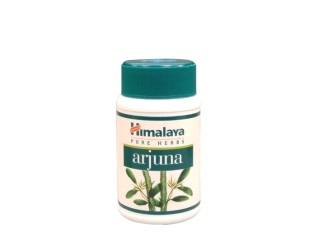

Arjuna (Arjuna Herb) – Patient Information (UK)
Arjuna is a herbal medicinal product in the UK that is traditionally used to support cardiovascular health and overall wellbeing. Many people choose Arjuna to help maintain healthy heart function and circulation as part of a healthy lifestyle, which includes balanced diet, regular physical activity and not smoking.
This page is written to help you understand how Arjuna is used, how it works, and what to consider for safe use. Always read the leaflet provided with your specific product and follow the directions on the label.
Basic product information
- Product name: Arjuna
- Type: Herbal medicinal product (commonly sourced from Terminalia arjuna)
- Use: Traditionally used to support cardiovascular health and healthy circulation
- Formulations: Capsules, tablets, powders, and traditional extracts (varies by brand)
- Strengths: Depend on the specific manufacturer and formulation
- Typical availability in the UK: Online pharmacies and specialist stores; availability may vary by brand
Important: Arjuna products can differ in ingredient strength and extract standardisation. If you have questions about a particular brand or dose, check the packaging or ask your pharmacist.
How Arjuna works (mechanism of action)
Arjuna is believed to support heart and circulation through several naturally occurring compounds. Research suggests that extracts of Terminalia arjuna may contribute to cardiovascular health by:
- Antioxidant activity: helping protect cells from oxidative stress (a process linked with cardiovascular ageing and damage).
- Supporting healthy blood vessels: some evidence indicates possible effects on vascular function, contributing to healthy circulation.
- Supporting overall heart health: traditional use focuses on maintaining normal heart function as part of long-term wellbeing.
Note: Herbal products can vary. While the above mechanisms are commonly described, the exact way Arjuna works in the body may depend on the specific extract, strength, and your individual health context.
Pharmacokinetics (what the body does with it)
Pharmacokinetics describes how a medicine is absorbed, distributed, metabolised, and excreted. For herbal products like Arjuna, detailed pharmacokinetic data may not be as extensive as for conventional medicines. However, general principles include:
- Absorption: Active constituents are absorbed after oral use, though the extent may vary with formulation.
- Distribution: Compounds may distribute into relevant tissues, including areas involved in cardiovascular function.
- Metabolism: Herbal constituents may be metabolised in the liver and through gut processes.
- Excretion: Metabolites and partially unchanged constituents are eliminated primarily through urine and/or bile.
If you are taking other medicines, it’s especially important to consider potential interactions (see “Alcohol and medicine interactions” below).
Typical use and intended indications
In the UK, Arjuna is typically used to support:
- Healthy cardiovascular function (as traditionally used)
- Healthy circulation
- General wellbeing with a heart-support focus
Indication notes: The exact wording permitted on UK product labels can depend on whether a product is licensed as a traditional herbal medicinal product and the specific approved indications. Always refer to your product packaging or leaflet for the precise UK indication for that brand.
When to take Arjuna (timing)
Many people take Arjuna once or twice daily, depending on the product. Consistency matters more than the exact clock time.
Practical timing guidance:
- Follow the label: take the dose at the times stated on your specific product.
- Try to take it at the same time each day: helps you remember and supports routine.
- Morning or evening: choose a time that fits your schedule. If it causes mild stomach discomfort for you, consider taking it with food.
How long until you may notice benefits? Traditional use typically involves regular use over weeks. Individual response varies and results may not be immediate.
How to take Arjuna (dosing)
Dosing depends on the formulation (e.g., capsule/tablet strength, extract ratio). For safety, you should always follow the dosing on the product label or leaflet.
Common adult dosing patterns (example guidance):
- Typical range: often 1–2 doses per day (exact amount varies by brand)
- Do not exceed: the maximum daily dose stated on the packaging
- Missed dose: take it when you remember unless it’s close to the next dose; then skip rather than doubling
If you are using Arjuna alongside prescription medicines or have a medical condition, speak with a pharmacist for personalised advice on dosing and timing.
Food interactions (what to eat/drink with it)
Herbal products can be affected by food, mostly through changes in absorption and stomach tolerability. For Arjuna, practical guidance is usually as follows:
- Taking with food: may improve tolerability if you find it upsets your stomach.
- Taking on an empty stomach: some people prefer this, but it may increase the chance of digestive discomfort.
- Consistency: choose a method (with or without food) and keep it consistent.
There is no universally agreed “must avoid” food list for Arjuna; however, if your leaflet recommends taking it with water or after meals, follow that guidance.
Alcohol and medicine interactions
Alcohol
There is no specific, universal prohibition on alcohol for Arjuna in general product guidance. However, alcohol can affect:
- Heart rhythm and blood pressure in some individuals
- Stomach lining and digestion
- Liver workload when combined with other products or medications
Recommendation: if you drink alcohol, keep it moderate and monitor how you feel. If you experience dizziness, stomach upset, palpitations, or worsening symptoms, reduce or stop alcohol and seek advice from a healthcare professional.
Interactions with medicines
Herbal products may interact with other medicines through various mechanisms (for example: effects on liver enzymes, changes in blood clotting, or additive effects on cardiovascular parameters). Because Arjuna is herbal and formulations vary, interaction data may be limited.
Extra caution is advised if you take any of the following:
- Medicines for blood pressure
- Medicines that affect heart rate or rhythm
- Blood thinners/anticoagulants or antiplatelet medicines (e.g., warfarin, apixaban, rivaroxaban, clopidogrel, aspirin) — interaction potential varies and guidance should be individual
- Nitrate medicines or other medicines used for chest pain
- Diuretics (“water tablets”)
- Diabetes medicines (in case of overlapping effects on metabolism)
- Medicines affected by liver metabolism (many are metabolised by liver enzymes; interaction potential depends on the specific product)
What to do: before starting Arjuna, tell your pharmacist about all medicines and supplements you use, including over-the-counter products. If you start Arjuna and notice new symptoms (unusual bruising, fainting, persistent palpitations, severe dizziness), stop use and seek medical advice promptly.
Safety profile and side effects
Like all medicines, Arjuna can cause side effects, although not everybody experiences them. Reported side effects (depending on the product and individual) may include:
- Gastrointestinal discomfort: nausea, stomach upset, bloating or indigestion
- Headache
- Dizziness (uncommon; especially if combined with other cardiovascular-active products)
- Allergic reactions: rash, itching, swelling, or breathing difficulty (seek urgent help if severe)
Stop and seek urgent medical advice if you experience:
- Signs of an allergic reaction (swelling of face/lips, difficulty breathing)
- Severe chest pain, fainting, or significant worsening of heart symptoms
- Unusual bleeding or severe bruising
Who should use caution?
- Pregnancy or breastfeeding: seek professional advice before use
- Children and adolescents: product dosing may not be suitable; discuss with a healthcare professional
- People with chronic illnesses: especially cardiovascular disease, liver disease, or bleeding disorders
- People taking multiple medicines: to check interaction risk
Practical use tips for best results
- Start consistently: take it at the same times each day.
- Use with a stable routine: meals, hydration and sleep patterns can affect how you feel.
- Keep track of symptoms: note any changes in energy, digestion, dizziness, or heart-related symptoms.
- Don’t “double up”: if you miss a dose, resume the usual schedule rather than increasing.
- Check product quality: choose reputable brands sold through appropriate UK channels.
- Review your overall cardiovascular plan: exercise, weight management, salt reduction, and smoking cessation remain foundational.
Alternative options
If you are exploring heart and circulation support, alternatives may include:
Other herbal or nutritional options
- Hawthorn (commonly used for cardiovascular support; may interact with some heart medicines)
- Omega-3 fatty acids (e.g., fish oil) for triglyceride support in some contexts
- Garlic preparations (used for general cardiovascular support; evidence varies)
- Magnesium (may help in some people with muscle function; not a direct “heart medicine”)
Lifestyle-focused supports
- Diet: emphasise vegetables, whole grains, legumes, and fish; limit excess salt and saturated fat
- Activity: aim for regular aerobic activity appropriate to your health level
- Blood pressure awareness: track if advised by your healthcare professional
- Smoking cessation and alcohol moderation
Important: “Natural” does not automatically mean risk-free. If you want to compare options, speak with a pharmacist—especially if you take other medicines.
UK market and legal context
In the United Kingdom, herbal medicinal products are regulated under a framework that includes requirements for quality, safety and (where applicable) traditional use evidence. Some products are licensed as Traditional Herbal Medicinal Products (THMPs), which rely on long-standing use. Others may be sold as food supplements, which are regulated differently.
- Product status matters: Licensed herbal medicines generally include approved indications and dosing instructions.
- Label claims: UK product labels must follow specific rules about what can be claimed and how it’s phrased.
- Quality and sourcing: established manufacturers should meet quality standards such as Good Manufacturing Practice (GMP).
Always ensure you choose an Arjuna product that matches your goal and is sold with appropriate UK documentation and clear directions for use.
Recent guidance and when to seek advice
Guidance for herbal medicines typically emphasises:
- Checking interactions with existing therapies
- Recognising that “traditional” use does not replace professional assessment
- Stopping and seeking help if new symptoms occur
- Using only products with clear dosing and quality assurance
If you have known heart conditions, unexplained symptoms, or you are currently under medical care, ask a healthcare professional before using Arjuna so that your plan remains safe and coordinated.
Delivery and availability in the UK
Arjuna is often available online through UK pharmacies and well-established retailers. Availability may vary by:
- Brand and pack size
- Whether the product is temporarily out of stock
- Supply chain or seasonal demand
Delivery options: Many online pharmacies offer standard and expedited delivery. You will usually see estimated delivery dates at checkout.
Storage: Keep your product in a cool, dry place away from direct sunlight, and store it out of reach of children.
Always check: the expiry date before using and avoid using if the product is past date or shows signs of damage.
Product overview (quick reference)
| Topic | What to know |
|---|---|
| What it is | Herbal medicinal product based on Terminalia arjuna extracts (varies by brand) |
| Common aim | Supports healthy cardiovascular function and circulation (traditional use) |
| How it may work | Antioxidant and vascular-support mechanisms are commonly described |
| How to take | Follow label/leaflet directions; timing is typically once or twice daily |
| Food effects | Often can be taken with food to improve stomach comfort; keep method consistent |
| Alcohol | Generally not strictly prohibited, but moderation is advised; watch for dizziness or palpitations |
| Interactions | Use caution with blood-thinners and cardiovascular medicines; ask a pharmacist if unsure |
| Side effects | Possible mild digestive upset; stop and seek help for allergic reactions or severe symptoms |
FAQ – Arjuna (UK)
1) What is Arjuna used for?
Arjuna is traditionally used to support healthy cardiovascular function and circulation. The exact UK indication and wording can depend on the specific licensed product.
2) How long does it take to work?
Many people use herbal products consistently over time. Some notice changes in wellbeing within weeks, but responses vary. If you do not feel any benefit, review your approach with a pharmacist—particularly if you have underlying health conditions.
3) Can I take Arjuna with food?
Often yes. If you experience stomach discomfort, taking it with food may help. Follow your product leaflet for the recommended method.
4) Can I drink alcohol while taking Arjuna?
Moderate alcohol intake is usually not directly prohibited; however, alcohol can affect the heart and digestion. If you notice dizziness, palpitations, or stomach upset, reduce alcohol or stop and seek advice.
5) Are there any interactions with common medicines?
Interaction potential depends on what you take. Extra caution is advised if you use medicines for blood pressure, heart rhythm, or blood thinning, as well as other medicines metabolised by the liver. Always tell your pharmacist about all medicines and supplements you use.
6) What side effects might I experience?
Possible side effects can include mild gastrointestinal upset (e.g., nausea or indigestion). Stop use and seek medical help urgently for allergic symptoms, severe symptoms, or unusual bleeding/bruising.
7) Is Arjuna safe for everyone?
Not necessarily. People who are pregnant or breastfeeding, children, those with liver conditions, bleeding disorders, or those taking multiple cardiovascular medicines should seek professional advice before using.
8) What should I do if I miss a dose?
Take it when you remember unless it’s nearly time for your next dose. Don’t double up.
9) How should I store Arjuna?
Store in a cool, dry place away from sunlight and out of reach of children. Check the expiry date and avoid using an expired product.
10) Can I replace my existing care with Arjuna?
Herbal products should generally be considered a supplement to an overall health plan. If you have ongoing symptoms or medical conditions, discuss changes to your routine with a qualified healthcare professional.
Need help choosing or using Arjuna safely?
If you’re unsure which Arjuna product matches your needs, or you take other medicines, a pharmacist can help you check suitability, timing, and potential interactions. Always follow the specific directions for the exact Arjuna brand you purchase.