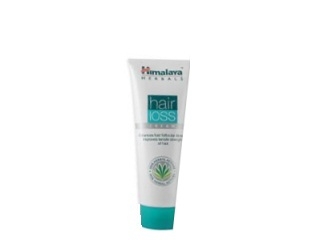

Hair Loss Cream (United Kingdom) – Patient Information
Hair Loss Cream is a topical treatment designed to help reduce hair thinning and support healthier-looking hair growth. It is applied directly to the scalp, where it can target hair follicles and the causes of certain types of hair loss.
This patient-friendly guide explains how the cream works, how to use it safely and effectively, what to expect, possible side effects, and practical tips to get the best results. It also covers interactions, timing, and general UK market and legal considerations.
Product Overview
Product type: Topical hair-loss cream
Route of administration: Applied to the scalp (skin)
Where to use: Areas of thinning or hair loss on the scalp
Who it may help: People with thinning hair associated with non-scarring hair loss patterns (for example, androgen-related thinning). Suitability depends on the cause of hair loss.
Common format: Tube or pump container
How it’s usually supplied: Available via online pharmacies and retail channels, subject to UK regulations and product classification.
Important: Always read your specific product label and enclosed leaflet for the exact active ingredients, strengths, and instructions. Different “hair loss creams” can contain different ingredients with different dosing schedules.
How It Works (Mechanism of Action)
Hair loss creams typically work by supporting hair follicles and improving the scalp environment. Depending on the formulation, the cream may:
- Support follicle activity to encourage growth of existing hair or reduce shedding.
- Reduce factors that contribute to miniaturisation of hair follicles (in some patterns of thinning, follicles become smaller and produce thinner hairs).
- Improve scalp conditions that may affect hair growth, such as dryness or irritation (depending on soothing ingredients).
- Act locally where thinning occurs, using direct application rather than systemic (whole-body) treatment.
In some products, the active ingredient may belong to well-known categories used in hair-loss management. For accurate information, please check your product’s active ingredient(s) on the label.
Pharmacokinetics (What Happens to the Medicine in the Body)
Because Hair Loss Cream is applied to the scalp, exposure to the body is usually lower than with oral medicines. However, some absorption may occur through the skin.
- Absorption: Topical absorption can vary based on scalp condition (for example, whether skin is irritated), the amount applied, and how long it remains on the scalp.
- Distribution: Absorbed drug (if any) can enter the bloodstream and be distributed throughout the body, though levels are generally expected to be low for properly used topical products.
- Metabolism and elimination: Any absorbed portion is typically processed by the body and cleared over time. The exact pattern depends on the active ingredient.
Practical takeaway: Use the cream exactly as directed. Avoid applying to broken skin, and keep an eye on any unexpected side effects, especially if you use other medicines on the scalp.
Typical Indications (What It Is Used For)
Hair Loss Cream is generally used for:
- Reducing hair thinning and improving the appearance of density in areas of non-scarring hair loss.
- Supporting regrowth or slowing the progression of thinning in suitable cases.
It may not be suitable for hair loss that is caused by scarring conditions, sudden shedding due to illness, nutritional deficiency, hormonal conditions requiring medical evaluation, or autoimmune hair loss. If you have:
- patchy bald spots that appear suddenly,
- scalp pain, scaling, or oozing,
- rapid shedding over weeks,
- or signs of infection or inflammation,
you should seek medical advice before continuing treatment.
Dosing and How to Use It (Timing Included)
Dosing instructions depend on the product’s active ingredient strength and formulation. Use the dose written on your specific packaging or leaflet.
General dosing principles
- Start with the recommended amount: apply the specified quantity to the scalp thinning areas.
- Use consistently: hair follicles respond slowly, so regular use is essential.
- Do not exceed the stated dose: using more does not necessarily make it work faster and may increase side effects.
Typical application schedule
Many topical hair-loss products are applied either:
- Once daily, or
- Twice daily
Follow the leaflet for whether your cream is designed for once- or twice-daily use.
Best timing
- Apply to a dry scalp unless your product leaflet states otherwise.
- Evening use may be convenient for many users, as it reduces risk of product washing off during the day.
- After application: allow it to absorb before dressing or styling hair.
Wash routine: Many people apply the cream and wash their hands immediately afterward. If you wash your hair, follow the manufacturer’s advice on whether you should wash after a certain number of hours.
Practical Use Tips (Maximise Results, Minimise Problems)
- Part your hair carefully to reach the scalp where thinning is visible.
- Use fingers to spread gently into the thinning area—avoid aggressive rubbing that can irritate skin.
- Apply only to the intended areas (scalp), unless the product instructions specify otherwise.
- Wash hands after use to avoid accidental transfer to eyes, mouth, or other body areas.
- Be consistent for months: hair growth cycles are slow, and improvements typically take time to appear.
- Track progress: consider taking photos in the same lighting every 2–4 weeks.
If you miss a dose: apply it when you remember, unless it’s close to the next dose. Do not double up unless your leaflet instructs you to.
What Results to Expect (Timeline)
Hair growth and thickening do not happen overnight. A realistic expectation helps you stay consistent:
| Timeframe | What you may notice |
|---|---|
| Weeks 1–4 | Reduced shedding may occur in some people; you may also notice scalp comfort changes. |
| Months 1–3 | Signs of improved density or less visible thinning may start to appear. Hair changes can be subtle. |
| Months 3–6 | Better visual improvements are more likely, such as thicker-looking strands or improved coverage. |
| Beyond 6 months | Ongoing improvement and maintenance may be possible with continued use as advised. |
Note: Individual response varies. If there is no improvement after the recommended trial period stated in your leaflet, consider speaking to a pharmacist or clinician for advice on whether to continue or switch options.
Food Interactions
Because Hair Loss Cream is applied to the scalp, food interactions are unlikely. Topical medicines generally act locally with minimal systemic impact.
However, if your Hair Loss Cream includes ingredients that can be absorbed to a clinically relevant degree, there may be interactions with medicines you take by mouth. Always review:
- any medicines you apply to the scalp at the same time
- any medicines you take regularly
- any known sensitivities
Alcohol and Medicine Interactions
Alcohol
There is usually no direct alcohol interaction with a scalp-applied cream, since the medicine is not primarily absorbed through the stomach. That said, avoiding irritation is important:
- If your cream contains alcohol or you have sensitive skin, note that alcohol-based products can sometimes worsen dryness or irritation.
- If you drink alcohol, it is not expected to significantly affect how the cream works, but personal sensitivity varies.
Interactions with other medicines
Topical application reduces the likelihood of systemic drug interactions, but interactions may still occur indirectly through skin reactions or shared pathways if absorption occurs.
Be cautious if you use:
- Other scalp treatments (for example, medicated lotions, strong exfoliants, or antiseptic preparations)
- Topical corticosteroids or other medicated creams on the scalp
- Skin irritants (strong hair dyes, bleaching agents, or chemical straighteners), especially if the scalp becomes inflamed
If you are using other hair or scalp products, consider applying Hair Loss Cream and allowing sufficient time before using other products, unless the leaflet states it’s safe to combine.
Always seek advice if you are using other medicines that affect skin healing, immune function, or circulation, or if you have a complex medical history.
Safety Profile and Side Effects
Like all medicines, Hair Loss Cream can cause side effects—though not everyone experiences them. Most reactions are mild and related to local scalp application.
Common local side effects
- Scalp dryness or flaking
- Itching
- Redness or mild irritation
- Burning or stinging sensation (especially at first use)
Less common side effects
- Contact dermatitis (skin allergy)
- Hair texture changes or temporary shedding in some hair-loss regimens (if described in your leaflet)
Stop and get advice urgently if
- You develop swelling of the face, lips, or scalp
- you have breathing difficulties
- you experience severe rash, blistering, or intense burning
When to speak to a pharmacist: if irritation persists after adjusting application frequency, if you develop persistent scaling, or if side effects affect daily comfort.
Warnings and Who Should Use Caution
Use Hair Loss Cream with extra caution (and seek professional advice) if you have:
- Sensitive skin or history of allergies
- Scalp conditions such as eczema, psoriasis, or fungal infections
- Broken or inflamed skin at the application site
- Unexplained patchy hair loss
Keep out of reach of children. Avoid contact with eyes and mucous membranes.
Practical Skin Care and Handling
Hair loss treatments work best when the scalp is healthy and free from unnecessary irritation.
- Gentle washing is usually preferred.
- Avoid scratching the scalp.
- If you use hair styling products, choose non-irritating options and ensure the scalp is not inflamed.
- Do not apply the cream over wet hair unless the leaflet permits it.
Alternative Options for Hair Thinning
If Hair Loss Cream is not suitable or if you want to explore other options, there are several alternatives available in the UK depending on the cause of hair loss:
- Other topical hair-loss treatments with different active ingredients
- Shampoos and scalp tonics aimed at improving scalp conditions (may support but often do not match the effect of prescription-strength actives)
- Oral treatments (availability and suitability vary; discuss with a healthcare professional)
- Low-level light therapy (LLLT) devices, where appropriate
- Microneedling (requires careful technique and hygiene; may need professional guidance)
- Hair transplant and advanced procedures for suitable candidates
- Addressing triggers such as iron deficiency, stress, thyroid issues, or postpartum shedding
Tip: If hair loss is sudden or worsening rapidly, the most effective plan often begins with identifying the underlying cause.
UK Market and Legal Context (What It Means for Customers)
In the United Kingdom, medicines and medical products are regulated by the relevant authorities. Hair-loss products may be:
- Over-the-counter treatments (where permitted),
- or marketed under product categories that may include traditional use or specific classifications.
Online pharmacies and sellers must comply with UK advertising rules and product labelling requirements. This means product claims are typically limited to what the product is approved to support and what is appropriate for consumer information.
What to do before buying:
- Check the active ingredient and strength.
- Read the instructions and warnings included with the specific product.
- Ensure the seller is a legitimate online pharmacy or retailer following UK rules.
Recent Guidance and Considerations (UK)
Hair-loss management guidance in the UK commonly emphasises:
- Correct diagnosis of the type of hair loss before starting long-term treatment.
- Realistic timelines—hair growth cycles mean early results may be subtle.
- Safety—monitoring for scalp irritation and avoiding use on broken skin.
- Consistency with use as recommended by the product leaflet.
As guidance can evolve, always refer to the most up-to-date leaflet information supplied with your product and seek advice if you are unsure whether your hair loss pattern is suitable for topical therapy.
Delivery and Availability (UK)
Hair Loss Cream is typically available via UK online pharmacies and approved retailers. Delivery options may include:
- Standard delivery (often 2–5 working days depending on the provider)
- Tracked delivery for added security
- Express delivery where offered
Availability: Stock levels can vary, especially for popular brands or specific strengths. If a product is temporarily unavailable, many online pharmacies show restock estimates or alternative options.
Packaging and storage: Store at room temperature as instructed. Keep the tube tightly closed and away from direct sunlight and excessive heat.
Frequently Asked Questions (FAQ)
1) How long does Hair Loss Cream take to work?
Hair cycles are slow. Some people notice reduced shedding within weeks, but visible improvement in thickness or coverage usually takes around 3–6 months. Follow the recommended trial period on your product leaflet.
2) Will the cream stop hair loss immediately?
Hair loss patterns can fluctuate. You may see gradual improvement rather than an instant stop. Consistency is important, and results vary between individuals.
3) Can I use it with other scalp products?
Many users can combine Hair Loss Cream with gentle shampoo and conditioner, but you should be cautious with medicated or strongly irritating scalp products. Allow adequate spacing between applications unless the leaflet says it is safe to use together.
4) Is it safe to apply if my scalp is sensitive?
If your scalp is currently inflamed, broken, or significantly irritated, avoid applying the cream and seek advice. Mild initial dryness or itching can occur; persistent or severe irritation should prompt stopping and getting guidance.
5) Will it affect my skin elsewhere?
Yes, if the cream is transferred to other areas. Wash your hands thoroughly after application and avoid contact with eyes and lips.
6) Are there any food interactions?
Food interactions are generally not expected for scalp-applied creams. If you take other medicines, check for potential interactions as described in the product information.
7) Can I drink alcohol while using it?
Alcohol is not usually expected to interfere directly with a topical scalp treatment. However, avoid applying the cream to a very irritated scalp, and follow your product leaflet regarding formulation ingredients and skin tolerance.
8) What if I miss a dose?
Apply it when you remember if it’s not close to the next dose. Do not apply extra to compensate.
9) Should I use it if my hair loss is sudden or patchy?
Sudden or patchy hair loss can have different causes. It’s best to get advice if you notice rapid change, scalp symptoms (pain, scaling, oozing), or patchy bald spots.
10) What’s the best way to apply for maximum coverage?
Part your hair to reach the thinning area, apply the recommended amount, and spread gently. Avoid excessive rubbing and ensure the cream stays on the scalp as directed.
Summary
Hair Loss Cream is a topical treatment for thinning hair that works locally on the scalp to help support healthier-looking hair growth. Results typically develop gradually over several months, so consistent use and careful scalp care are key.
- Use as directed for the best chance of improvement.
- Expect gradual results over 3–6 months.
- Monitor scalp comfort and stop/seek advice if reactions are severe or persistent.
- Check the product leaflet for exact dosing, timing, and ingredient-specific guidance.
If you’re unsure whether your hair loss type is suitable for a topical approach, a pharmacist can help you choose the most appropriate option and advise on safe use.