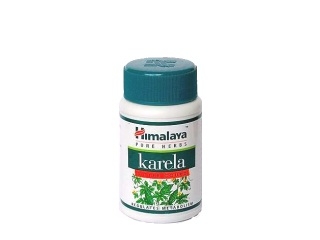
Karela
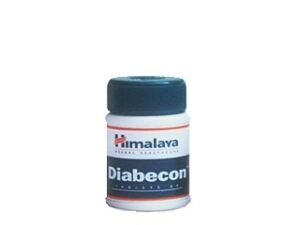
Karela is a herbal medicine made from Momordica charantia (bitter melon). In the UK, it is commonly marketed as a traditional remedy used to support healthy blood glucose and general metabolic wellbeing.
This page is written to help you understand how Karela is used, how it may work, and how to take it safely. Always follow the directions on your product label and any advice from a healthcare professional.
Basic product information
- Active ingredient: Karela (bitter melon / Momordica charantia)
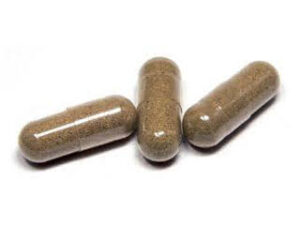
- Typical forms: capsules, tablets, powders, or liquid extracts (strengths vary by brand)
- Who it may be suitable for: Adults seeking traditional support for metabolic health (see “Safety profile” for important cautions)
- Common use areas: Support for healthy blood sugar levels and digestive wellbeing
- Regulatory note (UK): In the UK, herbal products may be sold under different categories (traditional herbal registrations, supplements, or food supplements depending on claims and composition). The exact legal status depends on the product brand and how it is marketed.
How Karela may work (mechanism of action)
Karela contains naturally occurring plant compounds, including charantin, polypeptide-p (a “plant insulin-like” peptide), and various phenolic compounds. While the precise effects can vary by product and dose, several mechanisms have been proposed:
- Improving insulin sensitivity: Some constituents may help the body respond more effectively to insulin.
- Supporting glucose uptake: Compounds may influence how tissues use glucose.
- Reducing glucose absorption: Some evidence suggests Karela may affect intestinal absorption of carbohydrates.
- Antioxidant and anti-inflammatory effects: Bitter melon is rich in bioactive substances that may help reduce oxidative stress, which can be relevant to metabolic health.
Important: Karela is not a substitute for medical treatment in people with diabetes or other conditions. If you are managing blood glucose levels, monitor your readings and seek professional advice if you notice changes.
Pharmacokinetics (how your body processes it)
Because Karela is a herbal medicine with variable formulations, pharmacokinetic data in humans can be limited. In general terms:
- Absorption: Plant constituents may be absorbed after oral use, but absorption rates differ depending on the extract type (powder vs concentrated extract), dose, and formulation.
- Metabolism: Many plant compounds are metabolised in the liver and possibly in the gut before entering circulation.
- Elimination: Metabolites are typically cleared via urine and/or bile, but the exact timeline depends on the specific constituent and formulation.
Practical takeaway: If you are using Karela for blood glucose support, consistent daily use and monitoring (especially when starting) are more informative than expecting immediate effects after a single dose.
Typical use and indications
Karela products are commonly used as a traditional herbal remedy to support:
- Healthy blood glucose levels (especially as part of a broader lifestyle approach)
- Metabolic wellbeing, including healthy weight management support for some individuals
- Digestive comfort in some people (depending on formulation and tolerance)
Note on indications in the UK: Herbal products may carry specific permitted indications or wording depending on how they are authorised. For the most accurate claim, refer to the product’s label and packaging information supplied with the specific brand you purchase.
When to take Karela (timing)
Timing can affect how you feel after a dose and may influence how your body responds.
Common timing approaches
- With meals: Many people find it easier to tolerate if taken with food, especially if the product causes mild stomach discomfort.
- Before meals: Some users take it before meals with the intention of supporting glucose handling around eating, but this may increase the risk of gastrointestinal side effects for some individuals.
Best practice: Start with the label dose and follow the specific instructions for your product. If you are monitoring blood glucose, note how readings change on days you take it.
How to take it (dosing)
Dose depends on the brand, strength, and form of Karela. Different products can contain different amounts of bitter melon extract.
Typical adult dosing (general guidance)
- Follow the product label: This is the most important step.
- Start low if you’re new: If tolerated, you may gradually increase to the label-recommended amount (if the label allows).
- Do not exceed the maximum daily dose stated on the packaging.
Missed dose
- If you miss a dose, take it when you remember unless it is close to your next dose.
- Do not take double the amount to make up for a missed dose.
Advice for people taking glucose-lowering medicines: Starting Karela may increase the risk of low blood glucose. Consult a healthcare professional and consider more frequent monitoring when beginning or changing dose.
Food interactions
Karela is sometimes taken with or around meals to support glucose balance. Food may influence tolerance and, for some people, the overall effect.
What to expect
- With food: Usually better tolerated; may reduce nausea or stomach upset.
- On an empty stomach: Some individuals experience stomach irritation, cramps, or reflux-like symptoms.
Carbohydrate intake
If your goal is blood sugar support, the bigger driver is overall diet and portion size. Karela should be viewed as an adjunct to a balanced eating pattern, not a stand-alone solution.
Alcohol interactions
There are no single universal alcohol interactions for all Karela products, but alcohol can complicate blood glucose control and may irritate the digestive tract.
- Blood glucose: Alcohol can cause blood sugar to drop in some situations, and Karela may also influence glucose levels. Together, this may increase the risk of hypoglycaemia in susceptible individuals.
- Stomach side effects: Alcohol may worsen nausea, indigestion, or diarrhoea if these occur with Karela.
Recommendation: If you drink alcohol, do so cautiously and avoid large quantities. Monitor your body’s response and, if relevant, your blood glucose.
Interactions with other medicines
Karela may interact with medicines that lower blood sugar or influence metabolism. Because herbal extracts contain multiple compounds, interactions can be complex.
Medicines with the most important interaction potential
- Diabetes medicines (e.g., insulin, metformin, sulfonylureas, meglitinides, GLP-1 medicines, SGLT2 inhibitors): increased risk of low blood glucose (hypoglycaemia).
- Blood pressure medicines: If any product affects fluid balance or metabolism, dizziness or changes in readings are possible in some people.
- Medicines affected by liver metabolism: Herbal products can sometimes influence liver enzymes, which may affect how other medicines are processed.
Other considerations
- Anticoagulants/antiplatelets: Some herbal products can affect bleeding risk. Check with a professional if you take medicines such as warfarin or antiplatelet therapy.
- Non-prescription products: Don’t forget to include other supplements and herbal remedies you take when asking for advice.
Action step: Before starting Karela, speak to a pharmacist or GP if you take any regular medication or if you have diabetes, kidney disease, liver disease, or any other long-term condition.
Safety profile and side effects
Most people tolerate Karela well when taken at appropriate doses. However, as with any herbal medicine, side effects and risks can occur.
Common side effects
- Gastrointestinal effects: stomach discomfort, nausea, diarrhoea, or bloating
- Headache or mild dizziness in some individuals
- Changes in blood glucose: some people may experience low blood sugar, especially if combined with other glucose-lowering treatments
Serious but less common risks
- Hypoglycaemia: sweating, shaking, hunger, palpitations, confusion, or feeling faint
- Allergic reactions: rash, itching, swelling, or breathing difficulty (seek urgent medical help if breathing is affected)
- Liver or kidney concerns: rare, but report any unusual symptoms such as yellowing of skin/eyes, dark urine, or severe fatigue
Who should be extra cautious
- Pregnancy and breastfeeding: Avoid unless specifically advised by a healthcare professional. Herbal products may not be safe in pregnancy.
- Children: Not generally recommended without professional guidance due to limited safety data.
- People with diabetes on glucose-lowering medication: Use only with advice and close monitoring.
- People with gastrointestinal conditions (e.g., gastritis, inflammatory bowel disease): increased risk of irritation or diarrhoea.
- People with liver or kidney disease: Seek medical advice before use.
Practical use tips
- Check the label strength: “Karela” brands may contain different extract concentrations. Follow the dosing instructions for your exact product.
- Start gradually: If you are sensitive, begin with the lowest label dose and assess tolerance before increasing.
- Monitor symptoms: Keep an eye on stomach upset and, if you have diabetes or use glucose-lowering medication, monitor blood glucose more frequently at the start.
- Maintain lifestyle foundations: Balanced meals, physical activity, adequate sleep, and hydration are central to metabolic health.
- Keep it consistent: If you choose to use it regularly, aim for the same time each day to help you judge your body’s response.
- Report problems: If you develop persistent diarrhoea, severe abdominal pain, signs of allergy, or repeated low blood sugar symptoms, stop and seek advice.
Alternative options
If Karela isn’t right for you or you experience side effects, alternatives may include:
Other dietary and lifestyle approaches
- Dietary adjustments: focusing on fibre-rich foods, low glycaemic index options, and consistent meal timing
- Physical activity: regular resistance and aerobic exercise can improve insulin sensitivity
- Weight management: if recommended by a healthcare professional
Other herbal or supplement options (with caution)
- Berberine, cinnamon, or fenugreek are sometimes used for glucose support, but they also may interact with diabetes medication and can cause gastrointestinal side effects.
- Chromium and alpha-lipoic acid are used by some people, depending on individual circumstances and existing treatment plans.
Important: Any supplement can interact with medicines and may not be suitable for everyone. If you take glucose-lowering drugs, get professional advice before adding another product.
UK market, legal and guidance context
In the United Kingdom, the sale and marketing of herbal medicines and supplements is regulated to protect consumers. Requirements typically cover:
- Safety: products should be safe for the intended use.
- Quality: ingredients, manufacturing controls, and batch consistency.
- Claims: permitted claims must be supported and not misleading.
- Labelling: directions, warnings, and ingredient information.
Recent and ongoing UK guidance focuses on ensuring herbal products are labelled clearly, contain safe ingredients, and do not make unrealistic disease claims. Products are also expected to follow appropriate standards for manufacturing (including Good Manufacturing Practice where applicable).
Recent guidance (general themes): There is continued emphasis on transparent labelling, consumer safety, and caution when consumers use complementary products alongside prescription medicines—particularly in areas like blood glucose management.
Always check: the exact status and instructions on your chosen brand, as it may be registered/authorised differently depending on the product category.
Delivery and availability in the UK
Karela products are widely available from UK pharmacies and online retailers, subject to stock and product availability.
- Availability: Depends on brand and extract type; popular forms (capsules/tablets) may be restocked quickly.
- Delivery: Typically available with standard and express options where offered.
- Packaging: Delivered sealed for hygiene and quality; keep out of reach of children.
- Storage: Store as directed on the label (often in a cool, dry place).
Tip: If you have questions about the strength or directions for a specific brand, use the product details on this page or contact our customer support before ordering.
FAQ
1) What is Karela used for?
Karela (bitter melon) is most commonly used to support healthy blood glucose levels and general metabolic wellbeing. Product labels may include specific permitted traditional claims, so check the exact information for your brand.
2) How long does it take to work?
Some people notice digestive changes or shifts in appetite/tolerance within days, but effects on blood glucose support are typically evaluated over weeks rather than hours. Consistent use and monitoring—especially if you have diabetes—are important.
3) Can I take Karela with diabetes medication?
You should be cautious. Karela may lower blood glucose and could increase the risk of hypoglycaemia when combined with insulin or other glucose-lowering medicines. Speak to a pharmacist or GP and monitor your readings more closely when starting or changing dose.
4) Should I take Karela with food?
Many people tolerate it better with meals. If your product label does not specify, start with food and adjust based on comfort.
5) Can I drink alcohol while taking Karela?
It’s best to be cautious. Alcohol can affect blood glucose and may increase digestive irritation. If you choose to drink, do so in moderation and monitor your response.
6) What side effects should I watch for?
Common side effects include stomach upset or diarrhoea. Seek urgent help for signs of allergy (rash, swelling, breathing difficulty) or if you suspect low blood sugar (sweating, shaking, confusion, faintness).
7) Is Karela safe for everyone?
No. Extra caution is needed for pregnancy/breastfeeding, children, and people with diabetes on glucose-lowering therapy, liver/kidney disease, or significant digestive conditions. Always check the label warnings and get professional advice if unsure.
8) Are there alternative products I can consider?
Yes, depending on your goals. Lifestyle changes remain foundational. If you want supplements, discuss options with a pharmacist, especially if you take other medicines that affect blood sugar.
9) How should I store Karela?
Store according to the label instructions, usually in a cool, dry place, and keep out of reach of children.
10) What if I miss a dose?
Take it when you remember unless it is close to the next dose. Do not double up.
Quick reference table
| Topic | Patient-friendly summary |
|---|---|
| What it is | Karela (bitter melon, Momordica charantia) herbal medicine used for metabolic support. |
| How it may work | May support insulin sensitivity, glucose uptake, and antioxidant activity. |
| Common timing | Often taken with meals for comfort; follow the label directions. |
| Food effects | With food often reduces stomach upset; overall diet remains key for glucose control. |
| Alcohol | Use caution—may affect blood glucose and irritate the digestive tract. |
| Key medicine interactions | Potential additive effects with diabetes medicines; may increase hypoglycaemia risk. |
| Typical side effects | GI upset (nausea/diarrhoea), mild headache; monitor blood glucose if applicable. |
| Safety notes | Extra caution in pregnancy/breastfeeding, children, and with liver/kidney disease. |