
Pilex (capsules) – Patient Information Guide (UK)
This page provides clear, patient-friendly information about Pilex, a traditional herbal medicine used for the relief of symptoms associated with piles (haemorrhoids). It explains how it works, how to take it, what to expect, important safety considerations, and practical tips for using it effectively.
Always follow the instructions on the pack or your healthcare professional’s advice. If symptoms persist or worsen, seek medical advice.
1) Basic product information
| Feature | What you should know |
|---|---|
| Product name | Pilex |
| Type | Traditional herbal medicine for piles/haemorrhoids |
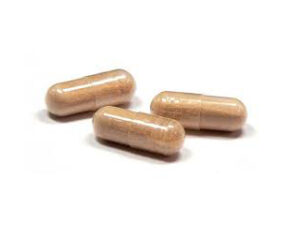
| Form | Capsules (commonly available as oral capsules) |
| Common uses | Relief of symptoms such as discomfort, swelling, and bleeding associated with haemorrhoids |
| Where it is used | United Kingdom (availability may vary by stockists) |
Important: Always check the exact strength and composition on your specific pack, as formulations may vary by manufacturer or batch. If you have the leaflet, it provides the most accurate product-specific instructions.
2) What Pilex is used for (indications)
Pilex is used for the relief of symptoms of piles (haemorrhoids). This can include symptoms such as:
- Discomfort or pain in/around the anus
- Swelling and inflammation
- Itching or irritation
- Bleeding during bowel movements (commonly mild)
If you experience significant rectal bleeding, black/tarry stools, severe pain, fever, or symptoms that do not improve, consult a healthcare professional promptly. Haemorrhoids can be confused with other conditions that require evaluation.
3) How Pilex may work (mechanism of action)
Pilex contains a blend of herbal ingredients. While the precise mechanism can vary by formulation, herbal therapies used for haemorrhoids are typically aimed at reducing symptoms through a combination of:
- Anti-inflammatory effects to help reduce swelling and irritation
- Astringent/tonic activity (in some herbal blends) that may help support tissue
- Soothing actions to ease discomfort
- Support for local comfort during flare-ups
The overall goal is symptom relief and improved comfort during episodes of piles. Results can vary between individuals; many people notice improvement over several days of consistent use.
4) Pharmacokinetics (how the body handles it)
Because Pilex is a herbal/traditional product, detailed pharmacokinetic data (such as blood levels, absorption rate, and half-life) may not be as comprehensively studied as for conventional medicines. In practice, the clinical expectation is that active constituents are absorbed to some extent and exert local and systemic effects related to symptom relief.
- Absorption: Herbal constituents may be absorbed after oral administration.
- Distribution/metabolism: Plant-derived compounds can be metabolised by the body and may have varying bioavailability.
- Excretion: Metabolites are typically eliminated via normal bodily routes (commonly the liver and kidneys).
For personalised advice, check the product leaflet for any available information about the ingredients used in your specific pack.
5) Typical use and how long it takes to work
Pilex is generally used during periods when haemorrhoid symptoms flare up. Many users aim for short-to-medium term relief while also making supportive lifestyle changes (e.g., stool softening and avoiding straining).
Timing expectations: Symptom improvement is often noticed after several days. However, response varies. If there is no improvement after the recommended course or if symptoms worsen, seek medical advice.
6) Dosage and timing (how to take Pilex)
Follow the dosage instructions on your pack. The leaflet is the best source for your specific formulation. Below is typical guidance used for many capsule-based haemorrhoid products; confirm your exact dose from your product label.
- Adults: Usually take capsules as directed by the pack.
- Frequency: Often taken 2–3 times daily, depending on formulation and symptom severity.
- Duration: Typically used for a limited course during flare-ups; continue only for the period stated on the pack or leaflet.
Practical tip: Pick a routine time (e.g., morning and evening) and keep doses evenly spaced where possible. If you miss a dose, take it when you remember unless it is close to your next dose—do not take extra capsules to “catch up.”
7) How to take it (step-by-step)
- Step 1: Take the capsule with a full glass of water.
- Step 2: Try to stay consistent with timing each day.
- Step 3: Pair with supportive measures (see practical tips below).
- Step 4: Monitor symptoms (pain, swelling, bleeding, itching).
8) Food interactions
Many oral herbal medicines can be taken with or without food. However, individual product instructions may advise taking capsules after meals or with meals to improve tolerability.
To reduce the chance of stomach upset:
- Consider taking Pilex after food if you find capsules cause mild nausea.
- Stay well hydrated, especially if you are using it alongside stool-softening dietary measures.
Always check your pack: If your leaflet specifies “take after food,” follow that guidance.
9) Alcohol interactions
Specific alcohol–herbal interactions are not always fully characterised for traditional products. As a general safety measure:
- Avoid excessive alcohol while treating symptoms, as alcohol can worsen dehydration and may aggravate constipation.
- If alcohol causes you to flare up (e.g., due to constipation, straining, or reflux), consider limiting intake during your treatment period.
If you drink alcohol regularly or have liver/kidney conditions, discuss with a healthcare professional or pharmacist before using the product.
10) Interactions with other medicines
Herbal products can theoretically interact with other medicines through metabolism pathways or effects on digestion. That said, clinically significant interactions are not always reported for every ingredient combination. It’s still important to be cautious if you take other medicines.
Speak to a pharmacist if you are taking:
- Medicines that affect blood clotting (e.g., warfarin)
- Medicines with a narrow safety margin
- Immunosuppressant medicines
- Any regular prescriptions or ongoing herbal supplements
General rule: Keep a list of all medicines and supplements you take (including herbal products), and ask a healthcare professional to check for interactions.
11) Safety profile and who should be cautious
Most people tolerate Pilex well when taken according to the pack instructions. However, because it is an herbal product, side effects are still possible.
Possible side effects
Reported side effects for herbal products can include:
- Stomach upset or mild nausea
- Loose stools or changes in bowel habit
- Allergic reactions (rare, but important)
Seek urgent medical advice if you develop signs of allergy such as swelling of the face/lips, difficulty breathing, rash with widespread hives, or severe dizziness.
When to avoid or get advice first
- Pregnancy and breastfeeding: Consult a healthcare professional before use.
- Children: Check the pack/leaflet for age suitability; do not use in children unless permitted.
- Allergy to ingredients: Do not take if you have known hypersensitivity to any ingredient.
- Significant bleeding: If rectal bleeding is heavy or recurrent, get medical advice.
When to stop and seek help
- Symptoms worsen or you develop severe pain
- Bleeding continues beyond a short period
- You feel unwell with fever or signs of infection
- Your bowel habits change significantly (especially if persistent)
12) Practical use tips for best results
Medicines like Pilex can help with symptom relief, but haemorrhoid flare-ups often improve fastest when combined with supportive self-care. Consider the following:
- Avoid straining during bowel movements.
- Increase fluid intake to help keep stools soft.
- Choose a high-fibre diet (e.g., fruit, vegetables, whole grains).
- Consider fibre supplements if your stool is hard or difficult to pass (ask a pharmacist for options).
- Warm sitz baths (soaking the anal area in warm water) can ease discomfort.
- Maintain good hygiene using gentle cleansing and patting dry.
- Don’t ignore persistent symptoms; ongoing bleeding should be assessed.
If your symptoms relate to constipation, addressing constipation is often the key to reducing recurrence.
13) Alternative options (UK)
If you’d like other approaches for haemorrhoid symptoms, common options include:
- Topical treatments (creams/ointments/suppositories) aimed at soothing and reducing local symptoms
- Stool softening and fibre support to minimise straining
- Pain relief options (where appropriate and safe for you)
- Lifestyle measures such as hydration, dietary fibre, and avoiding prolonged sitting on the toilet
In some cases, especially with severe pain, frequent bleeding, or complications, healthcare professionals may recommend additional treatments. If symptoms are persistent, a clinician can rule out other causes.
14) UK market and legal context (what to expect)
In the United Kingdom, products for haemorrhoids may be available as: over-the-counter traditional herbal medicines, medicines, or pharmacy-only treatments—depending on their classification and licensing status.
For a herbal product like Pilex, availability and regulatory status may vary. Some herbal remedies are marketed under traditional use frameworks, while others may be licensed differently. Always use the leaflet included with your pack and check the product label for:
- Manufacturer/sponsor details
- Exact ingredients and strength
- Indications and recommended dose
- Contraindications and warnings
The NHS and clinical guidance generally recommend that any ongoing rectal bleeding should be evaluated. Haemorrhoids are common, but similar symptoms may occur with other conditions.
Recent guidance note: In the UK, bowel symptom assessment and “safety netting” advice (reviewing symptoms that do not improve) is emphasised across primary care. If you’re unsure, a pharmacist can help you decide whether self-care is appropriate.
15) Delivery, availability, and how to buy online (UK)
Pilex availability can vary depending on the supplier and local stock. When you order from an online pharmacy, you’ll typically receive:
- Secure packaging for capsule protection during transit
- Tracking information where offered
- Delivery to UK addresses in line with the retailer’s shipping policy
Delivery options, dispatch times, and courier services differ by retailer. At checkout, you should see: estimated delivery dates, shipping costs, and service levels (e.g., standard vs express).
Store the capsules in a cool, dry place, away from direct sunlight, and keep them out of reach of children. Check the expiry date on the pack before use.
16) FAQ about Pilex
How soon will I feel better with Pilex?
Many people notice symptom relief within a few days, but it varies depending on severity and whether constipation/straining is also addressed. If there’s no improvement within the timeframe stated on the pack, seek advice.
Can I take Pilex with food?
In many cases it can be taken with or without food, but some packs advise taking it after meals to improve tolerability. Check the instructions on your specific leaflet or product label.
Can I drink alcohol while using Pilex?
There are not always well-defined, product-specific alcohol interaction details for herbal medicines. It’s safest to avoid excessive alcohol and to keep hydration up, as alcohol can worsen constipation in some people.
What if I’m taking other medicines?
Tell a pharmacist about all medicines and supplements you use, especially blood-thinners and long-term medications. Even if known interactions are uncommon, it’s best to confirm suitability for your situation.
Is Pilex suitable for everyone?
Not necessarily. Check the pack leaflet for age suitability and whether you should avoid it if you are pregnant, breastfeeding, or have allergies to ingredients. If you have significant bleeding, severe pain, or symptoms that persist, get medical advice.
What should I do if I miss a dose?
Take it when you remember unless it’s close to the next dose. Don’t take extra capsules to compensate for a missed dose.
Are there lifestyle changes that improve results?
Yes. Improving stool softness (fibre and fluids), reducing straining, and using warm sitz baths often help relieve symptoms and reduce recurrence.
When should I see a doctor or nurse?
Seek prompt medical advice if you have heavy rectal bleeding, severe pain, fever, black/tarry stools, dizziness, or if symptoms don’t improve with recommended treatment. Persistent bleeding should always be assessed in the UK.
What are the common signs that it might not be piles?
Rectal bleeding can have multiple causes. Get checked if bleeding is significant, recurrent, associated with weight loss, or if you have new bowel habit changes that persist.
Summary
Pilex is a traditional herbal option used to help relieve the discomfort and symptoms of piles (haemorrhoids). When used as directed, it may help reduce inflammation and support comfort during flare-ups. For the best outcome, combine treatment with practical self-care such as hydration, fibre, and avoiding straining.
If symptoms persist, worsen, or involve significant bleeding, seek medical advice. Your pharmacist can also help you choose the most suitable approach.