Dolutegravir (DTG) — Patient-Friendly Guide
Dolutegravir is an antiviral medicine used to treat human immunodeficiency virus (HIV). It belongs to a group of medicines called integrase strand transfer inhibitors (INSTIs). Many people find dolutegravir-based regimens effective and relatively straightforward to take, provided they use the correct dosing schedule and avoid certain interactions.
This page explains how dolutegravir works, how it behaves in the body, when and how to take it, important food and alcohol considerations, likely side effects, and practical tips for everyday use. It also includes guidance relevant to the United Kingdom, including how treatment is generally managed and where to find reliable NHS information.
Basic product information
- Active ingredient: Dolutegravir
- Medicine type: Antiretroviral (anti-HIV) medicine
- Drug class: Integrase strand transfer inhibitor (INSTI)
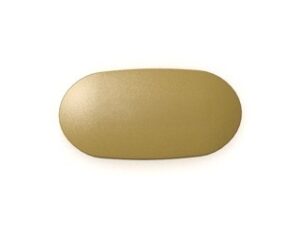
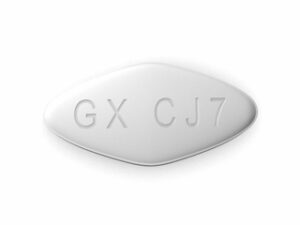
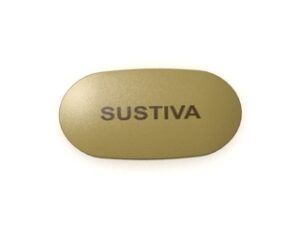
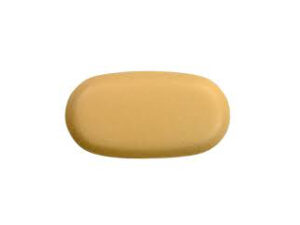
- Common formulations: Tablets (strengths may vary by product); oral dispersible tablets may be available depending on the brand
- Typical place in therapy: Used as part of combination HIV treatment
- Availability: Available in the UK through prescription supply channels and specialist HIV services
Important: HIV treatment requires careful selection of a complete regimen. Dolutegravir is usually used alongside other HIV medicines to fully control the virus and prevent resistance.
How dolutegravir works (mechanism of action)
HIV replicates by turning its genetic material into DNA inside human cells. Dolutegravir blocks a key step in this process.
- HIV uses an integrase enzyme to insert viral DNA into the cell’s DNA.
- Dolutegravir inhibits this integrase strand transfer step.
- As a result, the virus cannot successfully integrate and multiply effectively.
When used with other antiretroviral medicines, dolutegravir helps reduce the amount of HIV in the body (viral load) and supports immune recovery (increasing CD4 cells).
Pharmacokinetics: what the body does with dolutegravir
Pharmacokinetics describes absorption, distribution, metabolism, and elimination. While individual experiences vary, the following points are useful for understanding timing and interactions:
- Absorption: Dolutegravir is absorbed from the gastrointestinal tract. Food can affect levels with certain regimens; taking it at consistent times helps.
- Protein binding: It is highly bound to blood proteins, which influences how it distributes in the body.
- Metabolism: Dolutegravir is processed mainly via UGT1A1 pathways (and to a lesser extent CYP pathways). Because of this, medicines that strongly affect these pathways can change dolutegravir levels.
- Elimination: Excretion is largely through the body’s normal clearance mechanisms (including kidneys). Kidney function is considered when selecting dose strategies, especially for specific patient groups.
- Half-life: It has a dosing interval compatible with once-daily or sometimes twice-daily schedules depending on the regimen and patient factors.
For the most up-to-date and personalised information (including any dose adjustments), always follow the instructions for your specific product and regimen.
Typical use: what dolutegravir is prescribed for
Dolutegravir is used as part of combination antiretroviral therapy to:
- Treat HIV infection by lowering viral load to undetectable levels.
- Reduce the risk of HIV progression and improve immune function.
- Support prevention of onward transmission when viral load is suppressed consistently (treatment as prevention).
- Be used in certain treatment-experienced situations where a suitable regimen can be built.
In UK clinical practice, integrase inhibitor–based regimens are commonly used because they are effective and typically have a favourable tolerability profile.
Indications (common clinical indications)
Dolutegravir is indicated for the treatment of HIV-1 infection in combination with other antiretroviral medicines. It may be used for different populations depending on local guidance, product licence, age/weight cut-offs, and previous treatment history.
Note: The exact approved indications and age/weight eligibility can vary by product and formulation. Your clinician will confirm suitability.
Dosing: how to take dolutegravir
Dosing depends on your specific HIV regimen, other medicines you take, and patient factors such as prior treatment history. Common patterns include:
- Once daily dosing is commonly used in many standard regimens.
- Twice daily dosing may be used in certain situations (for example, when combined with specific other medicines or if resistance or other factors apply).
General timing principles:
- Take dolutegravir at the same time(s) each day to help maintain consistent drug levels.
- If you miss a dose, follow the advice from your treatment plan or the leaflet for your specific product. Avoid taking extra doses to “catch up” without guidance.
Combination regimen matters: Some medicines interact strongly with dolutegravir. Your clinician will adjust the regimen and timing to prevent reduced effectiveness.
Food interactions: can you take dolutegravir with meals?
Food can affect how much dolutegravir enters your bloodstream. In many cases, dolutegravir can be taken with or without food, but certain combinations and timing differences are important.
Key practical points:
- For many people, taking dolutegravir with or without food is acceptable. However, always follow the instructions for your exact product and regimen.
- Mineral supplements (such as iron or calcium) and antacids can reduce absorption. These often require a timing separation.
- If your regimen includes multivitamins, especially those containing minerals, the timing schedule should be reviewed carefully.
Mineral and antacid separation (commonly important):
- Check your product leaflet for exact recommendations on spacing between dolutegravir and medicines containing iron, calcium, magnesium or aluminium.
- In general, many clinicians recommend spacing mineral-containing products and antacids away from dolutegravir by a few hours, but the precise interval may depend on the formulation and dose.
If you’re unsure, ask your pharmacist to check the interaction profile for your particular products.
Alcohol and medicine interactions
Dolutegravir does not typically have a “direct” dangerous interaction with alcohol for most people, but alcohol can indirectly affect HIV treatment in several ways:
- Adherence risk: Alcohol can make it easier to forget doses or take them at inconsistent times.
- Liver health: If you have liver disease or co-infections, alcohol may increase health risks and complicate medication tolerability.
- Drug–drug interactions: Some medicines used alongside HIV care may interact with alcohol or dolutegravir metabolism pathways.
Practical advice: If you choose to drink alcohol, do so in moderation and keep a consistent dosing routine. If you have hepatitis B or C, fatty liver disease, or other liver conditions, discuss alcohol limits with your HIV team.
Medicine interactions (especially important)
Dolutegravir can be affected by other medicines that change drug-metabolising pathways or bind in the gut. Some interactions can lower dolutegravir levels, which may reduce effectiveness and increase the risk of resistance.
Common categories to review with a clinician/pharmacist:
- Antacids and mineral supplements (iron, calcium, magnesium, aluminium-containing products)
- Some anticonvulsants (e.g., carbamazepine, phenytoin, phenobarbital) which can reduce dolutegravir levels
- Rifampicin (used for some infections such as tuberculosis) and possibly rifabutin, which can lower dolutegravir exposure
- Other antiretrovirals that may alter levels or dosing requirements
- St John’s wort (Hypericum perforatum), which can reduce antiretroviral effectiveness
Always tell your healthcare team about all medicines you take, including over-the-counter products, herbal supplements, and occasional medicines.
Safety profile: common side effects and what to watch for
Most people tolerate dolutegravir well. However, side effects can occur. Below is a general overview; your specific risk may depend on other medicines in your regimen and your overall health.
Common side effects
- Headache
- Sleep disturbances or insomnia
- Nausea or stomach discomfort
- Diarrhoea
- Fatigue
Less common but important symptoms
- Allergic reactions (e.g., rash with swelling or breathing difficulties)
- Severe rash or blistering skin reactions
- Signs of liver problems (yellowing eyes/skin, dark urine, severe upper abdominal pain)
- Changes in mood or severe mental health symptoms
Seek urgent medical advice if you develop signs of a serious allergic reaction, a severe skin reaction, or significant liver symptoms.
Practical use tips for everyday life
Dolutegravir works best when taken consistently. These tips can help you use the medicine smoothly.
- Choose a daily routine: Pick a time linked to an existing habit (morning breakfast, evening meal, or bedtime) and set a reminder.
- Plan mineral supplements: If you take iron, calcium, magnesium, or antacids, schedule them away from dolutegravir and ask your pharmacist for exact timing.
- Keep track of missed doses: Use the guidance from your medicine leaflet or the advice from your HIV team. When in doubt, contact your pharmacist for instruction.
- Use a pill organiser: Especially if you take multiple medicines. Ensure you understand whether dosing is once or twice daily.
- Check new medicines: Each time you start a new prescription or over-the-counter medicine, verify interactions.
- Hydration and comfort: If you experience nausea or stomach discomfort, taking with a consistent meal may help (confirm suitability for your regimen).
Monitoring during treatment
HIV care typically includes regular monitoring to confirm the regimen is working and to check safety.
- Viral load testing: To ensure the virus is suppressed.
- CD4 count: To assess immune status.
- Routine blood tests: Including kidney and liver function, and other parameters as guided by your clinician.
- Adherence review: Your HIV team may ask about missed doses and side effects to support long-term success.
Alternative options
If dolutegravir is not suitable or you experience intolerance or significant interactions, there are other antiretroviral options. Alternatives depend on your treatment history, HIV resistance profile, co-existing health conditions, and age/weight eligibility.
Other integrase inhibitors (INSTIs)
- Raltegravir
- Elvitegravir (often used with boosters and in specific combinations)
- Bictegravir
Other antiretroviral classes (examples)
- NRTIs (nucleoside reverse transcriptase inhibitors)
- NNRTIs (non-nucleoside reverse transcriptase inhibitors)
- Protease inhibitors
Choosing an alternative: Your clinician will consider interactions (for example, with rifampicin or anticonvulsants), side effect profile, and whether your HIV has any resistance to specific drug classes.
Market and legal context in the United Kingdom
In the UK, HIV treatment is managed through a combination of specialist HIV services and national guidance. Medicines such as dolutegravir are widely used as part of modern antiretroviral therapy.
Where to find official information:
- NHS guidance on HIV treatment and living with HIV
- BHIVA (British HIV Association) clinical guidelines, which provide recommendations on antiretroviral selection and monitoring
- Medicines and Healthcare products Regulatory Agency (MHRA) for regulatory updates and product safety information
In the UK, dosing and product selection should follow the licensed indication and individual clinical factors described by your healthcare team.
Recent guidance and current considerations
HIV treatment guidance evolves as more evidence becomes available, including recommendations about drug choice, resistance considerations, adherence support, and special populations (such as pregnancy, co-infections, and paediatric use).
Common themes in ongoing UK practice include:
- Using integrase inhibitor–based regimens when appropriate because of strong efficacy.
- Reviewing interactions carefully (especially with rifampicin, anticonvulsants, antacids, and mineral supplements).
- Supporting adherence through patient education, reminders, and side effect management.
- Individualising treatment based on prior drug exposure and any resistance history.
Always follow the most current advice from your HIV clinic and the guidance relevant to your personal situation.
Delivery and availability (UK)
Dolutegravir-containing medicines may be available through legitimate pharmacy supply routes in the UK, often via specialist services and authorised channels. Availability can vary by brand, formulation (including whether tablets are film-coated or dispersible), and stock levels.
- Lead times: Delivery times depend on whether a product is held in local stock or requires ordering.
- Packaging: Medicines should arrive in tamper-evident packaging with clear identification.
- Storage: Follow the storage instructions on the label/leaflet (typically store at room temperature and keep away from moisture).
- What to check on arrival: Ensure the correct strength and formulation, and check expiry dates.
If you need the medicine urgently for continuity of treatment, contact the pharmacy as early as possible so they can advise on the fastest lawful option.
FAQ about dolutegravir
1) What is dolutegravir used for?
Dolutegravir is used as part of combination HIV treatment to reduce viral load and support immune health.
2) How is dolutegravir usually taken (once or twice daily)?
Many regimens use once-daily dosing, but some situations require twice-daily dosing. The correct schedule depends on your complete regimen and individual factors.
3) Can I take dolutegravir with food?
In many cases, yes. However, food and especially mineral supplements and antacids may affect absorption. Follow the specific timing instructions for your product and regimen.
4) How should I take dolutegravir if I use antacids or mineral supplements?
Typically, you must separate dolutegravir from products containing minerals (such as iron, calcium, magnesium, aluminium) according to your medicine leaflet. Your pharmacist can provide a clear schedule.
5) Can I drink alcohol while taking dolutegravir?
There is no usual direct dangerous interaction for most people, but alcohol may affect adherence and overall health. Moderate drinking is generally safer, but discuss limits if you have liver disease or other risk factors.
6) What medicines commonly interact with dolutegravir?
Important interaction categories include certain antacids/minerals, some anticonvulsants, rifampicin (for TB), St John’s wort, and some other antiretrovirals. Always check with a pharmacist before starting new products.
7) What side effects are most common?
Common side effects include headache, nausea, diarrhoea, sleep disturbances, and fatigue. Many are mild and improve over time.
8) When should I get urgent help?
Seek urgent medical advice for symptoms of severe allergic reaction, severe rash, or signs of liver problems such as yellowing eyes/skin or dark urine.
9) What happens if I miss a dose?
Follow the advice in your product leaflet or from your HIV clinic. Avoid taking extra doses to “make up” without guidance.
10) Are there alternatives if dolutegravir doesn’t suit me?
Yes. Alternatives may include other integrase inhibitors or medicines from different HIV classes. The best option depends on your history and any resistance testing.
Quick reference table
| Topic | Key points |
|---|---|
| Drug class | Integrase strand transfer inhibitor (INSTI) |
| Primary role | Blocks integration of HIV DNA into human cells |
| Typical use | Combination antiretroviral therapy for HIV-1 |
| Dosing frequency | Often once daily; sometimes twice daily depending on regimen |
| Food | Often can be taken with or without food; follow product-specific guidance |
| Minerals/antacids | May reduce absorption—separate dosing as advised |
| Alcohol | No typical direct interaction; moderation and adherence are important |
| Common side effects | Headache, nausea, diarrhoea, sleep disturbance, fatigue |
| Monitoring | Viral load and routine safety blood tests via HIV clinic |
Final reminder: Dolutegravir is an important medicine in modern HIV care. Taking it consistently, managing food and supplement timing, and reviewing potential interactions help you get the best chance of long-term viral suppression and wellbeing.