

Loxitane (Loxapine) – Patient Information
Loxitane contains loxapine, an antipsychotic medicine used to treat certain mental health conditions. This page is designed to help you understand how Loxitane works, what it’s used for, how it’s typically taken, and important safety information—especially in the context of the United Kingdom.
Always follow the advice of your healthcare professional. If you have questions about your specific situation, dosing, or side effects, ask your prescriber or pharmacist.
Basic product information
| Product name | Active ingredient | Medicine class | Common formulation(s) |
|---|---|---|---|
| Loxitane | Loxapine | Typical (first-generation) antipsychotic | Tablets (brand availability may vary by pharmacy/supplier) |
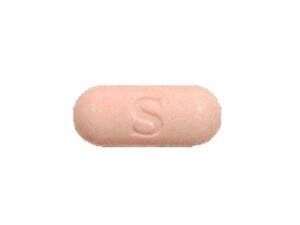
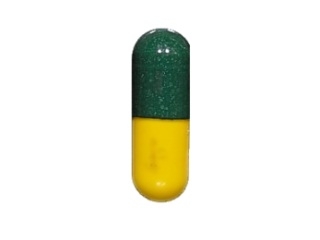
What it looks like / strength: Your pack will show the strength and dosage form. Strengths and presentation can vary by local supply. Check your box carefully.
Who supplies it: In the UK, medicines are supplied through registered pharmacies and wholesalers. Availability can change over time due to manufacturing and distribution.
How Loxitane works (mechanism of action)
Loxapine helps manage symptoms related to psychotic disorders by affecting brain chemicals involved in perception, mood, and behaviour. Like other typical antipsychotics, it primarily acts by blocking dopamine (D2) receptors in the brain. Dopamine pathways are closely linked to symptoms such as hallucinations and delusional thinking.
The overall clinical effect is not immediate. Your symptoms may start to improve gradually, while your body also adapts to the medicine over days to weeks. Some people experience improvements earlier, while others need longer.
Typical uses in the UK
Loxitane is used for conditions in which antipsychotic treatment is appropriate. The exact use and suitability depend on your diagnosis, medical history, and the advice of your healthcare team.
- Schizophrenia and other psychotic disorders: to help reduce psychotic symptoms.
- Acute agitation or behavioural disturbance associated with psychosis, where an antipsychotic is considered necessary.
If you are unsure why you have been prescribed Loxitane, ask your pharmacist. Do not switch or stop treatment without professional guidance.
How to take Loxitane (timing and administration)
Follow the dosing schedule given to you. Your dose may be adjusted gradually to find the lowest effective dose for symptom control and tolerability.
Typical timing
- Once or multiple times daily: Depending on your dose and the formulation you have, you may take Loxitane once daily or split across the day.
- Try to keep consistent: Taking it at the same times each day helps maintain more steady blood levels.
- Evening dosing: Some people find it helps with sleep or reduces daytime drowsiness—your prescriber will advise if this applies to you.
Missed dose
- If you miss a dose, take it when you remember unless it is close to your next dose.
- Do not double up to make up for a missed tablet.
- If you are unsure, contact your pharmacist for advice.
How long to see benefit: Some symptom relief may occur within the first days, but meaningful improvement usually takes several weeks. Continue taking Loxitane as directed while monitoring your symptoms.
Dosing (general guidance)
Dosing varies widely between individuals and depends on diagnosis, age, kidney/liver function, other medicines, and side-effect risk. Only your healthcare professional can determine the right dose for you.
- Start low, go slow: Doses are often increased gradually.
- Target the lowest effective dose: Many patients do best with the smallest dose that controls symptoms.
- Ongoing review: Your clinician should review response and side effects regularly.
If you have questions about your tablet strength (for example, 5 mg, 10 mg, 25 mg—strengths vary by product), check the label or speak to your pharmacist. Do not change your dose yourself.
Food interactions
Food may affect how quickly some medicines are absorbed, but Loxitane can usually be taken with or without food. If your healthcare professional has given specific advice, follow that guidance.
- Take it the same way each day: If you normally take it with food, continue.
- Gastrointestinal effects: If you get nausea or stomach upset, taking Loxitane after food may help.
If you notice consistent side effects after eating or while fasting, let your pharmacist know.
Alcohol and medicine interactions
Alcohol
Avoid or limit alcohol while taking Loxitane. Alcohol can increase the risk of side effects such as:
- Drowsiness and sedation
- Dizziness and falls
- Reduced coordination
- Worsening of mental health symptoms for some people
Other medicines that may interact
Loxapine can interact with medicines that affect the brain, heart rhythm, or liver enzymes. Always tell your pharmacist about all medicines you take, including over-the-counter products and herbal supplements.
Examples of medicine categories to discuss include:
- Other medicines that cause drowsiness (sedatives, some antihistamines, sleeping tablets, opioid painkillers)
- Medicines that can affect heart rhythm (particularly those known to prolong QT interval)
- Antidepressants and other psychiatric medicines
- Medicines that affect liver enzymes (which can change loxapine levels)
- Parkinson’s disease medicines (may affect balance of symptoms and side effects)
If you start, stop, or change the dose of any medicine, ask your pharmacist whether any adjustment or extra monitoring is needed.
Pharmacokinetics (how the body processes Loxitane)
Pharmacokinetics describes what the body does to a medicine. While exact values can vary between individuals, the following provides a helpful overview.
- Absorption: Loxapine is absorbed after oral dosing. Food may slightly influence absorption rate for some medicines, but the clinical relevance can vary.
- Distribution: The drug distributes into body tissues, including the brain, which is part of how it exerts its effects.
- Metabolism: Loxapine is metabolised by the liver, involving enzyme systems that can be affected by other medicines and by liver function.
- Elimination: Metabolites are removed primarily through the body’s normal clearance pathways (commonly via urine and/or faeces).
- Half-life / steady state: The time to reach a steady blood level depends on dose and individual metabolism, and may take several days to longer. This is one reason dose changes may require time to show full effects.
If you have liver disease, are elderly, or take multiple medicines, you may require closer monitoring and slower dose changes.
Safety profile: important risks and side effects
Like all antipsychotics, Loxitane can cause side effects. Many people experience mild to moderate effects that improve over time, while others may need dose adjustments or a change of treatment. Report side effects early so your healthcare team can help.
Common side effects
- Drowsiness or sedation
- Dizziness or light-headedness (especially when standing up)
- Dry mouth
- Constipation
- Blurred vision
- Weight gain in some people
- Changes in appetite
Movement-related effects
Typical antipsychotics can affect movement systems. Seek medical advice promptly if you develop:
- Restlessness (akathisia)
- Tremor or muscle stiffness
- Uncontrolled movements (tardive dyskinesia), often after longer use
Serious but less common risks
- Neuroleptic Malignant Syndrome (NMS): a rare, potentially life-threatening reaction. Signs may include high fever, severe muscle stiffness, confusion, and autonomic instability (such as irregular pulse or sweating).
- Severe allergic reactions: swelling of face/lips, trouble breathing, or widespread rash.
- Heart rhythm changes: palpitations, fainting, or a sensation of irregular heartbeat may require urgent assessment.
- Fainting or falls: due to blood pressure changes or sedation.
Diabetes and cholesterol (metabolic monitoring)
Some antipsychotics can affect weight, blood sugar, and lipids. Your clinician may arrange blood tests (for example, glucose/HbA1c and cholesterol) before and during treatment.
When to seek urgent help
Contact emergency services or seek urgent medical attention if you experience:
- High fever with severe muscle stiffness
- Difficulty breathing, severe rash, or facial/lip swelling
- Fainting, chest pain, or severe palpitations
- Sudden severe confusion or marked deterioration
Practical use tips (daily life support)
- Get up slowly: If you feel dizzy, move gradually from lying to sitting to standing.
- Manage constipation: Hydrate well, eat fibre, and consider asking your pharmacist about suitable bowel-support options.
- Check driving and machinery: Loxitane may cause drowsiness—avoid driving if you feel sleepy or have slowed reaction time.
- Keep a symptom diary: Note changes in sleep, agitation, hallucinations, mood, and any side effects. This helps your clinician adjust treatment.
- Don’t stop suddenly: Stopping antipsychotics abruptly can lead to symptom return. If you need to stop, tapering may be considered.
- Hydration and heat: Antipsychotics can affect temperature regulation. Take extra care during hot weather or heavy exercise.
Pharmacy and adherence advice
Taking antipsychotic medicine consistently is important for symptom control. If you struggle to remember doses:
- Use a daily medication organiser (dosette box)
- Set phone reminders
- Try linking a dose to a routine (for example, after breakfast)
- Ask your pharmacist about blister packs if available
Alternative options
There are multiple antipsychotic medicines available. The best option depends on your diagnosis, prior treatment response, and side-effect profile. Your healthcare team may consider:
- Other typical (first-generation) antipsychotics (used in specific circumstances)
- Atypical (second-generation) antipsychotics (often chosen for certain safety/tolerability considerations)
- Non-medication supports alongside medication, such as psychological therapies and community support
If you experience side effects with Loxitane, do not switch on your own. Ask your pharmacist or prescriber about suitable alternatives and how to transition safely.
UK market and legal/regulatory context
In the United Kingdom, antipsychotic medicines like loxapine are regulated to ensure quality, safety, and effectiveness. Medicines may be supplied with specific prescribing and dispensing requirements depending on product licensing and local availability.
Supply and brand availability: Product availability may vary between pharmacies. If Loxitane is not available immediately, your pharmacy may be able to order it through their suppliers or discuss an alternative.
Safety monitoring expectations: UK healthcare teams commonly monitor side effects and physical health parameters during antipsychotic treatment. For example:
- Weight, BMI, and waist circumference where appropriate
- Blood pressure
- Blood glucose and lipid profile
- Movement-related side effects
- Assessment of sedation and functional impact
Recent guidance (high-level): UK mental health guidance generally emphasises using antipsychotics appropriately—tailoring dose to the lowest effective level, monitoring physical health, and reviewing ongoing need regularly. If you are already in treatment, ask your clinician when your next review will be.
Delivery and availability (UK online pharmacy considerations)
Availability can differ by stock levels and supplier schedules. Many online pharmacies in the UK dispatch medicines in secure packaging and may offer tracking. Delivery times depend on your location and the pharmacy’s fulfilment process.
- Check stock status: Some products show “in stock” while others may be “orderable” with expected delivery windows.
- Packaging: Look for tamper-evident outer packaging and correct labels.
- Delivery address accuracy: Ensure your delivery details are correct to prevent delays.
- Cold chain: Loxitane tablets do not typically require cold storage; follow the storage instructions on your pack.
If Loxitane is temporarily unavailable, your pharmacy may offer guidance on alternatives or re-order options.
Storage
- Store at the conditions stated on the pack (often below 25°C, but follow your label).
- Keep in the original packaging until you take your doses.
- Keep out of sight and reach of children.
- Do not use after the expiry date on the box.
- Dispose of unused medicine safely—ask your pharmacist for local guidance.
FAQ
1) How quickly will Loxitane start working?
Some improvement may be noticed within the first days, but it often takes several weeks to see the full benefit. If you feel worse or develop new severe symptoms, contact your healthcare team promptly.
2) Can I take Loxitane with food?
Usually, yes. Many people take it with food if they experience stomach upset. Try to take it consistently the same way each day.
3) Will Loxitane make me drowsy?
Drowsiness can occur, particularly when starting or when your dose is increased. Avoid driving or operating machinery until you know how it affects you.
4) Is it safe to drink alcohol while taking Loxitane?
It’s best to avoid alcohol or keep it to a minimum because alcohol can increase sedation, dizziness, and the risk of falls and other side effects.
5) What should I do if I miss a dose?
Take it when you remember unless it’s almost time for your next dose. Do not double. If unsure, ask your pharmacist.
6) What side effects should worry me?
Seek urgent medical attention for severe allergic reactions, symptoms suggesting Neuroleptic Malignant Syndrome (high fever, severe muscle stiffness, confusion), fainting, chest pain, severe palpitations, or marked breathing difficulty.
7) Does Loxitane interact with other medicines?
Yes. Tell your pharmacist about all medicines (including over-the-counter and herbal products). Particular caution is needed with drugs that cause drowsiness or can affect heart rhythm.
8) Can I stop Loxitane suddenly?
Do not stop suddenly unless instructed by a clinician. Stopping may worsen symptoms and can cause withdrawal-type effects in some people. Your clinician may recommend a gradual reduction.
9) What monitoring might I need while taking Loxitane?
Monitoring commonly includes physical measurements (weight, blood pressure), blood tests for metabolic health (glucose/lipids) as appropriate, and regular reviews for movement-related side effects and overall mental health response.
10) Are there alternatives if I cannot tolerate Loxitane?
Yes. Depending on your condition and side-effect profile, your healthcare team may consider another antipsychotic or an alternative treatment strategy.
Important: This information is for general guidance and does not replace personalised advice from healthcare professionals. If you have concerns about side effects, interactions, or your treatment plan, speak to a pharmacist or other qualified healthcare professional.