

Clomipramine (Clomipramine hydrochloride) – Patient Guide (United Kingdom)
Clomipramine is a medicine used to treat certain mental health conditions, particularly obsessive-compulsive disorder (OCD). It belongs to a group of antidepressant medicines known as tricyclic antidepressants (TCAs). In some people, it can also help with symptoms such as persistent intrusive thoughts, compulsive behaviours, and anxiety-related features.
This guide explains how clomipramine works, how it is taken, what to expect, and important safety information. It is written for patients and aims to be clear and practical. If you have any questions, speak to a healthcare professional.
Basic product information
| Information | Details |
|---|---|
| Generic name | Clomipramine |
| Medicine class | Tricyclic antidepressant (TCA) |
| Common uses | Obsessive-compulsive disorder (OCD), and in some settings other compulsive/anxiety-related conditions |
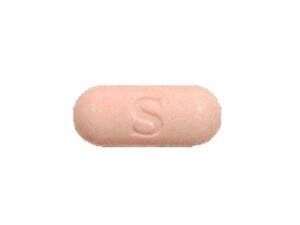
| Typical forms | Tablets or capsules (strengths vary by product) |
| How it is usually taken | Once or divided doses daily, depending on your regimen |
| Onset of benefit | Often gradual; noticeable improvement may take a few weeks |
Mechanism of action (how clomipramine works)
Clomipramine mainly works by affecting brain chemicals involved in mood and thought processes, particularly serotonin. It increases the activity of serotonin in the brain by inhibiting serotonin reuptake (a “recycling” process).
It also has effects on other neurotransmitters, which may contribute to both its benefits and its side effects. This multi-action profile is one reason clomipramine can be effective for OCD, which often involves persistent, unwanted thoughts (obsessions) and repetitive behaviours (compulsions).
Pharmacokinetics (how the body handles clomipramine)
Pharmacokinetics describes what happens after you take clomipramine—how it is absorbed, processed, and removed from the body. While exact values can vary between people, the key points are:
- Absorption: Clomipramine is absorbed after oral dosing.
- Metabolism: It is metabolised mainly by the liver, producing active metabolites.
- Elimination: The medicine and its metabolites are cleared from the body over time, primarily via the kidneys and bile.
- Half-life: The drug and metabolite levels fall gradually, which is why it can be taken daily and why missed doses may still have some effect.
Because liver metabolism plays an important role, other medicines and liver conditions can influence how well clomipramine works and how safe it is.
Typical use and what it is prescribed for
In the UK, clomipramine is used most commonly for obsessive-compulsive disorder (OCD). It may be recommended when OCD is severe, persistent, or significantly impacts daily functioning.
Depending on clinical circumstances, healthcare professionals may also consider clomipramine for other conditions involving intrusive thoughts or compulsive patterns. However, OCD remains the best-known and most typical indication.
How it may help OCD symptoms
- Reducing obsessions: fewer persistent intrusive thoughts and urges.
- Reducing compulsions: decreased need to repeat behaviours or mental rituals.
- Improving daily life: improved ability to focus, work, study, and manage routines.
Timing: when and how to take clomipramine
The timing of your dose can affect side effects such as sleepiness or drowsiness. Many people find it helpful to take clomipramine at the same time(s) each day, every day.
Common practical scheduling
- Once daily: often taken in the evening if it causes drowsiness.
- Divided dosing: if your regimen uses two doses per day, some people take one in the morning and one in the evening.
Missed dose: If you forget a dose, take it as soon as you remember unless it is close to the next dose. Do not take a double dose to make up for the missed one. If you are unsure, follow the advice from your prescriber or pharmacist.
Dosing: what is typical (general information)
Clomipramine dosing is individual and depends on factors such as age, other medicines, response, and tolerance. In many treatment plans, the dose is started low and increased gradually to reduce side effects.
Important: Always follow the exact dosing instructions provided with your medication. The information below is general and should not replace your personalised plan.
General titration approach
- Start low: to improve tolerability.
- Gradual increase: to reach the dose that balances benefit and side effects.
- Ongoing adjustments: dose may be adjusted after you have time to respond.
- Long-term review: your clinician will regularly review how well it is working and whether it is still needed.
Duration of treatment
For OCD, clomipramine may take time to work. Some improvements can appear within the first few weeks, but fuller benefit often requires longer treatment. If you feel no benefit early on, it may be too soon to judge, but it is essential to report your progress to your healthcare professional.
Food interactions (taking clomipramine with meals)
Clomipramine can generally be taken with or without food. For many people, taking it consistently in relation to meals can help maintain a steady routine.
- Consistency is key: take it the same way each day (with or without food) unless your pharmacist advises otherwise.
- Stomach upset: if you experience nausea, taking clomipramine after food may help.
- Grapefruit and some beverages: While grapefruit is more strongly associated with some other medicines, it is a good practice to check with a pharmacist if you consume foods or drinks known to affect liver enzymes.
Alcohol interactions and warnings
Alcohol can worsen side effects of clomipramine, including sleepiness, dizziness, impaired concentration, and may increase the risk of harm (for example, falls or accidents). Alcohol may also affect mental health stability.
- Avoid or limit alcohol: it is usually safest to avoid alcohol while starting clomipramine or when adjusting the dose.
- Driving and machinery: do not drive or operate machinery if clomipramine makes you drowsy.
- If you drink regularly: discuss this with your pharmacist or prescriber to tailor safe advice.
Medicine interactions (important safety information)
Clomipramine can interact with other medicines. Some interactions may increase the risk of side effects or serious complications. Always tell your healthcare team about all medicines you take, including over-the-counter products and herbal remedies.
Common interaction categories
- Other medicines that affect serotonin: combining with other serotonergic drugs can increase the risk of serotonin-related side effects.
- Medicines that affect heart rhythm: clomipramine can affect electrical activity in the heart in susceptible individuals; combining with other QT-prolonging medicines may raise risk.
- Medicines that inhibit liver enzymes: certain drugs can raise clomipramine levels, increasing side effects.
- Medicines that cause sedation: combining with sedatives can increase drowsiness.
- Medicines for nausea or certain infections: some may also affect heart rhythm or liver metabolism; check with a pharmacist.
Herbal and over-the-counter items
- St John’s wort: may affect serotonin levels and liver enzymes; generally should be avoided unless your clinician advises otherwise.
- Decongestants: some cold remedies can worsen anxiety or affect heart rate and blood pressure.
- Sleep aids: may increase sedation.
If you are unsure whether a product is safe with clomipramine, speak to a pharmacist before taking it.
Indications (when clomipramine is used)
The main indication for clomipramine is obsessive-compulsive disorder (OCD). It may be used in adults and sometimes in other age groups depending on local clinical practice and suitability.
In clinical settings, clomipramine may also be considered for related conditions when the pattern of symptoms resembles that seen in OCD. Your healthcare professional will decide whether it is an appropriate choice for you.
Safety profile: what to know before and during treatment
Like all medicines, clomipramine can cause side effects. Many people experience mild or manageable effects that improve over time, but some side effects require medical attention.
Common side effects
- Drowsiness or fatigue
- Dizziness
- Dry mouth
- Constipation
- Nausea
- Blurred vision
- Increased sweating
- Weight changes (varies between individuals)
- Reduced appetite or, in some cases, increased appetite
Serious side effects: seek urgent help
Contact urgent medical services or seek emergency help if you experience any of the following:
- Signs of an allergic reaction: swelling of the face/lips, difficulty breathing, severe rash
- Chest pain, fainting, or severe palpitations
- Seizures
- Severe agitation, confusion, fever, or muscle stiffness (possible serotonin-related reactions)
- Severe worsening of mood or suicidal thoughts
When extra monitoring is needed
- Heart disease or risk factors (including a history of abnormal heart rhythms)
- Electrolyte problems (such as low potassium or magnesium)
- Liver impairment
- Other medicines that may affect the heart or liver enzymes
Stopping clomipramine
Do not stop clomipramine suddenly unless your clinician advises it. Stopping suddenly can cause withdrawal-type symptoms. If you need to discontinue, your prescriber will usually suggest a gradual reduction (“tapering”).
Practical use tips for patients
- Give it time: OCD improvement is often gradual. Continue as directed and track changes in symptoms.
- Manage drowsiness: if you feel sleepy, taking the dose in the evening may help (confirm with your pharmacist).
- Combat constipation: drink fluids, eat fibre, and consider stool-softening measures if needed.
- Be cautious with driving: avoid driving until you know how clomipramine affects you.
- Keep hydrated: dry mouth is common; consider sugar-free drinks and oral care.
- Don’t mix with alcohol: especially during the initial period and dose changes.
- Maintain regular routines: taking it at the same time daily can improve consistency.
- Report side effects early: many side effects can be managed with dose adjustment or supportive measures.
Alternative options (what else might be used for OCD)
Treatment plans for OCD commonly combine medication with psychological therapy, often cognitive behavioural therapy (CBT) with exposure and response prevention (ERP). If clomipramine is not suitable or not effective, there are alternative medicines and approaches.
Medication alternatives
- SSRIs (selective serotonin reuptake inhibitors): such as sertraline, fluoxetine, paroxetine, or citalopram, depending on individual factors.
- Other TCAs: some people may be considered for alternative tricyclics, although clomipramine is the better-known option for OCD.
Non-medicine approaches
- CBT with ERP: recommended for many people and can be highly effective.
- Supportive therapies: structured coping strategies and skills to manage urges and intrusive thoughts.
- Lifestyle support: sleep, stress management, and regular activity can reduce symptom intensity.
A healthcare professional can help choose alternatives based on your medical history, other medications, and preferences.
UK market and legal context (overview)
In the United Kingdom, clomipramine is regulated as a prescription-only medicine. Availability is provided through NHS pathways and private healthcare, with medicines supplied by pharmacies. Pharmacy services may offer patient counselling, medication review, and support to help you take your treatment safely.
If you order online, you should expect standard pharmacy checks such as identity verification and medication suitability considerations. Reputable UK pharmacies operate under strict regulatory requirements covering storage, dispensing accuracy, patient safety, and information governance.
Recent guidance (UK context)
National guidance for OCD in the UK generally emphasises:
- First-line psychological therapy such as CBT with ERP where available
- Medication options, often SSRIs, where therapy alone is insufficient or not appropriate
- Careful monitoring for side effects and overall response
Treatment choices may vary by severity, previous response, and individual tolerability. Your healthcare professional can explain why clomipramine may be chosen in your situation.
Delivery and availability (what to expect from an online pharmacy in the UK)
Availability can vary based on tablet/capsule strength and current supply. Many UK online pharmacies aim to dispatch orders promptly once stock is confirmed.
Typical delivery considerations
- Dispatch times: often depend on whether your item is in stock.
- Delivery options: some services offer standard and express delivery.
- Packaging: medicines are usually sent in appropriate protective packaging.
- Storage on arrival: store as directed on the label (often cool, dry conditions away from direct sunlight).
If you have urgent symptoms or concerns about access to medication, contact the pharmacy. Do not run out of treatment without medical advice, as stopping suddenly can be problematic.
FAQ: Clomipramine questions patients commonly ask
1) How long does it take for clomipramine to work for OCD?
Improvement is usually gradual. Some people notice changes within a few weeks, but meaningful benefit often takes longer. Keep taking it as directed and discuss progress with your clinician.
2) Will clomipramine make me feel sleepy?
Drowsiness is a common side effect. If it affects you, taking it in the evening may help—confirm your best timing with a pharmacist. Avoid driving or operating machinery until you know how you respond.
3) Can I take clomipramine with food?
Usually yes. If you feel nauseated, taking it with or after food may be more comfortable. Aim for consistent timing day-to-day.
4) Is it safe to drink alcohol while taking clomipramine?
It is generally best to avoid or strictly limit alcohol because it can worsen drowsiness, dizziness, and judgement. Alcohol can also affect mental health stability.
5) What should I do if I miss a dose?
Take it when you remember unless it is close to the next dose. Do not take a double dose. If you are unsure, contact your pharmacist for advice.
6) Can I stop clomipramine suddenly?
Stopping suddenly may cause withdrawal-type symptoms. Discontinue only with medical guidance, usually by gradually reducing the dose.
7) Are there any medicines I must avoid?
Many medicines may interact with clomipramine, especially those affecting serotonin levels, heart rhythm, or liver metabolism. Always check with a pharmacist before starting or stopping anything new, including herbal products.
8) What side effects are most important to watch for?
Seek urgent help for signs such as fainting, severe palpitations, chest pain, seizures, severe allergic reactions, or symptoms suggesting serotonin-related reactions. For persistent or troubling side effects (e.g., severe constipation, significant drowsiness), contact your pharmacist or clinician.
9) Will I need monitoring?
Monitoring needs vary. If you have heart risk factors or other concerns, your clinician may consider additional checks. Reporting side effects and any new symptoms promptly is important.
10) What if clomipramine doesn’t help me?
Response can take time, and dosing may need adjustment. If there is no benefit after an appropriate trial, discuss alternatives including different medication options and psychological therapies.
Summary
Clomipramine is a tricyclic antidepressant used mainly for obsessive-compulsive disorder (OCD). It works largely by increasing serotonin activity and can help reduce obsessions and compulsions over time. Because it may cause drowsiness, constipation, and other effects, and can interact with some medicines and alcohol, it is important to follow your treatment plan carefully and seek advice if anything feels wrong.
For personalised guidance on suitability, dosing, interactions, and side-effect management, speak to a healthcare professional or pharmacist.