
Buspirone (Buspirone Hydrochloride) — Patient Information (UK)
Buspirone is a medicine used to treat symptoms of generalised anxiety disorder (GAD). It is an anxiolytic (anti-anxiety medicine) that works differently from benzodiazepines, and it is not habit-forming in the way many sedative anti-anxiety medicines can be. This guide explains how buspirone works, when it takes effect, how to take it safely, and what to expect in everyday life.
This information is written for patients in the United Kingdom and is intended to help you understand your medicine. Always follow the advice given by your healthcare professional.
Basic product information
- Active ingredient: Buspirone (commonly as buspirone hydrochloride)
- Medicine type: Anti-anxiety medicine (anxiolytic)
- Common form: Oral tablets (strengths vary by brand/generic)
- Typical dosing schedule: Usually divided doses across the day
- Onset: Gradual improvement over days to weeks
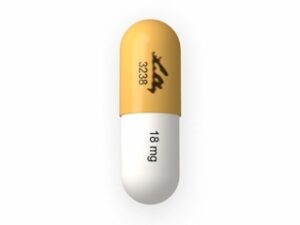
Brand and strengths: Buspirone may be available as a generic product with different strengths depending on availability. Your pharmacist can confirm the exact product you’re receiving.
How buspirone works (mechanism of action)
Buspirone affects several chemicals in the brain involved in anxiety and stress response, particularly the serotonin system and dopamine signalling.
- Serotonin (5-HT1A) receptor activity: Buspirone has a partial agonist effect on 5-HT1A receptors. This helps reduce anxiety symptoms over time.
- Balance of neurotransmitters: By modulating serotonin activity, buspirone indirectly influences other pathways involved in mood and anxiety.
- Non-benzodiazepine approach: Buspirone does not work in the same way as benzodiazepines and generally does not produce the same rapid calming effect or strong sedation.
Key takeaway: Because its effects develop gradually, buspirone is usually used for ongoing anxiety rather than immediate relief during a panic surge.
Pharmacokinetics (how the body processes buspirone)
“Pharmacokinetics” describes what the body does to a medicine—how it is absorbed, distributed, metabolised, and eliminated.
- Absorption: Buspirone is absorbed after oral dosing, but bioavailability can be influenced by food and individual metabolism.
- Distribution: It distributes into body tissues; it is protein-bound to a moderate extent.
- Metabolism: Buspirone is mainly metabolised in the liver, with involvement of CYP (cytochrome P450) enzymes. This is one reason for important interactions with some other medicines.
- Elimination: Metabolites are cleared primarily via the kidneys.
- Half-life: The drug’s half-life is typically around several hours, supporting divided daily dosing. Individual variation is common.
What this means for you: Steady daily dosing helps maintain therapeutic levels and supports gradual symptom improvement.
Typical use in the UK
Buspirone is most commonly used for:
- Generalised Anxiety Disorder (GAD): persistent excessive worry and associated symptoms such as restlessness, tension, irritability, sleep disturbance, and difficulty concentrating.
It may also be used in other anxiety-related conditions depending on clinical judgement. Your healthcare professional will confirm the intended purpose for your particular situation.
When buspirone starts working (timing)
Buspirone works gradually. Many people notice improvement after:
- 1–2 weeks: some early changes may occur
- 2–4 weeks: clearer improvement is often seen
- Up to several weeks: full benefit can take longer in some individuals
Important: If your anxiety is severe, you may need an initial plan to manage symptoms while buspirone takes effect. Don’t stop or change your dose without medical advice.
Food interactions and what to eat
Food may affect absorption. In some people, taking buspirone with meals can change how much medicine reaches the bloodstream. To reduce variability:
- Try to take buspirone the same way each day (for example, consistently with or consistently without food).
- If your prescriber or pharmacist gave specific instructions (such as “take after food”), follow those instructions.
Grapefruit and certain juices: Some citrus products can affect drug-metabolising enzymes. While the specific effect varies by medicine, it’s sensible to avoid significant grapefruit intake unless your pharmacist confirms it is safe with buspirone.
Alcohol and medicine interactions
Alcohol
Using alcohol while taking buspirone is generally not recommended. Alcohol may:
- increase dizziness or drowsiness
- worsen anxiety or sleep quality
- reduce your ability to drive or use tools safely
If you drink alcohol, ask your pharmacist or healthcare professional for personalised guidance.
Other medicines that may interact
Buspirone is processed by the liver. Medicines that affect liver enzymes may change buspirone levels, leading to either reduced effect or increased side effects.
Tell a healthcare professional about all medicines you take, including:
- prescription medicines
- over-the-counter products (including cough/cold remedies)
- herbal supplements (especially those affecting mood or liver enzymes)
- vitamins or “natural” products
Common categories that may be relevant:
- CYP3A4 inhibitors (may increase buspirone levels), e.g. some antibiotics/antifungals or certain HIV medicines
- CYP3A4 inducers (may reduce buspirone levels), e.g. some anti-epilepsy medicines and rifampicin
- Other central nervous system medicines (may add to dizziness or sedation)
- Serotonergic medicines: If you take other drugs that affect serotonin, it’s important to discuss the combination, as side effects could change
Antidepressants and anxiety medicines: Many people are treated with a combination approach under specialist guidance. However, the interaction risk and side-effect profile depend on the exact medicines involved.
Never start, stop, or adjust another medicine without checking first.
Indications (what buspirone is used for)
In the UK, buspirone is indicated for the treatment of generalised anxiety disorder (GAD) in adults.
Your clinical team may consider it in specific situations, but the most established use is GAD-related anxiety symptoms, particularly when a non-benzodiazepine option is preferred.
Dosing guidance (adults)
Dosing should always be individualised. The information below provides general guidance about how buspirone is commonly used.
| Aspect | Typical approach (general information) |
|---|---|
| Starting dose | Often started at a low dose and increased gradually depending on response and tolerability. |
| Daily schedule | Usually taken in divided doses across the day (for example, two or three times daily), because effects are maintained with multiple dosing. |
| Dose increases | May be adjusted at intervals (often every few days to weekly) based on symptom improvement and side effects. |
| Maximum daily dose | There is usually an upper limit; follow the dose limit stated for your exact product and your clinician’s advice. |
| Missed dose | Take it when you remember unless it is close to the next dose. Do not take a double dose. |
Duration of treatment: GAD typically requires ongoing management. Many people continue treatment for months, then review progress with their healthcare professional.
Stopping buspirone: Buspirone generally does not cause the same withdrawal risk as benzodiazepines, but you should still discuss stopping or reducing with your clinician to avoid symptom relapse.
Safety profile: who should be careful
Buspirone is generally well tolerated, but side effects can occur. If you have kidney or liver problems, you may need additional monitoring or dose adjustment.
Common side effects
- dizziness
- headache
- nausea or stomach upset
- light-headedness
- nervousness or restlessness (sometimes early in treatment)
- sleep disturbance
Less common but important side effects
- unusual tiredness or drowsiness
- feeling “off balance”
- changes in appetite
Seek urgent medical advice if
- you develop signs of an allergic reaction (swelling of face/lips, rash, difficulty breathing)
- you have severe or persistent confusion, fainting, or severe agitation
- you experience troubling symptoms soon after starting or changing dose—especially if they occur with other new medicines
Driving and machinery: Buspirone can cause dizziness in some people. Avoid driving or using machinery until you know how it affects you.
Practical use tips (making treatment work)
- Be patient with timing: Buspirone is not designed for instant relief. Take it consistently so it can build effect.
- Choose a routine: Link doses to daily habits (e.g., breakfast, lunch, evening) while keeping food approach consistent.
- Track symptoms: Note changes in worry, sleep, physical tension, and concentration. This helps your clinician fine-tune dosing.
- Avoid sudden changes: Don’t adjust your dose because you feel better—or worse—on a given day. Stable dosing matters.
- Be careful when starting: Early dizziness or light-headedness can occur. Take extra care standing up quickly.
- Keep a medicine list: Include prescriptions, over-the-counter products, and supplements for safe interaction checks.
Alternative options for anxiety (discuss with your clinician)
Depending on your needs and medical history, clinicians may consider several other approaches. Alternatives may include:
- Psychological therapies: e.g., Cognitive Behavioural Therapy (CBT), which is often first-line for anxiety disorders.
- Other medicines for GAD: selective serotonin reuptake inhibitors (SSRIs), serotonin-norepinephrine reuptake inhibitors (SNRIs), or other anxiolytics chosen based on suitability.
- Short-term strategies: in some cases, a short initial plan may be used while a longer-acting medicine takes effect (your clinician will decide what is appropriate).
Why buspirone may be chosen: It can be suitable when sedation is undesirable and when benzodiazepines are less suitable or not preferred. Your healthcare professional will help weigh benefits and risks.
UK market and legal context (high-level)
In the United Kingdom, buspirone products are regulated medicines. Availability may vary between brands and generics, and supply can differ by strength and manufacturer.
Regulatory oversight: Medicines in the UK are overseen by the Medicines and Healthcare products Regulatory Agency (MHRA), and prescribing decisions follow guidance from clinical bodies such as the National Institute for Health and Care Excellence (NICE) and professional prescribing standards.
Clinical guidance context: For anxiety disorders, UK practice commonly emphasises evidence-based psychological therapies and careful selection of medicines based on symptom profile, comorbidities, and tolerability.
Recent guidance and clinical updates (what to know)
While specific “recent guidance” can vary by condition updates and local protocols, UK clinical practice continues to emphasise:
- Gradual onset of non-benzodiazepine anxiolytics, with follow-up to assess benefit and tolerability.
- Shared decision-making between patient and clinician about ongoing treatment choices.
- Monitoring for interactions, especially with medicines that affect liver enzymes and other central nervous system agents.
- Reviewing treatment regularly (for example, at set intervals) to consider whether dose changes or alternative strategies are needed.
Practical message: If you’re not seeing improvement after a reasonable trial, or if side effects are troublesome, contact your healthcare professional promptly to discuss next steps.
Delivery and availability in the UK
Buspirone availability may depend on stock levels and the specific brand/generic formulation. When ordering online, you’ll typically see:
- Strength and pack size options
- Estimated delivery times shown at checkout (this varies by provider and location)
- Delivery eligibility based on UK regulations and service area
Storage at home: Store at room temperature, protected from excess heat and moisture. Keep out of the reach of children.
If you receive a medicine that looks different to what you expected (different tablet shape/colour), contact your pharmacist before taking it.
FAQ (Frequently Asked Questions)
1) How long does it take for buspirone to work?
Many people notice some improvement after 1–2 weeks, with clearer benefit often within 2–4 weeks. Full effect may take longer, and consistent daily dosing is important.
2) Can buspirone be taken with food?
You can usually take it with or without food, but food may affect absorption. For best consistency, take buspirone in the same way each day—either always with meals or always without—unless your clinician instructs otherwise.
3) Will buspirone make me feel “high” or sleepy?
Buspirone is not typically sedating like some other anti-anxiety medicines. However, dizziness or tiredness can occur, especially when starting or changing dose. Avoid driving or machinery until you know how you respond.
4) Is buspirone addictive?
Buspirone is not classically associated with the dependence seen with benzodiazepines. However, you should not stop or change doses without discussing it with a healthcare professional, because anxiety symptoms can return.
5) What should I do if I miss a dose?
Take it as soon as you remember unless it’s close to your next dose. Do not take a double dose to make up for a missed one.
6) Can I drink alcohol while taking buspirone?
It’s generally best to avoid alcohol. Alcohol may worsen dizziness and sleep and can affect anxiety control. Ask your pharmacist for personalised advice.
7) What medicines should I avoid?
Some medicines can interact by changing buspirone levels or increasing side effects. Provide your healthcare team with a complete list of medicines and supplements, especially products that affect liver enzymes (such as certain antibiotics, antifungals, seizure medicines, or HIV medicines) or other medicines that affect serotonin.
8) What if my anxiety gets worse at the beginning?
Some people notice minimal early changes before improvement. If your symptoms worsen significantly, or you feel unusually agitated, contact your healthcare professional promptly to review your plan.
9) Can buspirone be used for panic attacks?
Buspirone is mainly used for generalised anxiety disorder. Panic symptoms can be complex, and different treatments may be more suitable. If panic attacks are a major issue, ask your clinician about the best option for your pattern of symptoms.
10) Are there dietary considerations?
Consistency with meals is helpful. If you consume grapefruit or other potentially enzyme-affecting juices regularly, check with your pharmacist to confirm safety with buspirone.
Key summary
- Buspirone treats generalised anxiety disorder and works gradually.
- Expect improvement over days to weeks, not immediately.
- Take buspirone consistently and follow dose schedules carefully.
- Check for drug interactions and limit alcohol.
- If you experience worrying side effects or lack of improvement, seek advice promptly.
Remember: Your healthcare team can tailor dosing and review progress to help you get the safest and most effective benefit from buspirone.