
Lithobid (Lithium) – Patient Information (United Kingdom)
Lithobid is a medicine containing lithium. It is used mainly for stabilising mood in certain mental health conditions. This page explains what Lithobid is, how it works, how it is typically taken, key safety information, and what to consider with food, alcohol, and other medicines.
Important: Lithium is a medicine that can affect your body’s balance of salt and water and has a narrow “therapeutic range” (the range between an effective and potentially harmful level). That means monitoring is commonly required to keep levels safe and effective.
Basic product information
| Category | Details |
|---|---|
| Medicine name | Lithobid (lithium) |
| Active ingredient | Lithium (typically as lithium carbonate in many formulations; check your specific product label) |
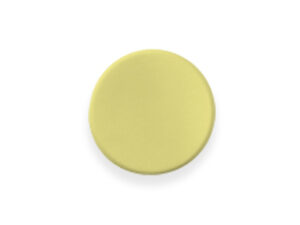
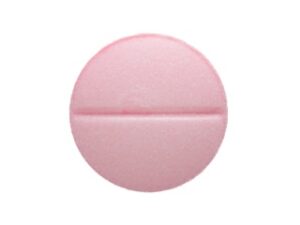
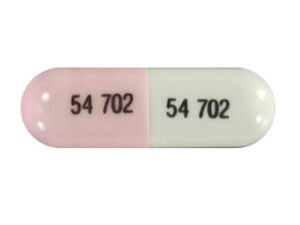
| How it may be presented | Commonly as a sustained-release/controlled-release preparation (brand details can vary by market/pack) |
| Common uses | Prevention of mood episodes in bipolar disorder; sometimes used for certain mood-related conditions under specialist care |
| Monitoring | Blood tests for lithium level, kidney function, and thyroid function are often needed |
What Lithobid is used for (indications)
Lithobid is used to help treat or prevent episodes related to bipolar disorder (also called manic-depressive illness). In many people, lithium is used for maintenance—helping reduce the risk of future mood episodes.
Depending on individual circumstances and local clinical practice, lithium may be used in:
- Prevention (maintenance) of manic and depressive episodes in bipolar disorder
- Acute management of some manic episodes in certain settings, often alongside other treatments when needed
- Augmentation strategies for treatment-resistant depression are sometimes considered by specialists (practice varies)
Who should use it? Lithobid is generally for adults, though the suitability of lithium in adolescents or children depends on specialist assessment and safety monitoring.
How Lithobid works (mechanism of action)
Lithium’s exact mechanism of action is complex and not fully understood. It affects signalling pathways inside brain cells and influences neurotransmitters and second-messenger systems.
Key proposed mechanisms include:
- Modulating neurotransmission involved in mood regulation
- Influencing intracellular signalling (second messenger pathways)
- Stabilising neuronal activity to reduce mood “switching” between mania/hypomania and depression
- Effects on circadian and cellular stress responses that may help prevent relapses
What to expect: For mood stabilisation, lithium often takes time to reach steady effectiveness. It is typically continued long term if it’s helping prevent relapse.
Pharmacokinetics (how the body handles lithium)
Understanding pharmacokinetics can help explain why monitoring and consistent dosing are important.
- Absorption: Lithium is absorbed from the gut. For controlled-release forms, absorption is slower and more gradual.
- Distribution: Lithium distributes into body fluids, including the brain, and is not significantly metabolised by the liver.
- Elimination: Lithium is cleared mainly by the kidneys through urine.
- Half-life: Lithium is relatively long-acting. Its levels change slowly, so missed doses or sudden changes in hydration can have delayed effects.
- Steady state: It may take several days to reach steady concentrations in the body, depending on kidney function and formulation.
Why this matters: Because lithium is cleared by the kidneys and depends on your body’s salt and water balance, dehydration, vomiting/diarrhoea, and changes in salt intake can raise lithium levels.
Typical timing and how to take Lithobid
How you take Lithobid depends on your specific formulation and your prescribed schedule. If you have controlled-release tablets, the aim is for a slower release into the bloodstream.
General advice:
- Take at the same times each day to help keep levels consistent.
- Do not crush or split controlled-release tablets unless your pharmacist or prescriber advises it.
- Follow the instructions on your label.
- If you miss a dose, do not double to make up for it. Ask your pharmacist what to do in your specific situation.
Onset: Some people may feel changes within days, but for maintenance of mood stability it often takes several weeks and careful dose adjustment guided by blood tests.
Food interactions and dietary considerations
Food itself is not usually the main issue, but diet and hydration can influence lithium levels.
- Salt (sodium) intake matters: Large changes in salt intake can affect lithium levels. People should avoid sudden, major reductions in salt (for example, starting strict low-salt diets) without medical advice.
- Hydration is key: Staying adequately hydrated helps the kidneys clear lithium.
- Consistent routine: Keeping a consistent eating pattern and drinking enough fluids can help maintain stable lithium concentrations.
Special situations: If you are fasting for religious reasons, have dietary changes, or have planned surgery, discuss it with your clinician or pharmacist. A short-term change may still affect lithium.
Alcohol and medicine interactions
Alcohol: Drinking alcohol is not always strictly forbidden with lithium, but it can indirectly increase risk by contributing to dehydration, worsening sleep, or affecting judgement. In people with mood disorders, alcohol may also affect stability of symptoms.
- Best practice: Keep alcohol intake minimal and consistent, and avoid binge drinking.
- Be extra cautious if you’re unwell, vomiting, or have diarrhoea—avoid alcohol during these periods.
Important medicine interactions: Some medicines can raise lithium levels or increase the risk of kidney side effects. Tell your pharmacist about all medicines you take, including over-the-counter products and herbal remedies.
Particularly important interaction groups include:
- Non-steroidal anti-inflammatory drugs (NSAIDs) such as ibuprofen and naproxen (may increase lithium levels)
- ACE inhibitors and angiotensin receptor blockers (ARBs) used for blood pressure or heart conditions (may increase lithium)
- Diuretics (“water tablets”), especially thiazide diuretics (can raise lithium)
- Other medicines affecting kidney function or fluid balance
- Some antidepressants/antipsychotics and mood-related drugs (interaction risk varies; specialist advice is important)
Herbal products: Some herbal products may affect kidney function or fluid balance. If in doubt, ask your pharmacist.
Dosing: typical approach and what to expect
Dosing is individual. Lithium levels need monitoring because the safe and effective dose depends on factors such as kidney function, hydration, age, other medicines, and formulation.
Key principles:
- Start low and adjust carefully based on blood tests.
- Regular lithium blood tests are typically used to find the dose that achieves symptom control without toxicity.
- Target levels: The exact target range depends on what you’re treating (maintenance vs acute symptoms) and your clinician’s plan. Do not aim for higher levels yourself.
- Timing of blood tests: If you take a controlled-release form, clinicians often schedule blood tests at a specific time after your last dose to interpret levels correctly.
Practical dose consistency:
- Try to keep your daily routine consistent.
- Report any illness that causes dehydration (fever, vomiting, diarrhoea) promptly, as you may need advice about holding or adjusting doses.
Note: This page does not provide a personalised dosing schedule. Your prescriber or clinic will tailor your dose and monitoring plan.
Safety profile and risk of side effects
Lithium can be very effective, but it requires careful monitoring. The main safety considerations involve kidneys, thyroid, neurological effects, and electrolyte/hydration changes.
Common or expected side effects
Some people experience side effects, especially when starting treatment or when dose changes:
- Tremor (shakiness)
- Thirst and increased urination
- Nausea or mild stomach upset
- Weight change (either direction)
- Fatigue or feeling slowed down
- Fine coordination changes in some individuals
Serious risks (seek urgent help if concerned)
Lithium toxicity can be life-threatening. Seek urgent medical help (for example, NHS 111 or emergency services) if you develop symptoms that may suggest toxicity, such as:
- Severe or worsening tremor or unsteadiness
- Slurred speech
- Confusion, severe drowsiness, or agitation
- Severe vomiting or diarrhoea
- Severe dizziness or fainting
- Fits/seizures
When toxicity is more likely:
- Dehydration
- Vomiting/diarrhoea
- Kidney impairment
- Sudden changes in salt intake
- Drug interactions that raise lithium levels (e.g., certain NSAIDs, diuretics, ACE inhibitors)
Long-term safety monitoring
Because lithium can affect the thyroid and kidneys, monitoring is an essential part of safe use:
- Kidney function: blood tests (creatinine/eGFR) and urine assessments when needed
- Thyroid function: thyroid blood tests, especially if symptoms suggest underactive thyroid
- Lithium blood level: to ensure it stays in the target range
Practical use tips for safer results
- Keep your blood tests organised: attend scheduled monitoring appointments and ask when your next test is due.
- Maintain hydration: drink enough fluids, especially during hot weather or exercise.
- Plan for “sick days”: if you develop vomiting, diarrhoea, fever with sweating, or you cannot keep fluids down, contact your healthcare team promptly for advice. Do not wait for symptoms to worsen.
- Be consistent with salt intake: avoid sudden dietary changes unless advised.
- Check new medicines: before starting an OTC painkiller, cold remedy, or diuretic, ask whether it could interact with lithium.
- Use one pharmacy where possible: so pharmacists can check interactions across your medicines.
- Report side effects early: especially new tremor, persistent diarrhoea, unusual drowsiness, or worsening coordination.
- Keep track of caffeine and dehydration risks: caffeine isn’t always a direct interaction, but excessive intake combined with dehydration can be unhelpful for overall stability.
Alternative options (depending on your situation)
Lithium is one of several mood-stabilising options. Alternatives may include:
- Anticonvulsants used as mood stabilisers (e.g., valproate, lamotrigine—suitability varies, and valproate has important pregnancy-related restrictions)
- Atypical antipsychotics used for bipolar maintenance in some patients (choice depends on symptoms and risk profile)
- Psychological therapies alongside medication (for relapse prevention and coping strategies)
Your clinician will recommend alternatives based on your history, symptom pattern, side-effect tolerance, other medical conditions (especially kidney/thyroid health), and lifestyle factors.
UK market and legal/regulatory context
In the United Kingdom, lithium-containing medicines are regulated and provided through established supply routes. Medicines are classified by the Medicines and Healthcare products Regulatory Agency (MHRA) and licensed by the relevant authority.
Online pharmacy services generally follow UK medicines distribution rules, including appropriate checks of medicine eligibility, safety information, and medicine supply processes. For lithium, safe supply typically relies on appropriate patient information, accurate dosing instructions, and awareness of monitoring needs due to potential toxicity risks.
Pharmacovigilance: As with all medicines, the UK has systems for reporting suspected side effects via the Yellow Card Scheme and through healthcare professionals.
Recent guidance and monitoring updates (what patients should know)
Guidance for lithium tends to emphasise:
- Regular therapeutic drug monitoring (lithium blood level)
- Kidney and thyroid checks at intervals, with more frequent checks in high-risk situations
- Medication interaction awareness, especially NSAIDs, diuretics, and medicines affecting the renin–angiotensin system
- Safety planning for dehydration and illness (“sick day rules”)
Because guidance and clinical practice can evolve, it’s important to follow the monitoring schedule provided by your own healthcare team.
Delivery and availability (United Kingdom)
Availability can depend on stock levels, formulation strength, and local supply. If Lithobid is in stock, online pharmacies in the UK typically offer:
- Standard delivery with estimated timescales shown at checkout
- Tracking updates via email or SMS
- Cold/temperature requirements are usually not an issue for standard lithium tablets, but always follow storage instructions on your packaging
Packaging and storage: Store according to the label (commonly at room temperature, protected from excessive heat and moisture). Keep medicines out of sight and reach of children.
FAQ – Frequently asked questions
1) Why do I need blood tests with Lithobid?
Lithium is cleared by the kidneys and levels can change with hydration, kidney function, and interacting medicines. Blood tests help ensure your lithium level stays within a safe and effective range and also check kidney and thyroid health.
2) What happens if I miss a dose?
Do not double up. The best next step depends on how close you are to the next dose and your dosing schedule. Ask your pharmacist for specific advice for your situation.
3) Can I stop Lithobid suddenly?
Stopping lithium can increase the risk of relapse. Any changes should be discussed with your clinician. If you feel unwell or suspect toxicity, seek prompt medical advice.
4) What should I do if I get vomiting or diarrhoea?
Vomiting/diarrhoea can cause dehydration, which may raise lithium levels. Contact your healthcare team promptly for advice. Don’t assume it will be fine to continue without guidance.
5) Are painkillers safe to take with lithium?
Some painkillers, particularly certain NSAIDs (e.g., ibuprofen), may increase lithium levels. Paracetamol may be safer for some people, but you should still check with your pharmacist—especially if you have kidney problems or are changing doses.
6) Can I drink alcohol while taking Lithobid?
It’s best to keep alcohol minimal and avoid binge drinking. Alcohol can contribute to dehydration and may worsen mood stability. Avoid alcohol if you are unwell or dehydrated.
7) Does lithium interact with blood pressure tablets?
Yes, some blood pressure medicines can interact with lithium, including ACE inhibitors and some other agents. If you start or stop any prescription medicine, inform your pharmacist.
8) Will food affect Lithobid?
Food doesn’t usually directly interfere, but large changes in salt intake and hydration can affect lithium levels. Keep your diet and fluid intake consistent unless your clinician advises otherwise.
9) Can I take Lithobid if I have kidney disease?
Suitability depends on your kidney function. Lithium requires careful monitoring and may not be suitable for some people with significant kidney impairment. Discuss with your clinician and ensure monitoring is in place.
10) What symptoms suggest lithium toxicity?
Concerning symptoms include severe tremor, unsteadiness, slurred speech, confusion, significant vomiting/diarrhoea, and marked drowsiness. Seek urgent medical help if symptoms are severe or rapidly worsening.
Summary
Lithobid (lithium) is a mood-stabilising medicine used mainly in bipolar disorder for preventing relapse and stabilising episodes over time. It works by influencing brain signalling pathways and requires careful dose individualisation. Because lithium is eliminated by the kidneys and levels can change with dehydration, kidney function, salt balance, and interacting medicines, monitoring is essential.
If you have questions about how to take Lithobid safely, what to do on “sick days,” or potential interactions with your current medicines, speak to your pharmacist. They can help you understand your specific regimen and keep your treatment as safe and effective as possible.