
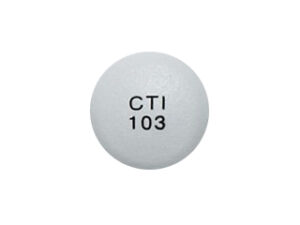
Cyclobenzaprine Hydrochloride (Cyclobenzaprine HCl) – Patient Information (UK)
Cyclobenzaprine HCl is a medicine used to help relieve painful muscle spasm and discomfort caused by acute, painful conditions of the muscles and joints. It is commonly prescribed alongside rest and other measures such as physiotherapy or physical therapy. Below is clear, patient-friendly information about what it is, how it works, how to take it safely, and what to expect.
1) Basic product information
- Medicine name: Cyclobenzaprine hydrochloride
- What it’s used for: Relief of muscle spasm associated with acute painful musculoskeletal conditions
- How it is supplied: Tablets (availability and brand names may vary in the UK)
- Typical strength: Varies by product (follow your specific pack and instructions)
- Manufacturer/marketing: Products may differ by manufacturer; always check your box/leaflet
This page gives general guidance. For your individual situation, the most important source of advice is your own medicine label and the patient information leaflet supplied with your product.
2) How Cyclobenzaprine works (mechanism of action)
Cyclobenzaprine is a centrally acting skeletal muscle relaxant. It works primarily in the central nervous system (brain and spinal cord) to help reduce muscle spasm.
While the exact mechanism is complex, cyclobenzaprine is thought to:
- Reduce signals that contribute to painful muscle tightening
- Promote a reduction in involuntary muscle activity
- Help ease discomfort and improve comfort and mobility when muscles are strained or spasm-related pain occurs
It is important to know that cyclobenzaprine is designed to be used for the short-term relief of muscle spasm and is not a cure for the underlying cause of injury. Rest, gentle movement, and targeted exercises often remain essential.
3) Pharmacokinetics (what the body does to the medicine)
“Pharmacokinetics” describes how the body absorbs, distributes, metabolises, and eliminates a medicine.
- Absorption: Cyclobenzaprine is absorbed after oral dosing. Peak (maximum) levels in blood are typically reached within several hours.
- Distribution: It distributes into body tissues, including areas affecting muscle tone.
- Metabolism: Cyclobenzaprine is extensively metabolised in the liver.
- Elimination: Metabolites are excreted mainly via the kidneys (urine). A portion may also be eliminated in faeces depending on metabolism.
- Half-life: The drug has a relatively long terminal half-life, meaning it can linger in the body and contribute to drowsiness for some time after dosing.
Because of liver metabolism and the potential for drug accumulation in some people, dose adjustments or extra caution may be needed in certain circumstances (for example, older age or existing liver disease).
4) Typical uses and indications
In the UK, cyclobenzaprine is used for the symptomatic relief of muscle spasm associated with acute, painful musculoskeletal conditions, such as:
- Short-term low back pain with muscle spasm
- Neck pain or muscle strain
- Muscle spasm related to sprains/strains
- Painful conditions where spasm contributes to restricted movement
Cyclobenzaprine may be prescribed alongside other measures, for example:
- Rest (but not prolonged immobility)
- Physiotherapy or gentle stretching exercises
- Pain relief medicines such as paracetamol or ibuprofen (if suitable for you)
It is not typically used for long-term musculoskeletal pain or for chronic conditions unless a clinician specifically advises otherwise.
5) When to take it: timing and how to use daily
Cyclobenzaprine dosing schedules can differ by formulation and strength. Always follow your product label or prescriber instructions. A common pattern is dosing two to three times daily, often with a main dose in the evening due to drowsiness risk.
Practical timing tips
- Take at regular times: This helps maintain steadier effects.
- Plan for sleepiness: Many people experience drowsiness, so avoid dosing immediately before driving or operating machinery.
- If it causes morning grogginess: Consider discussing with your healthcare professional whether timing or dose needs adjustment.
- Short-term use: Follow the intended course length; do not continue longer than advised.
6) Food interactions (what you should know)
Cyclobenzaprine can generally be taken with or without food. Taking it with food may help some people with stomach discomfort.
- Absorption: Food may slightly affect absorption rate, but it usually does not meaningfully reduce effectiveness.
- Stomach upset: If you notice nausea or indigestion, try taking with a meal or snack.
If you have ongoing gastrointestinal problems or a sensitive stomach, check the leaflet provided with your specific product for any additional advice.
7) Alcohol and medicine interactions
Alcohol
Avoid or minimise alcohol
- Sleepiness and reduced alertness
- Dizziness and impaired coordination
- Falls, especially in older adults
Medicines that may interact
Cyclobenzaprine has important potential interactions, especially with medicines that affect the brain, mood, or serotonin activity, and with those that prolong the QT interval (a measure of heart electrical activity).
Tell your healthcare professional or pharmacist about all medicines you take, including over-the-counter medicines and herbal products. Particularly relevant interactions include:
- Other sedatives: e.g., opioids, benzodiazepines, some antihistamines (sedating “sleep” antihistamines), and sleeping tablets
- Monoamine oxidase inhibitors (MAOIs): must not be taken with cyclobenzaprine
- Serotonergic medicines: some antidepressants (SSRIs/SNRIs), tramadol, and other medicines that affect serotonin
- Tricyclic antidepressants (TCAs): because of overlap in effects and side effect profile
- Medicines that affect heart rhythm: those known to prolong QT or increase risk of arrhythmias
- Strong inhibitors of liver enzymes: may increase cyclobenzaprine exposure (examples can vary; a pharmacist can check)
If you start or stop any other medicine while on cyclobenzaprine, check with a healthcare professional for advice.
8) Dosing: what is typical in adults?
Doses vary depending on the patient and product strength. Always follow the instructions on your medication label.
Common adult dosing approach (general information)
- Usual starting regimen: often taken in divided doses (commonly two to three times daily)
- Maximum daily dose: depends on product guidance; do not exceed the stated maximum on your prescription/label
- Duration: often short-term, such as up to around 2–3 weeks unless a clinician advises otherwise
For older adults and certain health conditions
- Elderly patients: increased risk of side effects (including drowsiness, confusion, and falls) may require a cautious approach.
- Liver impairment: cyclobenzaprine is metabolised in the liver. Extra caution or avoidance may apply depending on severity.
- Kidney problems: because metabolites are eliminated through the kidneys, dose adjustment may be considered.
Do not adjust your dose without advice. If your symptoms do not improve within the expected time, contact a healthcare professional rather than increasing the dose.
9) Safety profile: side effects and risks
Like all medicines, cyclobenzaprine can cause side effects. Many are mild and improve as your body adjusts, but some effects can be serious. Below is a helpful overview of the safety profile.
Common side effects
- Drowsiness or tiredness
- Dizziness
- Dry mouth
- Constipation
- Blurred vision
- Headache
- Nausea
Less common but important effects
- Confusion (more likely in older adults)
- Difficulty urinating or reduced urination
- Palpitations or irregular heartbeat
Seek urgent medical advice if you experience
- Symptoms of an allergic reaction: swelling of the face/lips, rash, breathing difficulty
- Severe dizziness, fainting, or chest pain
- Signs of serotonin syndrome (more likely with certain interacting antidepressants): agitation, confusion, sweating, tremor, diarrhoea, fever, or muscle stiffness
- Severe muscle stiffness with fever or rapid heartbeat
- Marked confusion especially soon after starting or increasing dose
If you are unsure whether a symptom is serious, it is safer to seek professional advice promptly.
10) Practical use tips (how to get the best outcome safely)
Support muscle recovery
- Keep gently active: light movement and careful walking can help recovery—avoid complete bed rest unless advised.
- Use heat or cold appropriately: some people find heat relaxes spasm; cold may help if injury is very recent.
- Gentle stretches: follow advice from a clinician/physiotherapist; avoid painful stretching.
- Check posture and lifting: small adjustments can reduce strain.
Reduce drowsiness and safety risks
- Do not drive or operate machinery until you know how you react.
- Be careful at night: cyclobenzaprine can increase fall risk—keep pathways clear.
- Use caution with other sedating products: including cough/cold remedies that contain sedating antihistamines.
What if you miss a dose?
If you forget a dose, take it when you remember unless it is close to your next dose. Do not take a double dose. If you are unsure, consult your pharmacist.
11) Alternative options (what you may discuss with a clinician or pharmacist)
Alternative treatments for acute muscle spasm may include:
- Non-medicinal measures: physiotherapy, stretching, heat/cold therapy, massage, ergonomic changes
- Simple analgesics: paracetamol or non-steroidal anti-inflammatory drugs (NSAIDs) such as ibuprofen (if suitable)
- Other muscle relaxants: different muscle relaxant medicines may be considered depending on your symptoms and medical history
The best option depends on your age, other conditions (including heart rhythm issues), other medicines you take, and how severe your symptoms are. If cyclobenzaprine is not suitable, a pharmacist can help identify alternatives and check for interactions.
12) UK market and legal context (how it fits in the NHS/private supply setting)
In the UK, cyclobenzaprine is supplied in line with medicines regulations and healthcare policies. Depending on the product and your situation, it may be available through clinician assessment routes and/or other regulated supply channels. Availability may vary by formulation and local supply.
Patient safety considerations include screening for interactions (especially with antidepressants and sedatives) and assessing suitability for people with heart rhythm risks, glaucoma, urinary retention tendencies, or liver impairment.
Always use the product according to the instructions provided with your specific supply. If you are in any doubt about whether cyclobenzaprine is appropriate for you, speak with a qualified healthcare professional.
13) Recent guidance and updates (what to keep in mind)
Advice on medicines for acute musculoskeletal pain continues to evolve, with a consistent emphasis on:
- Short-term use where appropriate
- Minimising unnecessary sedation and avoiding alcohol
- Checking drug interactions, especially with antidepressants and other central nervous system depressants
- Combining medication with movement and rehabilitation
Your pharmacist can also review your current medicines for interaction risks before you start. If you have recently changed any medicines (for example, starting an antidepressant), tell the pharmacist before continuing cyclobenzaprine.
14) Delivery and availability (UK online pharmacy)
Availability of cyclobenzaprine products can vary by brand and strength. When ordering online, it helps to:
- Check the exact strength and formulation listed
- Verify that the product matches your usual supply or advice given
- Allow for usual dispatch times (weekdays may differ from weekends/bank holidays)
- Confirm delivery method and timing shown at checkout
If you need the medicine urgently or have limited mobility due to pain, consider choosing a delivery option that suits your schedule. If a product is temporarily unavailable, customer services may suggest alternative strengths/products or expected restock dates.
15) Storage and disposal
- Store: at room temperature, away from excessive heat and moisture
- Keep out of reach: from children and pets
- Check expiry: do not use after the expiry date on the pack
- Disposal: follow local guidance or take-back schemes if provided; do not flush tablets down the toilet
16) Summary table: key patient points
| Topic | What to know |
|---|---|
| Purpose | Relieves painful muscle spasm in acute musculoskeletal conditions |
| How it works | Centrally acting muscle relaxant; reduces muscle spasm signals |
| Common side effects | Drowsiness, dizziness, dry mouth, constipation |
| Alcohol | Avoid or minimise; increases sedation and dizziness |
| Food | Usually can be taken with or without food |
| Driving/machinery | Do not drive until you know how you react |
| Duration | Typically short-term for acute spasm; follow advice on course length |
| Important interactions | Sedatives, MAOIs, serotonergic medicines, and heart-rhythm affecting drugs |
17) FAQ
How quickly does cyclobenzaprine work?
Many people notice some relief within the first day or two. However, the speed of benefit can vary. If there is no improvement within the expected timeframe or symptoms worsen, contact a healthcare professional for review.
Can I take cyclobenzaprine with paracetamol or ibuprofen?
In many cases, cyclobenzaprine may be used alongside common pain relief medicines such as paracetamol or ibuprofen, provided you can take them safely. If you have ulcers, kidney problems, bleeding risk, or other contraindications, check first with a pharmacist or healthcare professional.
Will cyclobenzaprine make me sleepy?
Drowsiness is one of the most common side effects. It may affect your ability to drive or operate machinery. Alcohol and other sedating medicines can intensify this effect.
Can I drink alcohol while taking it?
It’s strongly recommended to avoid or minimise alcohol because it can increase sleepiness, dizziness, and the risk of falls.
What should I do if I feel very dizzy or confused?
Stop and seek medical advice promptly. Do not drive. Dizziness and confusion can be more likely with higher doses, older age, dehydration, or when combined with sedating medicines.
Is cyclobenzaprine safe for older people?
Older adults may be at higher risk of side effects such as sedation, confusion, and falls. A clinician may use a lower dose or avoid it depending on individual risk factors.
What if I need to start an antidepressant?
Cyclobenzaprine can interact with certain antidepressants, including those that affect serotonin activity. Tell your pharmacist or healthcare professional before starting a new antidepressant.
Can I take it if I have liver problems?
Cyclobenzaprine is metabolised in the liver. Depending on the severity of liver impairment, it may be unsuitable or require extra caution. Speak to a healthcare professional for guidance.
Is it addictive?
Cyclobenzaprine is not classically considered addictive in the way some sedatives are, but it can cause unwanted drowsiness and side effects. Follow the intended duration and do not exceed recommended dosing.
How should I store it?
Keep tablets in their original packaging, store at room temperature away from heat and moisture, and keep out of reach of children.
Important: If your pain is severe, you develop new symptoms (such as weakness, numbness, fever, loss of bladder/bowel control, or unexplained weight loss), seek urgent medical attention. For routine musculoskeletal spasm, follow the course and safety advice provided with your specific medicine.