
Celecoxib (Celecoxib) – Patient-Friendly Guide (UK)
Celecoxib is a medicine used to relieve pain and inflammation, most commonly related to conditions such as osteoarthritis and rheumatoid arthritis. It belongs to a group of medicines called NSAIDs (non-steroidal anti-inflammatory drugs), but it works in a more targeted way than many older NSAIDs. This guide explains how celecoxib works, how the body handles it, typical uses, dosing considerations, food and alcohol interactions, and key safety points to help you use it more confidently.
This page is written for people in the United Kingdom and reflects general UK prescribing and safety information. Always read the patient information leaflet (PIL) provided with your medicine and follow the advice given by a healthcare professional.
Quick product information
| Topic | Details |
|---|---|
| Generic name | Celecoxib |
| Medicinal class | NSAID (COX-2 selective) |
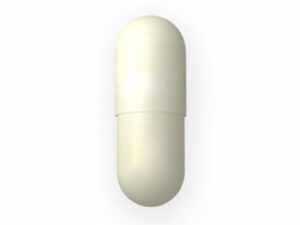
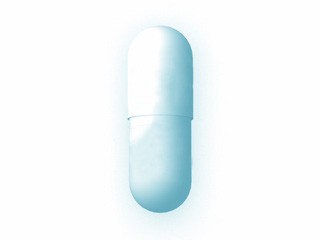
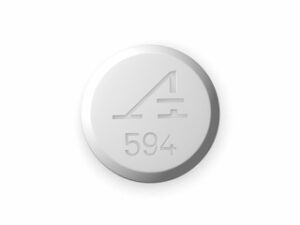
| Common forms | Capsules/tablets (strengths may vary by product) |
| Main uses | Pain and inflammation in arthritis; short-term pain in certain conditions (as authorised for the product) |
| How it helps | Reduces prostaglandins (inflammation-related chemicals) |
| Typical dosing pattern | Often once or twice daily depending on the condition and strength |
| Important safety notes | Can raise risk of stomach bleeding/ulcers; may increase cardiovascular and kidney risks in some people |
How celecoxib works (mechanism of action)
Celecoxib helps reduce pain and swelling by blocking an enzyme called COX-2 (cyclo-oxygenase-2). COX-2 is involved in producing prostaglandins, chemicals that contribute to:
- Inflammation and swelling
- Pain sensitisation (heightened pain signals)
- Fever and discomfort in inflammatory conditions (less commonly the main reason it is used)
Because celecoxib is relatively COX-2 selective, it may cause fewer stomach side effects than some non-selective NSAIDs in many people. However, it is still an NSAID, and stomach and bleeding risks can still occur.
Pharmacokinetics: how the body absorbs and processes it
Understanding pharmacokinetics can help explain timing, food effects, and when the medicine is most effective. Key points include:
- Absorption: Celecoxib is absorbed from the gut into the bloodstream. Peak levels occur a few hours after taking a dose.
- Protein binding: Celecoxib binds to blood proteins, which affects how much free medicine is available to work.
- Metabolism: It is mainly metabolised in the liver by enzymes (notably CYP pathways). This is why some medicines can interact with it.
- Elimination: It is cleared from the body primarily through liver metabolism products excreted by the kidneys and/or bile.
- Half-life (duration of action): The medicine remains in the body for a period long enough to support once or twice daily dosing depending on your condition and product strength.
Individual factors such as age, liver function, kidney function, and other medicines can change how quickly celecoxib is handled.
Typical uses in the UK
Celecoxib is used to treat pain and inflammation in certain rheumatological and musculoskeletal conditions. The exact approved use can vary by formulation and strength, but in the UK it is commonly used for:
- Osteoarthritis: reducing pain and improving function in joints affected by wear and tear.
- Rheumatoid arthritis: relieving inflammation and pain associated with autoimmune joint disease.
- Other inflammatory joint conditions (as authorised for the specific product).
Some celecoxib products or strengths may also be authorised for acute pain scenarios. Your product leaflet will specify the exact indications.
Indications (what it’s used for)
In practice, celecoxib is often considered when:
- A non-selective NSAID may not be suitable due to stomach tolerability issues, or
- There is a need for effective anti-inflammatory pain relief with a COX-2 selective profile, or
- A clinician has selected it based on your medical history, risk factors, and current medicines.
If you have a history of ulcers or bleeding, heart or stroke risk factors, kidney problems, or liver disease, celecoxib may still be used in some circumstances but with careful assessment.
Dosing: how to take celecoxib safely
The right dose depends on the condition being treated, your age, kidney/liver function, and your overall risk profile. It is important to use the lowest effective dose for the shortest necessary duration.
General dosing principles
- Follow your product leaflet: dosing instructions can differ by brand and strength.
- Do not increase dose on your own: higher doses can increase the risk of side effects.
- Take regularly for chronic conditions: osteoarthritis and rheumatoid arthritis often require steady dosing.
- Review if symptoms change: if you are not improving, speak to a healthcare professional rather than extending use indefinitely.
Typical dosing schedules (examples)
Many celecoxib regimens involve once or twice daily dosing. For example:
- Osteoarthritis: often once daily or twice daily depending on product/strength.
- Rheumatoid arthritis: often once or twice daily depending on severity and clinician guidance.
Because authorised dosing varies by product and patient factors, always confirm the exact schedule for your specific medicine. If you are unsure, check the leaflet or ask your pharmacist.
Timing: when celecoxib starts working and best daily schedule
Celecoxib typically begins to reduce pain and inflammation within hours of a dose, but noticeable benefit for arthritis may take several days. For long-term conditions, consistency matters.
Practical timing tips
- If once daily: choose a time that you can keep consistently (e.g., morning with breakfast or evening after dinner).
- If twice daily: spread doses evenly (e.g., morning and evening) to maintain steadier symptom control.
- Missed dose: take it when remembered unless it is close to your next dose. Do not double up.
- Stop and seek advice urgently if you develop severe side effects such as vomiting blood, black stools, or signs of an allergic reaction.
Food interactions: can you take celecoxib with meals?
Food can affect how quickly some medicines are absorbed. For celecoxib:
- With or without food: many people can take celecoxib with or without meals.
- Consistency helps: try to take it the same way each day (with meals or without) to keep effects predictable.
- If stomach upset occurs: taking with food may improve tolerability.
If you notice reduced effect or more discomfort when taken on an empty stomach, discuss with your pharmacist.
Alcohol and medicine interactions
Using alcohol alongside NSAIDs can increase the risk of stomach irritation, ulcers, and bleeding. Alcohol may also worsen dizziness and can strain the body if you are unwell.
Alcohol guidance
- Try to limit alcohol: particularly if you are taking celecoxib regularly.
- Avoid heavy drinking: this increases gastrointestinal and cardiovascular risks.
- If you have a history of ulcers or GI bleeding: ask a healthcare professional for specific advice.
Common medication interaction considerations
Celecoxib may interact with other medicines. The most important categories include:
- Other NSAIDs (e.g., ibuprofen, naproxen, diclofenac): generally avoid combining due to higher bleeding risk.
- Aspirin: low-dose aspirin may be prescribed for heart protection; do not stop aspirin unless advised. The combined risk of bleeding can be higher.
- Blood-thinners (e.g., warfarin): celecoxib can increase bleeding risk—monitoring may be required.
- Antiplatelet medicines (e.g., clopidogrel): may increase bleeding risk.
- Selective serotonin reuptake inhibitors (SSRIs) (e.g., sertraline, citalopram) and other antidepressants: these can raise bleeding risk when combined with NSAIDs.
- Diuretics and blood pressure medicines (ACE inhibitors/ARBs): combining can affect kidney function, especially in older adults or those who are dehydrated.
- Lithium: celecoxib can increase lithium levels, leading to toxicity.
- Methotrexate: may increase levels and toxicity depending on dose and kidney function.
- Other liver-metabolised medicines that affect CYP enzymes: these can change celecoxib levels (either increasing or decreasing effect/toxicity).
Always provide your full medicine list to your pharmacist when starting or stopping celecoxib, including over-the-counter products.
Safety profile: key warnings and who should take extra care
Like all NSAIDs, celecoxib can cause side effects. Many people tolerate it well when used correctly, but it is important to be aware of potential risks.
Common side effects
- Indigestion, heartburn, stomach discomfort
- Headache
- Dizziness
- Swelling in the hands/feet (fluid retention)
- Raised blood pressure in some people
Serious side effects (seek urgent medical help)
- Signs of stomach or bowel bleeding: vomiting blood, black tarry stools, blood in stool, severe persistent abdominal pain
- Allergic reaction: facial/lip swelling, wheezing, severe rash, breathing difficulties
- Chest pain, shortness of breath, weakness on one side (possible cardiovascular event)
- Sudden unexplained weight gain or severe swelling (possible fluid retention)
- Reduced urination or severe fatigue (possible kidney problems)
- Severe skin reactions (e.g., blistering, peeling, or ulcers in the mouth)
- Yellowing of eyes/skin or dark urine (possible liver problems)
Who needs extra caution
- History of stomach ulcers, GI bleeding, or chronic indigestion
- History of heart disease, stroke, or risk factors such as uncontrolled blood pressure, diabetes, or smoking
- People with kidney impairment or dehydration risk
- People with liver disease
- Older adults
- Those taking medicines that increase bleeding risk (e.g., anticoagulants/antiplatelets, SSRIs)
Celecoxib may be used with monitoring in some of these groups, but your healthcare professional will weigh risks versus benefits.
Practical use tips (getting the best results)
- Use the lowest effective dose: this helps manage symptoms while reducing exposure.
- Keep a symptom diary: note pain levels, stiffness duration, and whether activity improves.
- Pair with safe movement: physiotherapy and gentle exercise can reduce pain long-term for arthritis.
- Stay hydrated: dehydration increases kidney-related risk with NSAIDs.
- Be careful with “double NSAIDs”: many cold/flu products and headache remedies contain NSAIDs. Check labels before combining.
- Follow stomach-protection advice if given: in some cases, gastro-protective therapy may be considered by clinicians for high-risk patients.
- Review regularly: if using for more than a short period, ask for a medication review.
Alternative options for pain and inflammation
The best alternative depends on the condition, severity, and your medical history. Options that may be considered include:
Non-medicine approaches
- Physiotherapy, strengthening and mobility exercises
- Weight management (if relevant) to reduce joint stress
- Heat/cold therapy for flare-ups
- Assistive devices (e.g., braces, orthotics)
Medicines that may be alternatives (examples)
- Other NSAIDs (e.g., ibuprofen, naproxen, diclofenac) – choice depends on GI/cardiovascular risk.
- Paracetamol for certain pain patterns (not anti-inflammatory but can help pain).
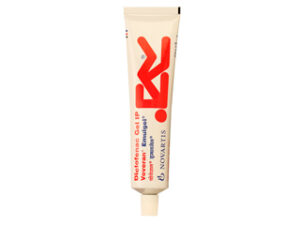
- Topical NSAIDs (e.g., gels) – helpful for some localised osteoarthritis with lower systemic exposure.
- For rheumatoid arthritis: disease-modifying therapies may be needed; NSAIDs are typically symptom relief, not disease control.
A healthcare professional can help decide between celecoxib and alternatives based on your risk factors and symptom pattern.
Market and legal context in the United Kingdom
In the UK, celecoxib is a widely used medicine for inflammatory and painful conditions. Regulatory status, available pack sizes, and whether a medicine is supplied under prescription-only or other prescribing arrangements can vary by product formulation and strength.
Online pharmacies operating in the UK are expected to comply with UK pharmacy regulations, including requirements around:
- Authorised pharmacy oversight and responsible supply practices
- Accurate product information and patient safety materials
- Appropriate checks for suitability and interactions
- Secure delivery processes and compliance with medicines handling rules
When buying medicines online, it is important to use a reputable, properly registered UK pharmacy website.
Recent guidance and safety updates (general UK considerations)
UK medicine safety guidance for NSAIDs emphasises consistent themes:
- Cardiovascular and GI risk awareness: balancing symptom control with risks, especially in people with existing risk factors.
- Use the lowest effective dose: to reduce exposure-related adverse effects.
- Avoid unnecessary prolonged use: ongoing assessment is recommended.
- Monitoring for kidney function and blood pressure in higher-risk patients.
- Interaction management: particular caution with anticoagulants, antiplatelets, SSRIs, and other NSAIDs.
Guidance and product-specific recommendations may evolve, so always check the latest advice in your medicine’s leaflet and speak to your pharmacist if unsure.
Delivery and availability (UK)
Availability may vary based on local stock and the specific strength/form of celecoxib. UK online pharmacies typically aim to deliver within stated timelines and may offer options such as:
- Standard delivery: typically a few working days (varies by provider)
- Express delivery: where available
- Packaging: discreet packaging and tamper-evident seals
Delivery is usually only possible to addresses in the UK. If you have special delivery needs, contact the pharmacy’s customer service before ordering.
For medicines, it is important to store them correctly: keep in the original packaging, follow storage instructions on the label, and store out of reach of children.
FAQ
1) What is celecoxib used for?
Celecoxib is used to reduce pain and inflammation in conditions such as osteoarthritis and rheumatoid arthritis. Specific authorised uses depend on the product you have.
2) How quickly does it work?
Some pain relief may begin within hours. For arthritis symptoms, noticeable improvement often develops over several days. If you don’t feel improvement after an appropriate period, speak to a healthcare professional.
3) Can I take celecoxib with food?
Many people can take it with or without food. If it upsets your stomach, taking it with meals may be more comfortable. Keep the approach consistent day to day.
4) Is it safe to drink alcohol while taking celecoxib?
It’s best to limit alcohol. Alcohol can increase the risk of stomach irritation and bleeding when combined with NSAIDs. Avoid heavy drinking, and seek advice if you have ulcer or bleeding history.
5) Can I take ibuprofen or naproxen at the same time?
Generally, you should avoid combining celecoxib with other NSAIDs unless a clinician specifically advises it. Combining increases the chance of side effects such as stomach bleeding and kidney problems.
6) What should I do if I miss a dose?
Take it when you remember unless it is close to the time for the next dose. Do not take a double dose to make up for a missed one.
7) Who should not take celecoxib or should take it with extra caution?
Extra caution is needed if you have a history of stomach ulcers/bleeding, heart disease or stroke, kidney impairment, liver disease, or if you take medicines that increase bleeding risk. Your pharmacist can help check suitability based on your medicines and history.
8) What are the warning signs of serious problems?
Seek urgent medical help if you experience signs of bleeding (black stools, vomiting blood), severe allergic reactions, chest pain/shortness of breath, severe abdominal pain, or symptoms suggesting kidney problems (significant reduction in urine).
9) Are there alternatives if celecoxib doesn’t suit me?
Yes. Alternatives may include other anti-inflammatory medicines, topical options, paracetamol for pain, and non-medicine treatments such as physiotherapy and lifestyle changes. The best option depends on your diagnosis and risk factors.
10) How should I store celecoxib?
Keep it in its original packaging, store at the temperature stated on the label, and keep out of sight and reach of children. Check the leaflet for specific storage instructions.
Important final note
Medicines affect people differently. If you have questions about whether celecoxib is suitable for you, discuss with a healthcare professional or your pharmacist—especially if you have medical conditions, take regular medicines, or have experienced side effects from NSAIDs before.