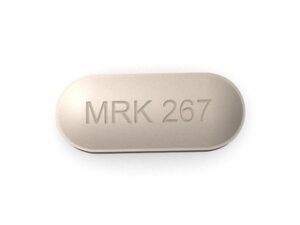
Naprelan (Naproxen) – Patient Guide (UK)
Naprelan is a brand of naproxen, a medicine from the non-steroidal anti-inflammatory drug (NSAID) group. It is designed to relieve pain and inflammation and is formulated to provide extended (modified) release, meaning the medicine is released gradually over time.
This guide explains how Naprelan works, typical uses, how to take it safely, interactions (including with food and alcohol), and practical tips for getting the best results. It also covers safety considerations and alternatives available in the UK.
Key facts
- Active ingredient: Naproxen
- Type: NSAID (pain reliever/anti-inflammatory)
- Formulation: Extended-release (modified release)
- Common benefits: Pain relief and reduced inflammation
- Typical conditions: Musculoskeletal pain, inflammatory disorders, and painful conditions where anti-inflammatory action helps
How Naprelan works (mechanism of action)
Naproxen works by reducing substances in the body called prostaglandins. Prostaglandins are involved in:
- Pain and tenderness (they help transmit pain signals)
- Inflammation (they contribute to swelling and redness)
- Fever (not usually the main purpose of Naprelan, but NSAIDs can reduce fever)
Naproxen blocks cyclo-oxygenase (COX) enzymes (COX-1 and COX-2), which decreases prostaglandin production. This leads to analgesic (pain-relieving) and anti-inflammatory effects.
Pharmacokinetics (how the body handles it)
Understanding how medicines move through the body can help you use them more effectively.
- Absorption: Naproxen from extended-release Naprelan is absorbed gradually to provide a prolonged effect.
- Peak levels: Compared with immediate-release products, peak blood levels generally occur later due to the modified-release design.
- Distribution: Naproxen binds to plasma proteins, which influences how much is available in the bloodstream.
- Metabolism: The body metabolises naproxen mainly in the liver.
- Elimination: Naproxen and its metabolites are eliminated primarily via the kidneys.
Practical implication: Because naproxen is cleared partly through the kidneys and metabolised in the liver, people with kidney or liver impairment may need extra care and monitoring.
What Naprelan is used for (indications)
Naprelan is commonly used for conditions where pain and inflammation are important features. Examples include:
- Osteoarthritis
- Rheumatoid arthritis
- Other inflammatory joint conditions
- Ankylosing spondylitis
- Musculoskeletal pain (for example, flare-ups affecting muscles, tendons, or joints)
- Gout attacks (in some cases, NSAIDs including naproxen may be used as part of symptom control)
Important: The most appropriate indication and dose depend on your age, medical history, other medicines, and kidney/heart risk factors.
Typical timing and how to take Naprelan
Naprelan is extended-release. This means taking it correctly is essential to avoid side effects and to ensure the medicine works as intended.
- Follow the dosing schedule on your label and any advice from your healthcare professional.
- Take with water.
- With or after food: Taking Naprelan with food can reduce the chance of stomach irritation.
- Swallow whole: Do not crush, chew, or break the tablet/capsule unless the product instructions specifically allow it. Breaking extended-release forms can release the medicine too quickly.
- Try to take it at the same times each day to maintain consistent levels.
Example timing (general guidance): Many extended-release NSAID regimens are once daily or twice daily depending on strength and clinical need. Always follow the product-specific directions for your pack.
Dosing information (general)
Because dosing depends on age, condition, severity, and risk factors, this section provides general guidance only. Always refer to the dose instructions provided with your specific Naprelan product.
| Patient group | General dosing approach | Key safety notes |
|---|---|---|
| Adults | Usually started at the lowest effective dose, adjusted based on response and tolerability. | Avoid exceeding the recommended maximum daily dose. Consider stomach and heart/kidney risk. |
| Older adults (e.g., 65+) | Lower starting doses may be used. | Higher risk of stomach bleeding and kidney problems—monitor closely. |
| People with kidney impairment | May require lower doses and/or extra monitoring. | NSAIDs can affect kidney function; discuss suitability if you have CKD. |
| People with liver impairment | Dose adjustments may be necessary. | Follow medical advice; report unusual tiredness, jaundice, or dark urine. |
| Children | Use depends on age and formulation; not all NSAIDs are suitable for children. | Check eligibility carefully and seek appropriate medical guidance. |
Never double up to make up for a missed dose. If you miss a dose, follow the schedule on your label or ask a pharmacist for advice.
Food interactions (what to eat with Naprelan)
Food can influence how NSAIDs cause irritation in the stomach.
- Taking with food: Taking Naprelan with meals or milk can help reduce stomach discomfort and the risk of indigestion.
- Avoid taking on an empty stomach: Especially if you have a sensitive stomach, reflux, or previous ulcer history.
- GI-protective options: Some people at higher risk may be advised to use additional medicines that reduce stomach acid (for example, a proton pump inhibitor) alongside NSAIDs—this is individual and should be discussed with a healthcare professional.
Note: While food may reduce stomach upset, it does not fully eliminate NSAID-related risks such as ulceration or bleeding.
Alcohol interactions
Combining Naprelan with alcohol can increase the risk of stomach bleeding and stomach irritation, and can also worsen side effects like dizziness or nausea.
- Best practice: Avoid heavy drinking.
- Safer approach: If you drink alcohol, keep it minimal and consider taking Naprelan with food.
- Do not ignore warning signs: Seek urgent help if you vomit blood or have black/tarry stools.
Medicine interactions (important)
NSAIDs can interact with other medicines in ways that increase bleeding risk, kidney stress, or cardiovascular risk.
Medicines to be cautious with
- Other NSAIDs (including ibuprofen, diclofenac, aspirin for pain): do not combine unless specifically advised.
- Low-dose aspirin: may be used for heart protection in some people, but combining with another NSAID can increase bleeding risk. Discuss individual risk.
- Anticoagulants (e.g., warfarin): NSAIDs may increase bleeding risk.
- Antiplatelets (e.g., clopidogrel): increased bleeding risk is possible.
- Selective serotonin reuptake inhibitors (SSRIs) and other antidepressants that increase bleeding risk (e.g., some SSRIs/SNRIs): combined use can increase gastrointestinal bleeding risk.
- Oral corticosteroids (e.g., prednisolone): higher ulcer/bleeding risk.
- Diuretics (water tablets) and some blood pressure medicines (ACE inhibitors/ARBs): “triple whammy” risk for kidney injury may occur when an NSAID is added to certain combinations.
- Lithium: NSAIDs can increase lithium levels, raising toxicity risk.
- Methotrexate: NSAIDs may increase methotrexate levels and toxicity risk (dose dependent).
- Digoxin: NSAIDs may increase digoxin levels in some cases.
- Some diabetes medicines: NSAIDs can affect blood sugar control in some people.
What to do
- Check with a pharmacist if you are taking multiple medicines.
- Tell your pharmacist about all medicines and supplements, including herbal products.
- If you develop new symptoms such as unusual bruising, black stools, severe indigestion, or reduced urine output, seek urgent advice.
Safety profile and side effects
Like all NSAIDs, Naprelan can cause side effects. Most people tolerate NSAIDs, but risks increase in certain groups (older adults, those with ulcer history, kidney disease, heart disease, and those taking interacting medicines).
Common side effects
- Indigestion, heartburn, stomach pain
- Nausea
- Headache or dizziness
- Water retention (swelling of ankles/feet) in some people
Serious risks (seek urgent medical help)
- Stomach bleeding or ulceration: symptoms may include black/tarry stools, vomiting blood, severe stomach pain, or unexplained weakness
- Allergic reactions: swelling of face/lips, wheezing, rash, or difficulty breathing
- Kidney problems: reduced urine, sudden weight gain from fluid retention, or severe back/side pain
- Heart and circulation risk: worsening chest pain, shortness of breath, or sudden weakness/numbness
- Severe skin reactions: blistering, peeling rash, or sores in the mouth
Who should be extra cautious
- People with a previous stomach ulcer or gastrointestinal bleeding
- People aged 65 years and over
- Those with kidney disease or dehydration
- People with uncontrolled high blood pressure, heart failure, or established cardiovascular disease
- People taking blood thinners or steroids or antidepressants that can increase bleeding risk
- Asthma sufferers who have previously experienced NSAID-related reactions
Practical tips for safe, effective use
- Use the lowest effective dose for the shortest possible time to control symptoms.
- Stay hydrated—especially during hot weather or if you are ill with vomiting/diarrhoea.
- Monitor your stomach: If you develop persistent indigestion, stop and seek advice promptly.
- Do not combine with other NSAIDs (including over-the-counter “anti-inflammatories”) unless advised.
- Check product labels: Many cold/flu remedies contain NSAIDs or aspirin-like substances—always read the label.
- Keep track of response: If symptoms are not improving, speak to a pharmacist or healthcare professional rather than increasing the dose yourself.
- Driving and operating machinery: If Naprelan makes you dizzy or drowsy, avoid these activities.
Alternative options (what else may help)
Depending on your condition and risk profile, other treatments may be more suitable. Options may include:
Non-medicine measures
- Heat or cold packs (depending on whether pain is inflammatory flare or chronic stiffness)
- Gentle exercise, stretching, and strengthening (often recommended for arthritis and musculoskeletal pain)
- Physiotherapy or occupational therapy advice
- Weight management if relevant to reduce joint stress
Other pain relief medicines
- Paracetamol may help pain and is gentler on the stomach than NSAIDs for many people.
- Topical NSAIDs (e.g., gels or creams) can help local joint and muscle pain with lower systemic exposure.
- Other NSAIDs: some people tolerate one NSAID better than another, but GI and cardiovascular risks can remain.
Condition-specific alternatives
- For inflammatory arthritis, long-term management plans may include disease-modifying treatments prescribed by specialists.
- For gout, treatments may include urate-lowering approaches and targeted flare therapies.
Tip: A pharmacist can help compare options based on your symptoms and medical history.
Naprelan in the UK: market and legal context
In the UK, medicines are regulated by the Medicines and Healthcare products Regulatory Agency (MHRA) and must meet standards for safety, quality, and effectiveness. NSAIDs like naproxen are widely used and are available in various formulations and strengths.
Availability, product presentation, and whether a medicine is sold as a pharmacy medicine or through other routes can vary by brand, strength, and local supply arrangements. For online pharmacy orders, products should be supplied in line with UK medicine supply rules.
Recent guidance (UK-wide): UK clinical guidance generally emphasises that NSAIDs should be used with caution—at the lowest effective dose and for the shortest duration—particularly for people with gastrointestinal bleeding risk, cardiovascular risk, kidney disease, or those taking interacting medicines. Many healthcare recommendations also encourage considering non-drug measures and alternatives first when appropriate.
Delivery and availability (UK)
Availability of Naprelan can vary depending on stock, strength, and supply chain. Most online pharmacies aim to provide:
- Transparent product details (strength, form, and pack size)
- Clear delivery timelines for the UK and commonly the ability to track orders
- Secure packaging suitable for medicines
Delivery times: While many UK deliveries are prompt, actual timing depends on the courier service and your location. Check the checkout information for the most accurate estimated delivery window.
When not to use Naprelan (important warnings)
Do not use Naprelan if you have had a serious allergic reaction to naproxen or other NSAIDs. Extra caution is required if you:
- Have a current stomach ulcer or history of recurrent ulcers/bleeding
- Have severe kidney impairment
- Have active gastrointestinal bleeding
- Have experienced NSAID-triggered asthma symptoms or severe allergic reactions
- Are pregnant (especially from around 20 weeks onward) unless advised by a healthcare professional
If you are unsure whether Naprelan is suitable for you, a pharmacist can help you assess your risks based on your history and other medicines.
FAQ about Naprelan (Naproxen)
1) Is Naprelan the same as regular naproxen?
Naprelan is extended-release, meaning it releases naproxen more slowly than immediate-release products. This can affect how it is taken (e.g., it’s usually swallowed whole and taken at set intervals).
2) How quickly will Naprelan work?
Many people notice pain relief within the first day, but the full benefit can take several days depending on the condition (for example, arthritis flare versus short-term musculoskeletal pain).
3) Can I take Naprelan with food?
Yes. Taking it with or after food can reduce stomach irritation. Avoid taking it on an empty stomach if you get indigestion easily.
4) Can I take it with paracetamol?
Paracetamol is often used alongside NSAIDs for additional pain control, but it’s important to follow label directions for both medicines. If you have liver disease or drink alcohol heavily, ask a pharmacist.
5) Can I drink alcohol while taking Naprelan?
It’s best to keep alcohol to a minimum or avoid it. Alcohol increases the risk of stomach irritation and bleeding with NSAIDs.
6) What are the biggest warning signs I should watch for?
Seek urgent help if you experience black/tarry stools, vomiting blood, severe stomach pain, breathing difficulties, facial swelling, sudden weakness/numbness, chest pain, or reduced urine output.
7) What should I do if I miss a dose?
Take it when you remember if it’s close to the next scheduled time, but do not take two doses at once. Follow the instructions on your pack or ask a pharmacist for advice.
8) Can Naprelan be used for long-term arthritis?
Some people use NSAIDs for longer periods, but risks increase with dose and duration. Long-term management should be reviewed regularly, and alternative or additional treatments may be appropriate.
9) Are there alternatives if I can’t take NSAIDs?
Depending on your symptoms, options may include paracetamol, topical NSAIDs, non-drug measures, or condition-specific treatments. Your pharmacist can help compare suitability and safety.
10) Does Naprelan affect driving?
If you feel dizzy or unwell, avoid driving or operating machinery until you feel safe to do so.
Summary
Naprelan (naproxen) is an extended-release NSAID used to relieve pain and inflammation in conditions such as osteoarthritis and other inflammatory musculoskeletal disorders. It works by reducing prostaglandins and can provide sustained symptom relief when taken correctly.
To use Naprelan safely, remember to:
- Take it with or after food
- Swallow extended-release tablets whole
- Use the lowest effective dose for the shortest time
- Avoid combining it with other NSAIDs
- Be cautious with alcohol and interacting medicines
If you have questions about suitability, interactions, or side effects, speak to a pharmacist for personalised guidance based on your medicines and health history.