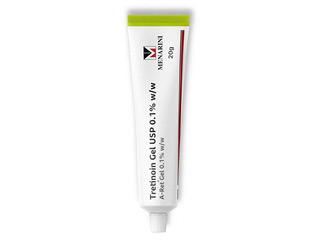
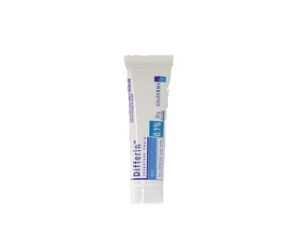
A-Ret (Tretinoin) — Patient Guide (UK)
A-Ret (tretinoin) is a medicine used to treat certain skin conditions. It belongs to a group of medicines known as retinoids. This guide explains how A-Ret works, how to use it safely, what to expect during treatment, and important information about interactions and side effects for people in the United Kingdom.
Basic product information
| Feature | Information |
|---|---|
| Active ingredient | Tretinoin |
| Medicinal type | Topical retinoid (vitamin A derivative) |
| Where it’s used | On skin only |
| Typical conditions | Acne (and sometimes other retinoid-responsive skin conditions, depending on formulation and guidance) |
| Common forms | Cream or gel (availability may vary by strength and manufacturer) |
| Key benefits | Helps unclog pores, improves skin cell turnover, reduces inflammation associated with acne |
Note: Strengths and formulations can vary. Always follow the instructions provided with your specific A-Ret product.
How A-Ret works (mechanism of action)
Tretinoin is a retinoid. When applied to the skin, it influences the behaviour of skin cells and helps to normalise how pores form and shed dead skin. This can:
- Reduce clogged pores by encouraging more regular shedding of the top layer of skin.
- Prevent comedones (blackheads and whiteheads) from forming.
- Improve skin texture over time.
- Help reduce inflammation associated with acne lesions.
Because it works by changing cell turnover, the effects are gradual—visible improvement often takes weeks rather than days.
Pharmacokinetics (what happens in the body)
With topical tretinoin, only a small amount is absorbed through the skin under normal use. Most of the tretinoin stays within the skin’s surface layers and is broken down within the body similarly to other retinoids.
- Absorption: Generally low when used as directed on intact skin.
- Systemic exposure: Typically minimal, but can increase if used more frequently, over larger areas, on broken/irritated skin, or under occlusion.
- Elimination: The medicine is metabolised and cleared from the body through normal biological processes.
Because systemic absorption is usually limited, most side effects are local (on the skin). However, tretinoin can still be harmful in pregnancy, so special precautions are important (see safety section).
Typical uses in the UK
In the UK, A-Ret (tretinoin) is primarily used for acne. It may be recommended for acne that includes:
- Comedones (blackheads and whiteheads)
- Inflamed lesions (papules/pustules)
- Acne that has not fully responded to simpler topical measures
Depending on the product and clinical assessment, retinoids may also be used for other skin conditions. Your pharmacist or healthcare professional can advise on the specific indication for your formulation.
When to use it (timing and routine)
A common approach with tretinoin is to use it in the evening, because it can be more irritating if used alongside strong sun exposure. If you are new to retinoids, start gradually to reduce the chance of irritation.
Typical starting schedule (general guidance)
- Weeks 1–2: Apply a thin layer 2–3 times per week
- Weeks 3–4: If tolerated, increase to every other night
- After 4–6 weeks: Consider once nightly if well tolerated and as directed
Not everyone needs to reach nightly use. If your skin is irritated, maintain a lower frequency until it settles.
What to do before and after applying
- Before: Wash your face with a gentle cleanser and pat dry. Let skin dry completely (about 10–20 minutes) before applying tretinoin.
- Apply: Use a pea-sized amount for the whole face (unless your prescriber/pharmacist instructs otherwise). Spread thinly over affected areas.
- After: Use a moisturiser. Some people benefit from applying a moisturiser before and/or after tretinoin (“sandwiching”), especially if they experience dryness.
Food interactions
Because A-Ret is applied to the skin, food interactions are not expected to be clinically significant. However, if you use other acne treatments orally, follow the advice for those medicines separately.
Alcohol and medicine interactions
Alcohol is not known to directly interact with topical tretinoin in a clinically meaningful way. Still, alcohol can worsen skin dehydration and irritation in some people, which may make tretinoin side effects feel stronger.
Medicines that may increase irritation when used together
Topical products can interact mainly by increasing skin sensitivity or irritation. Be cautious when using A-Ret with:
- Other strong acne treatments (especially those that are drying)
- Topical benzoyl peroxide (can be used with caution; irritation can increase for some users—see practical tips)
- Topical salicylic acid and other exfoliating acids
- Alpha hydroxy acids (AHAs) and beta hydroxy acids (BHAs)
- Resorcinol, sulfur products, or strong cleansing agents
- Products containing alcohol/menthol/high fragrance that can sting inflamed skin
Oral medicines and systemic interactions
With typical use, systemic levels from topical application are low, so many systemic medicine interactions are unlikely. However:
- Do not combine with other topical retinoids unless advised.
- If you take medicines that affect skin sensitivity, tell your healthcare professional if irritation becomes severe.
If you are unsure, ask your pharmacist for a compatibility check for your current skincare regimen and any other medicines you use.
Indications (what it treats)
The main indication for A-Ret is the treatment of acne in appropriate patients. Tretinoin may be used in different acne patterns and severity levels depending on individual assessment and product strength/formulation.
Important: Do not use A-Ret on broken skin, around the eyes, inside the nostrils, or inside the mouth. Use only on areas recommended for your condition.
Dosing and how much to apply
Dosing depends on the product strength and your skin’s tolerance. A common principle with topical tretinoin is thin application and gradual introduction.
How much to use
- For the face, a pea-sized amount is often enough to cover the entire face.
- For smaller areas (e.g., chin or cheeks), use just enough to form a thin layer.
- Avoid applying thickly—more product does not usually work better and often increases irritation.
How often to use it
- Start with 2–3 nights per week if new to tretinoin.
- Increase slowly to every other night, then once daily if tolerated and as advised.
If you miss a dose
Apply it when you next plan to use it. Do not apply extra to make up for a missed dose.
What to expect: irritation, purging, and timelines
It’s common for skin to feel dry, slightly flaky, or look red during the first few weeks. This is often called initial irritation. Some people also notice increased breakouts early on, sometimes referred to as “purging”, because tretinoin changes how clogged pores are shed.
Typical timeline
- First 1–2 weeks: Dryness, redness, mild stinging may occur.
- Weeks 3–6: Improvement in comedones may begin; continued gradual improvement.
- 8–12 weeks: More noticeable overall acne reduction is often seen.
If your skin becomes severely inflamed, stop and seek advice from a pharmacist or healthcare professional. Ongoing intense irritation may require adjusting frequency or switching approach.
Safety profile and precautions
Like all medicines, A-Ret can cause side effects. Most are local and related to skin irritation. Some precautions are especially important.
Common side effects
- Dryness
- Peeling or flaking
- Redness
- Burning or stinging
- Itching
- Skin sensitivity
Less common or serious concerns
Seek medical advice urgently if you develop signs of a severe allergic reaction (such as widespread swelling, difficulty breathing, or severe rash). For persistent severe irritation, blistering, or weeping skin, consult a clinician.
Pregnancy and breastfeeding (very important)
Retinoids are associated with risk to an unborn baby when exposure is systemic. Although topical absorption is usually low, safety in pregnancy is critical.
- Do not use in pregnancy unless specifically advised by a qualified healthcare professional after careful risk assessment.
- Discuss use if breastfeeding. Many clinicians recommend caution; a personalised plan is often needed.
Sun exposure and skin protection
Tretinoin can make skin more sensitive to sunlight and UV radiation. Use a broad-spectrum sunscreen (SPF 30 or higher) daily and consider additional sun protection (shade, hat) especially during the first months of treatment.
Weather effects
- Cold or windy weather can increase dryness and irritation.
- Adjust moisturiser use and reduce frequency if needed.
Practical use tips for better tolerance
Many people achieve better results by improving their routine rather than increasing tretinoin frequency.
Skin-care habits that help
- Gentle cleanser: Use a mild, non-scrubbing cleanser.
- Moisturise: Apply a moisturiser regularly (especially after treatment).
- Introduce slowly: Start with fewer nights per week.
- Let skin dry: Wait 10–20 minutes after washing before applying tretinoin.
- Avoid abrasives: Don’t use scrubs or harsh exfoliating cloths.
- Be careful around corners: Avoid eyelids, corners of nose, and mouth.
“Benzoyl peroxide” and “tretinoin” together
Some acne regimens use both. This can work well for some people, but irritation risk can increase. If you combine them:
- Consider using them at different times of day (e.g., one in the morning, one at night),
- Start one product first, then add the second after several weeks,
- Stop or reduce if irritation becomes severe.
Accidental contact
- If it gets into the eyes, rinse thoroughly with water and seek advice if irritation continues.
- If applied to broken skin, wash off and consult a pharmacist if pain or irritation persists.
Alternative options
Depending on your acne type and skin sensitivity, alternatives may include:
- Other topical retinoids (may have different tolerability profiles)
- Benzoyl peroxide (helps reduce acne bacteria and inflammation)
- Topical antibiotics in selected regimens (often combined with benzoyl peroxide to reduce resistance)
- Azelaic acid (often well tolerated; can help with acne and pigmentation)
- Salicylic acid (helps with clogged pores; may be irritating for some)
- Oral treatments for moderate to severe acne (e.g., hormonal therapy or other acne medicines under specialist guidance)
For many people, a combination of treatments works best. If you’re not sure which option is suitable, a pharmacist can help you compare products based on your symptoms and tolerance.
Market and legal context in the United Kingdom
In the UK, tretinoin products are regulated medicines. Availability, brand names, and specific product strengths may vary. Medicines are supplied through pharmacies in line with UK medicines regulations and local distribution arrangements.
Consumer protections in the UK include:
- Clear product labelling and patient information
- Supply through licensed healthcare channels where required
- Guidance on correct use, warnings, and side effects
Recent guidance trend: UK acne management commonly emphasises “start low, go slow,” appropriate moisturising and sun protection with retinoids, and careful selection of combination therapies to minimise irritation. People are also encouraged to seek clinical advice if acne is severe, scarring, or not improving after a sustained course.
Delivery and availability (online pharmacy)
Availability of A-Ret can depend on formulation and strength. When ordering online in the UK, delivery options may include:
- Standard delivery (typically several working days)
- Express delivery where available
- Tracking updates for some orders
To reduce the chance of delay, ensure delivery details are correct and that you can receive the parcel. If you require urgent supply or have concerns about stock availability, contact the pharmacy before ordering.
Storage: Keep the product in a safe place as directed on the pack. Keep out of the sight and reach of children. Follow any storage conditions (such as temperature limits) on the label.
FAQ — A-Ret (Tretinoin)
1) Is A-Ret suitable for all types of acne?
A-Ret is most commonly used for acne involving clogged pores (comedones) and inflammatory lesions. Suitability depends on your acne pattern, skin type, and how sensitive your skin is. Severe or scarring acne may need additional or alternative treatment strategies.
2) Why does my skin get worse before it improves?
Early irritation is common with tretinoin. Some people also experience temporary worsening or “purging” as clogged pores change. This usually settles over time, but severe irritation is not normal—if your skin is very painful, blistering, or worsening significantly, seek advice.
3) How long should I use it before judging results?
It often takes 8–12 weeks to see meaningful improvement. Continue as directed, with gradual dose increases, and use moisturiser and sunscreen to support tolerance.
4) Can I use moisturiser with A-Ret?
Yes—this is often recommended. A moisturiser can reduce dryness and improve comfort. Some people find a moisturiser before and/or after tretinoin helpful (“sandwiching”).
5) Should I use sunscreen?
Yes. Tretinoin can make skin more sensitive to UV light. Use a broad-spectrum sunscreen (SPF 30 or higher) daily, and consider additional protection if you are outdoors.
6) Can I shave, wax, or use hair removal products?
If you are experiencing active irritation, it’s best to avoid additional trauma to the skin in the treated areas. Once irritation settles, you may be able to proceed carefully. Patch-test on a small area if you’re unsure.
7) Can I use A-Ret with exfoliating acids or scrubs?
Be cautious. Exfoliating acids and scrubs can increase irritation. If you want to include exfoliants, introduce them slowly and avoid using them at the same time as tretinoin until you know how your skin responds.
8) Can I drink alcohol while using A-Ret?
There is no known direct interaction with topical tretinoin. However, alcohol may contribute to dehydration or worsen the overall look/feel of dry, irritated skin in some people. Moderation and good hydration can help.
9) What if I accidentally use too much?
Using more than directed can increase irritation without improving effectiveness. If irritation occurs, reduce the frequency or stop and seek advice from a pharmacist or healthcare professional. Do not try to “balance it” by applying more products to counteract the irritation.
10) Where should I avoid applying A-Ret?
Avoid applying to the eyes, eyelids, corners of the nose, mouth, and any areas of broken or inflamed skin unless advised otherwise.
Summary
A-Ret (tretinoin) is a topical retinoid used primarily for acne. It works by improving how skin cells renew and how pores unclog, helping reduce comedones and inflammation over time. Because tretinoin can cause dryness and irritation—especially early in treatment—successful use usually involves starting slowly, applying a thin layer, moisturising, and protecting skin from sunlight. If you experience severe or persistent irritation, stop and consult a pharmacist or healthcare professional for guidance.