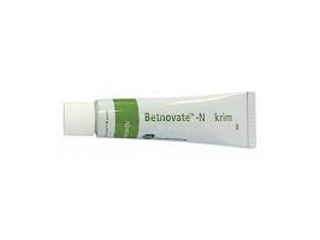
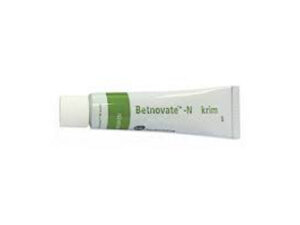
Betnovate (Betamethasone valerate) — Patient Information
Betnovate is a medicine containing betamethasone valerate, a potent topical corticosteroid used to treat inflammatory skin conditions. It works by reducing inflammation, itching, and redness. This page explains how Betnovate works, how it’s used, key safety points, and what to expect in day-to-day use.
Note: This information is intended to help you understand your medicine. Always follow the directions given by your healthcare professional or the instructions on the pack.
Quick product overview
| Item | Details |
|---|---|
| Medicine name | Betnovate |
| Active ingredient | Betamethasone valerate |
| Medicine type | Topical corticosteroid (skin treatment) |
| What it helps | Inflammation and symptoms such as redness, swelling, itching, and discomfort |
| Common forms | Cream, ointment, lotion (strengths vary by product) |
| Where it’s used | On the skin only |
How Betnovate works (mechanism of action)
Betnovate contains betamethasone, a corticosteroid that belongs to the class of anti-inflammatory medicines known as glucocorticoids.
- It reduces inflammation by suppressing immune responses in the skin.
- It decreases the release of inflammatory chemicals (such as cytokines) that drive redness, swelling, and itching.
- It can reduce itching and help the skin calm down, improving comfort and appearance.
Because it acts locally, topical corticosteroids are often preferred for skin inflammation—provided the condition is suitable for steroid treatment.
Pharmacokinetics (what happens in the body)
When applied to intact skin, absorption is usually low. However, absorption can increase if:
- the treated area is large
- damaged (e.g., eczema breaks in the skin)
- occlusive dressings are used (covered with tight bandages or plastic)
Once absorbed, betamethasone is processed by the body (metabolised mainly in the liver) and eliminated—primarily through kidneys and/or bile. In most patients using it correctly for short periods, systemic effects are unlikely.
What Betnovate is typically used for (indications)
Betnovate is used to treat certain inflammatory and itchy skin conditions. Typical indications include:
- Eczema (including atopic eczema and other forms of dermatitis)
- Allergic or irritant dermatitis
- Psoriasis (where appropriate—your clinician will advise the safest approach)
- Inflammatory skin conditions that respond to topical corticosteroids
Important: Topical steroids are not suitable for every rash. They may worsen infections. If the rash is caused by a fungal, viral, or bacterial infection, you may need different treatment. Seek medical advice if you are unsure.
When and how to use it (timing and practical routine)
Your exact schedule depends on the condition and product strength, but commonly:
- Apply a thin layer to the affected area.
- Use it typically once or twice daily depending on the formulation and condition.
- Continue for the shortest time needed to control symptoms.
- After improvement, many people need a step-down approach (e.g., reducing frequency) rather than stopping abruptly—follow local guidance or your clinician’s advice.
Timing tips: If using once daily, choose a time you can keep consistent (e.g., evening). If using twice daily, try to space applications evenly (e.g., morning and evening).
How to apply:
- Wash and dry your hands.
- Clean the skin gently if needed (avoid harsh scrubbing).
- Apply the correct amount: a thin film over the affected area and a small margin around it.
- Wash hands again unless treating your hands.
Emollients (moisturisers): If you use moisturisers, apply them regularly. Many people apply the corticosteroid after the moisturiser, or use moisturiser on non-treated days—your clinician or pharmacist can advise the best pattern for your skin.
Typical dosing (how much to use)
Dosing is individual, but topical corticosteroid amounts are often guided by the area being treated. A commonly used method is the “fingertip unit” (FTU):
- One FTU is the amount of cream/ointment squeezed along the adult fingertip (from the tip to the first crease).
- One FTU typically covers an area about the size of two adult handprints.
General principles:
- Use only the amount needed to cover affected skin.
- Do not apply to more skin than necessary.
- Avoid applying to large areas for long periods without medical review.
Children: Steroid use in children requires extra care and typically smaller amounts and shorter durations. Always follow specialist advice for paediatric use.
Food interactions
Betnovate is applied to the skin, so food interactions are not expected. There are no specific dietary restrictions due to betamethasone valerate topical use.
However, if you are taking other medicines by mouth (for example, for allergies or infection), inform your pharmacist or clinician about your full medication list.
Alcohol and medicine interactions
Alcohol: There are no known direct interactions between topical betamethasone and alcohol. That said, if you are using additional treatments for an underlying condition (e.g., antibiotics or antifungals), it’s always wise to check those products for alcohol guidance.
Other medicines: When applied correctly, systemic interactions are unlikely. Still, be cautious if you use:
- Other topical steroids on the same area (avoid doubling up)
- Other topical medicines where combining may irritate skin or affect absorption
- Antimicrobial creams if there is a mixed infection (your clinician may recommend specific combinations)
If you are using multiple skin products, ask a pharmacist for advice on a safe application order and whether you should avoid mixing products on the same spot.
Safety profile and key precautions
Like all corticosteroids, Betnovate can cause side effects—especially when used incorrectly, over long periods, on large areas, or under occlusion (covered).
Common side effects
- Skin irritation, burning, stinging, or redness at the application site
- Dryness or mild worsening of symptoms initially
Less common but important side effects
- Skin thinning (atrophy), especially on face, groin, underarms, and in children
- Stretch marks (striae)
- Folliculitis (inflamed hair follicles)
- Raised bumps or changes in skin colour
- Acne-like rash
- Worsening or masking of infection (fungal, bacterial, or viral)
Stop and seek medical advice urgently if you notice
- Rapid spreading of a rash
- Signs of infection: increasing pain, pus, honey-coloured crusts, fever, or worsening swelling
- Severe burning or blistering
- No improvement after the expected time or frequent relapses that require reassessment
Who should be extra careful?
- Children (higher absorption risk)
- Pregnant or breastfeeding individuals (risk assessment is needed; discuss with a healthcare professional)
- People with skin infections or suspected infection
- Anyone using it on face, eyelids, genitals, or skin folds
Practical use tips (getting the best results safely)
- Use the thinnest effective layer—more is not better.
- Short course approach: use for the shortest time that controls symptoms.
- Reduce gradually if advised: once improved, you may need fewer applications rather than stopping instantly.
- Avoid occlusive dressings unless instructed by a healthcare professional.
- Do not apply to the eyes or near the eyelids unless specifically advised.
- Wash hands after use (unless treating your hands).
- If you use emollients, keep applying them regularly to support the skin barrier.
- If you flare frequently, it may help to identify triggers (e.g., soaps, detergents, allergens, stress, temperature changes).
Moisturising matters: Long-term control of eczema and dermatitis often requires consistent emollient use, not only steroid treatment.
Alternative options
Depending on your diagnosis and severity, other treatment options may be considered:
- Emollients (moisturisers and barrier creams) — essential for many people with eczema
- Non-steroidal anti-inflammatory creams (e.g., calcineurin inhibitors) — often considered for sensitive areas or long-term maintenance
- Different strength topical steroids — your clinician may choose a lower potency for maintenance
- Antifungal or antibiotic treatment — if infection is present or suspected
- Phototherapy for some chronic conditions (e.g., certain cases of psoriasis)
- Advanced systemic therapies for severe cases under specialist care
Your best alternative depends on the cause of the rash, its location, and how often it returns. If symptoms persist despite correct use, seek advice for a review of the diagnosis and treatment plan.
Betnovate in the UK: market and legal context
In the United Kingdom, topical corticosteroids like Betnovate are regulated medicines. Availability and legal classification can vary by product strength and formulation, and by the rules in place at the time of supply.
For UK users:
- Pharmacy supply routes may differ based on packaging strength, formulation, and local rules.
- Pharmacists help ensure appropriate use, especially because steroid creams are not suitable for all rashes.
- You should always check the product packaging and follow the included instructions.
Recent guidance and best practice (UK context): UK dermatology practice commonly emphasises using topical steroids appropriately (the right potency for the right condition), applying a thin layer, avoiding unnecessary long-term use, and relying on emollients for ongoing skin barrier support. Many clinics also advise structured “step-down” approaches once symptoms settle.
Delivery and availability (online pharmacy)
Betnovate is widely available through UK community pharmacies and online pharmacy services. Availability may depend on stock levels and the specific product form (cream, ointment, or lotion) and strength.
Delivery expectations:
- Orders are typically dispatched in line with the pharmacy’s service standards.
- Delivery times vary by courier and region; check the estimated delivery window at checkout.
- Store products as directed on the pack (usually at room temperature, away from direct heat or sunlight).
If your required product is temporarily out of stock, the pharmacy may offer an equivalent formulation/strength where appropriate, subject to availability and suitability checks.
Safety FAQ
Can I use Betnovate on my face?
Betnovate is a potent steroid. Use on the face should only be done if advised by a healthcare professional, because facial skin is thinner and side effects such as skin thinning can develop more easily. If you notice burning, worsening redness, or changes in skin texture, stop and seek advice.
How long should I use it for?
Use it for the shortest time needed to control symptoms. If there is no improvement within the expected timeframe, or if symptoms return quickly, you should seek a review. Long-term or repeated use without reassessment increases the risk of side effects.
What if my rash looks infected?
If you have signs of infection (spreading redness, pus, crusting, fever, increasing pain, or oozing), contact a healthcare professional promptly. Steroids can mask infection and make it worse if the cause is fungal or bacterial.
Is Betnovate safe for children?
It can be used in children only under appropriate guidance. Children have a higher risk of absorption, so dosing and duration must be carefully managed. Avoid large-area application and avoid occlusion unless specifically instructed.
Can I use it under a bandage?
Do not use occlusive coverings (e.g., tight bandages, plastic wrap) unless your healthcare professional has told you to. Occlusion increases absorption and the chance of side effects.
Will it stop working if I use it a lot?
Some skin conditions improve with steroids, but frequent flares may indicate a trigger or an incorrect diagnosis, or that maintenance therapy needs adjustment. If you’re needing Betnovate repeatedly, ask for a treatment review.
Can I moisturise and apply Betnovate too?
Yes, most people can. Generally, moisturisers can be used regularly, with Betnovate applied as directed to affected areas. You can apply moisturiser either before or after Betnovate depending on your routine; if you’re unsure, ask a pharmacist for the best order.
What should I avoid?
- Avoid applying to eyes or eyelids unless instructed.
- Avoid applying to suspected infected rashes without medical advice.
- Avoid using on large areas or long durations without review.
How to use Betnovate correctly (step-by-step checklist)
- Identify the affected area and check whether the rash is suitable for steroid treatment.
- Clean gently and pat the skin dry.
- Apply a thin layer—no rubbing needed beyond gentle spreading.
- Follow your schedule (e.g., once or twice daily as instructed).
- Wash hands after application unless treating your hands.
- Stop when improved and follow any step-down plan if recommended.
- If symptoms worsen or do not improve, seek advice.
When to seek medical advice
Arrange advice if:
- you’re using Betnovate correctly but symptoms aren’t improving
Conclusion
Betnovate (betamethasone valerate) is a potent topical corticosteroid designed to calm inflammatory skin conditions and relieve symptoms such as redness and itching. With correct use—applying a thin layer, following the right timing, and limiting duration—you can often achieve control while minimising the risk of side effects. If you are unsure about the cause of your rash, the duration of treatment, or whether it’s suitable for a particular area of skin, consult a healthcare professional or pharmacist for personalised advice.
Frequently asked questions (short list)
- Is Betnovate a steroid? Yes—it's a topical corticosteroid.
- Can I use it for every rash? No. Steroids may worsen infections and are not suitable for all causes of skin problems.
- Do I need to avoid food? No specific food interactions are expected.
- Can I drink alcohol? There are no known direct interactions with topical use.
- What if it doesn’t help? Seek advice for reassessment of diagnosis and treatment plan.