Betamethasone Valerate (Topical Corticosteroid) – Patient-Friendly Guide
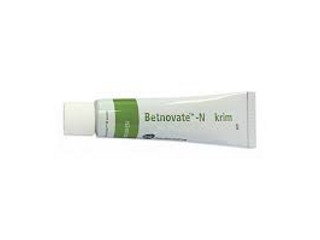
Betamethasone valerate is a medicine used on the skin to reduce inflammation, redness, itching and swelling. It belongs to the corticosteroid family (specifically a “topical steroid” when used as a skin preparation). In the UK, it is commonly available as a cream or ointment in different strengths, and it may be prescribed for certain skin conditions by healthcare professionals.
This guide explains what betamethasone valerate does, how it works, how it is used safely, and what to expect. Always follow the instructions on your product label or the advice given by your clinician or pharmacist.
1) Basic product information
- Generic name: Betamethasone valerate
- Type: Topical corticosteroid (anti-inflammatory)
- Common forms: Cream, ointment (and sometimes other skin preparations depending on brand)
- Strength: Varies by product (commonly 0.05% in many topical formulations)
- How it is supplied in the UK: Prescription-only in many cases; some related corticosteroids may be available via pharmacy routes depending on local classification and strength.
Note: Brand names and strengths can differ. If you are unsure which product you have, check the label or speak to a pharmacist.
2) How betamethasone valerate works (mechanism of action)
Betamethasone valerate is a corticosteroid that acts locally in the skin. It reduces inflammation by:
- Suppressing inflammatory signals: It reduces the production of substances that drive swelling and redness.
- Reducing immune cell activity: It helps calm an overactive immune response in the skin.
- Alleviating symptoms: Over time, itch and irritation typically ease as inflammation settles.
Once applied, you may notice symptom relief within days, but complete control may require consistent use for the period advised.
3) Pharmacokinetics (what happens in the body)
With topical use, only a small amount may pass through the skin into the bloodstream. The degree of absorption can vary depending on:
- Condition of the skin: Inflamed or damaged skin can increase absorption.
- Area treated: Larger surface areas increase total absorption.
- Duration of use: Longer use can increase systemic exposure.
- Use under occlusion: Covering the area with tight dressings or coverings can significantly increase absorption.
- Strength and formulation: Ointments may be more occlusive than creams.
Once absorbed, corticosteroids are metabolised mainly in the liver and eliminated predominantly through the kidneys. In practical terms for patients, the main concern is local side effects (skin thinning, irritation) and, when overused or used on large areas, possible systemic steroid effects.
4) Typical uses and indications in the UK
Betamethasone valerate is used for a range of inflammatory skin conditions that respond to corticosteroids. Common indications may include:
- Eczema/dermatitis (including certain steroid-responsive types)
- Inflammatory skin rashes where a topical steroid is appropriate
- Psoriasis in selected cases (usually under clinician guidance)
- Other non-infectious inflammatory skin conditions as advised
Important: Topical corticosteroids are not suitable for every rash. Some conditions may worsen if treated with steroids (for example, certain fungal or viral infections). If your rash is oozing, rapidly spreading, painful, or you suspect infection, seek advice promptly.
5) When to apply (timing and how to build routine)
Timing depends on your prescribed regimen and the severity of the condition. Many topical steroid plans involve:
- Typically once or twice daily (for example morning and evening), depending on strength and condition.
- Apply to clean, dry skin before it is fully moisturised.
- Use sparingly at first and follow the “thin layer” guidance.
Practical routine example:
- Wash affected area gently and pat dry.
- Apply a thin layer of betamethasone valerate.
- Wash hands after application (unless the hands are the treatment area).
- Use moisturiser as advised (often you can apply moisturiser after the steroid or at different times of day).
How long to use: Many conditions improve within a short timeframe, but treatment length should be guided by clinical advice. Do not continue long-term without review.
6) Food interactions
Betamethasone valerate is applied to the skin. Food interactions are not usually relevant because systemic uptake is generally low when used correctly. You can typically take meals as normal.
If you have kidney or liver conditions, or if you use large quantities over prolonged periods, discuss your situation with a clinician or pharmacist—especially if you notice unusual systemic symptoms.
7) Alcohol and medicine interactions
Alcohol
There is no well-established direct interaction between topical betamethasone valerate and alcohol. However, if your overall health is affected or if you take other medicines with liver effects, it is sensible to seek advice. Topical steroids usually pose minimal risk compared with oral corticosteroids when used correctly.
Other medicines
For topical use, clinically significant interactions are uncommon. Still, interactions may become more relevant if you:
- Use other steroid medicines (topical, inhaled, oral) simultaneously
- Use medicines that affect the immune system
- Apply under extensive coverage or on large areas for prolonged periods
If you are using other skin products (such as medicated creams, retinoids, or antifungals), ask a pharmacist about safe layering and spacing.
8) Dosing and “how much to use”
Dosing is usually based on the area to be treated. The standard approach is to apply a thin layer that covers the affected skin.
A helpful method commonly used in the UK is the fingertip unit: one “squeeze” of ointment/cream from a tube, to the length of the fingertip, can cover an area of skin roughly the size of two adult palms’ worth of surface for certain use patterns. Your pharmacist may provide more tailored guidance.
General dosing principles
- Frequency: Often once or twice daily, depending on the prescribed plan.
- Amount: Use only enough to cover the affected area thinly.
- Duration: Use for the shortest time that controls symptoms; review if not improving.
Where special caution applies
- Face, eyelids and genitals: Typically require specialist advice and careful limited use.
- Children: Absorption can be higher. Use only if recommended, and with extra caution.
- Skin folds: May absorb more; avoid occlusion unless directed.
- Large areas: Increased systemic absorption risk.
9) Practical use tips for better results and safety
- Apply gently: Rub in lightly until the cream/ointment disappears; avoid excess.
- Moisturise alongside treatment: Dry skin can worsen eczema. Use moisturisers regularly as advised.
- Don’t wrap tightly: Unless instructed, avoid bandages that trap heat/moisture.
- Stop and reassess if things worsen: Increasing redness, burning, pus, or fast spreading can indicate infection or sensitivity.
- Use hand hygiene: Wash hands after applying, unless your hands are being treated.
- Keep consistent timing: If using twice daily, try to space applications evenly.
- Don’t abruptly stop long-term steroid use: If you have used it for a prolonged period, ask your clinician for a safe plan to reduce.
10) Safety profile and side effects
Most people using betamethasone valerate correctly experience few problems. However, topical corticosteroids can cause side effects, especially with higher potency, larger areas, prolonged use, or occlusion.
Common local side effects
- Skin irritation or burning at the application site
- Itching may persist initially
- Dryness or mild redness
- Acne-like bumps (more likely with prolonged use)
Important possible local effects (especially with long use)
- Skin thinning (atrophy)
- Stretch marks (striae)
- Visible blood vessels (telangiectasia)
- Changes in skin colour (hypopigmentation or hyperpigmentation)
- Perioral dermatitis or rosacea-like flare (may occur with face use)
- Worsening fungal infections if the rash is infectious
Rare systemic effects
Systemic steroid effects are uncommon when topical steroids are used appropriately. Risk increases if used on extensive areas, under occlusion, for long periods, or in infants/children.
- Suppression of the body’s natural steroid production
- Delayed growth in children (with prolonged use)
- Other steroid-related symptoms in severe cases (seek medical advice)
When to seek urgent or prompt advice
Get medical or pharmacy advice promptly if you:
- Have signs of infection (pus, rapidly spreading redness, severe pain, fever)
- Develop worsening rash or intense burning
- Notice new skin lesions that don’t improve
- Are using it near the eyes and develop eye pain or visual changes
- Have persistent symptoms after a short trial period
11) Indications vs. conditions where steroids may be unsuitable
Betamethasone valerate can help inflammatory, non-infectious skin problems. However, steroids may aggravate certain infections. Common examples where caution is needed include:
- Fungal skin infections (e.g., ringworm)
- Viral skin infections (e.g., herpes simplex)
- Some bacterial skin conditions without appropriate treatment
If you’re unsure of the cause of your rash, a clinician/pharmacist can help assess whether a topical steroid is appropriate, whether an antifungal/antibacterial medicine should be considered, and how to monitor progress.
12) Recent guidance and stewardship (UK context)
In the UK, topical corticosteroids are widely used, and guidance focuses on:
- Using the lowest effective potency for the shortest time needed to control symptoms.
- Reviewing treatment outcomes if improvement is not seen promptly.
- Emphasising correct application (thin layer, avoiding occlusion unless directed).
- Supporting eczema care alongside moisturisers and trigger management.
This “steroid stewardship” approach aims to improve results while minimising long-term risks, particularly on sensitive areas.
13) Delivery and availability in the UK
Betamethasone valerate is generally available through UK pharmacies and online pharmacies where regulations and product classifications permit. Availability can vary by:
- Strength (e.g., 0.05%)
- Formulation (cream vs ointment)
- Pack size
- Whether the specific product is available via pharmacy channels or requires clinical assessment
When ordering online, you should expect delivery options such as standard or express delivery depending on the provider. Always check:
- Estimated dispatch time
- Delivery timeframes
- Packaging and temperature considerations (usually minimal for room-temperature topical preparations)
- Return and cancellation policies
14) Storage and handling
- Store at normal room temperature unless the label says otherwise.
- Keep the cap/tube tightly closed.
- Keep away from children’s reach.
- Check expiry date before use and discard if expired.
15) Alternative options (what else may help)
Alternatives depend on the underlying condition and severity. Options include:
Non-steroid skin treatments
- Moisturisers/emollients (core for eczema management)
- Barrier repair products to reduce irritation and moisture loss
- Other anti-inflammatory creams in selected cases (e.g., non-steroidal immunomodulators, depending on diagnosis and access)
Other steroid choices
- Different potencies of topical steroids may be recommended based on the site and thickness of skin.
- Different formulations (cream vs ointment) can be chosen for comfort and skin type.
When special treatment is needed
- Infectious rashes may require antifungal or antibacterial treatment rather than steroid alone.
If you have frequent flare-ups, talk to a healthcare professional about a long-term plan to reduce reliance on stronger steroids.
16) FAQ – Frequently asked questions
Can I use betamethasone valerate on my face?
Face skin is more sensitive and absorption can be higher. Use on the face should only be done if your clinician or pharmacist advises it, and typically for a limited time. Avoid contact with the eyes.
How quickly should I see improvement?
Many people notice improvement within a few days. If there is no improvement after a short period (as advised by your clinician), or if symptoms worsen, stop and seek advice.
Is it safe to use on children?
Topical corticosteroids can be used in children when recommended, but risk of absorption and side effects is higher. Use only the quantity and duration advised, and ask a pharmacist for specific guidance.
What if my rash gets worse after using it?
Worsening can mean the condition is not steroid-responsive or that infection is present. Stop the product and seek advice promptly, especially if there is pain, pus, rapid spread, or fever.
Can I apply moisturiser at the same time?
Often you can, but follow advice on timing and layering. Many people apply moisturiser regularly and use betamethasone valerate at separate times (for example, steroid in the morning and moisturiser at other times) to reduce irritation.
Should I cover the treated area with bandages?
Avoid tight coverings or occlusion unless your clinician specifically instructs you to. Occlusion can increase absorption and side effects.
What about using it with other creams?
You can usually use other emollients, but avoid mixing products together. Apply betamethasone valerate first and allow it to absorb, then apply moisturiser as advised. If you’re using medicated creams (e.g., antifungals or antibiotics), ask your pharmacist for a safe schedule.
Is there any interaction with alcohol?
No direct interaction is commonly expected with topical betamethasone valerate. If you experience any unexpected symptoms, contact your healthcare professional.
Can I stop the treatment as soon as I feel better?
In many cases, stopping once symptoms are controlled is appropriate, but follow the plan given to you. If the course is defined (for example, for a set number of days), complete it unless advised otherwise.
Does long-term use cause dependence?
Prolonged use can lead to thinning of the skin and other effects. Some people may notice flare when stopping after extended use. If you have been using it for a long time, seek medical advice for a tapering or review plan.
17) Summary: safe, effective use
Betamethasone valerate is a topical corticosteroid that helps calm inflammatory skin conditions. When used correctly—thin layer, appropriate frequency, and for the shortest effective time—it can relieve redness, swelling and itching. Avoid occlusion unless directed, apply carefully to sensitive areas, and seek advice if symptoms do not improve or if infection is suspected.
Always check your specific product label for the exact strength, instructions, and warnings. If you have any doubts about whether betamethasone valerate is suitable for your rash, contact a pharmacist for guidance.
Quick reference table
| Topic | What to know |
|---|---|
| What it is | Topical corticosteroid used on inflamed, itchy skin |
| How it helps | Reduces inflammation and immune activity locally |
| How fast it works | Often within days; follow advised course length |
| How to apply | Thin layer on affected area; wash hands after |
| Timing | Usually once or twice daily as directed; use consistently |
| Food interactions | Not usually relevant for topical use |
| Alcohol interactions | No common direct interaction expected |
| Key safety risks | Skin thinning, irritation; higher risk with large areas/prolonged use/occlusion |
| Seek advice if | Rash worsens, signs of infection, no improvement, or use near eyes |