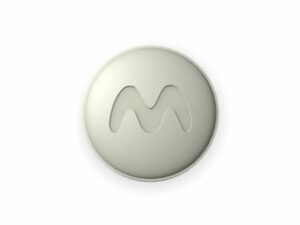

Arcoxia (Etoricoxib) — Patient-Friendly Guide (UK)
Arcoxia is a medicine containing etoricoxib, used to relieve pain and inflammation in a range of musculoskeletal conditions. It belongs to a group of medicines called selective COX-2 inhibitors (also known as “COX-2 selective NSAIDs”). In the United Kingdom (UK), etoricoxib is prescribed and monitored because, like all medicines in this class, it can carry important risks—particularly for the heart, circulation, kidneys, and stomach.
This guide explains how Arcoxia works, how it’s typically used, common safety points, and practical considerations such as timing, food, alcohol, and possible interactions with other medicines.
Key product information
| Feature | Details |
|---|---|
| Active ingredient | Etoricoxib |
| Medicine type | COX-2 selective NSAID (anti-inflammatory painkiller) |
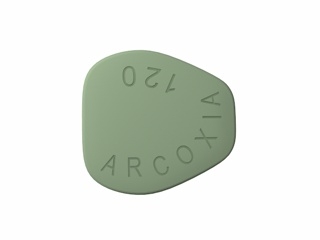
| Common strengths (examples) | Often available as 30 mg, 60 mg, 90 mg, 120 mg tablets (strengths vary by indication) |
| How it’s taken | Typically once daily, with or without food depending on dose/indication |
| Onset | Many people notice symptom relief within 1–2 hours (varies) |
| Typical duration | For the shortest time that effectively controls symptoms |
| Special note | Higher doses and longer use can increase risk of side effects |
What is Arcoxia used for?
Arcoxia is used to treat pain and inflammation associated with specific conditions. Depending on the diagnosis and individual risk factors, the prescriber may choose an appropriate dose.
Common indications in the UK
- Osteoarthritis (joint pain and stiffness)
- Rheumatoid arthritis (inflammatory joint disease)
- Ankylosing spondylitis (inflammatory spine condition)
- Acute gout flares (sudden severe joint pain/swelling)
- Short-term treatment of acute pain conditions in some circumstances, as clinically appropriate
Important: Arcoxia helps symptoms (pain, inflammation) but does not cure the underlying disease.
How Arcoxia works (mechanism of action)
Etoricoxib blocks an enzyme called cyclo-oxygenase-2 (COX-2). COX-2 is involved in making prostaglandins—chemicals that contribute to pain, inflammation and fever.
By selectively inhibiting COX-2, Arcoxia may reduce:
- Pain in inflamed areas
- Swelling and stiffness
- Inflammatory responses
Because it is COX-2 selective, it may cause less stomach irritation than some non-selective NSAIDs in certain people—but GI and kidney risks can still occur, especially at higher doses or with other risk factors.
Pharmacokinetics: how the body handles etoricoxib
Pharmacokinetics describes how the medicine is absorbed, processed, and eliminated.
Absorption
- Etoricoxib is absorbed after taking a tablet and reaches peak blood levels typically within about 1 hour under fasting conditions.
- After taking food, peak levels may occur a bit later depending on the meal type, but overall absorption is generally effective.
Distribution
- Etoricoxib distributes into tissues including inflamed areas.
- It binds to plasma proteins to a significant extent.
Metabolism (processing)
- It is largely metabolised by the liver via enzyme pathways (including CYP enzymes).
- This is why liver health and drug interactions can be important.
Elimination
- Metabolites are eliminated primarily via the kidneys (urine).
- In people with reduced kidney function, careful assessment is needed.
Half-life (duration in the body)
- Etoricoxib has a relatively long duration of action, supporting once-daily dosing in many indications.
Typical dosing and timing (UK-focused)
Always follow local prescribing advice and the dose you were given. The dose depends on the condition and your individual risk factors (for example: previous stomach ulcers, high blood pressure, heart or circulation disease, kidney function, or interacting medicines).
General dosing approach
- Use the lowest effective dose for the shortest period.
- Once daily dosing is common due to the medicine’s duration of action.
Timing
- Many people take Arcoxia at the same time each day to maintain steady control of symptoms.
- For faster symptom relief, some people prefer taking it after food if this suits them, although timing with meals can influence how quickly levels rise (see food section below).
Dosing table (illustrative)
The exact strength and duration must be based on your clinical situation.
| Condition (examples) | Typical dose range used in practice | Duration approach |
|---|---|---|
| Osteoarthritis | Often 30 mg to 60 mg once daily | Use the shortest effective course |
| Rheumatoid arthritis | Often 60 mg once daily (individualised) | Ongoing control may be required under monitoring |
| Ankylosing spondylitis | Often 60 mg once daily (individualised) | Longer-term symptom control may be needed |
| Acute gout flare | Often 120 mg once daily | Usually short-term for the flare |
Do not exceed the prescribed maximum daily dose, and do not combine with other NSAIDs unless specifically advised.
Food interactions: can you take Arcoxia with meals?
Arcoxia can generally be taken with or without food. Food may affect the time it takes for the medicine to reach peak levels, which can influence how quickly you feel relief.
Practical guidance
- If you take it on an empty stomach, some people may feel effects a bit sooner.
- If you’re sensitive to stomach discomfort, taking it with food may feel better.
- Consistency helps—try to keep to a routine that suits your body and schedule.
Gastric protection: Even though etoricoxib is COX-2 selective, stomach protection may be considered in some people with higher GI risk (for example, history of ulcer/bleeding). Your healthcare professional will decide whether this is appropriate.
Alcohol and medicine interactions
Alcohol
While occasional moderate alcohol may not directly “cancel out” Arcoxia, combining alcohol with NSAIDs can increase risk of:
- Stomach irritation and bleeding
- Kidney strain (especially if you become dehydrated)
- Worsened blood pressure control
Practical tip: If you drink alcohol, consider keeping it modest and avoid binge drinking. Seek advice if you have a history of ulcers, GI bleeding, kidney disease, liver disease, or uncontrolled blood pressure.
Medicine interactions (important)
Etoricoxib can interact with several commonly used medicines. Tell your pharmacist or prescriber about all medicines you take, including over-the-counter products.
- Other NSAIDs (e.g., ibuprofen, naproxen, diclofenac): increased risk of side effects, including stomach bleeding and kidney issues.
- Aspirin (at anti-platelet doses): may increase bleeding risk when combined with NSAIDs. Low-dose aspirin may be continued if specifically indicated for heart protection, but this should be clinician-led.
- ACE inhibitors / ARBs (e.g., ramipril, lisinopril, losartan, candesartan): in combination with NSAIDs, can increase risk of kidney problems in some people.
- Diuretics (water tablets, e.g., furosemide, bendroflumethiazide): can also increase kidney-related risk when combined.
- Anticoagulants (e.g., warfarin): NSAIDs may increase bleeding risk; monitoring is essential.
- Antiplatelet medicines (e.g., clopidogrel): may increase bleeding tendency.
- Lithium: NSAIDs can raise lithium levels, increasing toxicity risk.
- Methotrexate (particularly at higher doses): NSAIDs can affect methotrexate levels and toxicity risk.
- Cyclosporin / tacrolimus: possible increased kidney risk.
- Digoxin: interactions may affect levels in some patients.
- Strong CYP inhibitors/inducers: may change etoricoxib metabolism, affecting levels.
If you are taking medicines for blood pressure, heart conditions, kidney disease, or blood thinning, additional caution and monitoring may be required.
Safety profile: who should be cautious?
Arcoxia is generally well tolerated when used correctly, but it is not suitable for everyone. Like other COX-2 inhibitors, it can increase risk of serious complications, especially at higher doses and with longer use.
Key potential risks
- Cardiovascular (heart/circulation) risk: increased risk of thrombotic events (such as heart attack or stroke), especially in people with existing risk factors.
- Blood pressure increase: can worsen hypertension.
- Kidney effects: may reduce kidney function, particularly in dehydration or existing kidney impairment.
- Stomach and bowel effects: ulcers, bleeding, or perforation can occur even with COX-2 selective medicines.
- Fluid retention: can lead to swelling (oedema) and may worsen heart failure in susceptible individuals.
- Allergic reactions: including rash, swelling, or breathing difficulty (seek urgent help).
- Liver effects: uncommon, but liver function may need monitoring in those with risk factors.
People who should seek specific medical advice before use
- History of heart disease or stroke
- Uncontrolled high blood pressure
- History of stomach ulcer or GI bleeding
- Kidney disease or dehydration
- Liver disease
- Breathing problems such as asthma triggered by NSAIDs
- Pregnancy (particularly later pregnancy) and breastfeeding—discuss with a healthcare professional
Stop and get urgent help if you develop symptoms such as chest pain, sudden weakness on one side, shortness of breath, black/tarry stools, vomiting blood, severe allergic swelling, or severe skin reactions.
Practical use tips (how to get the best results safely)
Use it the right way
- Follow the dosing plan exactly (dose and duration).
- Do not take with other NSAIDs (unless advised), such as ibuprofen or naproxen.
- Stay hydrated, especially during hot weather or if unwell with vomiting/diarrhoea.
- Monitor blood pressure if you have hypertension or are at cardiovascular risk.
- Consider protecting your stomach and kidneys by avoiding dehydration and discussing gastroprotection if you have a history of ulcers/bleeds.
What to do if you miss a dose
- If you remember soon after, take it if it’s still close to your usual time.
- If it’s near the time for the next dose, skip the missed dose.
- Do not double up to make up for a missed dose.
How to reduce side effect risk
- Use the lowest effective strength.
- Avoid long-term continuous use unless benefits outweigh risks under monitoring.
- Review your medicine list regularly with a clinician, especially if you start new treatments.
Alternative options for pain and inflammation
If Arcoxia isn’t suitable, alternatives may include other anti-inflammatory medicines, pain relievers, or non-drug strategies. The best choice depends on your condition and your medical risk profile.
Medication alternatives
- Other NSAIDs (non-selective) such as ibuprofen, naproxen, or diclofenac—may have different GI and kidney risk profiles.
- Paracetamol (acetaminophen) for pain relief—may be used for mild pain, though it may not control inflammation as effectively.
- Topical NSAIDs (e.g., diclofenac gel) for some localized joint problems—often with lower systemic exposure.
- For gout flares, alternatives may include colchicine or corticosteroids, depending on the individual and timing of the flare.
Non-medicine options
- Physiotherapy and targeted exercise
- Weight management (where relevant) and joint-friendly activity
- Heat/cold therapy for symptom control
- Supportive measures such as braces or orthotics for some conditions
Your prescriber can help decide which option best balances effectiveness and safety for you.
UK market and legal context (overview)
In the UK, medicines containing etoricoxib (Arcoxia) are regulated by the Medicines and Healthcare products Regulatory Agency (MHRA). Use is based on the authorised product information and the advice of UK healthcare professionals.
COX-2 inhibitors are widely recognised for requiring cautious prescribing. UK healthcare guidance emphasises:
- Using the lowest effective dose
- Reassessing benefit regularly
- Considering cardiovascular, GI, and renal risks
- Avoiding unnecessary combination with other NSAIDs
In online pharmacy settings, eligibility and safe supply processes are designed to ensure medicines are provided appropriately and that key safety checks are performed.
Recent guidance and safety updates (what to watch for)
Across recent years, clinical focus for NSAIDs/COX-2 inhibitors has consistently been on minimising harm and improving patient safety. While specific recommendations can evolve, common UK themes include:
- Higher vigilance for cardiovascular risk, particularly at higher doses.
- Careful assessment of kidney function, especially in older adults and those taking diuretics/ACE inhibitors/ARBs.
- GI risk evaluation in patients with ulcer/bleeding history.
- Use of shortest duration compatible with symptom control.
Because guidance may be updated by professional bodies, it’s wise to check with a healthcare professional if your circumstances change—for example, new symptoms, new heart/kidney issues, or starting medicines like blood thinners or blood pressure agents.
Delivery and availability in the UK
Arcoxia availability can vary by strength and packaging, depending on the supplier and current demand. Many online pharmacies aim to provide:
- Clear stock information (some strengths may be temporarily unavailable)
- Discrete delivery packaging
- Reliable dispatch times and tracking where available
Delivery considerations: Delivery timeframes depend on the service selected, your location in the UK, and whether stock is held locally. Some medicines may take longer if you choose a less common strength.
If you need Arcoxia for ongoing management, it’s helpful to allow extra time when ordering—particularly if your supply is running low.
Frequently asked questions (FAQ)
1) Is Arcoxia the same as ibuprofen or naproxen?
Arcoxia (etoricoxib) is an NSAID, but it is COX-2 selective. Ibuprofen and naproxen are non-selective NSAIDs. They may differ in side-effect patterns and suitability for different patients.
2) How quickly does Arcoxia work?
Many people notice improvement within 1–2 hours, but this can vary based on dose, the condition being treated, and whether you’ve eaten.
3) Can I take Arcoxia with food?
Yes. Arcoxia can generally be taken with or without food. Food may slightly affect the speed at which the medicine reaches peak levels, but it doesn’t usually prevent it from working.
4) Can I take Arcoxia with alcohol?
It’s best to keep alcohol modest. Alcohol can increase the risk of stomach irritation and may affect kidney strain. If you have a history of ulcers, bleeding, kidney problems, or liver disease, ask for advice.
5) What should I avoid while taking Arcoxia?
- Avoid taking another NSAID at the same time (unless told otherwise).
- Be cautious with alcohol, and avoid dehydration.
- If you take blood thinners or multiple medicines, make sure your pharmacist checks for interactions.
6) Who is at higher risk of side effects with Arcoxia?
Risk can be higher in people with existing heart disease, stroke history, uncontrolled high blood pressure, kidney impairment, prior stomach ulcer/bleeding, or those taking certain interacting medicines.
7) Can I use Arcoxia long-term?
Sometimes long-term use is considered when benefits outweigh risks, but it should be done under regular review. The usual principle is the lowest effective dose and regular reassessment.
8) What side effects are common?
Commonly reported effects can include headache, dizziness, stomach discomfort, and fluid retention (swelling). However, you should seek medical advice if symptoms are persistent or worsening.
9) What are warning signs that mean I should stop and seek urgent help?
Get urgent help for chest pain, sudden weakness or facial drooping, severe shortness of breath, black or bloody stools, vomiting blood, severe allergic reactions (swelling of face/lips, difficulty breathing), or severe skin reactions.
10) Are there alternatives if I can’t take Arcoxia?
Yes. Alternatives may include other NSAIDs, topical treatments, paracetamol, and gout-specific options such as colchicine or corticosteroids—depending on your condition and risk factors.
Remember: This page provides general information about Arcoxia (etoricoxib). If you’re unsure whether it is appropriate for you—especially if you have heart disease, high blood pressure, kidney problems, a history of ulcers, or you take other medicines—speak to a qualified healthcare professional or pharmacist for individual advice.