Baclofen (UK) – Patient Information
Baclofen is a medicine used to treat muscle stiffness and spasms, helping to reduce painful tightening of muscles. It is commonly prescribed in the United Kingdom for conditions where muscle over-activity causes discomfort and limits movement. This guide explains how baclofen works, what to expect, how to take it safely, and where to find extra support.
Key information at a glance
- Medicine name: Baclofen
- What it helps: Muscle spasm and stiffness (spasticity)
- How it works: Reduces nerve signalling that increases muscle tone
- Common forms: Tablets and, in some situations, other strengths/formulations
- How long it takes: Some relief may be noticed within days; full benefit can take longer depending on the condition
- Important safety point: Do not stop suddenly—this can cause withdrawal symptoms
Basic product information
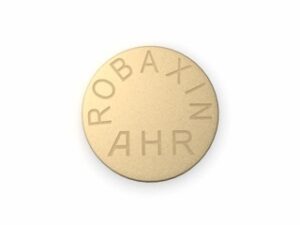
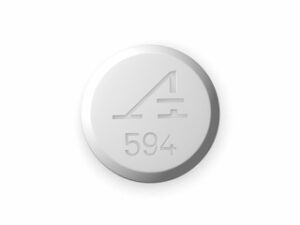
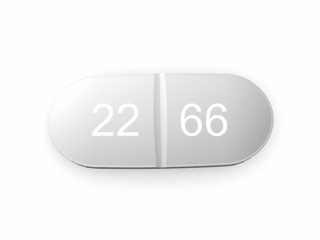
Baclofen is a centrally acting muscle relaxant. In the UK, it may be available under different branded or generic formulations depending on local supply. Your exact product strength and dosing schedule may vary.
- Active ingredient: Baclofen
- Therapeutic group: Muscle relaxant (antispastic agent)
- Typical setting: Used in long-term management of spasticity
If you are unsure which strength you have been given (for example 10 mg or 25 mg), check the label or package. Always follow the dosing plan provided by your healthcare professional.
How baclofen works (mechanism of action)
Baclofen is thought to work by acting mainly on the central nervous system (brain and spinal cord). It reduces the activity of certain nerve pathways involved in muscle contraction.
More specifically, baclofen is a GABA (gamma-aminobutyric acid) receptor agonist, particularly at GABA-B receptors. Activation of these receptors helps decrease the release of neurotransmitters that promote muscle tone. The result is:
- Less muscle stiffness
- Reduced painful spasms
- Improved mobility and comfort
Pharmacokinetics (how the body handles baclofen)
Pharmacokinetics describes how a medicine is absorbed, distributed, metabolised, and eliminated. While exact values can vary between individuals, baclofen generally follows a predictable pattern.
- Absorption: Baclofen is absorbed after taking it by mouth.
- Distribution: It reaches the central nervous system, which is why it affects muscle tone and spasm control.
- Metabolism: Baclofen is not extensively metabolised in the body.
- Elimination: It is mainly eliminated via the kidneys.
Because clearance depends largely on kidney function, your dose may need adjustment if you have reduced kidney function (see “Safety profile” and “Practical use tips”).
Typical use in the UK
Baclofen is used to treat spasticity, a condition where muscles become overly tight and can spasm. Spasticity may arise due to neurological conditions.
Common indications
- Multiple sclerosis (MS)
- Spinal cord injury
- Other neurological conditions where spasticity is a major symptom (your clinician will determine suitability)
Baclofen may be used for both short-term flare control and long-term symptom management. The goal is to reduce pain, improve posture, ease mobility, and help daily activities.
Timing and how to take baclofen
Baclofen dosing is individual. Many people start on a lower dose and increase gradually to reduce side effects such as drowsiness.
When to take it
- Follow your dosing schedule: Take it at the times stated on your label.
- Split dosing is common: If prescribed multiple times daily, distribute doses evenly.
- Consistency helps: Try to take doses around the same times each day.
With or without food
Baclofen can generally be taken with or without food. For some people, taking it with food helps reduce stomach discomfort.
Missed dose
If you miss a dose, take it when you remember unless it is close to the next dose. If you are unsure, ask your pharmacist for advice. Do not take a double dose to make up for the missed tablet.
Food interactions
Baclofen is not widely known for major food restrictions. However, individual tolerance may vary.
- No specific “must avoid” foods are generally recommended.
- If food improves comfort or reduces nausea, consider taking it with meals.
- Be careful with large alcohol-containing drinks (see alcohol section), as alcohol can worsen dizziness and sedation regardless of meals.
Alcohol and medicine interactions
Because baclofen can affect the brain and cause drowsiness, alcohol may increase these effects.
Alcohol
- Try to avoid alcohol while taking baclofen, especially when starting or increasing the dose.
- Alcohol combined with baclofen can increase risks such as excess sedation, impaired coordination, and dizziness.
Other medicines that may interact
Baclofen may interact with medicines that affect the central nervous system. Tell your healthcare professional and pharmacist about all medicines you take, including over-the-counter products and herbal remedies.
Particular caution is advised if you take:
- Opioid pain medicines (e.g., morphine, oxycodone, codeine)
- Sedatives or sleeping tablets (e.g., benzodiazepines)
- Some antidepressants that can cause drowsiness (depending on the agent)
- Other muscle relaxants
- Medicines that cause dizziness
If you need to start a new medicine, ask your pharmacist whether there are any interaction concerns with baclofen.
Dosing: what people commonly use
Baclofen dosing varies depending on the condition, age, and kidney function. In practice, clinicians often begin at a low dose and increase gradually until the desired balance between symptom relief and side effects is achieved.
Typical approach (titration)
- Start low: Often the first doses are smaller to reduce drowsiness or weakness.
- Increase slowly: Dose adjustments are usually made gradually.
- Use the lowest effective dose: Long-term benefit is balanced against tolerability.
Your exact dose and number of daily tablets should come from your prescriber and be written on your prescription label or medicine plan.
Example dosing table (illustrative only)
The table below is a general example of how titration may be handled; it is not a substitute for your individual instructions. Always follow your label.
| Stage | Common goal | What may happen |
|---|---|---|
| Initiation | Reduce spasm while minimising side effects | Start with a low dose, often divided through the day |
| Titration | Find the best symptom control | Dose increased gradually based on response and tolerability |
| Maintenance | Sustain benefit | Remain on the lowest effective total daily dose |
If you have kidney problems, your doctor may need to lower the dose or adjust how quickly titration occurs.
Safety profile and important precautions
Like all medicines, baclofen can cause side effects. Many are related to the nervous system and tend to be more noticeable when starting treatment or increasing the dose.
Common side effects
- Drowsiness or fatigue
- Dizziness
- Weakness
- Nausea or stomach discomfort
- Headache
- Dry mouth
- Constipation
Less common but serious concerns
Seek medical advice promptly if you experience:
- Severe sleepiness, confusion, or unusual behaviour
- Breathing difficulties (especially when combined with alcohol, opioids, or sedatives)
- Fainting or severe dizziness
- Allergic reaction such as swelling of the face/lips or difficulty breathing
Do not stop suddenly
Stopping baclofen abruptly can lead to withdrawal symptoms and a return of severe muscle spasm. If you need to discontinue, your clinician will usually reduce the dose gradually.
Who should be especially cautious
- People with kidney impairment (baclofen is mainly removed by the kidneys)
- Elderly patients who may be more sensitive to dizziness and falls risk
- People driving or operating machinery, especially when starting or adjusting the dose
- Anyone taking other central nervous system depressants (see interaction section)
Practical use tips (helpful, day-to-day)
- Plan for drowsiness: When you first start, consider avoiding tasks that require alertness until you know how you respond.
- Stand up slowly: Dizziness can occur—take care when moving from sitting or lying positions.
- Track your symptoms: Note spasm frequency, pain levels, and any side effects. This helps clinicians adjust dose effectively.
- Hydrate and manage constipation: If constipation occurs, discuss diet, fluid intake, and appropriate remedies with a pharmacist.
- Keep a medicine list: Include all prescriptions, over-the-counter products, and supplements to review interactions.
- Use as part of a routine: Baclofen works best when taken consistently as advised.
If side effects become troublesome, do not stop suddenly—contact your healthcare professional or pharmacist for guidance on dose adjustment.
Alternative options (what else may be considered)
Treatment for spasticity can vary depending on cause, severity, and individual circumstances. If baclofen is not suitable or not tolerated, your clinician may consider other approaches, such as:
- Other antispastic medicines (your healthcare professional can explain the options that fit your condition)
- Physiotherapy and stretching programs to reduce stiffness and improve function
- Occupational therapy for posture, mobility aids, and daily living strategies
- Orthotics or supportive devices to improve alignment
- Botulinum toxin injections for certain focal spasticity patterns
- Specialist interventions in selected cases (for example, treatments delivered directly in specific settings)
Which alternative is appropriate depends on your diagnosis, pattern of spasm (generalised vs focal), overall health, and other medicines you take.
Market and legal context in the United Kingdom
In the UK, the availability and use of baclofen is governed by medicines regulation and clinical guidance. Baclofen is an established medicine used in NHS and private practice for spasticity. As with other prescription medicines, supply is managed through licensed channels and patient-specific guidance.
Pharmacy services in the UK focus on safe use, including checking interactions, kidney function considerations, and ensuring the correct dosing instructions are understood. If you are buying medicines online, choose a reputable, regulated provider and verify that the product details match your prescribed strength and formulation.
Recent guidance and safety awareness (general)
- Conservative titration: Clinical practice commonly emphasises starting low and increasing gradually to reduce sedation and dizziness.
- Interaction awareness: Extra caution is advised when combining with alcohol, opioids, or other sedatives.
- Withdrawal prevention: Healthcare professionals advise against abrupt stopping to avoid withdrawal symptoms.
Guidance may evolve as more safety data become available. For the most up-to-date advice, consult your pharmacist or clinician.
Delivery and availability
Availability can vary by strength and formulation. A reliable UK online pharmacy typically provides:
- Secure ordering through a regulated website
- Clear product information including strength, form, and manufacturer details
- Delivery updates so you know when to expect your parcel
- Packaging designed for safe transit
Delivery times depend on stock status and the service selected at checkout. If an item is temporarily out of stock, some suppliers may offer alternatives (for example, different brands or strengths) subject to clinical suitability.
FAQ – Baclofen
1. What is baclofen used for?
Baclofen is used to reduce muscle stiffness and spasms (spasticity), commonly related to conditions such as multiple sclerosis or spinal cord injury.
2. How quickly does baclofen work?
Some people notice improvement within the first few days, but for others it may take longer. Dose titration to find the best balance can also influence how quickly you feel effects.
3. Can I take baclofen with food?
Yes. Baclofen can generally be taken with or without food. If you feel nausea or stomach discomfort, taking it with meals may help.
4. Is baclofen safe to take with alcohol?
It is best to avoid alcohol while taking baclofen, particularly when starting or increasing the dose. Alcohol can increase drowsiness and dizziness and may raise the risk of dangerous side effects.
5. What if I’m feeling very sleepy?
Drowsiness can happen, especially early on. Avoid driving or hazardous tasks. Contact your pharmacist or prescriber for advice—dose adjustments may be needed rather than stopping suddenly.
6. Can I stop baclofen suddenly?
No. Do not stop abruptly. Withdrawal symptoms and worsening spasticity may occur. If discontinuation is needed, it should be done gradually under medical guidance.
7. Does baclofen affect kidney function?
Baclofen is mainly removed by the kidneys. If you have kidney impairment, you may be at higher risk of side effects, and your dose may require adjustment.
8. What medicines should I avoid while taking baclofen?
Be cautious with medicines that cause sedation, including opioids, sleeping tablets, and benzodiazepines. Always check with your pharmacist about interactions, especially before starting any new medicine.
9. Can I drive while taking baclofen?
Baclofen may cause dizziness or drowsiness. Whether you can drive safely depends on how you personally respond and your dose stage. Do not drive if you feel sleepy or unsteady.
10. Are there alternatives if baclofen doesn’t suit me?
Yes. Depending on your spasticity pattern and overall health, clinicians may consider other antispastic medicines, physiotherapy strategies, or specialist treatments such as botulinum toxin for focal spasticity.
When to seek urgent medical help
Contact urgent medical services if you experience severe allergic symptoms, breathing difficulties, extreme drowsiness, collapse, or severe confusion. If you are combining baclofen with alcohol, opioids, or sedatives and develop concerning symptoms, seek help immediately.
For routine concerns, your pharmacist can help with side effect management, missed doses, and interaction checks. If your symptoms worsen or you cannot tolerate the medicine, speak to your healthcare professional for an updated plan.