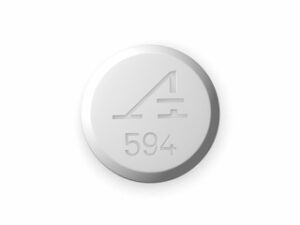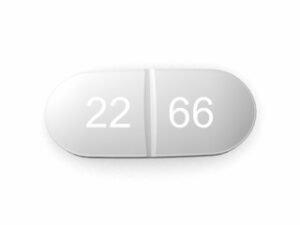

Colofac (Mebeverine Hydrochloride) – Patient Information (UK)
Colofac is a medicine commonly used to help relieve symptoms of bowel spasm associated with conditions such as irritable bowel syndrome (IBS). It contains mebeverine hydrochloride, an antispasmodic medicine designed to ease discomfort by relaxing the gut’s muscle activity.
This guide explains how Colofac works, when to take it, typical dosing, what to expect, and important safety information for people in the United Kingdom.
Quick overview
- Medicine name: Colofac
- Active ingredient: Mebeverine hydrochloride
- What it’s for: Relief of bowel spasm symptoms (often IBS-related)
- Type: Antispasmodic
- How it’s taken: Usually by mouth, according to the specific product strength/form
- Common benefits: May reduce cramping, pain, and discomfort linked to spasms
Note: Always follow the instructions provided with your specific Colofac pack and/or any advice from a healthcare professional.
What Colofac is and what it’s used for
Indications (what it may help)
Colofac is used to treat symptoms related to functional bowel disorders, especially irritable bowel syndrome (IBS), where abdominal cramps and bowel spasm are common.
People commonly take antispasmodic medicines like mebeverine when they experience:
- Crampy abdominal pain
- Spasms or “twinges” in the lower abdomen
- Discomfort that tends to come in waves
- Symptoms linked to bowel movements (for example, relief after going to the toilet)
Colofac is intended to help symptoms. It is not a cure for IBS, but it can make day-to-day life more comfortable for many people by reducing spasm-related discomfort.
Who it is for
Colofac is generally suitable for many adults with IBS-type symptoms. Use in children should be based on the product information and professional advice, as age limits can vary by formulation. Check your pack for details.
How Colofac works (mechanism of action)
Mebeverine hydrochloride works as an antispasmodic. In simple terms, it helps calm the abnormal muscle contractions (spasms) within the intestines.
While the exact biological pathways are complex, the result is:
- Reduced muscle spasms in the bowel wall
- Improved comfort by decreasing crampy pain
- It may help normalise gut motility without causing major loss of normal function
Colofac is not an antibiotic and does not treat infections directly. Its focus is on smoothing spasm-related symptoms.
When it starts working (timing) and what to expect
Many people begin to feel symptom relief within hours after taking a dose. For others, symptom improvement may be more noticeable over several days, especially if taken regularly for a period during symptom flare-ups.
Practical timing tips
- If you take Colofac regularly for IBS symptoms, try to keep your dosing schedule consistent.
- If symptoms are predictable (for example, linked to stress or certain meals), taking Colofac as advised before expected triggers may help some people.
- Track your symptoms for a week or two to understand whether Colofac improves cramping/pain for you.
Dose and how to take Colofac
Dosing can depend on the specific Colofac presentation you have (for example, capsule/tablet strength). Always check your pack for the exact dose instructions.
Typical adult dosing (general guidance)
Many mebeverine products used for IBS are taken before meals and in divided doses during the day. Common adult regimens may look like:
- Usually: taken two to three times daily, depending on the formulation
- Often: before breakfast and before other main meals
Important: The most accurate dose is the one printed on your product carton/leaflet. If you are unsure, check with a pharmacist.
How to take
- Swallow with water.
- Follow the “take before meals” advice if it appears on your pack.
- Do not exceed the recommended dose.
If you miss a dose
If you forget a dose, take it when you remember unless it is close to the time for the next dose. Do not take a double dose to make up for the missed one.
Food interactions and taking with meals
Food can affect how and when medicines are absorbed. For Colofac, many formulations are designed to be taken before meals to help align dosing with the timing of gut symptoms.
What to do
- Take as directed: If your pack recommends taking before meals, follow that advice.
- Consistent routine: Taking it at similar times each day can improve predictability.
In general, there are no major dietary restrictions for mebeverine, but everyone’s IBS triggers differ. You may still need to manage dietary factors (for example, high FODMAP foods, caffeine, or lactose) in addition to medication.
Alcohol interactions
Colofac is not primarily a sedating medicine, so it is not usually associated with strong alcohol-related side effects. However, alcohol can worsen IBS symptoms for many people, leading to increased cramping, diarrhoea, or discomfort.
Recommendation
- If you choose to drink alcohol, do so in moderation.
- Consider whether alcohol triggers your IBS symptoms.
- If you notice worsening symptoms after alcohol, reducing or avoiding alcohol may help.
If you experience unusual dizziness, severe abdominal pain, or worsening symptoms, seek advice.
Medicine interactions (other medicines and supplements)
Mebeverine has relatively limited interaction potential for many users. That said, medicine interactions can depend on your overall treatment and medical history.
General safety checklist
- Tell a pharmacist or healthcare professional about all medicines you take, including over-the-counter products and herbal remedies.
- Be cautious with medicines that may affect the gut (for example, other antispasmodics, laxatives, or bowel motility treatments) and keep advice consistent across products.
If you are taking multiple medicines, a pharmacist can quickly check for interactions and advise on timing.
Pharmacokinetics (how the body handles Colofac)
Pharmacokinetics describes what happens after you take a medicine—absorption, distribution, metabolism, and elimination. The details can vary by formulation and individual factors.
Absorption
After oral administration, mebeverine is absorbed from the gastrointestinal tract. The medicine is then processed by the body into metabolites.
Metabolism
Mebeverine is metabolised in the body. Metabolic pathways convert it into metabolites that may contribute to its overall effect.
Excretion
The metabolites are mainly eliminated from the body, typically via the urine and/or other routes depending on metabolism and individual physiology.
For most patients, the key practical takeaway is that dosing is designed to maintain symptomatic control through the day when used as directed.
Safety profile: side effects and when to seek help
Like all medicines, Colofac can cause side effects, although not everyone gets them. Many side effects are mild and temporary.
Common or mild side effects
Side effects are uncommon for many users, but you should be aware of possible effects such as:
- Headache
- Dizziness
- Changes in bowel habits (in IBS this can be difficult to separate from the condition itself)
- Mild stomach upset in some people
Serious side effects (seek urgent medical advice)
Get urgent medical help if you develop signs of an allergic reaction, such as:
- Swelling of the face, lips, tongue, or throat
- Difficulty breathing or wheezing
- Severe rash, hives, or widespread itching
Also seek prompt advice if you experience persistent or worsening abdominal pain, blood in stool, unexplained weight loss, fever, or symptoms that are new or significantly different from your usual IBS pattern. These may require assessment for other conditions.
Driving and operating machinery
Colofac is not known for causing significant drowsiness in most people. However, individual reactions vary. If you feel dizzy, avoid driving or using machinery until you feel well again.
Practical tips for using Colofac effectively
- Use alongside lifestyle strategies: Medication may help spasms, but IBS is often influenced by diet, stress, sleep, and gut sensitivity. Combining approaches can be more effective.
- Keep a symptom diary: Note cramping intensity, bowel changes, meals, stress level, and timing of doses.
- Take at the right time: If your pack says “before meals,” follow that for best symptom alignment.
- Allow time to judge effectiveness: Give it several doses and monitor trends rather than expecting instant results only once.
- Don’t ignore red flags: If symptoms change suddenly or become severe, consult a healthcare professional.
Alternative options for IBS-related symptoms (UK)
If Colofac does not fully control your symptoms, there are other options that may be considered depending on your main IBS symptoms (pain/cramps, constipation, diarrhoea, or mixed patterns).
Possible alternatives
- Other antispasmodics: Some people respond better to different antispasmodic medicines.
- Dietary approaches: A trial of a low FODMAP diet or identifying personal triggers may reduce symptoms.
- Bulk-forming agents: For constipation-predominant symptoms, fibre supplements can help some individuals.
- Osmotic or stool-modifying treatments: For constipation or diarrhoea, different therapies may be considered.
- Symptom-targeted therapies: For diarrhoea-predominant IBS, specific treatments may be used.
Availability and suitability vary. A pharmacist or clinician can recommend the most appropriate option based on your symptom pattern.
UK market and legal context (what this means for you)
In the United Kingdom, medicines are regulated to protect patient safety and ensure quality. Colofac is supplied in line with UK medicines legislation and is typically available through authorised pharmacy channels.
For online pharmacies, regulated products are supplied with clear product information, dosing instructions, and patient guidance. Always check that the product you receive is from a reputable, UK-compliant supplier and includes a valid pack/leaflet.
Recent guidance and responsible use
Guidance for IBS management commonly emphasises:
- Assessment of symptoms: Ensuring symptoms fit IBS and do not suggest another condition.
- Lifestyle and dietary strategies: Considering fibre, trigger reduction, and stress management.
- Stepwise treatment: Using appropriate medicines based on predominant symptoms.
- Review and follow-up: Reassessing treatment effectiveness and tolerability.
If symptoms do not improve with treatment, or if they change, it’s important to seek medical advice.
Delivery and availability (UK)
Colofac is typically available from online pharmacies and registered UK sellers, subject to stock levels. Delivery times vary depending on your location and the courier used.
- Availability: Subject to pharmacy stock and any purchasing restrictions.
- Packaging: Medicines are supplied in tamper-evident packaging where applicable.
- Tracking: Many services provide dispatch updates and tracking.
If you need your medicine quickly, choose the delivery option shown at checkout and allow time for processing.
Storage
- Store at room temperature as directed on the pack.
- Keep the medicine in its original packaging.
- Keep out of the sight and reach of children.
- Do not use after the expiry date on the pack.
Colofac at a glance
| Topic | What you should know |
|---|---|
| Active ingredient | Mebeverine hydrochloride |
| Type | Antispasmodic medicine |
| Main symptom target | Bowel spasm-related cramping and abdominal discomfort (often IBS) |
| How it works | Helps relax intestinal muscle activity to reduce spasms |
| Typical timing | Often taken before meals; follow your specific product instructions |
| Food interaction | Many formulations recommend taking before meals for best symptom control |
| Alcohol | No major direct interaction expected, but alcohol can worsen IBS symptoms for many people |
| Side effects | Usually mild; seek help for allergy symptoms or severe/worsening pain |
| When to get advice | New severe symptoms, blood in stool, weight loss, persistent fever, or no improvement |
FAQ about Colofac (Mebeverine Hydrochloride)
1. Is Colofac suitable for IBS?
Colofac is commonly used to relieve symptoms associated with IBS, particularly crampy pain and bowel spasm. It treats symptoms rather than curing the underlying condition.
2. How long should I take Colofac?
Many people take it during symptom flare-ups or as advised in their product instructions. If symptoms persist or keep returning, discuss with a healthcare professional for a review and a personalised plan.
3. When will I feel better?
Some people notice improvement within hours, while others find it takes a few days of regular use to see a clear benefit. Consistent timing (often before meals) can help.
4. Should I take Colofac before or after meals?
Many Colofac instructions recommend taking it before meals. Always follow the instructions on your specific pack.
5. Can I drink alcohol while taking Colofac?
Colofac is not typically strongly sedating, but alcohol can worsen IBS symptoms in some people. If you notice symptoms after alcohol, reducing or avoiding it may be best.
6. What side effects might occur?
Side effects are uncommon. Possible mild effects may include headache or dizziness. Seek urgent advice if you develop signs of an allergy (such as swelling or difficulty breathing) or if abdominal pain becomes severe or changes significantly.
7. Can I take Colofac with other medicines?
Generally, mebeverine has limited interaction potential, but it’s important to check with a pharmacist if you take other medicines, especially those affecting the gut. Keep a list of all medicines and supplements to share.
8. What should I do if my symptoms get worse?
If symptoms worsen, new red-flag symptoms appear (blood in stool, fever, unexplained weight loss), or you feel unwell, stop and seek medical advice promptly.
9. Is Colofac safe for everyone?
Most adults can use it safely when taken as directed. However, suitability can depend on medical history, age, and other medications. Check the pack leaflet and seek advice if you are unsure.
10. Are there alternatives if Colofac doesn’t work for me?
Yes. Depending on your symptom pattern, other antispasmodics, diet strategies, or different symptom-targeted treatments may be considered. Discuss options with a pharmacist or clinician.
Important reminder
This information is designed to help you understand Colofac and use it responsibly. It does not replace the patient information leaflet supplied with your medicine. If you have concerns about your symptoms or how to take Colofac, ask a pharmacist for advice.