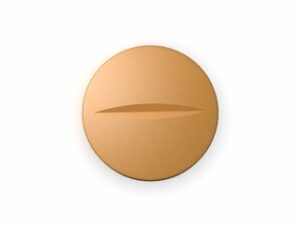
Beloc (Metoprolol) – Patient Guide (UK)
Beloc contains the active ingredient metoprolol, a medicine used to help control certain heart and circulation conditions. It belongs to a group of medicines called beta-blockers. This guide explains what Beloc is for, how it works, how it is taken, and important safety information—written in a patient-friendly way for people using online pharmacy services in the United Kingdom.
Note: This information is general. Always follow the advice provided with your specific product and speak to a clinician if you are unsure.
Basic product information
| Category | Details |
|---|---|
| Medicine | Beloc (metoprolol) |
| Type | Beta-adrenergic blocking agent (beta-blocker) |
| Common uses | Angina, certain heart rhythm problems, heart failure (in suitable cases), high blood pressure, and prevention after heart attack (depending on regimen) |
| How it may be taken | Usually tablets; dosing schedules differ by condition and whether an immediate- or modified-release formulation is used |
| Availability (UK) | Often available via pharmacy supply in accordance with UK medicines regulations |
How Beloc works (mechanism of action)
Metoprolol is a beta-blocker. It works by blocking the effects of adrenaline (and related stress hormones) on beta receptors in the heart and blood vessels.
In practical terms, this can:
- Slow the heart rate and reduce the force of contraction
- Lower blood pressure by reducing the heart’s workload and influencing blood vessel tone
- Reduce oxygen demand of the heart muscle, which can help with angina
- Stabilise certain abnormal heart rhythms by affecting electrical signalling in the heart
The exact benefit depends on the condition being treated and the dose prescribed.
Pharmacokinetics: how the body handles metoprolol
Pharmacokinetics describes how a medicine is absorbed, distributed, metabolised and eliminated. Key points for metoprolol include:
- Absorption: Metoprolol is absorbed after taking by mouth. The extent and speed of absorption can vary between people and between formulations.
- Distribution: It is distributed throughout the body, with effects primarily on the heart and circulation.
- Metabolism: Metoprolol is largely metabolised by the liver, mainly via the CYP2D6 enzyme system.
- Elimination: Metabolites are excreted primarily in urine.
- Individual differences: People with different CYP2D6 activity (genetic differences) may experience different blood levels and effects.
Implications for patients: Because it is metabolised in the liver, other medicines that affect CYP2D6 can change how metoprolol works. Clinicians may adjust dose based on response, heart rate, blood pressure, and side effects.
What Beloc is used for (indications)
Beloc (metoprolol) may be used for several cardiovascular conditions, including:
- High blood pressure (hypertension) – to help lower blood pressure and reduce cardiovascular risk.
- Angina pectoris – to reduce frequency and severity of chest pain episodes.
- Heart rhythm problems – such as certain cases of fast heart rate (for example, rate control in atrial arrhythmias, where appropriate).
- After a heart attack – to reduce risk of further cardiac events in suitable patients (depending on the overall treatment plan).
- Heart failure – for selected patients with stable heart failure, as part of guideline-based therapy.
- Other specialist uses – in some settings where a beta-blocker is indicated.
Not every beta-blocker is suitable for every person. The choice and dose depend on your diagnosis, symptoms, and other medical conditions.
When to take Beloc (timing and routine)
Consistent timing helps maintain stable effects. Your exact schedule depends on the formulation and your treatment plan.
- Take at the same times each day to help maintain steady blood levels.
- If you forget a dose: generally take it when you remember if it is close to the next dose. If it is almost time for the next dose, skip the missed dose and continue as usual. Do not double up.
- Do not stop suddenly: stopping beta-blockers abruptly can cause worsening angina, increased heart rate, and in some people other complications. If stopping is needed, clinicians usually taper the dose gradually.
Practical tip: Many people find it helpful to link taking Beloc with a daily routine (e.g., breakfast and evening meal) and keep a reminder on a phone or medication organiser.
Food interactions and effects
Metoprolol can generally be taken with or without food, but food may influence how quickly it is absorbed. In real-life use:
- Taking with food may reduce stomach upset for some people.
- Keep your routine consistent (for example, always take with meals or always between meals) unless your healthcare professional advises otherwise.
If you experience dizziness, tiredness or changes in heart rate soon after a dose, you may want to discuss whether your timing or formulation is appropriate.
Alcohol and medicine interactions
Alcohol
Drinking alcohol while taking metoprolol may increase side effects such as:
- Dizziness or light-headedness
- Low blood pressure (especially when standing)
- Fatigue
Moderation is sensible. If you notice excessive dizziness or faintness, reduce alcohol further and seek medical advice promptly.
Other medicines: important interactions
Metoprolol can interact with several other medicines, potentially affecting heart rate, blood pressure, or drug levels. Examples include:
- Other heart medicines:
- Verapamil or diltiazem (calcium channel blockers) – may increase risk of slow heart rate or conduction problems.
- Amiodarone or other antiarrhythmics – may influence heart rhythm and rate.
- Digoxin – may increase risk of slowed heart rate or other rhythm effects.
- Blood pressure medicines (e.g., ACE inhibitors, ARBs, other antihypertensives):
- may add to blood pressure-lowering effects.
- Medicines affecting liver enzymes (CYP2D6):
- Some antidepressants and other drugs can increase metoprolol levels, making side effects more likely.
- Other medicines may reduce effectiveness.
- Diabetes medicines:
- Beta-blockers can mask some warning signs of low blood sugar (hypoglycaemia), such as a fast heartbeat.
- Asthma/COPD medicines:
- Non-selective beta-blockers can interfere with some inhalers, but metoprolol is more cardio-selective than some others; still, caution is needed and asthma symptoms should be monitored.
- Non-steroidal anti-inflammatory drugs (NSAIDs):
- Regular NSAID use may reduce antihypertensive effect in some cases.
- Clonidine (and similar):
- Stopping clonidine while on beta-blockers can cause blood pressure problems. If either is stopped, clinicians typically plan carefully.
Always tell a pharmacist or clinician about:
- All medicines you take (including over-the-counter products)
- Herbal supplements
- Inhalers for asthma/COPD
Dosing: how much and how often
Dose varies widely depending on the condition being treated, your response, and any other health issues. For safety, it’s important to follow the dosing instructions supplied with your medicine.
As a general patient guide:
- Start low and adjust gradually in many cases, particularly for heart failure or rhythm control.
- Rate and blood pressure monitoring may be used to guide dose changes (e.g., pulse rate, blood pressure, symptoms).
- For missed doses, do not take extra doses to “catch up”.
Do not change your dose or stop Beloc without medical advice. If you feel the medicine is too strong (e.g., very slow pulse, marked dizziness) or not effective, speak to a clinician promptly for review.
Safety profile: common and important side effects
Most people tolerate metoprolol well, but side effects can occur. The most common are typically related to its heart-rate and blood pressure-lowering effects.
Common side effects
- Tiredness or reduced energy
- Dizziness or light-headedness
- Slow heart rate (bradycardia)
- Cold hands and feet
- Sleep disturbances (sometimes vivid dreams)
- Shortness of breath or reduced exercise tolerance in some people
- Gastrointestinal symptoms such as nausea
Less common but important effects
- Worsening of existing heart conduction problems (e.g., certain types of block)
- Breathing difficulties in sensitive individuals (especially those with asthma)
- Mood changes in some people
- Sexual dysfunction may occur
Seek urgent help if you get
- Fainting or severe dizziness
- Chest pain that is new or worsening
- Severe breathlessness or wheezing
- Signs of an allergic reaction (swelling of face/lips, rash, severe itching, difficulty breathing)
Side effects vary by person and dose. If you experience troubling symptoms, speak to a clinician—do not stop abruptly on your own.
Practical use tips (getting the best results)
- Monitor your pulse and blood pressure if advised: Especially at the start of treatment or after dose changes.
- Stand up slowly: Helps reduce dizziness from blood pressure changes.
- Keep appointments: Regular review helps ensure it’s working and safe.
- Use a medication organiser: Helps avoid missed doses.
- Carry a medicine list: In case you need urgent care, you’ll have details ready.
- Don’t “double dose”: If you miss one, follow the advice for missed doses and continue your schedule.
If you are managing angina or a rhythm disorder, also ensure you understand what symptoms require prompt medical attention (e.g., new chest pain pattern, persistent palpitations, or fainting).
Alternative options
If Beloc is not suitable or not tolerated, clinicians may consider other beta-blockers or different classes of cardiovascular medicines depending on the condition.
Other beta-blockers that may be considered
- Bisoprolol
- Atenolol
- Carvedilol
- Metoprolol succinate (where available in modified-release forms)
Non-beta-blocker alternatives (depending on indication)
- Calcium channel blockers (e.g., amlodipine, verapamil, diltiazem)
- ACE inhibitors or ARBs (often for hypertension/heart failure)
- Diuretics (for fluid-related symptoms)
- Antiarrhythmic strategies for rhythm conditions (specialist-led)
The “best alternative” depends on your diagnosis, other conditions (such as asthma or diabetes), and how your heart rate and blood pressure respond.
UK market and legal context (what it means for you)
In the United Kingdom, medicines are supplied through regulated routes and controlled under national and UK-wide legislation. Beloc (metoprolol) is generally made available through pharmacy channels in line with legal requirements, including:
- Quality and safety standards set for medicines sold in the UK
- Pharmacist review where required, to support safe supply and appropriate use
- Clear product information (such as patient leaflets and SmPC details) to help people use medicines correctly
- Controlled advice processes to ensure appropriate suitability checks
Supply practices can vary by product strength, formulation, and local pharmacy procedures. An online pharmacy should clearly display availability, delivery options, and guidance about how to use your medicine safely.
Recent guidance and clinical monitoring (high-level)
In the UK, cardiovascular treatment is regularly reviewed to align with major international guidance and updates from bodies such as the NICE (National Institute for Health and Care Excellence), along with specialist cardiology recommendations.
In general, for beta-blocker use:
- Heart rate and blood pressure monitoring are important—especially during dose changes.
- Heart failure management typically follows stepwise, evidence-based therapy and careful titration.
- Do not stop suddenly: gradual withdrawal is usually recommended to avoid rebound symptoms.
- Assess co-existing conditions (e.g., asthma, diabetes) and adjust approach accordingly.
If you are using Beloc for a long-term heart condition, regular follow-up supports safe long-term use.
Delivery, availability, and what to expect from an online pharmacy
When ordering Beloc through an online pharmacy website serving the United Kingdom, you can typically expect:
- Clear stock information indicating whether the medicine is currently available.
- Delivery options based on UK addresses (commonly standard or next-day services, depending on supplier).
- Packaging safeguards designed to protect tablets during transit.
- Product-specific instructions included with your order (e.g., leaflets and administration notes).
Availability may vary for different strengths or formulations. If a product is temporarily unavailable, a reputable pharmacy should explain options such as ordering later or alternative brands where clinically appropriate.
Frequently asked questions (FAQ)
1) Is Beloc the same as metoprolol?
Yes. Beloc is a brand name that contains metoprolol as the active ingredient. Different brands may contain the same active ingredient, but excipients and release profiles can differ.
2) How long does Beloc take to work?
Some effects (like slowing the heart rate) may be felt relatively soon after starting. For benefits such as blood pressure control or angina prevention, it may take days to weeks to achieve full effect. Your clinician may monitor and adjust dose based on response.
3) Can I stop Beloc if I feel better?
Do not stop suddenly. Beta-blockers need to be withdrawn gradually under medical guidance to reduce the risk of rebound symptoms such as faster heart rate or worsening angina. If you want to stop, discuss a safe tapering plan with a clinician.
4) What should I do if I miss a dose?
Generally, take it when you remember unless it is almost time for the next dose. If close to the next dose, skip the missed dose. Do not double to make up for a missed tablet.
5) Can I take Beloc with food?
Often yes. Many people take it with or after food to help tolerability. Try to keep your timing consistent unless advised otherwise.
6) Will Beloc affect my driving or working?
Some people experience dizziness or tiredness, especially at the start or after dose changes. If you feel unwell or dizzy, avoid driving or operating machinery until you feel steady.
7) Is Beloc safe for people with asthma or COPD?
Caution may be needed. Metoprolol is more cardio-selective than some other beta-blockers, but it can still influence airways in sensitive individuals. If you have asthma or COPD, discuss your inhaler use and symptoms with your healthcare team, and seek advice if breathing worsens.
8) Does Beloc mask signs of low blood sugar?
Yes. Beta-blockers can reduce awareness of some symptoms of hypoglycaemia such as a fast heartbeat. If you have diabetes, monitor blood sugar carefully and be aware of other symptoms (such as sweating, confusion, or weakness).
9) Can I drink alcohol?
Moderate alcohol may be tolerated, but it can increase dizziness or low-blood-pressure effects. If you notice light-headedness or faintness, reduce alcohol and seek advice.
10) What medicines should I avoid or be cautious with?
Tell your pharmacist about all medicines, including over-the-counter products and herbal supplements. Particular caution may apply with other heart-rate-lowering drugs (e.g., certain calcium channel blockers), antiarrhythmics, and medicines that alter liver enzymes (CYP2D6). Your pharmacist can check specific interactions for your medication list.
Summary
Beloc (metoprolol) is a beta-blocker used in the UK to manage conditions such as high blood pressure, angina, and certain heart rhythm problems, and it may be used in appropriate patients for heart failure and after heart attack. It works by reducing the heart’s workload and slowing the effects of adrenaline on the heart and circulation.
For best results, take Beloc at the same times daily, avoid sudden stopping, and be aware of possible side effects such as tiredness, dizziness, and a slower pulse. If you have questions about interactions (including alcohol), or if you experience concerning symptoms, speak to a pharmacist or clinician promptly.