Carvedilol (for heart conditions) — Patient-Friendly Guide (UK)
Carvedilol is a medicine used to treat several cardiovascular conditions, particularly where the heart needs support to work more efficiently and safely. This page explains how carvedilol works, how it is typically taken, common interactions and safety points, and what to expect in day-to-day use in the United Kingdom.
Basic product information
- Medicine name: Carvedilol
- Medicinal class: Beta-blocker with additional alpha-blocking effects
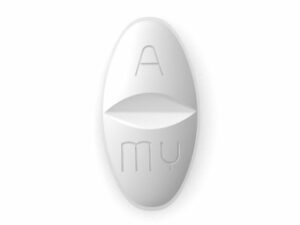
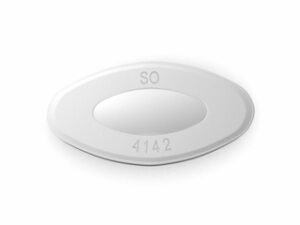
- Common forms: Tablets (strength varies by brand/manufacturer)
- How it is supplied in the UK: Through UK pharmacies according to relevant regulatory requirements
- Who it is for: Adults with specified heart and circulatory conditions
Carvedilol may be prescribed under different brand names. Always check the exact product strength on your box and follow the instructions you are given.
How carvedilol works (mechanism of action)
Carvedilol helps your heart and blood vessels in two key ways:
- Beta-blocking (primarily β1 and β2 effects): It slows the heart rate and reduces the heart’s workload. By blocking certain “stress signals” from adrenaline and noradrenaline, it helps the heart beat more steadily and with less strain.
- Alpha-blocking (α1 effects): It relaxes blood vessels, which can lower blood pressure and improve circulation.
In heart failure, carvedilol can help the heart become more efficient over time. In some people, it can also reduce symptoms such as breathlessness or swelling. For high blood pressure, it helps lower pressure and reduce strain on the heart.
Pharmacokinetics (what the body does to the medicine)
Pharmacokinetics describes absorption, distribution, metabolism, and elimination—how carvedilol moves through the body.
- Absorption: Carvedilol is absorbed after oral dosing. Taking it with food can improve absorption and help reduce some stomach-related side effects.
- Onset: Some blood-pressure effects can begin within hours, but full benefit—especially in heart failure—may take weeks.
- Distribution: It distributes into body tissues and acts on both heart and blood vessels.
- Metabolism: Carvedilol is metabolised mainly in the liver.
- Elimination: It is cleared from the body primarily through metabolism and elimination of breakdown products.
- Individual variation: Blood levels can differ between people due to age, liver function, other medicines, and overall health.
If you have liver impairment or you take interacting medicines, your healthcare professional may adjust the dose and monitor you more closely.
Typical uses in the UK
Carvedilol is used for cardiovascular conditions such as:
- Chronic heart failure (long-term heart failure): Often alongside other treatments (for example ACE inhibitors/ARBs/ARNI, diuretics, and certain other heart medicines), depending on your clinical situation.
- Hypertension (high blood pressure): To lower blood pressure and reduce the risk of cardiovascular events.
- After a heart attack (in selected patients): In some clinical scenarios, carvedilol may be used to support long-term heart protection where appropriate.
- Stable angina (some cases): To help reduce symptoms related to reduced blood flow to the heart muscle.
Not everyone with these conditions will be suitable for carvedilol. The right choice depends on heart rhythm, blood pressure, other illnesses (such as asthma), and current medications.
Indications and when it may be considered
The “indication” is the reason a medicine is used. Carvedilol is considered for conditions where lowering heart rate and relaxing blood vessels can help reduce symptoms and improve outcomes.
| Condition | What carvedilol may help with | Typical goal |
|---|---|---|
| Chronic heart failure | Lower heart workload, reduce symptoms, and support long-term function | Improve symptoms and reduce risk of worsening |
| Hypertension | Reduce blood pressure via effects on the heart and blood vessels | Lower cardiovascular risk |
| Angina (where appropriate) | Reduce heart’s oxygen demand and improve stability | Reduce frequency/severity of chest pain |
| Post-myocardial infarction (selected patients) | Support recovery and reduce further strain on the heart | Long-term cardiac protection |
Dosing — general guidance
Dose depends on the condition being treated, your age, blood pressure, heart rate, kidney/liver function, and how well you tolerate the medicine.
Important: Always follow the directions given on your medication label and by your healthcare professional. Do not change dose or stop carvedilol abruptly.
Common dosing patterns
- Heart failure: Typically started at a low dose and increased gradually (“titration”) to reduce the risk of low blood pressure or worsening symptoms early on.
- Hypertension: Usually started at a lower dose and adjusted based on blood pressure response.
- Frequency: Carvedilol is often taken twice daily, but your exact schedule may differ depending on your product and prescribed plan.
Missed dose
- If you miss a dose, take it when you remember unless it is close to the next scheduled dose.
- Do not take a double dose to make up for a missed tablet.
- If you are unsure, ask a pharmacist for advice.
Timing — how to take carvedilol during the day
Most people take carvedilol in the morning and evening. Consistency matters because regular dosing helps maintain steady blood levels and reduces swings in blood pressure and heart rate.
- Try to take it at the same times each day.
- Rising slowly can help: If you feel light-headed, stand up slowly—especially when moving from lying down to sitting or standing.
- Monitor symptoms early: During dose increases, some people feel dizzy or unusually tired for a short period.
If your healthcare professional adjusts your dose, follow the new schedule carefully and keep follow-up appointments for blood pressure and heart-rate monitoring.
Food interactions and effects of meals
Carvedilol can be taken with or without food depending on the prescriber’s advice and your specific product instructions. However, taking it with food may improve absorption and can help reduce side effects such as dizziness or nausea.
- With meals: Often preferred, especially at the start or after dose changes.
- Be consistent: If you choose one approach (with or without food), try to keep it consistent day to day.
Grapefruit and grapefruit juice can interact with some medicines metabolised in the liver, depending on the individual and product. If you are unsure, it is safest to ask a pharmacist before using grapefruit regularly.
Alcohol interactions
Alcohol can increase the risk of side effects such as dizziness, fainting, and low blood pressure when combined with carvedilol.
- Avoid heavy drinking and be cautious with alcohol—especially when starting carvedilol or after dose increases.
- Watch for symptoms: If you feel unusually light-headed, weak, or have blurred vision, avoid alcohol until you speak to your healthcare professional.
If you have a history of liver disease or are receiving multiple medications that affect blood pressure, seek specific guidance.
Medicine interactions (including common interaction categories)
Several medicines can interact with carvedilol, affecting either its levels or the effect on blood pressure and heart rhythm. Tell your pharmacist or prescriber about all medicines and supplements you use, including over-the-counter products.
Potentially important interaction types
- Other blood-pressure medicines: Combining with other antihypertensives can increase the chance of low blood pressure.
- Heart rhythm medicines: Some antiarrhythmics and other agents that slow heart rate can increase risk of bradycardia (slow heart rate) or heart block.
- Calcium-channel blockers: Some types used for angina/hypertension (particularly those that slow the heart) may add to heart-rate-lowering effects.
- Diabetes medicines: Beta-blockers can sometimes mask signs of low blood sugar (such as fast heartbeat). Carvedilol may still affect symptom awareness.
- Non-steroidal anti-inflammatory drugs (NSAIDs): Regular NSAID use may reduce blood pressure-lowering effect and affect kidney function in some people, especially those on diuretics or with kidney disease.
- Medicines affecting liver enzymes: Carvedilol is metabolised in the liver, so drugs that inhibit or induce certain enzymes may change carvedilol levels.
- Clonidine: Stopping clonidine suddenly (if used) can cause rebound high blood pressure; if combined with a beta-blocker, stopping either should be coordinated with a clinician.
- Asthma/COPD treatments: Non-selective beta-blockers can worsen bronchospasm in susceptible people. Tell your prescriber if you have asthma, wheeze, or COPD.
Herbal and supplements
- Some herbal products may affect blood pressure or heart rate. For example, certain supplements may influence liver metabolism or coagulation.
- Always check with a pharmacist before starting new supplements.
Safety profile — who should be cautious
Like all medicines, carvedilol can cause side effects. Many are dose-related and improve over time, especially when the dose is increased gradually.
Common side effects
- Dizziness or light-headedness (especially when standing)
- Tiredness, weakness, or fatigue
- Low blood pressure (hypotension)
- Slow heart rate (bradycardia)
- Headache
- Nausea or mild stomach discomfort
- Fluid retention changes in heart failure patients early in treatment
Less common but important side effects
- Worsening breathlessness or wheeze (more likely in asthma/COPD)
- Fainting or marked dizziness
- Symptoms of heart block (severe slow pulse, collapse, or severe weakness)
- Cold hands/feet due to blood-vessel effects
- Liver issues (rare): report unusual itching, dark urine, or yellowing of eyes/skin
Seek urgent medical help if
- You faint or have severe dizziness
- You develop severe breathing difficulty
- You have chest pain that is new or worsening
- You have signs of a severe allergic reaction (swelling of face/lips, difficulty breathing, rash)
Practical use tips for best results
- Do not stop suddenly: Stopping beta-blockers abruptly can worsen heart conditions. If discontinuation is needed, it should be guided gradually by a healthcare professional.
- Be careful when standing: If you feel dizzy, sit or stand more slowly. Hydration may help unless you have been told to restrict fluids.
- Track your pulse and blood pressure if advised: Many people benefit from home monitoring, especially after dose adjustments.
- Know your target symptoms: For heart failure, report weight gain, increased breathlessness, or swelling changes promptly.
- Keep a medication list: Include all prescriptions, over-the-counter medicines, and supplements for interaction checking.
- Take with food if it suits you: This can improve tolerability for many people.
Alternative options
Alternative medicines depend on the condition being treated and your medical history. Common alternatives may include:
- Other beta-blockers: Such as metoprolol or bisoprolol (often considered in heart failure and angina contexts).
- Calcium-channel blockers: Used for angina and hypertension in selected patients.
- ACE inhibitors/ARBs/ARNI, and diuretics: Often used alongside or instead of beta-blockers in heart failure regimens.
- Other antihypertensives: Such as thiazide-like diuretics or aldosterone antagonists, depending on your needs.
Only a clinician can decide the most suitable alternative for you. If carvedilol causes troublesome side effects, it may be possible to adjust dose or switch to a different option.
Carvedilol and heart failure monitoring (helpful day-to-day points)
If you take carvedilol for heart failure, you may be asked to monitor symptoms closely, especially during the first weeks and when doses change. Practical things you can do include:
- Daily weight: If advised, weigh yourself at the same time each day. Sudden increases can indicate fluid retention.
- Breathlessness: Note changes during rest and activity.
- Swelling: Watch for swelling in ankles/legs and sudden increases in bloating.
- Pulse changes: Very slow pulse or feeling faint should be reported.
Recent guidance and UK healthcare context
In the UK, management of heart failure and hypertension follows evidence-based clinical guidance and local NHS pathways. Beta-blockers—including carvedilol—are used as part of a broader treatment plan, typically alongside other medicine groups where appropriate.
- Heart failure care: Optimisation is usually gradual and closely monitored, especially during titration.
- Blood pressure and heart rate checks: Monitoring helps balance effectiveness with tolerability.
- Medication reviews: Regular reviews support safe long-term use and interaction checking.
- Safety emphasis: Worsening breathlessness, fainting, and very slow heart rates are treated as red-flag symptoms.
Your prescriber may align treatment with current NHS guidance and your individual clinical factors.
Delivery and availability in the United Kingdom
Carvedilol is widely available through UK pharmacy networks. Online pharmacies may offer home delivery depending on stock availability, local arrangements, and regulatory requirements.
- Availability: Stock levels can vary by strength and brand. If your preferred strength is temporarily unavailable, an alternative equivalent option may be offered (subject to availability and suitability).
- Delivery: Delivery times depend on location and courier services. Some medicines may require more specific handling or lead times.
- Tracking: Many delivery services provide tracking updates to your account or email.
- Packaging: Usually protective packaging to maintain product integrity during transit.
If you have urgent needs (for example, if you are running low), check with customer service to confirm dispatch and delivery timing.
Storage and handling
- Store at room temperature unless your label instructs otherwise.
- Keep in the original packaging to protect from light and moisture.
- Keep out of the reach and sight of children.
- Check expiry date on the box.
FAQ — Carvedilol
1) What is carvedilol used for?
Carvedilol is used for conditions such as chronic heart failure and high blood pressure (and in selected situations angina or after a heart attack), depending on your clinical assessment.
2) How quickly will it work?
Some blood-pressure and heart-rate effects may start within hours. However, in heart failure, the full benefit often takes weeks as dose adjustments and longer-term heart changes occur.
3) Should I take carvedilol with food?
It can often be taken with food to improve absorption and tolerability. If you’ve been advised a specific way, follow your personal instructions and try to keep dosing consistent.
4) Can I drink alcohol while taking carvedilol?
Alcohol can increase dizziness and low blood pressure. It’s best to avoid heavy drinking and be cautious—especially at the start of treatment or after dose changes.
5) What side effects should I watch for?
Common effects include tiredness, dizziness, and slower heart rate. Seek urgent help for fainting, severe breathlessness/wheezing, chest pain that is severe or new, or signs of an allergic reaction.
6) Can I stop carvedilol suddenly?
No. Stopping abruptly can worsen symptoms and may be unsafe. If you need to stop, it should be done gradually with medical supervision.
7) What should I do if I miss a dose?
Take it when you remember unless it is close to the next dose. Do not take a double dose. If unsure, ask a pharmacist.
8) Does carvedilol interact with other medicines?
Yes. Blood pressure medicines, heart rhythm drugs, some diabetes medicines, NSAIDs, and certain asthma/COPD considerations can affect safety and effectiveness. Always check your full medicine list with a pharmacist.
9) Is carvedilol safe for people with asthma?
Caution is needed. Carvedilol is a non-selective beta-blocker and may worsen bronchospasm in people with asthma or certain breathing conditions. Discuss your breathing history with your healthcare professional.
10) What monitoring might I need?
You may have blood pressure and heart-rate checks, and in heart failure you may also be asked to monitor weight and symptoms, particularly after starting or changing dose.
Summary
Carvedilol is a beta-blocker that also relaxes blood vessels, making it a valuable treatment for chronic heart failure and high blood pressure in many adults. It works by lowering heart workload and improving circulation, with effects that develop over time—especially for heart failure. For safety, dosing changes are usually gradual, and it’s important to avoid sudden stopping. Paying attention to timing, food consistency, alcohol caution, and medicine interactions can help you get the most from treatment while reducing side effects.
If you have questions about how carvedilol fits with your other medicines or your health conditions, a pharmacist can provide tailored advice.