Coreg (Carvedilol) — Patient-Friendly Information (UK)
Coreg is the brand name of carvedilol, a medicine used to treat certain heart conditions and to help some people manage long-term heart health. This page explains how Coreg works, what it’s used for, how it’s usually taken, and important safety information—written in clear, patient-friendly language for people in the United Kingdom.
Basic product information
- Medicine name: Carvedilol
- Brand name: Coreg
- Medicine type: Beta-blocker (non-selective) with alpha-blocking activity
- How it works: Lowers the heart’s workload and helps widen blood vessels
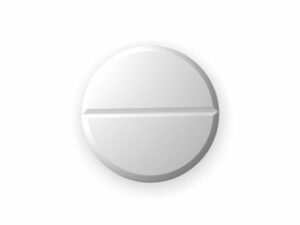
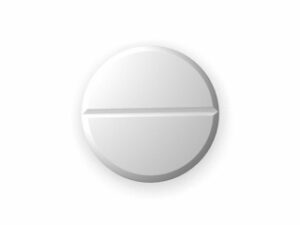
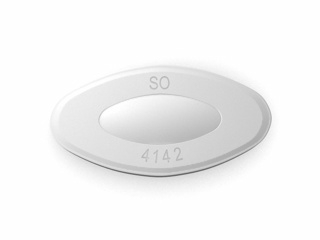
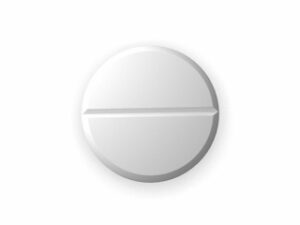
- Common presentations in the UK: Tablets (strengths vary by product availability)
- Who it’s for: Adults with specific cardiovascular conditions
What Coreg is used for (indications)
Coreg may be used in adults for the following conditions, depending on individual clinical circumstances. Your prescriber will decide which treatment is best for you.
-
Chronic (long-term) heart failure (symptomatic)
- Often used in combination with other heart failure medicines.
- It helps improve symptoms and can improve outcomes.
-
Hypertension (high blood pressure)
- To help lower blood pressure and reduce risk of cardiovascular complications.
-
Angina pectoris (chest pain due to reduced blood flow to the heart)
- To help reduce frequency and severity of angina episodes.
How Coreg works (mechanism of action)
Carvedilol blocks certain signals from the body that make the heart work harder. It has two main effects:
-
Beta-blocking action:
- Reduces heart rate and the force of contraction.
- Helps lower the heart’s oxygen demand.
-
Alpha-blocking action:
- Relaxes and widens blood vessels.
- Helps reduce blood pressure and improves blood flow.
In heart failure, carvedilol is carefully titrated (dose increased gradually) because the body needs time to adjust. When used appropriately, it can help improve symptoms, quality of life, and long-term outcomes.
Pharmacokinetics (how the body handles Coreg)
Pharmacokinetics describe what happens to a medicine after you take it—such as absorption, distribution, metabolism, and elimination. For Coreg, the key practical points are:
| Topic | What to expect (generalised) |
|---|---|
| Absorption | Absorbed from the gastrointestinal tract; food can affect how quickly and how much is absorbed. |
| Onset | Effects on heart rate and blood pressure typically begin after dosing; noticeable improvement may take days to weeks (especially for heart failure/hypertension). |
| Distribution | Widespread distribution within the body, including the cardiovascular system. |
| Metabolism | Primarily metabolised by the liver. |
| Elimination | Eliminated via metabolic pathways; renal function may not be the main driver, but overall health affects tolerability. |
| Half-life | Carvedilol has a dosing schedule designed to maintain steady clinical effect; follow your prescribed schedule. |
Because carvedilol is metabolised in the liver, dose changes and monitoring may be considered in people with liver impairment. Your clinician may also consider interactions with other medicines that affect liver enzymes.
Typical timing: when to take Coreg
Coreg is usually taken twice daily (morning and evening), but exact timing depends on your formulation and dose instructions. The aim is consistent daily levels of the medicine.
- Take at the same times each day to help maintain steady effect.
- If you’re starting or increasing dose, your clinician may recommend a specific plan for titration.
- Try to take it with food (see food interactions below) unless you were told otherwise.
If you miss a dose, take it when you remember unless it is close to the next dose. In that case, skip the missed dose—avoid doubling. If you are unsure, ask a pharmacist.
Food interactions and eating advice
Food can influence carvedilol absorption. Many patients are advised to take Coreg with food to improve tolerability and to reduce the chance of certain side effects such as dizziness or light-headedness.
- Generally: Take Coreg with meals or shortly after eating.
- Consistency matters: Try not to alternate between taking it with and without food day-to-day.
- If you have difficulty eating: Speak with a pharmacist or clinician—there may be ways to improve tolerability safely.
Alcohol interactions
Alcohol can increase the risk of dizziness, fainting, and low blood pressure when taken alongside blood pressure-lowering medicines like carvedilol.
- Limit alcohol where possible, especially at the start of treatment or after dose increases.
- Be cautious if you feel light-headed when standing.
- If you drink alcohol regularly, discuss your typical intake with your healthcare professional.
Medicine interactions (important safety section)
Coreg can interact with other medicines, affecting heart rate, blood pressure, or the way carvedilol is processed by the liver. Always tell your pharmacist or clinician about everything you take, including over-the-counter products and herbal remedies.
Examples of interactions to discuss
-
Other blood pressure medicines:
- May lead to additive lowering of blood pressure.
-
Other medicines that slow the heart (e.g., certain anti-arrhythmics and some heart-rate medicines):
- May increase the risk of bradycardia (slow heart rate) or heart block.
-
Calcium channel blockers:
- Some types can also slow the heart; combined effects may require careful monitoring.
-
Digoxin (for some heart conditions):
- May change levels and/or effect on heart rhythm—monitoring may be needed.
-
Anti-diabetic medicines (insulin or tablets):
- Carvedilol can mask some symptoms of low blood sugar (e.g., fast heartbeat).
- Monitoring blood glucose becomes especially important.
-
Medicines affecting liver enzymes (inhibitors or inducers):
- May raise or lower carvedilol levels.
-
Non-steroidal anti-inflammatory drugs (NSAIDs) (e.g., ibuprofen, naproxen):
- May affect blood pressure and kidney function in some people, especially if dehydrated or at risk of kidney problems.
-
Asthma/COPD medicines:
- Because carvedilol blocks beta receptors, it can sometimes worsen breathing symptoms in people with asthma or certain lung diseases.
Important safety note
If you develop symptoms such as unusual breathlessness, pronounced slow heartbeat, worsening dizziness, or fainting, seek medical advice promptly. Do not stop Coreg suddenly unless a clinician advises it—sudden withdrawal can worsen angina or lead to rebound heart rate/blood pressure problems.
Dosing: how Coreg is commonly prescribed
Dose regimens vary based on the condition being treated, your age, other health conditions (such as liver or kidney function), and how you tolerate carvedilol. Your clinician will usually start at a low dose and increase gradually, particularly in heart failure.
General dosing principles (not a substitute for your plan)
- Start low to reduce the chance of low blood pressure, dizziness, or slow pulse.
- Increase gradually (titration) to reach an effective and safe dose.
- Adjustments may be needed after changes in:
- other medicines
- fluid balance (e.g., dehydration)
- illness (e.g., vomiting/diarrhoea)
- kidney or liver function
- Do not take extra doses to “catch up” if you miss one.
Examples of how titration may work
People with heart failure typically follow a structured titration schedule. Clinicians often monitor:
- blood pressure
- heart rate
- symptoms (fatigue, breathlessness, swelling)
If symptoms worsen during dose changes, the plan may be adjusted (for example, reducing the dose or slowing the titration). This should be done with healthcare guidance.
Safety profile: who should be careful
Like all medicines, Coreg can cause side effects. Many people tolerate it well, especially when dosing is started low and increased gradually. However, certain conditions require extra caution.
Common side effects
- Dizziness or light-headedness (especially when standing)
- Fatigue or tiredness
- Slow heart rate (bradycardia)
- Low blood pressure
- Headache
- Nausea or stomach upset
- Weight changes in the context of heart failure treatment (fluid balance may be involved)
Serious or urgent side effects (seek medical advice)
Contact a healthcare professional promptly or seek urgent help if you experience:
- Fainting or severe dizziness
- Markedly slow pulse, feeling very weak, confusion, or collapse
- Worsening shortness of breath, wheezing, or new breathing difficulties
- Symptoms of an allergic reaction (swelling of face/lips, rash, difficulty breathing)
- Chest pain worsening or signs of an acute heart problem
- Severe fatigue with unusually low blood pressure
Conditions that may increase risk
- Asthma or certain chronic lung diseases (due to beta-blocking effects)
- Very slow heart rate or conduction problems (e.g., certain heart blocks)
- Low blood pressure or tendency to faint
- Severe liver impairment (may require careful monitoring)
- Diabetes, particularly if prone to low blood sugar
Stopping Coreg
Do not stop carvedilol suddenly without medical advice. The heart can react to abrupt withdrawal, potentially leading to worsening angina or other problems. If discontinuation is planned, it is typically done gradually under clinical supervision.
Practical tips for taking Coreg
- Take with food if advised (often helps with tolerability).
- Stand up slowly to reduce dizziness, especially during the first days or after dose changes.
- Monitor your pulse and blood pressure if your healthcare team has recommended it. Keep a simple log to discuss at appointments.
- Be consistent: same times each day helps maintain steady effects.
- Keep an eye on symptoms: breathlessness, swelling, fatigue, chest discomfort, or faintness should be reported.
- Plan for “sick days”: if you’re vomiting or have diarrhoea, dehydration can make blood pressure drop more—ask your pharmacist or clinician what to do with your medicines during illness.
- Medication list readiness: carry an up-to-date list of your medicines (including over-the-counter drugs) for safety.
Recent guidance and UK context (high-level)
In the UK, carvedilol is recognised in clinical practice as a beta-blocker option for selected cardiovascular conditions, particularly in chronic heart failure. Ongoing updates to heart failure and cardiovascular disease guidance are published by major UK and international bodies, and local prescribing practices may follow national and evidence-based recommendations.
Clinicians often emphasise:
- Structured initiation and titration of beta-blockers in heart failure.
- Combination therapy when appropriate (depending on the patient’s condition and tolerance).
- Monitoring of blood pressure, heart rate, fluid status, and symptoms.
- Patient education to improve adherence and recognise warning signs early.
Your care team will align treatment with current evidence and local formularies. If you want, you can ask your pharmacist how your carvedilol dosing fits into your wider heart care plan.
Delivery and availability in the UK (online pharmacy)
Coreg (carvedilol) availability can vary by strength and formulation. Many UK online pharmacies can deliver within the UK, subject to:
- availability from suppliers/wholesalers
- stock levels at the pharmacy
- delivery options selected at checkout
- any clinical checks required by the pharmacy service
Delivery times differ between services; typical options may include standard and next-day delivery (where available). Always check the estimated delivery window shown on the pharmacy website at the time of order.
For cold-chain products (if any) you would normally see additional requirements, but standard tablets like carvedilol typically do not require special temperature handling. Store tablets as directed on the package.
Alternative options to Coreg
Depending on the reason you’re taking carvedilol, your clinician may consider other beta-blockers or related treatments. Alternatives depend on your diagnosis, heart rate, blood pressure, symptoms, and other medicines.
Other beta-blockers commonly considered in cardiovascular care
- Metoprolol
- Bisoprolol
- Nebivolol
- Atenolol (sometimes used in hypertension depending on local practice)
Other medicine classes (condition-dependent)
- ACE inhibitors or ARBs (often used in heart failure)
- Angiotensin receptor-neprilysin inhibitor (in some heart failure populations, if appropriate)
- Diuretics (for fluid management)
- Other anti-anginal medicines for chest pain
If you’re considering switching from Coreg to another option, do not make changes on your own. Ask your pharmacist or prescriber—switching may require careful dose planning and monitoring.
FAQ about Coreg (Carvedilol) in the UK
1) What is Coreg used for?
Coreg (carvedilol) is used for conditions such as chronic heart failure, hypertension, and angina (chest pain), depending on your individual medical history and your clinician’s plan.
2) How many times a day should I take it?
Many people take carvedilol twice daily. Follow your specific instructions on your medicine label and the advice given by your healthcare professional.
3) Should I take Coreg with food?
Often, carvedilol is better tolerated when taken with food. Consistency is important—take it the same way each day unless your clinician or pharmacist advises otherwise.
4) What if I forget a dose?
Take it when you remember unless it’s close to the next dose. If it is close, skip the missed dose. Do not take two doses at once. If you’re unsure, ask a pharmacist.
5) Can I drink alcohol while taking Coreg?
Alcohol can increase the risk of dizziness and low blood pressure. If you choose to drink, keep it moderate—especially when you’re starting or adjusting your dose. If you feel light-headed, avoid alcohol and seek advice.
6) Will Coreg slow my heart rate?
Carvedilol can lower heart rate as part of its mechanism. Your clinician may monitor your pulse and adjust dosing if needed. Contact medical help if you feel unusually weak, faint, or if symptoms are severe.
7) What side effects are most common?
Common side effects include dizziness/light-headedness, fatigue, and sometimes low blood pressure or slow pulse. Taking the dose with food and starting low can help reduce early side effects.
8) Is it safe to stop Coreg suddenly?
No—do not stop suddenly unless a clinician advises it. Stopping abruptly can worsen angina or cause other cardiovascular problems. If discontinuation is needed, it’s generally done gradually.
9) Can Coreg affect diabetes?
Beta-blockers may hide some warning symptoms of low blood sugar (for example, a fast heartbeat). People with diabetes should monitor glucose carefully and discuss target monitoring plans with their healthcare team.
10) Can Coreg worsen asthma or breathing problems?
It can in some people because it has beta-blocking activity. If you have asthma or COPD, discuss risks with your clinician and report any new or worsening wheeze or shortness of breath promptly.
11) Are there medicines I should avoid?
Coreg can interact with several medicines, including those that lower heart rate or blood pressure and some medicines affecting liver enzymes. Always tell your pharmacist about all medicines and supplements you use so they can check for interactions.
12) How should I store Coreg tablets?
Store tablets according to the instructions on the packaging (typically at room temperature, away from moisture and direct sunlight) and keep them out of the sight and reach of children. Do not use after the expiry date.
Important: This information is for general guidance. Individual suitability, dosing, and monitoring depend on your condition and other medicines. If you have concerns about side effects, dosing, or interactions, speak to a pharmacist or healthcare professional.