Conjugated Estrogens (CEE) — Patient Guide
Conjugated estrogens are medicines that contain natural oestrogen compounds used to treat certain hormone-related conditions in women. They can relieve symptoms caused by low oestrogen levels, particularly around menopause, and may be used in specific medical situations where oestrogen therapy is appropriate.
This patient-friendly guide explains what conjugated estrogens are, how they work, how they behave in the body, typical uses, how to take them safely, and practical tips to get the best from treatment. It also covers important safety information and considerations relevant to the United Kingdom.
Key Information (Quick Summary)
- What it is: A hormone medicine containing conjugated oestrogens.
- Common uses: Menopausal symptoms (e.g., hot flushes) and other specific oestrogen-responsive conditions.
- How it works: Replaces or supplements oestrogen in the body and acts on oestrogen receptors.
- Important safety note: Oestrogen therapy may not be suitable for everyone. Some forms require protection of the womb (progestogen) depending on the person’s uterus.
- How to take: Follow your prescriber’s instructions closely; timing and consistency matter.
- UK context: Oestrogen-containing medicines are regulated and should be used as part of ongoing care and risk assessment.
Basic Product Information
| Feature | What to expect |
|---|---|
| Medicine name | Conjugated estrogens (CEE) |
| Drug type | Oestrogen (hormone replacement therapy / oestrogen therapy) |
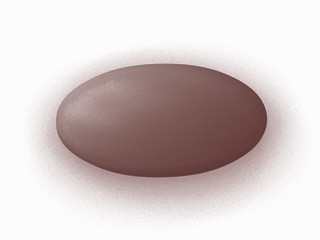
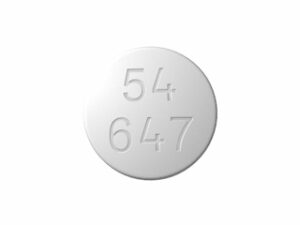
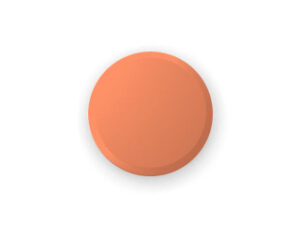
| How it may be supplied | Typically as tablets or other oral preparations depending on the brand/formulation |
| Who it’s used for | Women who need oestrogen for specific indications, depending on medical history |
| Need for combination therapy | If you still have a uterus, a progestogen is commonly used alongside oestrogens to reduce endometrial risk |
Note: The exact strength, brand name, and formulation may vary. Always check the pack for the specific details for the product you receive.
How Conjugated Estrogens Work (Mechanism of Action)
Conjugated estrogens are a form of oestrogen. Oestrogens are female sex hormones that:
- Help regulate the menstrual cycle and support reproductive tissues.
- Influence bone density and help slow bone loss.
- Affect skin, blood vessels, and cholesterol levels.
- Act on the brain and nervous system to reduce menopausal symptoms such as hot flushes and night sweats.
In the menopause transition, natural oestrogen production decreases. Conjugated estrogens help to restore oestrogen effects, which can reduce symptoms and improve quality of life.
Oestrogens exert their effects by binding to oestrogen receptors in different tissues, leading to changes in gene activity and tissue function.
Pharmacokinetics (What Happens to the Medicine in the Body)
Pharmacokinetics describes how a drug is absorbed, distributed, metabolised, and eliminated. While exact parameters can vary by formulation and individual factors, the general process for oestrogens includes:
- Absorption: After oral dosing, conjugated oestrogens are absorbed from the gastrointestinal tract into the bloodstream.
- Distribution: Oestrogens distribute to target tissues and also circulate bound to blood proteins.
- Metabolism: The liver metabolises oestrogens into various metabolites, including active and less active forms.
- Enterohepatic circulation: Some oestrogen metabolites can be reprocessed and recycled through gut–liver pathways, which can influence duration of effect.
- Elimination: Metabolites are eventually excreted, primarily via urine and bile.
Why this matters for patients: Hormone levels can be influenced by liver function, other medications, and individual metabolism. This is one reason why healthcare professionals assess risk factors and may review ongoing need for treatment.
Typical Uses in the UK
Conjugated estrogens may be used for several medical reasons, depending on the patient’s situation and risk profile.
1) Menopausal symptoms (Hormone Replacement Therapy)
- Relief of moderate to severe hot flushes (vasomotor symptoms)
- Reduction in night sweats and related sleep disruption
- Some people also experience improvement in other symptoms related to lower oestrogen levels (varying between individuals)
2) Oestrogen-responsive conditions
In some clinical contexts, oestrogens may be considered for oestrogen-responsive conditions. The suitability depends on diagnosis and overall risk assessment.
Important note about the womb (uterus)
If you have a uterus, oestrogens alone can increase the risk of endometrial hyperplasia and endometrial cancer. For most people with a uterus, a progestogen is used to help reduce this risk. If you do not have a uterus, progestogen may not be needed.
How to Take Conjugated Estrogens: Timing and Practical Use
Follow the dosing schedule provided with your product and the instructions from your healthcare professional.
Typical timing principles
- Consistency helps: Take the medicine at roughly the same time each day if you’re on a continuous regimen.
- If using a cyclic schedule: Some regimens involve taking oestrogen daily for part of the month and then stopping or changing dose; follow your specific plan.
- Do not double up: If you miss a dose, follow the instructions supplied with your medicine or seek advice. Avoid taking extra doses to “catch up” without guidance.
Practical tips
- Use reminders: A phone alarm or pill organiser can help reduce missed doses.
- Track symptom changes: Hot flushes often improve within weeks, but others may take longer. Monitoring helps decide whether continuing is beneficial.
- Keep follow-up appointments: Ongoing review is important to reassess benefits and risks and to ensure the right regimen (including whether progestogen is needed).
Food Interactions
Oestrogen tablets are often taken independently of meals. However, individual products vary, and some people may find that taking the medicine with food reduces nausea.
- General guidance: Most patients can take conjugated estrogens with or without food.
- Follow your product instructions: Check the leaflet for advice on whether food affects absorption for your exact brand/formulation.
If you experience stomach upset, discuss with a pharmacist whether taking with a light meal is appropriate for your specific product.
Alcohol and Medicine Interactions
Alcohol
Moderate alcohol intake may not directly interact with conjugated estrogens in a simple way, but heavy alcohol use can affect liver function. Since oestrogens are metabolised in the liver, significant liver impairment can increase risk of side effects.
- Practical approach: If you drink alcohol, aim for moderation and tell your healthcare professional if you have liver disease or abnormal liver tests.
- Watch for symptoms: Report unusual jaundice (yellow skin/eyes), dark urine, or severe fatigue promptly.
Important interaction concept
The key issue with oestrogens is not only alcohol, but other medicines that can increase or decrease oestrogen levels (via liver enzymes) or raise the risk of blood clots.
Medicine Interactions (What to Tell Your Pharmacist)
Several medicines can affect oestrogen levels or change the safety profile. Always inform your pharmacist or healthcare professional about all medicines you take, including:
- Herbal products (e.g., St John’s wort)
- Antibiotics and antifungals
- Anticonvulsants used for epilepsy
- Antiretrovirals used for HIV
- Anticoagulants / antiplatelets (blood-thinning medicines)
- Other hormone therapies
Why this matters: Some drugs can reduce effectiveness (leading to recurrence of symptoms), while others can raise oestrogen levels (increasing the likelihood of side effects).
Action point: Before starting or stopping any medicine, ask your pharmacist to check for interactions with conjugated estrogens.
Indications (When It’s Used)
In the UK, conjugated estrogens may be indicated for:
- Vasomotor symptoms due to menopause (e.g., hot flushes and night sweats) in eligible patients
- Prevention/treatment of certain oestrogen-related conditions, depending on clinical assessment
Suitability depends on individual risk factors and the presence/absence of a uterus, among other considerations. A clinician may tailor the regimen (dose, frequency, and whether a progestogen is required).
Dosing (General Guidance)
Dosing varies according to the indication, the severity of symptoms, patient age, and whether a uterus is present.
Important dosing principles
- Use the lowest effective dose for the shortest duration needed to control symptoms.
- Individualise therapy: the dose may be adjusted after follow-up.
- Uterus status matters: if you have a uterus, you will often need additional medication (progestogen) to protect the endometrium.
How long to use it
Oestrogen therapy is generally reviewed regularly. The decision to continue is based on a balance of:
- How well symptoms are controlled
- Your individual risk factors (e.g., history of blood clots, stroke risk, breast cancer risk)
- Alternative treatments available
Do not change your dose without medical advice.
Safety Profile: Who Should Be Cautious?
Like other hormone therapies, conjugated estrogens carry potential risks. Not everyone can take oestrogen safely.
Common side effects (may occur)
- Breast tenderness or swelling
- Nausea or abdominal discomfort
- Headache or migraine changes
- Vaginal spotting or bleeding changes, especially early in treatment
- Fluid retention (feeling puffy or swollen)
Many side effects lessen as your body adjusts, but persistent or bothersome symptoms should be discussed with a clinician.
Serious risks (seek urgent medical advice if symptoms occur)
Oestrogen therapy may increase the risk of serious events in certain circumstances. Seek urgent medical attention if you experience:
- Signs of a blood clot: sudden leg swelling/pain, chest pain, sudden shortness of breath, or coughing blood
- Stroke symptoms: sudden weakness/numbness on one side, trouble speaking, facial droop, sudden severe headache
- Severe allergic reaction: swelling of face/lips, trouble breathing, widespread rash
- Possible liver issues: yellow skin/eyes, dark urine, severe persistent fatigue
- Unusual vaginal bleeding (especially after a period of no bleeding)
Conditions that may affect suitability
Discuss your full medical history, including:
- History of blood clots or stroke
- Known hormone-sensitive cancer (or strong family history, depending on circumstances)
- Unexplained vaginal bleeding
- Significant liver disease
- Known high risk factors for cardiovascular disease
Practical Use Tips for Best Results
- Do a baseline check-in: Before starting, it’s helpful to review your risk factors and confirm whether you have a uterus.
- Regular reviews: Reassess symptoms and side effects regularly (often within the first few months, then periodically).
- Use supportive lifestyle habits: Maintain a healthy diet, regular activity, and stop smoking if applicable—these can influence cardiovascular and bone health.
- Bone health: Oestrogen can help, but long-term bone protection may also require calcium, vitamin D, weight-bearing exercise, or other medicines as appropriate.
- Track bleeding changes: Any unexpected bleeding should be discussed promptly, especially if persistent.
- Be cautious with missed doses: While a single missed dose may not cause harm, regular dosing helps maintain symptom control.
Alternative Options (If Conjugated Estrogens Aren’t Right)
Depending on your symptoms and medical history, there may be alternative treatments.
Non-hormonal options
- Certain medicines for menopausal hot flushes (chosen based on individual profile)
- Lifestyle strategies (cooling measures, layered clothing, trigger avoidance)
- Psychological and behavioural approaches for sleep and symptom coping
Different hormone options
- Other forms of oestrogen therapy (e.g., different oral oestrogens or different routes such as transdermal preparations, depending on availability and suitability)
- Adjusted regimens (dose changes or cyclic vs continuous schedules)
Discuss options with a healthcare professional: the “best” alternative depends on your risks, symptom severity, and treatment goals.
Market and Legal/Regulatory Context in the United Kingdom
In the UK, medicines containing conjugated estrogens are regulated under the medicines framework. Treatment decisions are typically made following clinical assessment and ongoing review.
Important UK patient expectations:
- Oestrogen therapy should be used at the lowest effective dose and for an appropriate duration to manage symptoms.
- Healthcare professionals consider individual risks and may recommend progestogen protection if you have a uterus.
- Patients are encouraged to have regular follow-up to review benefit vs risk.
UK guidance also highlights the importance of careful assessment—particularly for cardiovascular risk, clot risk, and cancer risk. Your clinician will discuss these factors during treatment planning and follow-up.
Recent Guidance (General Theme)
While exact recommendations can evolve, UK clinical messaging for menopausal hormone therapy generally includes:
- Use hormone therapy when symptoms are moderate to severe and after evaluating risks.
- Review treatment regularly and consider whether ongoing therapy is still needed.
- Consider route and regimen choices to optimise safety for the individual where appropriate.
- Ensure patients with a uterus receive endometrial protection.
If you’re unsure whether you should be taking a progestogen alongside oestrogen, ask your pharmacist or clinician for personalised advice based on your history.
Delivery and Availability (Online Pharmacy Information)
Availability and delivery times may vary by supplier and stock levels. When ordering online in the UK:
- Packaging: Medicines are typically dispatched in protective, tamper-evident packaging.
- Delivery time: Most online pharmacy orders aim for prompt delivery; specific estimates depend on your location and courier service.
- Tracking: Many services provide order tracking or delivery confirmation.
- Cold-chain: Conjugated estrogens tablets generally do not require refrigeration, but always follow the storage instructions on your pack.
If you need help with stock availability, delivery options, or selecting the correct strength/form, contact the pharmacy’s customer service.
How to Store Conjugated Estrogens
- Store according to the instructions on the outer carton and leaflet.
- Keep out of sight and reach of children.
- Keep tablets in the original container unless your pharmacy advises otherwise.
- Do not use after the expiry date printed on the pack.
FAQ (Frequently Asked Questions)
1) What are conjugated estrogens used for?
They’re used to treat menopausal symptoms such as hot flushes and night sweats in suitable patients, and they may be used for other specific oestrogen-responsive medical conditions depending on your assessment.
2) Do I need a progestogen with conjugated estrogens?
If you have a uterus, oestrogen therapy often needs a progestogen to help protect the endometrium (womb lining) and reduce risk of endometrial problems. If you do not have a uterus, progestogen may not be required. Your clinician/pharmacist can advise based on your history.
3) When will I start to feel better?
Many people notice improvement in hot flushes within weeks, though individual experiences vary. If symptoms persist, you may need a dose adjustment or review of the regimen.
4) Can I take conjugated estrogens with food?
In many cases, they can be taken with or without food. If you feel discomfort when taking them, taking with a light meal may help—check your leaflet for brand-specific advice.
5) What should I do if I miss a dose?
Use the missed-dose guidance provided with your specific product. In general, avoid taking extra doses unless you have been told to. If unsure, speak to a pharmacist for advice.
6) Are there medicines I should avoid?
Some medicines and herbal products can change oestrogen levels or increase risk. Tell your pharmacist about all medicines you take, including over-the-counter products and supplements. In particular, mention anything that affects liver enzymes or hormones.
7) Is alcohol allowed?
Moderate alcohol may be acceptable for many people. If you have liver problems, heavy alcohol intake, or symptoms suggesting liver issues, discuss this with a clinician/pharmacist.
8) What side effects are common?
Common effects can include breast tenderness, nausea, headaches, and changes to bleeding patterns (especially early in treatment). Report persistent or concerning symptoms.
9) What are the warning signs of serious complications?
Seek urgent medical help for signs of blood clots (e.g., chest pain, sudden breathlessness, leg swelling/pain), stroke symptoms (e.g., weakness, speech trouble), severe allergic reactions, or unusual persistent vaginal bleeding.
10) How long can I use it?
Treatment is typically reviewed regularly. Many people use the lowest effective dose for the shortest time that controls symptoms, while considering risk factors and personal preference.
11) What are my alternative options if I cannot take oestrogens?
Alternatives may include non-hormonal medicines for hot flushes, lifestyle measures, or different hormone options depending on your health profile.
12) Is it safe to stop suddenly?
Stopping may allow symptoms to return. If you’re planning to stop or taper, discuss it with your pharmacist or clinician so you can choose the safest approach for your situation.
When to Seek Advice
If you have concerns about side effects, new symptoms, changes in bleeding pattern, or possible interactions with other medicines, consult your pharmacist or healthcare professional promptly. It’s especially important to seek urgent advice if you develop symptoms suggestive of a blood clot, stroke, severe allergic reaction, or serious liver problems.
Always read the patient information leaflet supplied with your medicine for product-specific details.