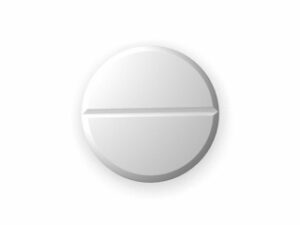

Cozaar (Losartan) – Patient Guide
Cozaar is a brand of losartan, a medicine used to treat certain cardiovascular conditions and to help protect the kidneys in people at risk. This guide explains how it works, how it’s usually taken, key safety information, interactions to watch for, and practical tips to get the best out of treatment.
This information is designed to be patient-friendly and UK-focused. Always follow the instructions given by your healthcare professional and the product label.
Basic product information
| Item | Details |
|---|---|
| Active ingredient | Losartan (as losartan potassium) |
| Medicine group | Angiotensin II receptor blocker (ARB) |
| Common brand | Cozaar |
| Typical forms | Tablets (strengths vary by product) |
| Available in the UK | Licensed medicine; availability may vary by strength and supply |
What is Cozaar used for?
Cozaar is used to:
- Treat high blood pressure (hypertension).
- Protect the kidneys in certain people with diabetes and protein in the urine.
- Reduce risk of stroke in some adults with high blood pressure and evidence of left ventricular enlargement.
- Help in heart failure when treatment options are appropriate (often when other medicines are not suitable).
Your individual indication depends on your diagnosis, medical history, and other medicines you may be taking.
How does it work? (Mechanism of action)
Losartan belongs to the ARB group. It works by blocking the action of angiotensin II, a natural substance in the body that:
- tightens blood vessels, raising blood pressure, and
- stimulates release of hormones that can affect the kidneys and the heart.
By blocking angiotensin II at its receptor (the AT1 receptor), losartan helps to: lower blood pressure, reduce strain on the heart, and support kidney function in appropriate patients.
Pharmacokinetics (how the body handles losartan)
Understanding pharmacokinetics can help explain why certain timing and dosing patterns are used.
Absorption
Losartan is absorbed after taking a tablet. It is converted partly into an active metabolite (commonly referred to as EXP-3174).
Distribution
Losartan and its metabolite circulate in the bloodstream and act on target receptors to reduce the effects of angiotensin II.
Metabolism
Losartan is mainly metabolised in the liver. The resulting active metabolite contributes to the overall blood-pressure-lowering effect.
Elimination
Losartan and its metabolites are eliminated via urine and bile/faeces pathways. The process helps determine how often dosing is needed.
If you have liver or kidney impairment, your prescriber may adjust the approach and monitoring plan.
Typical timing: when and how to take Cozaar
For most patients, Cozaar is taken . The exact time can be chosen based on what fits your routine.
Best time of day
- Choose a consistent time each day.
- Many people take it in the morning, but taking it in the evening may be preferable if it helps minimise side effects such as dizziness (if they occur).
With or without food
Losartan can usually be taken with or without food. Food does not typically reduce its effectiveness in a clinically meaningful way.
How to take the tablet
- Swallow the tablet with water.
- Try not to miss doses.
- If you need to switch between products/strengths, check you understand the dose in milligrams (mg).
If you miss a dose
If you miss a dose, take it when you remember unless it is close to the time of the next dose. Do not take a double dose to make up for the missed tablet.
Food interactions
Food interactions with losartan are generally minimal. You can typically take Cozaar with meals.
However, your overall hydration and diet can affect blood pressure and kidney function, especially if you:
- have kidney disease,
- use diuretics (“water tablets”), or
- are advised to reduce salt intake.
Follow dietary advice from your clinician (for example, salt restriction recommendations).
Alcohol and medicine interactions
Drinking alcohol can affect blood pressure and may increase the risk of side effects such as dizziness or light-headedness, especially when you first start Cozaar or if your dose is increased.
- Moderate intake may be acceptable for some people, but avoid heavy drinking.
- Be cautious if you feel dizzy when standing.
- If you also take other blood pressure-lowering medicines, alcohol may intensify the effect.
If you are unsure about what level of alcohol is safe for you, ask your pharmacist or GP.
Medicine interactions: what to watch for
Some medicines can change how losartan works, increase side effects, or affect kidney function and potassium levels. Tell your healthcare professional about all medicines you take, including over-the-counter products and herbal supplements.
Common interaction areas
- Other medicines that affect blood pressure: Combining with other antihypertensives may lower blood pressure more than expected.
- Potassium-increasing medicines: Losartan can increase potassium in the blood in some patients. Caution is needed with: potassium supplements, potassium-containing salt substitutes, and some medicines that conserve potassium.
- Non-steroidal anti-inflammatory drugs (NSAIDs): Examples include ibuprofen and naproxen. Regular or high-dose NSAID use can affect kidney function and may reduce antihypertensive effects, especially in people who are dehydrated or have kidney impairment.
- Diuretics (“water tablets”): Some combinations can increase the risk of low blood pressure or changes in kidney function.
- Medicines that influence liver enzymes: Most patients tolerate losartan well, but certain drug interactions may alter blood levels.
One key safety point: avoid “double RAAS blockade”
Patients are generally advised not to combine ARBs like losartan with: ACE inhibitors (such as ramipril/lisinopril) or other ARBs unless specifically directed, because this can raise the risk of kidney problems and high potassium.
Dosing: typical starting and maintenance approaches
Dosage depends on the condition being treated, your response, and your kidney and liver function. Your clinician may adjust dose gradually.
Common dosing patterns (general information)
- High blood pressure: Often started at a lower dose and adjusted based on blood pressure readings.
- Kidney protection in diabetes with protein in urine: Dose may be selected to achieve kidney and blood pressure goals.
- Risk reduction in certain cardiovascular conditions: Dose may be tailored to studies/clinical targets.
- Heart failure: Dose is typically introduced carefully and increased as tolerated.
Because doses can vary between individuals and product strengths, it is important to follow the dose stated for your particular medicine pack.
How long until it works?
Many people notice blood pressure lowering within days. Full benefit can take several weeks as the body adjusts and your clinician monitors progress.
Safety profile: side effects and when to seek help
Like all medicines, Cozaar can cause side effects. Many are mild and improve over time, but some require urgent medical attention.
Common side effects (may occur)
- Dizziness or light-headedness (especially when standing)
- Low blood pressure symptoms
- Headache
- Fatigue
- Stomach upset (less common)
Less common but important risks
- High potassium (hyperkalaemia): May not cause symptoms, but can be detected by blood tests. In some cases, it may cause muscle weakness or heart rhythm changes.
- Kidney function changes: Particularly in people with existing kidney impairment, dehydration, or when used with certain other medicines.
- Allergic reactions: Including rash, itching, or swelling.
- Angioedema (rare): Swelling of the face, lips, tongue, or throat. This needs urgent help.
Seek urgent medical advice if you experience
- Swelling of the face, lips, tongue, or throat
- Difficulty breathing or swallowing
- Fainting, severe dizziness, or signs of very low blood pressure
- Severe allergic rash or blistering
- Palpitations, severe muscle weakness, or feeling unwell with possible high potassium
Practical use tips (getting the most from Cozaar)
1) Monitor blood pressure at home
If you’ve been asked to monitor, use a validated upper-arm blood pressure monitor where possible. Take readings at similar times each day and keep a note of results for your clinician.
2) Attend blood test checks
Clinicians may check:
- kidney function (creatinine/eGFR)
- potassium levels
- other relevant markers based on your condition
These checks are especially important when starting treatment, after dose changes, or when adding interacting medicines.
3) Avoid dehydration
Dehydration (for example, from vomiting, diarrhoea, or excessive fluid loss) can increase the risk of kidney-related side effects. If you are unwell with gastroenteritis, contact your healthcare professional for advice on whether to hold certain medicines temporarily.
4) Be cautious with salt substitutes and “low salt” products
Many salt substitutes contain potassium. Because losartan may raise potassium, discuss any potassium-containing products with your pharmacist or clinician.
5) Don’t stop suddenly without advice
Stopping blood pressure medicines can cause blood pressure to rise again. If you feel you need to stop due to side effects, seek guidance rather than stopping abruptly.
Who should take extra care?
- Pregnancy and planning pregnancy: ARBs are generally not recommended in pregnancy. Discuss contraception and pregnancy plans with your clinician urgently if relevant.
- Breast-feeding: Advice is required, as suitability may depend on individual circumstances.
- People with kidney impairment or renal artery narrowing: kidney function and potassium monitoring is important.
- People with liver impairment: may require dose adjustment and closer monitoring.
- Those with a history of angioedema: inform your clinician.
Alternative options to Cozaar
Depending on why you’re taking it, alternatives may include medicines from related groups. Choice depends on your medical history, test results, and other medications.
Possible alternatives
- Other ARBs: e.g., candesartan, valsartan, irbesartan, telmisartan.
- ACE inhibitors: e.g., ramipril, lisinopril, enalapril (not typically used in combination with ARBs unless specifically directed).
- Calcium channel blockers: e.g., amlodipine.
- Thiazide-type diuretics: e.g., bendroflumethiazide, hydrochlorothiazide.
- Other heart-failure or blood-pressure therapies as appropriate.
Your clinician can advise which option best matches your diagnosis and tolerability.
UK market and legal context (for patients)
In the United Kingdom, Cozaar (losartan) is a licensed medicine. ARBs are widely used in the NHS and in private care settings for hypertension and selected cardiovascular and kidney-related indications.
Medicines are supplied through pharmacy channels in line with UK regulations, including appropriate checks for supply, documentation, and suitability assessments where required by law and pharmacy policy.
Recent guidance and clinical monitoring (overview)
Guidance for ARB use commonly emphasises:
- Blood pressure targets tailored to the individual’s cardiovascular risk profile.
- Regular monitoring of kidney function and potassium, especially after starting therapy or changing dose.
- Avoiding or carefully justifying combinations that increase kidney risk (for example, “double RAAS blockade”).
- Use in pregnancy is generally avoided due to fetal risk.
Local NHS pathways and updates can vary over time. Your healthcare professional can provide the most current advice for your situation.
Delivery and availability in the UK
Availability of Cozaar may vary by strength and pack size. Online pharmacies typically manage supply through UK distribution networks and may offer:
- Standard delivery (timings vary by supplier)
- Tracked delivery options
- Packaging designed to protect medicines during transit
- Support if a selected strength is temporarily unavailable
If you need a particular strength, consider checking stock status before ordering. If a product is out of stock, the pharmacy may suggest an equivalent strength or an appropriate alternative (depending on suitability).
How to store Cozaar
- Store at room temperature as directed on the pack.
- Keep in the original packaging to protect from light and moisture.
- Keep out of the sight and reach of children.
- Do not use after the expiry date shown on the carton/blister.
FAQ
Is Cozaar the same as losartan?
Yes. Cozaar is a brand name; the active ingredient is losartan.
How quickly will my blood pressure improve?
Some reduction may be noticed within days, but the full effect can take several weeks. It’s important to continue taking it as directed while your clinician monitors progress.
Can I take Cozaar with food?
Yes. It can usually be taken with or without food.
What should I do if I feel dizzy after starting?
Dizziness can occur, particularly when standing quickly. Sit or lie down if you feel faint and avoid sudden movements. Contact your pharmacist or GP if dizziness is persistent or severe. Your dose may need review.
Does Cozaar affect potassium?
It can. Losartan may increase blood potassium in some people, which is why blood tests may be recommended—especially if you take potassium supplements or certain other medicines.
Can I drink alcohol while taking Cozaar?
Alcohol may increase the chance of dizziness and low blood pressure. Moderate amounts may be acceptable for some people, but avoid heavy drinking and monitor how you feel.
Are NSAIDs (like ibuprofen) safe with Cozaar?
Caution is advised, especially with regular use or higher doses. NSAIDs can affect kidney function and may reduce blood pressure control in some patients. If you need pain relief, ask your pharmacist what is safest for you.
Can I take Cozaar if I’m dehydrated or unwell with diarrhoea/vomiting?
Dehydration can increase kidney-related risks. If you become unwell, seek advice promptly about whether to continue your medicines.
What happens if I miss a dose?
Take it as soon as you remember unless it’s close to your next dose. Do not take a double dose.
Is it safe in pregnancy?
ARBs like losartan are generally not recommended during pregnancy. If you are pregnant, planning pregnancy, or could become pregnant, speak to your clinician urgently about suitable alternatives.
What are common alternatives if Cozaar isn’t suitable?
Alternatives may include other ARBs, ACE inhibitors (depending on the reason for use), calcium channel blockers, or diuretics. Your clinician will decide the best option for your condition.
Where can I find more information?
The patient information leaflet inside the pack provides detailed instructions and side effect lists. If anything is unclear, ask your pharmacist or healthcare professional.
Important: This page is a general guide and cannot replace personalised medical advice. If you have specific concerns about your dose, symptoms, or interactions, consult your healthcare professional.