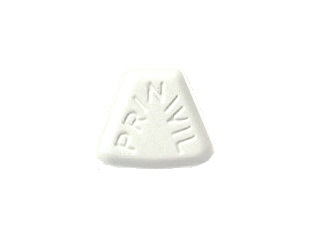


Prinivil (Lisinopril) — Patient Information
Prinivil is the brand name for lisinopril, a medicine used to treat certain heart and blood pressure conditions. This guide explains how Prinivil works, how it is usually taken, and what to watch for. If you are unsure about your own situation or how to take your medicine, speak to a qualified healthcare professional.
1. Basic product information
Active ingredient: Lisinopril (an ACE inhibitor)
Brand: Prinivil
Medicine type: Angiotensin-converting enzyme (ACE) inhibitor
Common forms: Oral tablets (strengths may vary by availability)
Who it’s for: Adults with specific cardiovascular conditions such as high blood pressure and heart failure
In the UK, lisinopril products may be available as brand and generic medicines. Your pharmacy label will confirm your exact strength.
2. What Prinivil does (mechanism of action)
Prinivil belongs to a group of medicines called ACE inhibitors. It works by blocking the enzyme (ACE) that helps produce angiotensin II, a substance that narrows blood vessels. With less angiotensin II:
- Blood vessels relax and widen (lowering blood pressure)
- The body retains less fluid and salt
- The heart may work more efficiently, especially in heart failure
ACE inhibitors may also help protect the kidneys in certain people, particularly when there is diabetes or other risk factors.
3. Pharmacokinetics: how the body handles lisinopril
Understanding how a medicine behaves in the body can help explain dosing schedules and onset. Lisinopril is taken by mouth and is absorbed into the bloodstream.
- Absorption: Oral absorption occurs after swallowing tablets; absorption can be variable between individuals.
- Peak effect: Blood levels generally peak within a few hours after a dose.
- Onset: Blood-pressure lowering may begin within about 1–2 hours, with more sustained effects developing over days.
- Steady effect: Full benefit for blood pressure and related outcomes may take several weeks.
- Elimination: Lisinopril is mainly removed by the kidneys.
- Dosing and kidney function: If kidney function is reduced, your prescriber may adjust the dose and monitoring schedule.
4. Typical uses in the UK
Prinivil may be used for several cardiovascular conditions. Common indications include:
- High blood pressure (hypertension): To help lower blood pressure and reduce cardiovascular risk.
- Heart failure: To improve symptoms and support long-term management in certain patients.
- After a heart attack (in selected patients): In some cases to help reduce the strain on the heart and improve outcomes.
- Diabetic kidney protection (in selected cases): To help slow kidney complications in people with diabetes who meet specific criteria.
The exact reason you take Prinivil should be confirmed by your healthcare team.
5. When to take Prinivil (timing and schedule)
Many people take Prinivil , but your schedule may differ depending on your condition, other medicines, and kidney function.
- Try to take it at the same time each day to maintain a consistent effect.
- With or without food: food does not usually require timing changes.
- First dose caution: some people feel light-headed when starting or after a dose increase—especially if they are dehydrated or also taking diuretics.
If you miss a dose, follow the advice on your medicine label or from your healthcare professional. In general, do not double up unless instructed.
6. Food interactions
Food interactions are generally not a major concern with lisinopril. In most cases, you can take Prinivil with or without meals.
However, to keep blood pressure stable and reduce side effects:
- Maintain good hydration, especially during hot weather or illness.
- If you experience dizziness, avoid sudden position changes (e.g., from lying to standing).
7. Alcohol and interactions with other medicines
Alcohol
Alcohol can lower blood pressure and may increase side effects such as dizziness or light-headedness, particularly when starting or increasing the dose. To reduce risk:
- Limit alcohol intake, especially after starting Prinivil or adjusting your dose.
- Be cautious when drinking more than usual.
Common medicine interactions
Some combinations can increase the risk of low blood pressure, kidney problems, or changes in potassium levels. Always inform your healthcare professional and pharmacist about all medicines and supplements you take, including over-the-counter products.
| Medicine / substance | Why it matters | What you may need |
|---|---|---|
| Potassium supplements and salt substitutes | May raise potassium too much (hyperkalaemia) | Often requires monitoring or avoidance |
| Diuretics (water tablets), especially potassium-sparing types | Can affect blood pressure and kidney function; potassium may rise | Regular blood tests and dose review |
| Non-steroidal anti-inflammatory drugs (NSAIDs) such as ibuprofen or naproxen | May reduce kidney protection and increase risk of kidney strain | Use carefully; discuss frequency and duration |
| Other blood pressure medicines | May increase the chance of low blood pressure | Monitoring and gradual dose adjustments |
| Immunosuppressants or medicines affecting the immune system | May increase risk of certain side effects | Specialist guidance and close monitoring |
| Lithium | Levels can rise, leading to toxicity | Avoid or closely monitor |
| Trimethoprim (e.g., for some infections) | Can increase potassium risk in some people | Monitoring may be required |
| Dual therapy with an ARB (angiotensin receptor blocker) | Combined use can increase risks (e.g., kidney problems, high potassium) | Only under careful specialist direction |
This is not a complete list. If you are unsure whether a medicine, herbal product, or supplement interacts with lisinopril, ask your pharmacist.
8. Indications and how Prinivil is chosen for you
In clinical practice, lisinopril may be selected based on:
- Your blood pressure readings and cardiovascular risk
- Your heart function and symptoms (e.g., heart failure)
- Kidney status and potassium levels
- Whether you have diabetes or kidney complications
- Your tolerance and side-effect history with similar medicines
Doctors and nurses often start at a lower dose and increase gradually to balance benefit with side effects. Blood tests are commonly used to check kidney function and potassium after starting and after dose changes.
9. Dosing: typical starting and maintenance
Dosing can vary widely. The information below is general and may not match your own instructions. Always follow the dosing on your medicine label and your healthcare professional’s advice.
General approach
- Start low, especially if you are elderly, dehydrated, or taking diuretics.
- Increase gradually based on blood pressure and blood test results.
- Monitor kidneys and potassium regularly, particularly early in treatment and after changes.
Common dosing patterns (approximate)
| Condition | Typical starting dose (once daily) | How it may be adjusted |
|---|---|---|
| High blood pressure | Often low (depending on prior treatment) | May be increased every 1–2 weeks based on response |
| Heart failure | Often very low initially | Slow titration with close monitoring |
| After a heart attack (selected patients) | May start within a defined timeframe | Adjusted based on tolerance and test results |
| Diabetic kidney protection (selected patients) | Based on kidney function and blood pressure | Titrated to target blood pressure and safety |
Your prescriber may also adjust dose for factors such as: kidney function, dehydration risk, other medicines, and blood pressure targets.
10. Safety profile: common side effects and when to seek help
Common side effects
Many people tolerate Prinivil well. Commonly reported effects include:
- Dizziness or light-headedness (more common when starting)
- Dry, persistent cough
- Headache
- Fatigue
- Nausea (sometimes)
Important risks: seek urgent medical help
Certain reactions require immediate medical attention:
- Swelling of the face, lips, tongue, or throat, or breathing difficulty (possible angioedema)
- Severe dizziness/fainting (especially with low blood pressure)
- Signs of kidney problems such as reduced urine output, marked worsening of fluid retention, or sudden weight gain
- Unusual muscle weakness or palpitations that may indicate abnormal potassium levels
Less common but clinically significant effects
- High potassium (hyperkalaemia): usually monitored by blood tests
- Changes in kidney function early in treatment
- Skin reactions or rash
If you experience troubling symptoms, contact your healthcare professional promptly for advice.
11. Practical use tips (making treatment easier and safer)
- Keep blood pressure records: home readings can help your team adjust dose appropriately.
- Attend blood tests: they help confirm kidneys and potassium levels are safe.
- Rise slowly: especially in the morning or after sitting/lying down.
- Stay hydrated: dehydration can increase the chance of dizziness and kidney strain.
- Avoid “double dosing”: if you miss a dose, don’t take extra unless told to do so.
- Be careful with NSAIDs: occasional use may be acceptable for some people, but discuss with your pharmacist if you need them regularly.
- Know your medicines: keep a list of all prescriptions, over-the-counter medicines, and supplements.
If you are unwell (e.g., vomiting or diarrhoea), talk to a clinician about whether you should temporarily pause treatment—this depends on your individual risk and local guidance.
12. Who should take extra care or avoid Prinivil
Some people require closer monitoring or may not be suitable for an ACE inhibitor such as lisinopril. Decisions should be made by your healthcare professional.
- History of angioedema related to an ACE inhibitor
- Severe kidney impairment or significant renal artery stenosis (requires careful specialist assessment)
- High potassium or conditions that raise potassium
- Pregnancy: ACE inhibitors are generally not used in pregnancy; discuss safer options immediately if pregnancy is possible.
If any of the above applies to you, do not start or stop Prinivil without medical advice.
13. Alternative options to Prinivil
If Prinivil is not suitable or not tolerated, your clinician may consider other medicines depending on why you are taking it. Possible alternatives include:
- ARBs (angiotensin receptor blockers): e.g., losartan, valsartan. Often considered if ACE inhibitors cause cough.
- Beta-blockers: commonly used in heart conditions.
- Calcium channel blockers: used for blood pressure.
- Diuretics: sometimes combined with ACE inhibitors, depending on the condition.
Choice depends on your diagnosis, kidney function, potassium levels, and other medications. Do not switch unless directed by a healthcare professional.
14. UK market and legal context (summary)
Medicines containing lisinopril are widely used in the UK for cardiovascular conditions. Availability in pharmacies and online depends on regulations and the type of supply permitted.
- Medicines regulation: Medicines in the UK are regulated to ensure quality, safety, and appropriate supply.
- Brand vs generic: Prinivil may be supplied as a branded product or a generic version, depending on availability and prescriber choice.
- Safety monitoring: ACE inhibitors require routine safety checks such as blood tests for kidney function and potassium.
Local UK guidance and prescribing practices may be updated over time. If you need the most current advice for your specific condition, ask a clinician or pharmacist.
15. Recent guidance and monitoring (what to expect)
Clinicians frequently emphasise:
- Baseline and follow-up blood tests after starting or increasing ACE inhibitors
- Monitoring potassium and kidney function, particularly in older adults or those with kidney disease
- Assessment of symptoms such as cough, dizziness, and signs of fluid imbalance
- Individualised dosing based on blood pressure targets and tolerability
In addition, “sick day” advice may be discussed for people at higher risk of dehydration, especially when vomiting or diarrhoea occurs. Always follow the guidance given to you by your healthcare team.
16. Delivery, availability and what to check before receiving
Availability varies depending on stock and the strength you need. When ordering online, ensure:
- The tablet strength matches what you have been advised to take.
- The product is the correct formulation (e.g., standard tablets).
- The packaging looks intact and expiry date is appropriate.
UK delivery timelines depend on the service used by the pharmacy. If your medicine is needed urgently, choose a delivery option that fits your timeframe and allow time for processing.
Store tablets at room temperature and in a dry place, away from children. Follow the storage instructions on the pack.
17. FAQ about Prinivil (lisinopril)
How long does Prinivil take to work?
You may notice effects on blood pressure within hours, but the full, sustained benefit often takes several weeks as your body adjusts and the dose is optimised.
Why do I sometimes feel dizzy when I start Prinivil?
ACE inhibitors can lower blood pressure, and the first dose (or dose increases) may cause dizziness or light-headedness. Staying well-hydrated and standing up slowly can help. If dizziness is severe or fainting occurs, seek medical advice urgently.
Can I take Prinivil with other blood pressure medicines?
Often yes—many people require combination therapy. However, combining medicines can increase the chance of low blood pressure or kidney effects, so monitoring and dose adjustments are important.
Is a dry cough normal with lisinopril?
A dry, persistent cough is a well-known side effect of ACE inhibitors. If it becomes troublesome, contact your pharmacist or GP; an alternative such as an ARB may be considered.
What blood tests will I need?
Your healthcare professional may check kidney function (creatinine/eGFR) and potassium before starting and after starting or changing the dose. Frequency depends on your individual risk factors.
What should I do if I miss a dose?
Take it as soon as you remember unless it’s close to your next dose. Do not take a double dose unless advised by a healthcare professional. Follow the instructions on your medicine label or the advice provided by your pharmacist.
Can I drink alcohol while taking Prinivil?
Alcohol may increase the risk of dizziness and low blood pressure. If you drink, keep it moderate and be extra cautious when starting or after dose changes.
Are there medicines I should avoid?
Some combinations—such as potassium supplements, certain diuretics, NSAIDs taken regularly, or lithium—can increase risk. Always check with your pharmacist if you are unsure about any medicine or supplement.
Can I take Prinivil if I have kidney problems?
Many people with kidney disease can take ACE inhibitors, but it requires careful assessment, dose adjustment, and blood test monitoring. Do not start or change dose without clinician guidance.
What if I become unwell with vomiting or diarrhoea?
Dehydration can increase the risk of side effects for ACE inhibitors. Some people are advised to temporarily pause certain medicines during acute dehydration, but this should be guided by your clinician’s “sick day” plan. Contact your healthcare team for personalised advice.
Are there alternatives if Prinivil isn’t suitable?
Yes. Depending on the condition and side effects, your clinician may suggest alternatives such as ARBs or other blood pressure/heart medications.
18. Key takeaways
- Prinivil (lisinopril) is an ACE inhibitor used for high blood pressure and certain heart conditions.
- It relaxes blood vessels and can help reduce strain on the heart.
- Monitor kidney function and potassium levels, especially after starting or increasing the dose.
- A dry cough and dizziness can occur; urgent help is needed for signs of angioedema or severe reactions.
- Food usually doesn’t affect lisinopril significantly, but alcohol may increase dizziness.