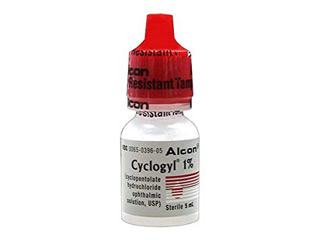
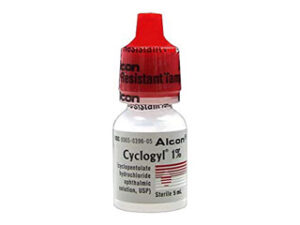
Cyclogyl (Cyclopentolate) Eye Drops – Patient Information (UK)
Cyclogyl contains cyclopentolate, an antimuscarinic medicine used in the eye to temporarily enlarge the pupil and relax focusing (paralyse the ciliary muscle). It is commonly used to help eye care professionals examine the eye, and in certain conditions where controlled pupil dilation and reduced focusing effort are beneficial.
This guide explains how Cyclogyl works, what it is used for, how and when it is usually used, important safety information, interactions, and practical tips to make using eye drops easier.
Basic product information
| Feature | Details |
|---|---|
| Active ingredient | Cyclopentolate (as cyclopentolate hydrochloride) |
| Medicinal form | Eye drops |
| Common purpose | Pupil dilation (mydriasis) and reduced focusing (cycloplegia) |
| How it’s supplied | Available as eye drops for clinical use and community settings |
| Onset & duration (typical) | Often begins within 30–60 minutes; effects may last several hours (sometimes longer) |
How Cyclogyl works (mechanism of action)
Cyclopentolate is an antimuscarinic agent. In the eye, natural “muscarinic” signals help the pupil constrict and the lens focus for near vision. Cyclogyl blocks these signals:
- Pupil dilation: Cyclopentolate relaxes the muscle that constricts the pupil, leading to a larger pupil.
- Reduced focusing: It also relaxes the ciliary muscle, causing cycloplegia, which temporarily blurs near vision and improves the accuracy of certain eye measurements.
Pharmacokinetics (what happens in the body)
With eye drops, the medicine acts primarily in the eye, but some absorption can occur through the eye tissues and the nasal passages (via the tear drainage system).
Absorption
- After instillation, cyclopentolate is absorbed through the cornea and conjunctiva.
- Absorption can also occur via the nasolacrimal drainage, especially if drops are not used with proper technique (for example, pressing the tear duct after applying drops).
Distribution and metabolism
- Once absorbed, the drug can enter the bloodstream and distribute to tissues.
- Metabolism occurs mainly in the liver (exact metabolic details can vary by patient factors).
Elimination
- Elimination is primarily through the kidneys.
- Because Cyclogyl is given as eye drops and used for short periods, systemic exposure is usually limited when used correctly.
Typical use in the UK
Cyclogyl is mainly used to achieve temporary dilation of the pupil and temporary paralysis of accommodation (reduced focusing). Eye care professionals may use it for:
- Refraction testing (especially in children and when accurate measurements are required).
- Ophthalmoscopic examinations to view the inside of the eye more clearly.
- Certain therapeutic uses where cycloplegia and mydriasis are helpful, as determined by clinicians.
In most cases, the goal is short-term effects for examination rather than long-term treatment.
Timing: when the effects start and how long they last
Timings vary from person to person, and can be different in children due to age-related absorption and sensitivity. A practical expectation is:
- Start: pupil dilation and blurred near vision often begin within 30–60 minutes.
- Peak effect: typically around 1–2 hours.
- Duration: commonly lasts several hours, sometimes up to 24 hours depending on dose, concentration, age, and individual response.
Because vision may be affected, it is often advised not to drive until your sight returns to normal and you feel confident using your vision safely.
Indications (when Cyclogyl may be used)
Cyclopentolate eye drops are indicated for situations where clinicians need cycloplegia and/or mydriasis. The exact choice of drug and concentration depends on clinical goals and patient characteristics.
Common clinical indications include:
- To dilate the pupil for detailed examination of the retina and optic nerve.
- To produce cycloplegia to improve the accuracy of refraction measurements.
- Management of certain eye conditions under specialist direction where cycloplegia is part of the plan.
Dosing: how Cyclogyl is usually applied
Dosing and frequency should follow professional instructions and the product label. Below is general information to help you understand typical approaches.
General dosing principles
- Only use in the eye. Do not swallow.
- Use the correct number of drops for the intended effect.
- If more than one dose is required, clinicians often space drops over a short period.
Example pattern used for eye examinations (typical)
Eye care professionals often use a short course on the day of the examination. The exact schedule depends on age, clinical need, and the strength of the product.
- Adults: dosing may involve one or more drops with waiting periods between doses.
- Children: dosing may be adjusted to reduce the risk of side effects; clinicians carefully consider age and sensitivity.
Important: If you have been advised a specific schedule, follow that exactly. If you are unsure, ask a pharmacist or healthcare professional before applying additional drops.
Practical use tips (to get the best effect and reduce side effects)
Step-by-step: how to apply eye drops
- Wash and dry your hands.
- Check the dropper tip for cleanliness and avoid touching it to your eye or eyelashes.
- Tilt your head back and gently pull down the lower eyelid to form a small pocket.
- Instil the prescribed number of drops into the eye pocket.
- Close your eye gently and keep it closed for 1–2 minutes.
- Press the inner corner of the eye (near the nose) with a finger for about 1 minute. This helps reduce drainage through the tear duct, which can lower systemic absorption.
Aftercare
- Remove contact lenses before using eye drops, if applicable, and follow professional advice on when lenses can be reinserted.
- Gently wipe away excess fluid with a clean tissue.
- If using more than one eye medicine, allow a gap between products (commonly at least 5 minutes, unless told otherwise).
Driving and daily activities
Cyclogyl can cause blurred vision and sensitivity to light due to pupil dilation. Consider arranging help for transport, and wear sunglasses outdoors if light is uncomfortable.
Food interactions
There are no well-established food interactions with cyclopentolate eye drops. Because absorption through the eye is local and systemic exposure is usually limited, meals are not expected to significantly affect the medicine.
That said, general health factors—such as dehydration or severe illness—can affect how your body handles medicines. If you have concerns, speak to a pharmacist.
Alcohol and medicine interactions
Alcohol
There is limited evidence of a direct interaction between alcohol and cyclopentolate eye drops. However, alcohol may worsen side effects such as blurred vision, dizziness, or impaired coordination, which can be relevant after cycloplegia.
For safety, it is sensible to avoid alcohol until your vision has returned to normal—especially on the day of use.
Medicines that may interact
Because Cyclogyl has antimuscarinic effects (though mainly local), systemic absorption can increase the risk of side effects, especially in young children or with higher dosing.
Tell your pharmacist or clinician if you use any of the following:
- Other antimuscarinic medicines (including some medicines used for urinary symptoms)
- Other eye drops that affect pupil size or focusing
- Medicines with anticholinergic properties (certain antidepressants, antihistamines, or antipsychotics)
- Medications affecting eye pressure or glaucoma treatment
- Medicines for motion sickness or gastrointestinal spasm (antimuscarinic-type medicines)
If you are already using eye drops for glaucoma or eye pressure, it is particularly important to disclose this so the clinician can prevent complications.
Safety profile: who should be careful
Common side effects
Side effects are usually temporary and related to pupil dilation and cycloplegia.
- Blurred near vision (difficulty reading)
- Light sensitivity
- Stinging or mild discomfort after applying the drops
- Redness of the eye (sometimes)
Potential systemic side effects (especially in children)
Because cyclopentolate can be absorbed into the bloodstream, systemic effects may occur, more likely if drops are used in higher doses or in younger children.
- Dry mouth
- Fast heartbeat
- Flushing
- Drowsiness or agitation (children may be particularly sensitive)
- Restlessness
- Uncommon confusion (rare)
Serious warnings – seek urgent advice if
If any of the following occur, contact urgent medical care or your clinician promptly:
- Severe eye pain or sudden worsening discomfort
- Marked redness with blurred vision getting worse rapidly
- Nausea and vomiting with eye symptoms (possible acute eye pressure issue)
- Significant confusion, extreme sleepiness, or unusual behaviour in a child
When Cyclogyl may be unsuitable
Cyclogyl should be used with caution, or avoided, in certain situations. Examples include:
- Suspected or known narrow-angle glaucoma (risk of increased eye pressure)
- Hypersensitivity to cyclopentolate or any ingredient in the product
- Certain conditions where antimuscarinic effects could be harmful
If you have a history of glaucoma, high eye pressure, or a family history of narrow-angle glaucoma, ensure you disclose this.
Additional precautions
- Children: Extra care is needed. Children can respond more strongly and absorb more than adults.
- Older adults: The risk of falls or confusion may increase if vision is significantly blurred.
- Contact lenses: Follow guidance from the product label or clinician; lenses are often removed before use.
- Eye infection or inflammation: Mention ongoing symptoms to a clinician; the underlying problem may require specific treatment.
Timing and missed doses
Cyclogyl is generally used for a specific visit or plan where timing matters. If you are applying the drops for an examination:
- Follow the schedule given by your clinician or pharmacist.
- If a dose is missed, do not “double up” unless you have been told to do so.
- Contact the person who arranged the examination for advice.
Alternative options
Depending on the clinical reason (exam versus treatment, patient age, and risk factors), alternative agents may be used to achieve pupil dilation and cycloplegia, for example:
- Other cycloplegic/mydriatic eye drops used for refraction and fundus examination
- Adjustments in examination technique (in some cases, different tests may be chosen)
Your eye care professional can explain why a specific drug was selected and whether another option would be more suitable for you.
UK market and legal context (high-level)
In the United Kingdom, medicines are classified based on safety and how they are supplied. Cyclogyl (cyclopentolate) is generally used under clinical supervision and is commonly encountered in ophthalmic care. Supply arrangements can vary depending on the formulation, strength, and local pharmacy policies.
For the most up-to-date information on product availability, suitability, and supply routes, always refer to the guidance provided at the point of purchase and consult a pharmacist if you have questions.
Recent guidance (general themes)
Recent public and professional guidance for eye medicines commonly emphasises:
- Ensuring correct use and dosing technique
- Minimising systemic absorption (for example, using tear-duct pressure after instillation)
- Greater caution with medicines that can affect pupil size and eye pressure
- Clear instructions for parents/carers when eye drops are used in children
Delivery and availability
Availability can vary by pharmacy and by the specific pack size or formulation. Many online pharmacies can deliver within the UK subject to stock levels and delivery service areas.
- Check availability on the product page before ordering.
- Packaging: deliveries are usually supplied in sealed containers to help protect sterility.
- Storage: store eye drops as directed on the pack (commonly at room temperature, away from heat and direct sunlight).
If you require Cyclogyl for a time-critical eye appointment, consider ordering early and allowing for standard delivery times.
How to store Cyclogyl safely
- Keep out of the sight and reach of children.
- Do not use after the expiry date printed on the bottle/box.
- Keep the bottle tightly closed when not in use.
- If your product has a “discard after opening” time period, follow it exactly.
FAQ
1) Will Cyclogyl make my vision blurry?
Yes. Cyclogyl temporarily dilates the pupil and reduces focusing. This often causes blurred vision for near tasks (reading, phones, close work) and may increase light sensitivity.
2) How long will the effects last?
Effects commonly last several hours, but in some people it can take longer. For planning purposes, allow enough time to feel confident about normal vision before driving or returning to demanding activities.
3) Can I drive after using Cyclogyl?
You may not be able to drive safely immediately after using Cyclogyl. Wait until your vision has returned to normal and you can clearly see and respond to the road. If you are unsure, do not drive.
4) Is Cyclogyl safe for children?
Cyclogyl is used in paediatric eye care, but children are more sensitive to systemic effects. It should only be used according to the dosing plan provided by a clinician, and carers should follow correct technique including tear-duct pressure to reduce absorption.
5) What should I do if I accidentally get drops in my mouth?
Rinse your mouth with water and spit it out. If you swallow any of the drops or a child is affected, seek advice from a healthcare professional or pharmacist, especially if symptoms occur.
6) Can I use Cyclogyl with my other eye drops?
You may need a gap between different eye medicines. As a general rule, wait at least 5 minutes between different drops unless your clinician tells you otherwise.
7) Do food or drinks affect Cyclogyl?
Food is not expected to affect cyclopentolate eye drops. Alcohol may increase the impact of side effects (such as blurred vision and dizziness), so it’s safest to avoid alcohol until your sight has recovered.
8) What if my eye becomes very painful or red?
Mild temporary discomfort can occur, but severe pain, worsening redness, or nausea/vomiting with eye symptoms could indicate a serious problem. Seek urgent medical advice promptly.
9) Are there alternatives if Cyclogyl isn’t suitable for me?
Depending on the reason for use (examination or specific treatment), eye care professionals may choose other cycloplegic/mydriatic medicines or use alternative examination methods.
10) When should I contact a pharmacist or clinician?
Contact advice if you have glaucoma/narrow-angle risk factors, experience unexpected side effects, are using multiple eye medicines, or have concerns about how long vision changes will last.
Summary
Cyclogyl (cyclopentolate) is an eye drop used to dilate the pupil and temporarily relax focusing. It is commonly used for eye examinations and certain ophthalmic indications. The medicine can cause temporary blurred vision and light sensitivity, so plan accordingly. Use correct application technique (including tear-duct pressure) and be especially cautious in children or if you have glaucoma risk.