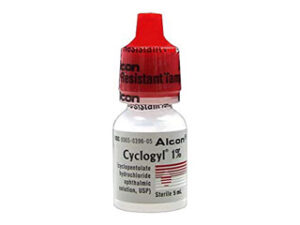

Cyclopentolate: Patient-Friendly Guide (UK)
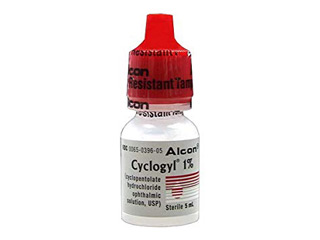
Cyclopentolate is a medicine used to dilate (widen) the pupil of the eye and to temporarily relax focusing muscles. It is commonly used by eye care professionals for eye examinations and certain diagnostic procedures.
This page explains how Cyclopentolate works, when it is used, how it is given, what to expect, and important safety information—written in clear, patient-friendly language for people in the United Kingdom.
Basic product information
| Category | Details |
|---|---|
| Medicine | Cyclopentolate |
| Common form | Eye drops (ophthalmic solution) |
| Where it is used | Eyes (for examinations/diagnostics) |
| Main effects | Pupil dilation (mydriasis) and loss of accommodation (cycloplegia) |
| Who may use it | Usually used in adults and children under clinical guidance |
| How long it lasts | Typically several hours for dilation/focus changes; can be longer in some people |
Important: This information is general and may not match your exact product strength or your clinician’s instructions. Always follow the advice you are given by a healthcare professional.
How Cyclopentolate works (mechanism of action)
Cyclopentolate is an antimuscarinic medicine (an anticholinergic), meaning it blocks specific nerve signals in the eye.
- Mydriasis (pupil dilation): It relaxes the muscle that constricts the pupil, allowing the pupil to widen.
- Cycloplegia (loss of focusing ability): It temporarily paralyzes the focusing muscles inside the eye. This helps obtain more accurate measurements of refractive error (e.g., for glasses/contact lenses) because the eye cannot “adjust” its focus.
In simple terms: Cyclopentolate makes the pupil bigger and stops the eye from focusing for a period of time—useful for examination.
Pharmacokinetics (what the body does to it)
Because Cyclopentolate is applied to the eye, most of the medicine’s effects are local. Details can vary by formulation and the way drops are used, but typical clinical understanding is as follows:
- Absorption: A portion of the drop may drain through the tear duct into the nose/throat, where it can be absorbed more systemically (beyond the eye). This is why techniques like blotting excess drops and using gentle pressure on the inner corner of the eye can reduce side effects.
- Onset: Pupil dilation and cycloplegia generally start within tens of minutes after dosing.
- Distribution and metabolism: Any absorbed medicine can be distributed through the body and metabolised by normal metabolic pathways.
- Elimination: The medicine’s local eye effects typically wear off as it is cleared and the eye’s muscles recover. The exact duration differs between individuals, especially in children.
Key takeaway: Even though Cyclopentolate is used in the eye, some absorption can occur elsewhere in the body—so children and people with certain risk factors require extra care.
Typical uses in the UK
Cyclopentolate is mainly used for eye examinations and diagnostic tasks. Common reasons include:
- Refraction (glasses prescription measurements): To temporarily stop the eye from changing focus, helping clinicians measure the true refractive error.
- Fundus examination/retinal assessment: Dilating the pupils allows a clearer view of the back of the eye.
- Paediatric eye assessments: Often used to allow accurate examination of children’s eyes (children’s focusing reflexes can be strong).
- Other diagnostic indications: In select circumstances where a clinician wants cycloplegia and/or dilation.
In the UK, eye drops like Cyclopentolate are typically used in optometry and ophthalmology settings, where dosing and monitoring are tailored to the patient.
When it is used and timing expectations
The timing of Cyclopentolate effects matters because it affects vision and safe activities.
What to expect after the drops
- Blurred near vision: Because focusing muscles are temporarily disabled, reading and close work can be difficult.
- Glare and sensitivity to light: Dilated pupils let in more light.
- Driving: Vision may be significantly affected. Do not drive until your vision is clear enough for safe driving.
How long the effects can last
For many people, the effects settle within several hours. However, in some individuals—particularly children—the dilation/cycloplegia may last longer. Ask your clinician when you should expect your vision to return to normal.
Practical timing tips
- Bring sunglasses for the trip home.
- If you have an appointment, consider arranging support for close-up tasks and transport afterward.
- Plan your day so you avoid important near-vision work (reading, computing) until the drops have worn off.
Food interactions
Because Cyclopentolate is used as eye drops, food interactions are generally not expected. The medicine acts mainly in the eye, and systemic dietary effects are unlikely.
Still: If the medicine is accidentally swallowed (more relevant for children), general anticholinergic-related side effects may become more likely. Keep drops out of reach and use careful administration.
Alcohol interactions and other medicine interactions
Alcohol
There is no classic, well-known direct “alcohol interaction” for Cyclopentolate eye drops. However, Cyclopentolate can cause visual blur and light sensitivity, which may already reduce your ability to judge distance and read signs.
- Avoid alcohol on the day of the examination if you need to drive or operate machinery.
- If you do drink, be extra cautious because vision changes may compound impairment.
Other medicines (important interactions)
Cyclopentolate is an antimuscarinic medicine. Using it alongside other medicines with similar anticholinergic effects may increase the risk of side effects such as dry mouth, constipation, flushing, or drowsiness.
Tell your clinician if you use medicines such as:
- Other anticholinergic medicines (including some allergy or overactive bladder medicines)
- Medicines that affect the nervous system (your clinician can advise based on your list)
- Medicines used for Parkinson’s disease or certain psychiatric medicines (many are not direct antimuscarinics, but some can affect cholinergic balance)
Always provide a full list of medicines and supplements when attending an eye exam.
Indications (when Cyclopentolate is appropriate)
Indications describe the condition or purpose for which Cyclopentolate is used. In routine UK eye care, it is indicated for:
- Diagnostic mydriasis and cycloplegia to facilitate accurate eye examination
- Objective refraction (especially in children or when accurate measurements are needed)
- Examination of the posterior segment (the retina and optic nerve) when pupil dilation is required
Not every patient needs Cyclopentolate. Your clinician will decide based on your eye health, age, and the type of examination required.
Dosing and administration (typical approach)
Exact dosing can vary by age, purpose, eye health, product strength, and local clinical protocols in the UK. The instructions below provide a general overview of how Cyclopentolate is commonly used for examinations.
General dosing principles
- Commonly given as one or more drops into the affected eye(s) with an interval between doses if needed.
- Clinical guidance is essential, especially for children.
- One eye at a time is not required unless instructed—clinicians will decide whether both eyes need treatment.
Administration tips to reduce side effects
- Wash hands before and after.
- Do not touch the dropper tip to the eye or surrounding skin.
- After placing the drop, press gently on the inner corner of the eye (near the nose) for about 1 minute to reduce drainage into the tear duct.
- Blot any excess liquid from the eyelid with a clean tissue.
If you are using drops at home (rare for Cyclopentolate, but possible depending on the service), follow the exact instructions given to you.
Missed dose
This medicine is usually administered as part of a scheduled exam. If you are meant to use additional drops at specific times and you miss one, seek advice from the service that prescribed/arranged the drops rather than guessing.
Safety profile and side effects
Cyclopentolate is generally well tolerated when used correctly under professional guidance. However, because it affects muscles controlled by the nervous system, side effects can occur.
Common effects (often temporary)
- Blurred vision, especially for near tasks
- Light sensitivity due to pupil dilation
- Dry mouth (may occur if some medicine is absorbed systemically)
- Stinging or mild irritation at application site
Less common but important side effects
- Increased eye pressure (risk is higher in people with certain eye conditions such as narrow-angle glaucoma)
- Headache
- Flushing or feeling hot
- Constipation (more likely with systemic absorption)
- Drowsiness or unusual behaviour, especially in children
Serious side effects—seek urgent medical help
Contact urgent care or emergency services if you experience symptoms suggestive of acute eye complications or significant systemic effects, such as:
- Severe eye pain or rapidly worsening redness
- Severe headache, nausea or vomiting together with eye symptoms
- Markedly blurred vision that does not improve when expected
- Confusion, extreme agitation, or significant drowsiness (particularly in children)
Who needs extra caution?
- People with a history of narrow-angle glaucoma or suspected narrow angles
- Very young children or children who are small for age (higher risk from systemic absorption)
- People prone to high sensitivity to antimuscarinic medicines
- Those with other eye diseases (your clinician will assess suitability)
Practical use tips (making the experience easier)
These tips can help you manage symptoms and stay safe while your pupils are dilated and your focusing ability is reduced.
- Plan your transport: Arrange not to drive immediately after the drops.
- Wear sunglasses: Light sensitivity is common—especially outdoors.
- Avoid close work: Reading, sewing, phone screens and computing may feel uncomfortable until effects wear off.
- Do not rub the eyes: Rubbing can spread medicine and irritate the eye.
- Keep bathroom-ready: If dry mouth occurs, sip water; follow normal hydration.
- Child supervision: Watch for unusual behaviour, sleepiness, or feverish appearance, and seek advice if concerned.
Preventing accidental spread
- Close the bottle/cannister promptly after use.
- Wash hands after administration.
- Do not share towels or eye makeup products.
Alternative options
Depending on the clinical goal (dilation, cycloplegia, or specific diagnostic needs), eye care services may use different medicines. Alternatives may include:
- Tropicamide or other mydriatic eye drops (often for dilation)
- Atropine (less commonly for routine rapid examinations; used for certain conditions and may have different timing)
- Cyclopentolate vs. other cycloplegics: clinicians select based on exam type, age, and risk profile
Your optometrist or ophthalmologist will choose the most appropriate option for your eyes and the purpose of the visit.
Market and legal context in the United Kingdom
In the UK, eye drops are regulated medicines. Availability, strength, and product names can vary. Cyclopentolate is used in clinical practice and may be supplied via eye care services and pharmacies depending on local arrangements and the product licence.
Important UK considerations include:
- Regulated supply: Medicines are supplied under UK medicines regulations and pharmacy standards.
- Appropriate use: Because Cyclopentolate can affect eye safety (e.g., narrow-angle risk), clinicians assess suitability before use.
- Patient information: UK products should include patient-facing information such as a leaflet (where applicable) and label warnings.
Guidance and practice may evolve as safety monitoring and clinical recommendations update. If you have concerns, ask your eye care professional.
Recent guidance and clinical practice considerations
Over recent years, UK eye care has continued to emphasize:
- Screening for contraindications (particularly narrow-angle glaucoma risk before dilation/cycloplegia).
- Reducing systemic absorption in children using techniques such as punctal occlusion (gentle pressure at the inner corner of the eye).
- Clear patient advice about light sensitivity and safe activities (driving, work, childcare responsibilities).
Because children are more susceptible to systemic side effects from antimuscarinic eye drops, dosage and administration are usually handled carefully in children’s eye exams.
Delivery and availability (UK)
Availability of Cyclopentolate eye drops depends on the specific product strength, manufacturer, and whether it is supplied to support clinical appointments.
- Online pharmacy delivery: Where the medicine is available for purchase, deliveries are typically arranged to UK addresses.
- Packaging: Drops should arrive in protective packaging to prevent damage and leakage.
- Check expiry dates: Always confirm the expiry date on the outer carton and bottle before use.
- Storage: Store as directed on the label (commonly at controlled room temperature; avoid freezing; keep out of direct sunlight if advised).
If you are purchasing for an upcoming eye exam, order in advance so you have time for delivery and to confirm the correct strength and product format.
FAQ: Cyclopentolate
1) Why do my pupils stay large after the drops?
Cyclopentolate temporarily relaxes the muscles that control pupil size and focus. This effect can last several hours, so your pupils may remain dilated for a period after the appointment.
2) Will it affect my vision permanently?
No. Cyclopentolate is intended for temporary effects during examinations. Vision should return as the medicine wears off. If you notice symptoms that are severe or last longer than expected, seek advice promptly.
3) Can I drive after using Cyclopentolate?
Usually, do not drive until your vision is clear enough for safe driving. Your pupils may be dilated and near focus affected, which can impair judgement and reaction time.
4) Can children use Cyclopentolate?
Yes, it is commonly used in paediatric eye examinations, but children are more sensitive to antimuscarinic medicines. Eye care professionals adjust dosing and provide safety instructions, and parents/carers should watch for side effects.
5) What side effects are normal?
Light sensitivity and blurred near vision are very common and generally expected. Mild stinging on application can also occur. Dry mouth or headache can happen in some people.
6) What should I do if my child seems unwell after the drops?
Seek urgent medical advice if your child has severe symptoms (such as unusual drowsiness, marked agitation, vomiting, confusion, or significant eye pain/redness). If symptoms are mild but concerning, contact your healthcare provider for guidance.
7) How should I apply the drops to avoid side effects?
Use clean hands, avoid touching the dropper tip to the eye, and after instilling the drop, gently press the inner corner of the eye for about a minute. This can reduce drainage into the nose and lower systemic absorption.
8) Is there anything I should avoid after using Cyclopentolate?
- Avoid driving and risky tasks until your vision is back to normal.
- Avoid rubbing the eyes.
- Wear sunglasses to reduce discomfort from light sensitivity.
9) Are there food or drink interactions?
Food interactions are not typically expected. For alcohol, caution is advised mainly because vision impairment can make driving or machinery use unsafe.
10) What if I have narrow angles or glaucoma?
Let your eye care professional know your eye history. People with narrow-angle glaucoma risk require careful assessment, because dilation and cycloplegia can worsen eye pressure in certain circumstances.
Summary
Cyclopentolate is a medicine used in the eye to dilate the pupil and temporarily stop the eye from focusing. It is most often used for accurate examination and measurement, especially in refraction and paediatric eye assessments. While the effects are usually temporary, it can cause light sensitivity and blurred vision for several hours, and—less commonly—systemic side effects due to absorption. Proper administration and following the advice given by your eye care team help keep the experience safe and comfortable.