
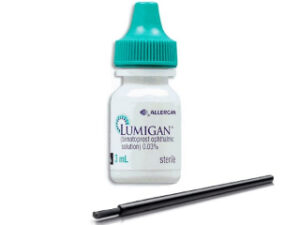
Lumigan (Bimatoprost) – Patient Information (UK)
Lumigan contains bimatoprost, a medicine used to lower pressure inside the eye. It is commonly prescribed for people with glaucoma and ocular hypertension. This guide explains how Lumigan works, how it’s typically used, what to expect, and important safety information for patients in the United Kingdom.
Quick overview
- Active ingredient: Bimatoprost
- Medicine type: Prostaglandin analogue (eye drops)
- Common use: Reducing high eye pressure
- Typical dosing schedule: Usually once daily in the evening
- Common side effects: Redness, eye irritation, dry eye, increased eyelash growth
Basic product information
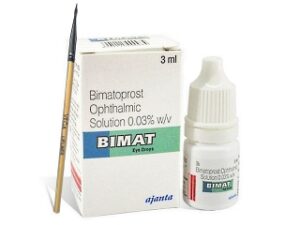
In the UK, Lumigan is supplied as eye drops containing bimatoprost. The exact strengths and packaging may vary by manufacturer and product presentation. Your pharmacist or optometrist/ophthalmologist can confirm the specific strength you have received.
Presentation: Eye drops for topical use in the eye.
Who it is for: Adults (and in some situations, certain children under specialist supervision) who require reduction of intraocular pressure to help protect vision.
How Lumigan works (mechanism of action)
Lumigan (bimatoprost) works by helping the eye to increase drainage of fluid from inside the eye. Lowering intraocular pressure (the pressure of the fluid in the eye) is important because high pressure can contribute to damage of the optic nerve, leading to progressive sight loss in conditions such as glaucoma.
Bimatoprost is believed to mimic aspects of naturally occurring molecules in the body involved in regulating eye fluid dynamics. It improves outflow through pathways that clear fluid from the eye, which reduces pressure over time.
Indications (what it is used for in the UK)
In clinical practice, Lumigan is used to:
- Reduce raised intraocular pressure in people with glaucoma.
- Manage ocular hypertension (higher-than-normal eye pressure).
- Help prevent progression of optic nerve damage by keeping eye pressure within the target range set by your eye specialist.
Your prescriber determines the most appropriate treatment plan based on your eye pressure readings, optic nerve health, visual field tests, and past response to therapy.
Typical dosing and timing
Many patients use Lumigan once daily. A common schedule is to apply it in the evening. This timing is used because prostaglandin-analogue medicines can show better pressure-lowering effects when dosed at night. Follow your specific instructions from your healthcare professional.
How to use (typical instructions)
- Wash your hands before opening the bottle.
- Use the number of drops prescribed for your eye (commonly one drop in the affected eye(s)).
- Tilt your head slightly back, gently pull down the lower eyelid, and place the drop into the lower eyelid “pocket”.
- Close your eye gently and keep it closed for a short time.
- Try not to touch your eye or eyelids with the bottle tip.
Missed dose
If you miss a dose, apply it as soon as you remember unless it’s close to the time for your next dose. Do not apply two doses to make up for a missed dose. If you are unsure, ask your pharmacist or eye care team.
Contact lenses
- If you wear contact lenses, remove them before using the drops (unless your specific product instructions allow otherwise).
- Wait before reinserting, typically about 15 minutes or as advised by your eye care professional.
Important: Consistent daily use is key. Even if your eyes feel fine, eye pressure may still be high.
Pharmacokinetics (how the body handles bimatoprost)
After instillation into the eye, bimatoprost is absorbed through the tissues of the eye. It works locally to reduce intraocular pressure.
Systemic exposure is generally low for eye drops, but some absorption occurs. Bimatoprost is metabolised in the body and eliminated mainly through hepatic metabolism and subsequent excretion.
In general, for patient safety, the focus remains on proper ocular administration (to minimise spill into the nose/throat and systemic absorption), as well as monitoring for local side effects.
Food interactions
Because Lumigan is applied to the eye and acts locally, food interactions are not expected in the usual way seen with tablets. There is no known requirement to avoid specific foods while using bimatoprost eye drops.
If you are using other medicines (especially multiple eye drops), timing matters more than food—see the section on medicine interactions below.
Alcohol interactions
There is no direct, common interaction between alcohol and bimatoprost eye drops. However, alcohol may worsen dry eye or eye irritation in some people, which can make side effects feel more noticeable.
If you experience stinging, redness, or discomfort after using the drops, consider reducing alcohol intake and speak to your pharmacist if symptoms persist or worsen.
Medicine interactions (including other eye drops)
The most important interactions are often with other topical eye medications. If you use more than one eye drop, keeping a proper interval between them helps prevent “washout” of medicines from the eye surface.
General guidance for combining eye drops
- If you use other eye drops, use Lumigan at least 5 minutes apart from other drops unless your clinician instructs otherwise.
- If you use an eye ointment, apply it last. Ointments can affect the absorption of drops if applied first.
Systemic medicines
Systemic drug interactions are considered less likely due to low systemic absorption from ocular use, but always tell your clinician/pharmacist about all medicines you take, including:
- Other eye drops
- Tablets/capsules and inhalers
- Herbal products and supplements
If you are taking medicines that affect the eye or the immune system, or you have complex medical conditions, it’s worth asking your pharmacist for personalised advice.
Safety profile: what to expect
Like all medicines, Lumigan can cause side effects, although not everyone gets them. Many side effects are mild and relate to changes around the eye.
Common side effects
- Eye redness
- Eye irritation, burning, stinging
- Dry eye or feeling of something in the eye
- Itching
- Increased tear production or watering
- Increased eyelash growth and/or changes to eyelash colour
- Eyelid skin darkening or changes in pigmentation around the eye
- Conjunctival pigmentation (change in the colour of the eye’s surface)
Less common but important side effects
- Changes in vision (transient blur or discomfort)
- Allergic reactions such as swelling, rash, or worsening redness
- Eye pain or significant light sensitivity
- Uveitis (inflammation inside the eye) – uncommon but important
- Macular changes (for example, in people at risk of macular disease)
Seek urgent advice if
Contact your healthcare professional promptly (or seek urgent eye care if advised) if you experience:
- Severe eye pain
- Sudden vision changes
- Marked swelling around the eye
- Persistent severe redness or worsening symptoms
- Symptoms suggestive of inflammation such as significant light sensitivity
Ongoing monitoring
Eye pressure and optic nerve health should be monitored regularly. Your eye care team will check whether the drops are achieving the target pressure and whether any side effects require adjustment of treatment.
Practical use tips for best results
- Use it at the same time each day (often evening) to maintain consistent pressure control.
- Drop technique matters: Aim into the lower eyelid pocket and avoid touching the eye surface with the bottle tip.
- Reduce spillover: After placing the drop, close the eye gently and consider applying gentle pressure at the inner corner (near the nose) for about 1 minute. This may help reduce drainage into the nose and lower systemic absorption.
- Don’t stop early: Even if you feel fine, continue unless advised to stop.
- Expect gradual effect: Pressure reduction may be noticed within days, but full effect is often evaluated over weeks.
- Manage irritation: If your eyes feel dry or gritty, speak to your pharmacist about lubricating drops (artificial tears). Use these at a different time from Lumigan.
Alternative options (other treatments)
Your eye specialist may consider alternative or additional treatments depending on your diagnosis, target pressure, response, and tolerance.
Other classes of eye-pressure lowering medicines
- Prostaglandin analogues (similar purpose to bimatoprost; different options may be available)
- Beta-blocker eye drops
- Alpha agonists
- Carbonic anhydrase inhibitors
- Combination drops (when appropriate)
Non-drop options
- Laser therapy in selected types of glaucoma
- Surgical procedures for some patients when medicines and/or laser are insufficient
If you experience bothersome side effects, ask your eye care team about switching to another option rather than stopping suddenly.
Market and legal context in the United Kingdom
In the UK, eye drops containing bimatoprost are regulated under medicines legislation and are available through authorised channels. Availability may vary by manufacturer and whether specific presentations are currently stocked by pharmacies.
Your local pharmacy can explain ordering times if your exact brand/strength is temporarily out of stock. For safe use, always verify you have the correct medicine and strength for your eyes.
Recent guidance (general themes)
While specific “recent guidance” can vary by year and by local commissioning, common themes in UK eye care include:
- Emphasis on adherence to prescribed eye drops for long-term pressure control.
- Attention to proper drop technique and interval spacing between multiple eye medications.
- Structured follow-up with eye pressure measurement and optic nerve monitoring.
- Prompt review if side effects occur, especially symptoms suggesting inflammation or significant vision change.
Delivery and availability (online pharmacy information)
Availability can depend on current stock levels and manufacturer supply. For online purchases, delivery times may vary across the UK. Most pharmacies aim to dispatch orders quickly once verified.
What to check when ordering:
- The exact product (Lumigan containing bimatoprost) and strength listed on the website.
- Whether the packaging is the same as what you used before (bottles and drop sizes may differ).
- The expected delivery window shown at checkout.
If you need urgent supply, contact customer service to ask about dispatch times. Keep your original packaging and leaflet for reference.
Dosing details (what is “typical” vs. “your plan”)
Dosing should be individualised by your eye care professional. However, many patients use:
| Situation | Typical dosing pattern | Timing guidance |
|---|---|---|
| Most adults | One drop to the affected eye(s) once daily | Often in the evening (e.g., at night) |
| Multiple eye drops | Adjust schedule for each medicine | Separate medicines by at least ~5 minutes unless advised otherwise |
| Missed dose | Take when remembered unless close to the next dose | Do not double dose |
If you are unsure how to fit Lumigan into your routine (especially if you use other drops), ask your pharmacist for a simple timetable you can follow.
Common questions (FAQ)
1) How long does it take for Lumigan to work?
Many people see a reduction in eye pressure within days, but your eye specialist will assess effectiveness over the following weeks. Keep using Lumigan daily as directed and attend follow-up appointments to confirm pressure targets are met.
2) Will Lumigan change the colour of my eyes?
Lumigan may cause changes in pigmentation around the eye, such as eyelash growth and changes to eyelid skin colour. In some cases, there may be changes to the pigmented area of the eye’s surface. Significant changes to iris colour are less common but can occur. If you notice changes, report them to your eye care team.
3) Can I use Lumigan with other eye drops?
Often yes. Use it with other drops only as your plan specifies. In general, wait about 5 minutes between different eye drops to avoid diluting or washing out medicines.
4) What if my eye feels dry or irritated after using Lumigan?
Mild irritation can happen. Artificial tears may help, but use them at a different time from Lumigan (e.g., later in the day or following your pharmacist’s advice). If irritation is severe or persistent, contact your clinician.
5) Can I drive after using Lumigan?
Some people experience temporary blur or discomfort after applying eye drops. If your vision feels affected, avoid driving until you feel comfortable and your vision is clear.
6) Do I need to stop if my eye becomes red?
Mild redness may be a known side effect. However, if redness is worsening, accompanied by pain, light sensitivity, swelling, or vision changes, seek advice promptly rather than stopping on your own.
7) Is Lumigan safe to use if I wear contact lenses?
Usually, contact lenses should be removed before instillation. Reinsert after a suitable interval (often around 15 minutes) or as advised. This helps reduce risk of irritation or contamination.
8) Does alcohol affect Lumigan?
There is no common direct interaction with alcohol, but alcohol may increase dryness or irritation. If you notice symptoms after drinking, moderate intake and seek advice if problems continue.
9) What should I do if the bottle tip touches my eye?
This can increase contamination risk. Avoid contact as much as possible. If the tip contacts the eye or eyelids, and you’re concerned about contamination, speak to your pharmacist about safe continuation.
10) Are there people who should use caution with bimatoprost?
Extra caution may be needed if you have a history of eye inflammation (uveitis), macular conditions, recent eye surgery, or other significant eye problems. Always review your full medical and eye history with your pharmacist or eye specialist.
When to contact your pharmacist or eye care team
- If you experience persistent burning, severe irritation, or swelling.
- If you notice new or worsening vision changes.
- If you suspect an allergic reaction (e.g., rash, significant lid swelling).
- If you need help building a schedule for multiple eye drops.
- If you are unsure whether to continue after a missed dose or if you miss more than one day.
Final reminder: Lumigan is intended to be used every day to help control eye pressure. Use it correctly, keep follow-up appointments, and seek advice if side effects are troublesome or concerning.