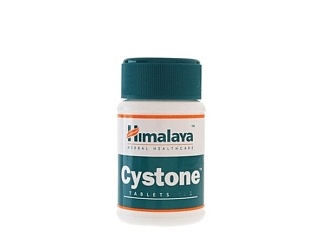
Cy s tone (Cystone) – Patient Guide (UK)
Cystone is a herbal medicine traditionally used to support urinary health. In the United Kingdom, it is commonly chosen by people seeking help with urinary discomfort related to mild bladder irritation and for general support of urinary system function.
This guide is written to be patient-friendly and explains how Cystone works, how it is typically taken, and what to consider regarding safety, interactions, and practical use. Always follow the instructions on the pack or the advice of a qualified healthcare professional.
Basic product information
| Item | Details |
|---|---|
| Name | Cystone (often marketed as “Cystone” herbal medicine for urinary support) |
| Type | Herbal medicinal product used for urinary tract comfort/support |
| Common use | Support in urinary discomfort, mild bladder irritation, and urinary tract health |
| How it is taken | By mouth, typically on a set schedule (follow your pack instructions) |
| Availability in the UK | May be supplied by online pharmacies and other health retailers depending on licensing and stock |
Important: The exact ingredients and strength can vary depending on the specific product presentation. Please check your particular package for the active ingredients list, tablet/capsule strength, and directions for use.
How Cystone works (mechanism of action)
Cystone is a traditional herbal urinary support product. While precise mechanisms can vary by formulation, herbal urinary medicines like Cystone are generally thought to support urinary tract comfort by:
- Supporting normal urinary function: helping the urinary system maintain comfortable function during mild irritation.
- Supporting fluid balance in the urinary tract: encouraging adequate hydration practices and normal urine flow.
- Helping reduce discomfort associated with irritation: people may notice improved symptoms such as burning, frequency, or urgency related to mild bladder irritation.
- Traditional stone-related support (where applicable): some herbal formulas are used traditionally for urinary “sediment” or stone-support; however, individual results vary and evidence can differ.
If you have symptoms suggestive of a more serious urinary problem (for example fever, flank/back pain, blood in urine, or symptoms that worsen), seek medical advice promptly rather than relying on self-care alone.
Pharmacokinetics (how the body handles it)
Because Cystone is a herbal medicine, detailed pharmacokinetic studies (how each component is absorbed, metabolised, and excreted) may be limited or differ between product batches and formulations. In practice, herbal urinary-support medicines are typically taken orally with effects related to their combined ingredients.
- Absorption: oral absorption of individual herbal constituents is variable.
- Distribution: constituents may distribute throughout body tissues; urinary tract exposure may contribute to the intended effect.
- Metabolism: plant compounds may be metabolised by liver and gut processes.
- Excretion: many herbal metabolites are eventually excreted in urine, which may be part of the traditional rationale.
For most people, the key practical point is consistent use as directed and close attention to symptom response. If symptoms do not improve or new/red-flag symptoms develop, stop self-treatment and seek professional care.
Typical uses and indications (what it may help with)
Cystone is used for urinary tract health support. People commonly take it for:
- Mild urinary discomfort such as burning or irritation with urination.
- Urinary frequency or urgency related to mild bladder irritation.
- General urinary system support as part of a routine of hydration and bladder comfort measures.
- Traditional support for urinary “sediment”/stone-related concerns in some usage patterns (outcomes vary; seek medical advice if you suspect stones).
Not for emergency situations: If you have severe pain, fever, or signs of kidney involvement, you should get urgent medical advice. Herbal support is not a replacement for medical evaluation when needed.
When to take Cystone (timing and duration)
Typical directions are based on the product label. As a general approach for many oral herbal urinary medicines:
- Follow pack instructions for the exact dose and timing.
- Take it regularly at the same times each day to help maintain consistent daily intake.
- Many people take it with meals or after food if this reduces stomach upset.
- You may be advised to use it for a course duration (for example, several weeks) depending on symptoms.
If symptoms improve: continue to complete the course as advised on the pack.
If symptoms do not improve: reassess and seek advice from a pharmacist or GP.
Dose (general guidance)
The exact dose depends on the specific Cystone product you have (tablet/capsule type, strength, and local formulation). Always read your packaging for the definitive dosing schedule.
Typical dosing pattern (example only): Many herbal urinary support products are taken multiple times per day (commonly morning, afternoon, and evening). However, this is not a guarantee of your exact product dose.
- Adults: follow the pack dosing; do not exceed the recommended daily dose.
- Children: consult a pharmacist/clinician—many products are not intended for younger children.
- Pregnancy and breastfeeding: seek medical advice before use.
- Renal impairment: ask a healthcare professional for guidance if you have kidney problems.
Missed dose: take it when you remember unless it is close to the next dose. Do not take double the amount.
Food interactions
Herbal urinary-support medicines are often flexible regarding meals, but tolerability can vary. Consider the following:
- With food: taking Cystone with or after meals may reduce the risk of stomach discomfort.
- Hydration matters: adequate water intake supports urinary comfort and helps flush the urinary tract.
- Avoid extreme dehydration: if you drink less than usual, urinary symptoms may worsen regardless of supplements.
If your pack instructions specify taking Cystone on an empty stomach or with specific timing, follow those directions. If you’re unsure, check with a pharmacist.
Alcohol and medicine interactions
Because Cystone is a herbal product, interactions with alcohol are not always fully characterised. Nonetheless, from a safety perspective:
- Alcohol: alcohol can irritate the bladder in some people and may worsen urinary frequency or burning. It can also increase dehydration. If you notice symptom worsening after alcohol, reduce intake or avoid it.
-
Other medicines: herbal ingredients can interact with other medicines in some cases.
Report all medicines and supplements you take to your pharmacist, especially:
- diuretics (“water tablets”)
- medicines affecting blood thinning (e.g., warfarin)
- medicines for kidney or bladder conditions
- other herbal products
General rule: If you start new medications or your urinary symptoms change noticeably, review your plan with a healthcare professional.
Safety profile and side effects
Most people tolerate Cystone well when taken as directed. However, as with any medicine, side effects can occur. Herbal medicines may also cause allergic reactions in sensitive individuals.
Possible side effects
- Gastrointestinal upset (e.g., nausea, stomach discomfort)
- Loose stools in some people
- Headache or mild dizziness (uncommon)
- Allergic reactions (rare): rash, itching, swelling, or breathing difficulties
When to stop and seek urgent help
Seek urgent medical attention if you develop:
- swelling of the face/lips, difficulty breathing, or widespread rash
- severe pain in the back/side (flank pain)
- fever or chills
- blood in the urine
- symptoms that rapidly worsen
Who should be cautious
- Pregnancy/breastfeeding: consult a clinician first.
- Children: only use if appropriate for age and as advised.
- Kidney disease: check suitability with a healthcare professional.
- History of allergies to herbal products or related ingredients.
- Taking multiple medicines: ask a pharmacist about possible interactions.
If you experience side effects, stop the product and seek advice. Report side effects to your healthcare professional or via the UK yellow card system (details available via the MHRA).
Practical use tips (how to get the best results)
- Start early with supportive habits: drink water regularly through the day, but avoid excessive fluid intake.
- Don’t ignore red flags: fever, back pain, pregnancy, recurrent infections, or worsening symptoms should prompt medical review.
- Track symptoms: note burning, frequency, urgency, and pain levels to see whether there is improvement after a few days.
- Use consistently: herbal urinary support tends to work better with steady daily dosing as directed.
- Consider bladder irritants: caffeine, fizzy drinks, and alcohol can worsen bladder discomfort in some people.
- Hygiene and comfort measures: avoid fragranced soaps in the genital area and wear breathable underwear.
Alternative options
Depending on your symptoms and medical history, there may be alternatives to Cystone. The best choice varies by cause. Consider:
- Conventional symptom relief products: for example, urinary alkalinisers (where appropriate) may help some people with discomfort. Speak to a pharmacist to ensure suitability.
- Antibiotics for confirmed bacterial infections: if your symptoms strongly suggest a bacterial UTI, antibiotics may be needed—seek professional assessment.
- Non-medicinal measures: hydration, avoiding bladder irritants, and managing constipation (which can affect bladder function).
- Other herbal urinary products: there are various UK-available options. Always compare ingredients, dosing schedules, and warnings.
If you have recurrent UTIs, kidney stones, or persistent symptoms, it’s particularly important to get personalised advice.
UK market and legal context (what to know)
In the UK, herbal products may be regulated differently depending on their status (for example, traditional herbal registration versus other classifications). Retail supply also follows UK rules for pharmacy and consumer safety.
- Authorisation and quality: products sold in the UK should have appropriate licensing/registration and comply with manufacturing and quality standards.
- Information on the pack: the pack is the best source for the exact directions, ingredients, and safety warnings.
- Clear labelling: a compliant product will display recommended dose and key warnings.
For the most up-to-date product-specific information, always refer to the label and the patient information included with your item.
Recent guidance (UK-focused)
UK guidance for urinary symptoms generally emphasises appropriate self-care and timely escalation when symptoms suggest a more serious condition. Key themes include:
- UTI symptoms vary: not all urinary discomfort is caused by infection.
- Red flags should not be delayed: fever, back/flank pain, blood in urine, pregnancy, male UTIs, and severe or worsening symptoms typically require prompt medical assessment.
- Antibiotic stewardship: clinicians aim to avoid unnecessary antibiotics to reduce resistance. This is why accurate assessment and symptom review matter.
- Hydration and bladder comfort measures: are often part of initial management while symptoms are monitored.
If you are using Cystone for mild symptoms, monitor closely and stop self-treatment if you deteriorate or if symptoms persist.
Delivery, availability, and ordering in the UK
Availability can vary by supplier and stock levels. When purchased from an online pharmacy, delivery options may include standard and tracked delivery, depending on location and cut-off times.
- In-stock items: typically dispatched quickly according to the website’s delivery information.
- Out-of-stock items: may be restocked; check estimated availability dates when provided.
- Packaging: medicines are generally shipped in protective packaging to reduce damage.
Tip: store Cystone as directed on the pack (often at room temperature, away from moisture and direct sunlight). Keep out of reach of children.
FAQ
Is Cystone suitable for everyone?
Cystone may not be suitable for everyone, particularly children, people who are pregnant or breastfeeding, and those with kidney disease or a history of allergies to herbal ingredients. Check the pack and speak to a pharmacist if you’re unsure.
How quickly should I feel better?
Many people notice some symptom improvement within a few days if the cause is mild bladder irritation. If there is no improvement or symptoms worsen, stop using the product and seek advice.
Can I take Cystone with other supplements?
You can generally take herbal products alongside some supplements, but interactions are not always fully known. If you take multiple products—especially diuretics, blood-thinning medicines, or other bladder/urinary remedies—ask a pharmacist first.
Does Cystone treat a urine infection?
Cystone is intended for urinary support and comfort. If you have symptoms suggestive of a bacterial urinary tract infection (especially fever, flank pain, or worsening symptoms), you may need different treatment. Seek professional assessment.
Should I avoid alcohol?
Alcohol can irritate the bladder and contribute to dehydration in some people. If you notice your urinary symptoms worsen after alcohol, it’s best to avoid or limit it while you have symptoms.
Can I take Cystone if I’m pregnant?
If you’re pregnant, you should consult a healthcare professional before using Cystone to ensure it is appropriate for you.
What if I miss a dose?
Take it when you remember unless it’s close to your next dose. Do not take a double dose.
Where can I find the exact dosing instructions?
The dosing instructions on your package are the most accurate. Because formulations can vary, always follow the specific directions supplied with your product.
Are there signs I should stop and contact a doctor urgently?
Yes. Contact urgent medical services if you develop difficulty breathing, facial swelling, a severe allergic reaction, fever, severe back/flank pain, blood in urine, or rapidly worsening symptoms.
Disclaimer: This information is for general guidance and does not replace medical advice. If you have concerns about your symptoms or medical history, speak to a pharmacist or clinician. Always read the product label before use.