
Desloratadine (for allergies) — Patient Guide (UK)
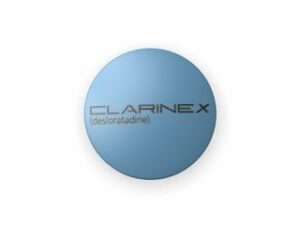
Desloratadine is a modern, non-drowsy (or minimally drowsy) antihistamine used to relieve symptoms caused by allergies. It works by blocking the action of histamine—one of the main chemicals released by the body during allergic reactions. In the UK, desloratadine is available for purchase through pharmacies and other regulated retailers, depending on pack size and strength.
This guide explains how desloratadine works, when to take it, common uses, dosing for typical adults and children, key safety information, and practical tips. It also covers potential interactions, including with alcohol and other medicines, plus alternatives you may find in UK pharmacies.
Quick product information
| Feature | What to know |
|---|---|
| Medicinal name | Desloratadine |
| Medicine type | Second-generation antihistamine (long-acting) |
| How it helps | Reduces allergy symptoms such as sneezing, itching, watery eyes and runny nose |
| Common forms | Tablets and oral solution (brand and strength vary by product) |
| Typical dosing frequency | Once daily |
| Onset | Often begins within a few hours; full relief may build over time |
| Most suitable for | Seasonal and year-round allergic rhinitis, and allergy-related itching/skin symptoms |
How desloratadine works (mechanism of action)
During an allergic reaction, the body releases histamine. Histamine binds to receptors (H1 receptors) on cells in the nose, eyes, skin and airways, contributing to symptoms like sneezing, itching, runny nose and watery eyes.
Desloratadine is an antihistamine that blocks H1 receptors. By preventing histamine from acting, it helps reduce the signs and symptoms of allergy. Because it is designed as a second-generation antihistamine, it tends to cause less drowsiness than older antihistamines in many people.
Pharmacokinetics: what the body does with desloratadine
“Pharmacokinetics” describes absorption, distribution, metabolism and elimination. Understanding these can help explain why it’s taken once daily and what influences how it works.
Absorption
Desloratadine is absorbed after oral use. Food does not generally require dose timing changes, because the medicine can still be absorbed effectively.
Distribution
After absorption, desloratadine distributes throughout the body, including into tissues where allergic symptoms occur (such as the nasal lining and eyes).
Metabolism and elimination
Desloratadine is processed mainly in the liver and eliminated from the body, with effects lasting about 24 hours in typical use. The exact handling can vary between individuals, especially in kidney or liver impairment.
If you have kidney or liver problems, your clinician or pharmacist may advise a tailored dosing approach, because medicine clearance can differ.
Typical uses in the UK
Desloratadine is used to relieve allergy symptoms. Depending on your product strength and local availability, it may be used for:
- Seasonal allergic rhinitis (hay fever), such as sneezing, runny or blocked nose, itching, and watery eyes.
- Perennial (year-round) allergic rhinitis due to ongoing allergens (for example, house dust mites).
- Relief of symptoms of chronic idiopathic urticaria (chronic “hives”), including itching and skin welts.
When to take desloratadine (timing and routine)
Most people take desloratadine once daily. A consistent daily routine helps maintain symptom control.
- Choose a time you can remember (morning or evening).
- Try to take it at the same time each day.
- If symptoms are worse at certain times (e.g., outdoors in the morning), you may prefer taking it earlier—while still keeping the once-daily schedule.
If you have started during a flare (such as hay fever), you may notice improvements within a few hours, but the most noticeable benefit may increase as allergy exposure continues and the medicine maintains an effect.
Can you take desloratadine with food?
Yes. Desloratadine can generally be taken with or without food. There is usually no need to adjust timing based on meals.
Food interactions
Food does not typically cause clinically important changes in how desloratadine works. That said, follow your specific product leaflet for any instructions for your formulation (tablet vs oral solution).
- General rule: can be taken with water and with or without meals.
- Oral solution: measure carefully using the provided dosing device (if included). Don’t use kitchen teaspoons.
- Hydration: drink water normally; it doesn’t usually affect effectiveness.
Alcohol and medicine interactions
Desloratadine is generally considered less sedating than older antihistamines, but individual reactions vary. If you plan to drink alcohol, use caution—especially if you notice any drowsiness.
Alcohol
- Moderation is advised. Alcohol may still increase tiredness or impaired alertness in some people.
- If you feel sleepy or slower than usual, avoid driving or operating machinery.
Other medicines
Desloratadine has fewer common “major” interactions than some medicines, but interactions can still occur. Tell your pharmacist about all the medicines you take, including herbal products and over-the-counter remedies.
Be particularly careful with medicines that can cause drowsiness, for example:
- Some sleep medicines (hypnotics)
- Sedating antihistamines (other allergy products)
- Strong painkillers (opioids)
- Some antidepressants or anti-anxiety medicines
- Alcohol-containing cough syrups or cold remedies that may be sedating
Combining multiple allergy medicines can increase side effects without improving symptom relief. If you’re using another antihistamine, ask your pharmacist which one to stop or avoid.
Indications: what conditions it’s for
Depending on age, product strength and what is available in the UK market, desloratadine is indicated for the following:
- Allergic rhinitis (seasonal and non-seasonal) — reduces symptoms such as sneezing, itching, watery eyes, and runny or blocked nose.
- Chronic idiopathic urticaria — helps relieve itching and skin swelling/welts associated with chronic hives.
Dosing: adults and children (typical guidance)
Dosing depends on the formulation (tablet vs oral solution) and the person’s age. Always use the dosing instructions provided with your specific product. If you are unsure, ask your pharmacist.
Typical dosing frequency: once daily.
Adults and adolescents
- Common adult/adolescent dose: 5 mg once daily (based on many UK-available strengths).
Children
Children’s dosing may differ by age and by whether the medicine is a tablet or oral solution. Many UK products have age-based dosing schedules.
- Children aged 6 to 11 years: often 2.5 mg once daily (commonly available as oral solution dosing).
- Children aged 12 years and over: often 5 mg once daily.
- Children under 6: dosing depends on product guidance and age. Use only if your product leaflet specifies it for the child’s age group.
Important: Never guess dosing for children—use the leaflet or pharmacist advice for the exact product you have.
Kidney or liver impairment
If you have kidney problems or significant liver impairment, dose adjustments may be considered. Ask a pharmacist for advice before using desloratadine, particularly if you have reduced kidney function.
Missed dose
- If you miss a dose, take it as soon as you remember unless it’s close to the next dose.
- Do not take a double dose to make up for a missed tablet.
How long to use
For hay fever, people usually start before or at the beginning of allergy season and continue while symptoms last. For year-round symptoms, it may be used throughout the season or longer periods when allergens are present, following product guidance.
Safety profile: side effects and when to seek help
Like all medicines, desloratadine can cause side effects, although not everyone gets them. Many people tolerate desloratadine well.
Common side effects
- Headache
- Dry mouth
- Fatigue or sleepiness (less common, but can happen)
- In some people: abdominal discomfort or nausea
Less common or serious reactions (seek medical advice urgently)
Get urgent help if you experience signs of a serious allergic reaction, such as:
- Swelling of the face, lips, tongue or throat
- Difficulty breathing or wheezing
- Severe rash or blistering
- Feeling faint or collapsing
Driving and operating machinery
Desloratadine is usually non-drowsy in many people. However, individual responses vary. If you feel drowsy or dizzy, avoid driving and using machinery until you feel normal again.
Practical use tips for better symptom control
Allergy relief is often best with a combination of the correct medicine and sensible avoidance strategies. These tips may improve results:
- Start early if possible: For seasonal allergies, consider beginning around the time symptoms are expected.
- Keep taking it daily: Desloratadine works best with consistent dosing.
- Use nasal hygiene: For nasal symptoms, saline rinses or sprays can help reduce irritants (separate from desloratadine timing if needed).
- Manage triggers: Close windows during high pollen times, shower after outdoor exposure, and consider dust-mite measures indoors.
- Don’t double up: Avoid taking another antihistamine at the same time unless advised.
- Track your symptoms: Noting when symptoms worsen can help you adjust timing or plan seasonal use.
Alternative options (UK pharmacy choices)
If desloratadine doesn’t fully control your symptoms, other treatment options may help. Alternatives may include:
Other non-drowsy antihistamines
- Loratadine
- Cetirizine (may cause more drowsiness in some people than some alternatives)
- Fexofenadine
Intranasal options (often effective for hay fever)
- Antihistamine nasal sprays
- Corticosteroid nasal sprays (commonly used for persistent allergic rhinitis)
For itchy skin or hives
- Non-sedating antihistamines like desloratadine are commonly used
- Skin care measures (gentle washing, avoiding hot showers, fragrance-free moisturisers)
If symptoms persist despite antihistamine use, a pharmacist or clinician can help you select an approach that matches the pattern and severity of your allergy.
Market and legal context in the United Kingdom
In the UK, access to desloratadine products may vary by product type, pack size, and formulation (for example, tablets versus oral solution). Many antihistamines are available to buy over the counter through pharmacies for common allergy symptoms, while some medicines or dosing regimens may fall under professional guidance depending on strength and age group.
Always check the pack for the exact legal status, indications by age, and dosing instructions. UK medicines are governed by regulatory requirements, including product information leaflets approved for sale.
Recent guidance and best-practice themes (high level)
- Stepwise management: For rhinitis, many guidelines emphasise starting with effective symptom control and escalating if needed (often beginning with antihistamines and/or intranasal corticosteroids).
- Optimising nasal treatment: For persistent hay fever, nasal sprays often provide strong control, particularly for congestion.
- Safety monitoring: Ongoing emphasis on using the lowest effective dose, avoiding duplicated antihistamines, and checking suitability in kidney or liver impairment.
Delivery and availability (what UK customers can expect)
Desloratadine products may be available in-store and online from UK pharmacies and authorised retailers. Delivery timelines typically depend on the supplier, location and stock levels. When ordering online:
- Check that the product is available for delivery in the UK.
- Confirm the strength and formulation (tablet or oral solution) and the recommended age range.
- Look for pack quantity (for example, number of tablets per pack).
- Ensure you receive a product with a valid expiry date.
If you need assistance choosing the right product size for your symptoms, a pharmacist can often help you compare options.
Safety considerations: who should take extra care?
Desloratadine is generally suitable for many people, but extra care is recommended if you:
- Have kidney or liver impairment.
- Are pregnant or breastfeeding (suitability may depend on individual circumstances—seek advice from a pharmacist).
- Are taking other medicines that may cause drowsiness or affect the liver.
- Have a history of allergic reactions to antihistamines.
If you have any concerns about suitability, it’s best to speak with a pharmacist before use, particularly for children and people with long-term medical conditions.
Frequently Asked Questions (FAQ)
Is desloratadine “non-drowsy”?
Many people experience little or no drowsiness. However, everyone’s response is different. If you feel sleepy, avoid driving or operating machinery.
How quickly does desloratadine work?
Symptoms may start improving within a few hours. For ongoing exposure (such as hay fever season), consistent daily use helps maintain relief.
Can I take desloratadine every day?
Yes, for appropriate conditions and within product guidance, desloratadine is typically taken once daily. If symptoms are not improving or you need long-term use, speak to a pharmacist for advice on the best plan.
Can I take it with other cold and flu medicines?
Be careful. Many cold and flu products contain antihistamines or other ingredients that can increase side effects. Check the labels carefully and ask a pharmacist if you are unsure.
Can I drink alcohol while taking desloratadine?
You may be able to drink alcohol, but use caution. Alcohol can increase tiredness and reduce alertness, even if desloratadine is usually minimally sedating.
What if my allergy symptoms are worse even though I’m taking it?
Sometimes allergies are severe or the main symptoms are not fully addressed by antihistamines alone (for example, nasal congestion). A pharmacist can help you consider additional or alternative treatments, such as nasal sprays or a different antihistamine, depending on your symptoms.
Can children take desloratadine?
Some desloratadine products are licensed for children from certain age groups, often using tablet or oral solution formulations. Use only the age-appropriate dosing stated on your specific product and do not improvise doses.
Is it safe to take desloratadine if I have kidney disease?
People with kidney impairment should take extra care. Dosing may need to be adjusted depending on severity. Ask a pharmacist for advice before starting.
How should I store desloratadine?
Store according to the instructions on the pack or leaflet. In general, keep it in a cool, dry place, out of sight and reach of children, and follow storage conditions specific to your formulation.
Summary
Desloratadine is a once-daily antihistamine commonly used in the UK for allergic rhinitis (hay fever and year-round allergies) and itching associated with chronic urticaria. It works by blocking histamine receptors, helping relieve symptoms such as sneezing, itching, watery eyes and runny nose. Food generally does not affect it significantly, and it can be taken with or without meals. While it is often minimally sedating, some people still experience drowsiness—so monitor how you feel, especially if you plan to drive or drink alcohol.
If you’re unsure which product strength is suitable for you, need dosing help for a child, or have other medical conditions or medicines, a pharmacist can guide you to the safest choice.