
Dexilant (dexlansoprazole) – Patient Information (UK)
Dexilant is a medicine that reduces the amount of acid produced in your stomach. It is used to treat conditions caused by stomach acid, such as gastro-oesophageal reflux disease (GORD) and inflammation of the oesophagus (acid-related damage). Dexilant belongs to a group of medicines called proton pump inhibitors (PPIs).
This page explains how Dexilant works, what it’s used for, how to take it, important interactions, safety information, and frequently asked questions. It is designed to be patient-friendly and reflect common UK pharmacy guidance.
Quick overview
- Medicine name: Dexilant (dexlansoprazole)
- Type: Proton pump inhibitor (PPI)
- What it does: Reduces stomach acid production
- Typical uses: GORD, reflux symptoms, erosive oesophagitis
- How it’s usually taken: Once daily, usually before food
- Key practical point: Don’t crush or split tablets; swallow whole for best effect
Basic product information
| Feature | Information |
|---|---|
| Active ingredient | Dexlansoprazole |
| Medicine class | Proton pump inhibitor (PPI) |
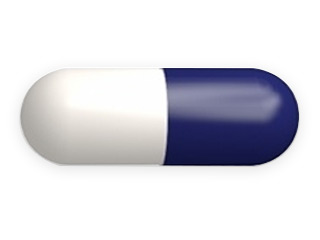
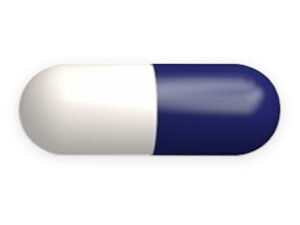
| Available form | Capsules or modified-release tablets are used depending on brand/strength in the UK supply chain |
| Typical strength | Common strengths include 30 mg and 60 mg (availability may vary) |
| How it works | Reduces gastric acid production by blocking the “proton pump” in stomach cells |
Important: Always check your pack for the exact formulation and dose. If anything is unclear, speak to a pharmacist.
How Dexilant works (mechanism of action)
PPIs such as dexlansoprazole work by irreversibly blocking the proton pump (H+/K+ ATPase) found in cells that line the stomach. This pump is responsible for releasing acid into the stomach.
Dexlansoprazole is designed for modified release (often described as dual delayed release). This means the medication is released in phases during the day, helping to maintain acid suppression over a longer period compared with some immediate-release acid reducers.
- Lower stomach acid helps relieve reflux symptoms
- Protects the oesophagus by reducing acid injury
- Supports healing in erosive oesophagitis (when the oesophagus has been damaged)
Pharmacokinetics (how the body handles Dexilant)
Pharmacokinetics describes how a medicine is absorbed, distributed, metabolised and eliminated.
Absorption
- Dexlansoprazole is absorbed after taking the dose.
- The modified-release design supports delayed and phased drug release.
- Peak blood levels can occur at more than one time point, reflecting the dual release characteristics.
Distribution
- Dexlansoprazole is highly protein-bound in blood.
- It acts locally in the stomach lining, where acid suppression is needed.
Metabolism
- Dexlansoprazole is primarily metabolised in the liver by CYP enzymes (notably CYP2C19 and CYP3A4 pathways).
- Individuals vary: some people are “fast” or “slow” metabolisers depending on genetics, which can affect drug levels.
Elimination
- The inactive metabolites are mainly eliminated via urine and faeces.
- The clinical effect can last beyond the period of highest blood concentration because the proton pumps are blocked for long enough to reduce acid production.
Typical use in the UK
Dexilant is used to treat conditions where stomach acid causes symptoms or damage. In the UK context, PPIs like Dexilant are commonly used under medical supervision when symptoms are frequent or persistent, or when there is evidence of oesophageal inflammation.
Common indications
- GORD (gastro-oesophageal reflux disease) – relief of reflux symptoms such as heartburn and acid regurgitation
- Erosive oesophagitis – treatment of inflammation and healing of the oesophagus due to acid exposure
- Maintenance – helping reduce recurrence in appropriate patients, as directed by healthcare advice
Only use Dexilant for the condition that matches your prescriber’s or pharmacist’s advice and the information on your product packaging.
When and how to take Dexilant (timing and practical guidance)
Timing can affect how comfortably you take the medicine and how consistently it works.
Typical dosing timing
- Most people take Dexilant once daily.
- It is commonly recommended to take it before food (often before breakfast or before the first meal of the day).
- Because of the modified release, many people find once-daily dosing helps cover both day and night symptoms.
How to swallow
- Swallow whole with water.
- Do not crush or chew modified-release products (unless your specific product instructions state otherwise).
- If you have swallowing difficulties, ask a pharmacist for advice about your specific formulation.
How long before it helps?
- Some symptom relief can begin within a few hours, but full benefit may take several days.
- If symptoms are severe or long-standing, your clinician may recommend a course length and review plan.
Food interactions (what to expect)
With PPIs, food can sometimes influence absorption and onset. For Dexilant, the modified-release design is intended to maintain effect even with normal eating patterns.
- In general, it is best to take Dexilant before meals as advised.
- If you accidentally take a dose with or after food, do not double the next dose—continue with the usual schedule.
Practical tip: Try to take Dexilant at the same time each day so acid suppression is consistent.
Alcohol and medicine interactions
Alcohol
Alcohol doesn’t directly “cancel” Dexilant in most people, but it can worsen reflux and irritate the stomach and oesophagus. If you notice that drinking triggers heartburn or regurgitation, reducing alcohol (or avoiding it) may improve your symptoms.
Other medicines: important interactions
Dexlansoprazole reduces stomach acid. That change can affect how certain medicines dissolve and are absorbed. Some interactions are clinically significant; others are managed by spacing doses or monitoring.
- Medicines requiring an acidic environment for absorption may work less effectively (examples can include some antifungal agents and certain antiviral medications—your pharmacist can check your specific list).
- Atazanavir and related medicines (HIV medicines) may be affected due to reduced stomach acidity.
- Clopidogrel: PPIs can potentially reduce activation of clopidogrel in some individuals. If you use clopidogrel, seek pharmacy advice on which PPI is most appropriate.
- Warfarin: PPIs may rarely affect clotting stability; monitoring may be needed when starting or stopping.
- Metals and minerals: Long-term acid suppression may affect levels of certain nutrients (see “Long-term safety” below).
Always tell your pharmacist about all medicines you take, including over-the-counter products, herbal remedies, vitamins, and supplements.
Dosing information (general guidance)
Dosing can vary depending on the condition, severity of symptoms, and product strength. Use your pack label and healthcare advice as the primary guide.
Typical adult dosing (general)
- GORD symptoms / erosive oesophagitis: commonly taken once daily at the dose specified by your prescriber.
- Maintenance therapy (where appropriate): may involve a lower dose or a scheduled approach.
Do not change your dose without advice. If you miss a dose, follow the instructions from the product leaflet. In many cases, if you remember later the same day, you may take it; if it is close to the next dose, you may skip and continue normally. Avoid doubling.
Safety profile and who should be extra careful
Like all medicines, Dexilant can cause side effects. Most are mild and temporary, but it’s important to know what to watch for.
Common side effects (examples)
- Headache
- Diarrhoea or constipation
- Nausea
- Abdominal discomfort
Less common but important
- Allergic reactions (rash, itching, swelling, difficulty breathing)
- Infections: reducing stomach acid can increase susceptibility to certain gut infections
- Low magnesium (hypomagnesaemia), particularly with long-term use
- Vitamin/mineral effects: long-term use may be associated with changes in vitamin B12 and magnesium levels
- Bone fracture risk: long-term, high-dose PPI use has been linked in some studies to a slightly increased risk of fractures
Seek urgent advice if you have
- Severe or persistent diarrhoea (especially if watery or with blood)
- Unexplained weight loss
- Difficult or painful swallowing
- Vomiting blood or passing black stools
- Signs of allergic reaction (swelling of face/lips, breathing difficulty)
Note: If symptoms persist despite treatment or if you have warning signs, you should be reviewed by a healthcare professional.
Long-term safety and monitoring (UK context)
PPIs are often effective, but they are intended for appropriate indications and at the lowest effective dose for the shortest duration needed. Long-term use should be regularly reviewed.
- Review need for ongoing treatment if you have been taking Dexilant for months or longer.
- Check for nutrient risks if you have additional factors (e.g., poor diet, older age, kidney disease, or concurrent medications).
- Discuss magnesium if you develop muscle cramps, weakness, dizziness, or palpitations—especially if you are on other medicines that affect electrolytes.
Practical use tips
- Take consistently: Choose a time you can stick to daily (often before breakfast).
- Swallow whole: Don’t crush or chew modified-release products.
- Pair with lifestyle measures: Acid reflux is often improved by avoiding late meals, reducing trigger foods, and elevating the head of the bed if night symptoms occur.
- Give it time: Don’t judge effectiveness after only one or two doses—many people need several days.
- Track symptoms: Note heartburn frequency, regurgitation, and night waking to help decide whether adjustment is needed.
Lifestyle measures that commonly help GORD:
- Avoid large meals, especially in the evening
- Limit foods that trigger you (for some people: spicy foods, fatty meals, chocolate, mint, caffeine, citrus, and carbonated drinks)
- Stop smoking if applicable
- Maintain a healthy weight
- Consider not lying down for 2–3 hours after eating
Alternative options (if Dexilant isn’t suitable)
Depending on your diagnosis, severity, and previous response, alternatives may include:
Other PPIs
- Omeprazole
- Esomeprazole
- Lansoprazole
- Pantoprazole
- Rabeprazole
H2-receptor antagonists
- Famotidine (availability may vary)
Antacids and alginates
- Antacid liquids/tablets for fast, short-term relief
- Alginates (e.g., raft-forming products) that help reduce reflux, particularly after meals
Which alternative is best? It depends on your symptoms, the pattern (day vs night), and whether you have erosive oesophagitis. A pharmacist can help you compare options and suitability.
Market and legal context for the UK (availability and regulation)
In the United Kingdom, medicines are authorised and regulated through the Medicines and Healthcare products Regulatory Agency (MHRA). Dexilant products are supplied according to their category, licence, and local distribution arrangements. Pharmacy supply may depend on product availability and the specific strength/formulation.
Supply and availability: Stock levels can fluctuate. If a strength or form is temporarily unavailable, your pharmacy may offer a comparable option (such as another PPI) where appropriate.
Clinical practice context: In the UK, PPIs are commonly used for suspected or confirmed GORD, with treatment reviewed regularly. Guidance emphasises using the lowest effective dose and reassessing ongoing need for long-term use.
Recent guidance (what is commonly recommended)
In recent UK and international clinical practice, the focus for reflux management has generally been on:
- Appropriate diagnosis and confirming whether symptoms are due to acid reflux.
- Short-term PPI trials where suitable for symptom control, followed by review.
- Step-down therapy if symptoms are controlled (for example, reducing dose, altering schedule, or switching strategies).
- Patient education about lifestyle measures and correct timing.
- Monitoring for long-term risks when PPIs are used beyond the short term.
If you have persistent symptoms despite correct use, you may need further assessment (for example to rule out alarm features or complications).
Delivery and availability (online pharmacy)
Dexilant is typically available to order from online pharmacies subject to product licensing, stock status, and local regulations. Delivery time depends on the courier service, address location, and order processing time.
- Stock checks: Orders may be delayed if a particular strength or formulation is temporarily out of stock.
- Packaging: Medicines should arrive in manufacturer packaging with clear dosage information.
- Cold chain: Dexilant is not usually a cold-chain item; however, keep to storage instructions on the pack.
Storage: Store at room temperature as directed on your packaging, away from direct heat and moisture. Keep out of sight and reach of children.
FAQ
1) What is Dexilant used for?
Dexilant (dexlansoprazole) is used to treat conditions caused by stomach acid, most commonly GORD and related inflammation of the oesophagus (erosive oesophagitis). It helps reduce heartburn and acid regurgitation and supports healing.
2) How fast does Dexilant work?
Some people notice improvement within a day, but for many it can take several days to feel the full benefit. If symptoms don’t improve, you should discuss this with a pharmacist or clinician.
3) Should I take Dexilant before or after food?
It’s generally recommended to take Dexilant before food (often before breakfast or the first meal of the day). If you occasionally take it with food by mistake, don’t double the dose—continue your usual schedule.
4) Can I drink alcohol while taking Dexilant?
Alcohol doesn’t always directly interact with Dexilant, but it can worsen reflux symptoms and irritate the stomach/oesophagus. If alcohol triggers your heartburn, reducing or avoiding it may help.
5) What medicines can interact with Dexilant?
Because Dexilant reduces stomach acid, it may affect absorption or effectiveness of some medicines. Tell your pharmacist if you take medicines such as certain HIV treatments, clopidogrel, warfarin, or any other regular prescription or over-the-counter products.
6) Can I take antacids with Dexilant?
Often, antacids may be used for breakthrough symptoms. However, timing may matter for certain products. Ask a pharmacist if you’re using multiple acid-related products.
7) Is Dexilant safe to take long term?
Many people use PPIs for extended periods when benefits outweigh risks. However, long-term use should be regularly reviewed. Potential risks include low magnesium, vitamin B12 changes, infections, and a possible small increase in fracture risk, particularly at higher doses over time.
8) What side effects should I watch for?
Common side effects include headache and changes in bowel habits. Seek urgent advice for allergic reactions, severe or persistent diarrhoea, or warning signs such as vomiting blood, black stools, or unexplained weight loss.
9) What should I do if I miss a dose?
Follow the instructions in your leaflet. In many cases, you simply take the next dose at the usual time. Avoid taking double doses to make up for a missed tablet.
10) When should I seek medical advice for reflux?
Seek medical advice promptly if you have alarm symptoms (difficulty swallowing, blood in vomit or stools, unexplained weight loss), or if symptoms persist despite correct treatment.
Summary
Dexilant (dexlansoprazole) is a proton pump inhibitor that reduces stomach acid production to help manage GORD and acid-related oesophageal inflammation. It’s typically taken once daily before food, with modified-release action designed to provide sustained symptom control. While generally well tolerated, it can interact with certain medicines and may carry long-term risks with prolonged use, so ongoing review is important. For the best results, take it consistently and combine with reflux-friendly lifestyle measures.