

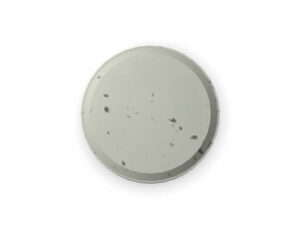
Eldepryl (Selegiline) — Patient Information
Eldepryl is a brand of selegiline, a medicine used to treat certain conditions affecting the brain and nervous system. This guide explains how Eldepryl works, when it’s usually taken, what to expect, and important safety information for people in the United Kingdom.
Note: Individual treatment plans vary. Always follow the advice of your healthcare professional and the instructions provided with your medicine.
Quick Facts
- Active ingredient: Selegiline
- Medicine type: Monoamine oxidase inhibitor (MAOI), specifically a selective MAO-B inhibitor at typical doses
- Common uses: Parkinson’s disease (in particular to help manage symptoms)
- How it’s taken: Usually by mouth, once or twice daily depending on the formulation and prescribed regimen
- Typical timing: Often taken in the morning and/or early afternoon
- Key precautions: Certain antidepressants and other medicines, and caution with alcohol
Basic Product Information
Eldepryl contains selegiline. Selegiline is used in neurological conditions—most notably Parkinson’s disease—either on its own or more commonly as part of a broader treatment plan.
In the UK, Eldepryl availability may vary by brand and presentation (tablet form and/or dose strengths). Your pharmacist can confirm the exact product you have and how it should be taken.
How Eldepryl Works (Mechanism of Action)
Selegiline belongs to the group of medicines known as monoamine oxidase inhibitors. These medicines affect enzymes in the body that break down neurotransmitters (chemical messengers), including dopamine.
Selective MAO-B inhibition
At commonly used doses, selegiline is selectively inhibitory toward the MAO-B (monoamine oxidase type B) enzyme in the brain. MAO-B normally breaks down dopamine. By inhibiting this process, selegiline can help increase and/or preserve dopamine activity.
Why this matters for Parkinson’s disease: Many symptoms of Parkinson’s are related to reduced dopamine signalling. By reducing dopamine breakdown, selegiline may help improve movement-related symptoms and reduce “wearing off” effects in some people.
Pharmacokinetics (What the Body Does to the Medicine)
Pharmacokinetics describes how the medicine is absorbed, processed, and eliminated.
- Absorption: Selegiline is absorbed after oral dosing.
- Distribution: It reaches the brain, consistent with its effect on MAO-B.
- Metabolism: Selegiline is extensively metabolised in the body, including conversion to active and inactive metabolites.
- Excretion: Metabolites are mainly eliminated through the body’s normal clearance pathways (predominantly via urine).
- Onset and duration: Clinical benefit may take time to become clear. The medicine’s effects are tied to enzyme inhibition and subsequent neurotransmitter changes.
Practical implication: Because selegiline affects how neurotransmitters are regulated, consistency in dosing schedule is important.
Typical Use in the UK
Selegiline (Eldepryl) is commonly used in Parkinson’s disease. Depending on the individual, it may be prescribed to:
- Improve motor symptoms
- Help reduce periods when medicine “wears off” between doses of other Parkinson medicines
- Serve as part of a combination regimen (for example, alongside levodopa and/or other therapies)
In some cases, clinicians may consider selegiline’s role based on symptom profile and overall treatment strategy.
Indications (When It’s Used)
In the context of UK clinical practice, Eldepryl is indicated for Parkinson’s disease. Your prescriber will decide the most appropriate regimen according to your stage of illness and other medicines you are taking.
How and When to Take Eldepryl (Timing and Dosing)
Always follow the specific dose and schedule given to you. Below are general guidelines commonly used for selegiline regimens; your product strength and prescribing instructions may differ.
Typical dosing approach
- Common schedule: Often taken once daily in the morning or twice daily (morning and early afternoon), depending on the formulation and dose.
- Avoid late dosing: Taking it too late in the day may increase the chance of sleep disturbance or insomnia in some people.
- With or without food: Many people can take selegiline with food or on an empty stomach; however, take it consistently the way you’ve been instructed.
Dosing table (general, not a substitute for your prescription instructions)
| Situation | Typical regimen (general guidance) | Timing tip |
|---|---|---|
| Starting therapy | Low dose may be used initially | Take in the morning; follow dose instructions exactly |
| Maintenance | Once or twice daily depending on plan | Use early timing (morning / early afternoon) |
| Combination therapy | May be used alongside other Parkinson medicines | Coordinate timing with your other medicines if advised |
| Missed dose | Don’t double up unless your clinician/pharmacist advises | Take the next dose at the usual time |
Missed dose advice: If you miss a dose, take it when you remember unless it is close to the time of the next dose. Do not take double the amount to make up for a missed tablet. If unsure, ask your pharmacist.
Food Interactions (Including Tyramine Considerations)
Food interactions are important with MAO inhibitors. However, the clinical approach to diet can vary by the degree of MAO inhibition.
Tyramine and “cheese reaction” concerns
With non-selective MAO inhibitors, a “tyramine reaction” can occur when foods high in tyramine are eaten—leading to dangerous blood pressure increases. Selegiline is selective for MAO-B at typical doses, which may lower the risk compared with older non-selective MAOIs. Nevertheless, caution is advised, and dietary guidance can depend on your dose and overall medical situation.
General guidance: If you have been advised to avoid tyramine-rich foods, follow that advice. If you have questions about foods, speak to your pharmacist or clinician.
Practical food tips
- Be cautious with aged, fermented, or highly stored foods, particularly if you have been given dietary restrictions.
- If you notice symptoms such as severe headache, flushing, or chest discomfort after eating certain foods, seek urgent medical advice.
- Maintain a stable diet; avoid abrupt, large changes.
Alcohol Interactions
Alcohol may worsen side effects such as dizziness, sleepiness, low blood pressure, and impaired coordination. In people taking medicines that affect the brain and nervous system, alcohol can increase risk of falls and accidents.
- Recommendation: It’s usually best to avoid alcohol or keep it to a minimum unless your healthcare professional says otherwise.
- If you choose to drink, do so cautiously and avoid binge drinking.
- Seek medical advice if you experience unusual reactions after mixing alcohol with your medicines.
Medicine Interactions (Very Important)
Selegiline can interact with other medicines, especially those affecting serotonin, noradrenaline, and dopamine pathways. These interactions can potentially lead to serious conditions.
Major interaction categories to be aware of
- Antidepressants: Especially certain SSRIs/SNRIs, tricyclic antidepressants, and other serotonergic drugs—risk of serotonin syndrome or other serious reactions.
- Other MAOIs: Combining MAO inhibitors is generally unsafe.
- Some pain medicines and cough/cold remedies: Particularly those with serotonergic or sympathomimetic properties.
- Stimulants and some migraine treatments: Interactions may occur depending on the specific active ingredients.
- Medicines that affect blood pressure: Because blood pressure changes can occur with dopaminergic and MAOI effects.
- Drugs metabolised through relevant pathways: Metabolism and drug levels may change; this can affect effectiveness and side effects.
What to do before starting or stopping medicines
- Tell your pharmacist or clinician about all medicines you take, including over-the-counter products and supplements.
- Do not start new medicines (including herbal products) without checking first.
- If you are switching antidepressants or other neuroactive medicines, your prescriber may require a washout period and careful monitoring.
Seek urgent help if you experience severe agitation, confusion, fever, heavy sweating, muscle stiffness, or rapid heartbeat—possible signs of a serious interaction.
Safety Profile (Side Effects and Warnings)
Like all medicines, Eldepryl (selegiline) can cause side effects. Not everyone will experience them.
Common or likely side effects
- Dizziness or light-headedness
- Headache
- Nausea
- Dry mouth
- Sleep disturbance (especially if taken later in the day)
- Abdominal discomfort
Less common but serious concerns
- Significant changes in blood pressure (including symptoms like fainting)
- Severe allergic reactions (swelling of face/lips, rash, breathing difficulty)
- Serotonin syndrome (especially if combined with certain antidepressants/serotonergic drugs)
- Neuroleptic malignant-like symptoms or other severe reactions are rare but require urgent assessment if suspected
- Unusual behavioural changes (though more commonly discussed with other dopaminergic treatments, any major change should be reported)
Who should be extra cautious?
- People with a history of low blood pressure or frequent falls
- People taking multiple medicines that affect the brain, mood, or blood pressure
- People with certain liver problems may require dose considerations or closer monitoring
- Older adults, due to higher likelihood of dizziness, sleep issues, and drug interactions
Practical Use Tips
Make taking your dose easier
- Choose a consistent routine: Link your dose to a daily habit (e.g., after breakfast).
- Use an alarm: Particularly helpful if you take it twice daily.
- Keep a medication list: Include dose and timing; update it whenever you start or stop medicines.
Monitor how you feel
- Track changes in mobility, tremor, and “wearing off” if relevant.
- Note any sleep changes or dizziness—tell your clinician if these occur.
- If you experience new symptoms after starting or increasing the dose, seek advice promptly.
Safety around driving and machinery
Selegiline may cause dizziness or sleep disturbance in some people. If you feel unsteady, drowsy, or “not quite yourself,” avoid driving and operating machinery until you know how Eldepryl affects you.
Alternative Options
There are other treatments for Parkinson’s disease and related movement disorders. Which option is best depends on symptom pattern, age, other conditions, and current medication regimen.
Common alternative medicine classes
- Levodopa combined with a dopa-decarboxylase inhibitor (often cornerstone therapy)
- Dopamine agonists
- COMT inhibitors (to extend levodopa effect in some patients)
- MAO-B inhibitors (other agents in the same class may be considered)
- Other Parkinson therapies depending on severity and symptoms
Non-medicine approaches may also support symptom management, such as physiotherapy, occupational therapy, exercise programmes, and speech/swallowing therapy.
If you’re considering switching, do so only with professional guidance—stopping or changing MAOI-type medicines can require careful planning.
Market and Legal Context (United Kingdom)
Medicines containing selegiline are regulated in the UK under the Medicines and Medical Devices framework administered by UK health authorities. Availability can differ by brand, formulation, and local supply.
In the UK, guidance and safety information for medicines are reflected in official prescribing information and patient information resources. Your pharmacist can provide details on the exact product you are receiving and the latest local advice relevant to your circumstances.
Recent Guidance and Monitoring (What to Expect Clinically)
Clinical practice for Parkinson’s disease evolves over time. Healthcare professionals generally focus on:
- Balancing benefits and side effects (mobility improvement vs dizziness, sleep, or other adverse effects)
- Reducing interaction risk by reviewing all current medicines
- Careful selection of co-treatments, especially when mood or pain medicines are involved
- Regular review of symptom control and dosing schedule
If you are started on Eldepryl, expect periodic follow-ups to check symptom response and tolerability, particularly in the early weeks and after any dose adjustments.
Delivery and Availability (UK Online Pharmacy)
Availability of Eldepryl (selegiline) may depend on stock levels and the specific strength or pack size. Many online pharmacies in the UK aim to provide a straightforward ordering process and tracked delivery.
- Stock status: Check the product page for the latest availability.
- Delivery times: Vary by supplier and location; you’ll typically see an estimated timeframe at checkout.
- Packaging: Medicines are usually supplied in secure packaging with appropriate labelling.
- Storage: Keep tablets in a safe place away from children, and store according to the instructions on the pack (often at controlled room temperature, away from excessive heat and moisture).
If you need the medicine urgently, contact the pharmacy to confirm dispatch timelines.
FAQ
1) What is Eldepryl used for?
Eldepryl (selegiline) is used in Parkinson’s disease to help improve symptoms related to dopamine function. It may be used on its own or alongside other Parkinson therapies.
2) How long does it take to work?
Some people notice benefit after starting, but the full effect can take weeks. Your clinician may review response and adjust the treatment plan depending on your symptoms and tolerability.
3) What time of day should I take it?
Many regimens are taken in the morning and possibly early afternoon. Taking it later in the day may increase the risk of insomnia or sleep disturbance. Follow your specific instructions.
4) Can I take Eldepryl with food?
Often it can be taken with or without food, but consistency is important. Take it the way you’ve been instructed by your pharmacist or prescriber.
5) Are there dietary restrictions?
Because selegiline affects MAO activity, some people are advised to be cautious with tyramine-rich foods. The need for strict dietary restrictions depends on dose and individual risk. If you’ve been given guidance, follow it.
6) Can I drink alcohol while taking Eldepryl?
Alcohol may increase side effects like dizziness and impaired coordination. It’s generally best to avoid or minimise alcohol unless your healthcare professional advises otherwise.
7) What medicines should not be taken with selegiline?
Interactions can be serious. In particular, certain antidepressants and other neuroactive medicines may interact. Always check with a pharmacist or clinician and provide a complete list of your medicines, including over-the-counter products and herbal supplements.
8) What should I do if I miss a dose?
Take it when you remember unless it’s close to the next dose. Do not double up unless told to do so by your healthcare professional.
9) What side effects are most common?
Commonly reported effects include dizziness, headache, nausea, and sleep disturbance. Report persistent or worrying side effects to your healthcare professional.
10) When should I seek urgent medical help?
Seek urgent medical advice if you experience signs of a serious reaction such as severe allergic symptoms, fainting, or symptoms that suggest a serious interaction (for example, severe agitation, fever, confusion, or marked muscle stiffness).
Need personalised advice? If you have questions about Eldepryl, including potential interactions with your current medicines or suitability for your situation, speak to a pharmacist or healthcare professional.