

Esidrix (Hydrochlorothiazide) – Patient Information (UK)
Esidrix is a medicine that contains hydrochlorothiazide, a type of diuretic (“water tablet”). It helps the body remove excess salt and water through the urine. In the UK, hydrochlorothiazide is commonly used to treat high blood pressure and some types of fluid retention.
This guide is written to help you understand how Esidrix works, how it is usually taken, key safety information, and what to expect. Always follow the instructions given by your healthcare professional and read the patient information leaflet supplied with your medicine.
Basic product information
| Product | Active ingredient | Group / type | Common uses |
|---|---|---|---|
| Esidrix | Hydrochlorothiazide | Thiazide diuretic | High blood pressure; fluid retention in selected patients |
| How it works | Helps remove salt and water via kidneys | Can also lower blood pressure over time |
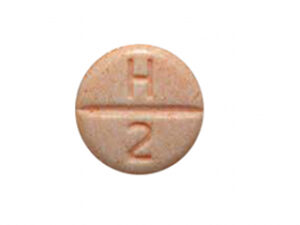
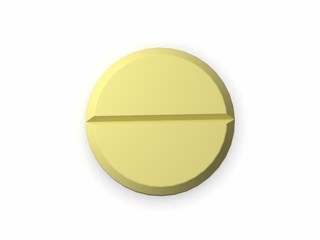
Note: Strengths and tablet appearance may vary by brand/pack. If you are unsure which strength you have, check the label or ask your pharmacist.
What Esidrix does (mechanism of action)
Hydrochlorothiazide belongs to the thiazide group of diuretics. It works in the kidneys, mainly in a part called the distal convoluted tubule. It helps block the reabsorption of sodium and chloride, which:
- Increases the amount of sodium (salt) and water leaving the body through the urine.
- Over time, helps reduce blood pressure by lowering fluid volume and by improving blood vessel tone.
- May lead to changes in levels of electrolytes such as potassium and sodium.
The blood-pressure benefit typically develops gradually. While you may notice increased urination soon after starting, the full effect on blood pressure can take days to weeks.
Pharmacokinetics (how the body handles the medicine)
Pharmacokinetics describes how hydrochlorothiazide is absorbed, distributed, metabolised, and removed from the body.
- Absorption: After taking a tablet, hydrochlorothiazide is absorbed from the gut into the bloodstream. The onset of diuretic effect can be within a few hours.
- Distribution: It distributes into body tissues and acts primarily on the kidneys.
- Metabolism: Hydrochlorothiazide is not extensively metabolised in the body.
- Elimination: It is mainly excreted by the kidneys. The diuretic effect lasts long enough to influence fluid balance across the dosing interval.
Your clinician may monitor blood pressure and blood tests (electrolytes and kidney function), especially when starting treatment or changing dose.
Typical uses and indications
In the UK, hydrochlorothiazide is used for:
- Hypertension (high blood pressure): helps lower blood pressure and reduce the risk of complications associated with it.
- Fluid retention (oedema): may be used in selected situations where extra fluid is present. This is typically guided by a clinician based on the underlying condition.
Esidrix may be used alone or, more commonly, in combination with other blood-pressure medicines (for example, ACE inhibitors or angiotensin receptor blockers, depending on your individual profile).
How to take Esidrix: timing and dosing
General timing
Because Esidrix increases urine production, many people find it better to take it in the morning to reduce the need to get up at night.
- Once daily dosing: usually taken in the morning.
- Twice daily dosing (if advised): the second dose is typically earlier in the day to avoid night-time urination.
If your prescriber advises a different schedule, follow their instructions.
Typical dose
Dosing varies by condition, age, kidney function, and whether other medicines are being taken. Your healthcare professional will tailor the dose to you.
- For high blood pressure: dosing commonly starts low and is adjusted based on blood pressure response and blood tests.
- For fluid retention: dosing may be different and should be monitored closely.
Important: Do not change your dose or stop Esidrix suddenly without medical advice. If you miss a dose, follow the advice in the patient leaflet or contact a pharmacist for guidance.
Food interactions
Food does not usually prevent the medicine from working, and hydrochlorothiazide can generally be taken with or without food. However, a consistent routine can help you remember doses.
- Salt intake: Eating a very high-salt diet can make blood-pressure medicines less effective, and may also worsen fluid retention.
- Electrolytes: Thiazides can lower potassium. Your clinician may advise dietary adjustments or supplements in some cases.
If you have been told to follow a low-salt diet, stick to it—this often supports the treatment plan.
Alcohol interactions
Alcohol can increase the blood-pressure–lowering effect of diuretics and may make side effects such as dizziness more likely, especially when you first start treatment.
- Avoid heavy drinking or getting dehydrated.
- Be cautious with alcohol if you feel light-headed, especially when standing up quickly.
If you have liver disease, advanced heart failure, or you experience frequent dizziness, speak to your healthcare team for personalised advice.
Medicine interactions (important)
Several medicines can interact with hydrochlorothiazide, mainly due to effects on electrolytes, kidney function, and blood pressure. Below are commonly relevant interaction categories. This is not exhaustive—always check your medication list.
Medicines that may affect potassium levels
- Other diuretics (especially “loop” diuretics) may increase risk of low potassium.
- Corticosteroids (e.g., prednisolone) can also lower potassium.
- Laxatives (when used frequently) may contribute to electrolyte imbalance.
Diabetes medicines
- Thiazides can raise blood sugar in some people, potentially affecting diabetes control. Your clinician may monitor your blood glucose and adjust treatment if needed.
Gout medicines
- Hydrochlorothiazide can increase uric acid and may trigger or worsen gout. Tell your healthcare professional if you have a history of gout.
Medicines for heart rhythm (QT prolongation)
- If potassium levels become low, medicines that affect heart rhythm may be more risky. If you take medicines such as certain anti-arrhythmics, your clinician may monitor electrolytes.
Blood pressure and dehydration risk
- Other antihypertensives (for example, beta-blockers, ACE inhibitors, ARBs, calcium-channel blockers) may add to blood-pressure-lowering effects—this is sometimes intended, but monitoring is important.
- Non-steroidal anti-inflammatory drugs (NSAIDs) (e.g., ibuprofen, naproxen) can sometimes reduce the blood-pressure effect and may affect kidney function, particularly if you are dehydrated or have existing kidney problems.
Lithium
- Hydrochlorothiazide can increase lithium levels, raising the risk of lithium toxicity. This combination is usually avoided unless closely monitored.
Medicines affecting kidney function
- Any medicine that affects hydration status or kidney function (including some contrast agents and certain immune medicines) may require extra monitoring.
If you’re starting or stopping any medication (including over-the-counter products), ask a pharmacist or check the medicine information leaflet for interaction details.
Safety profile: side effects and what to watch for
Like all medicines, Esidrix can cause side effects. Many people tolerate it well, but it’s important to know what to look for—especially because thiazide diuretics can affect electrolytes and hydration.
Common side effects
- Increased urination, particularly soon after starting
- Light-headedness, especially when standing up
- Headache
- Muscle cramps or weakness (may relate to electrolyte changes)
Possible blood test changes
- Low potassium (hypokalaemia)
- Low sodium (hyponatraemia)
- Raised uric acid (may contribute to gout)
- Changes in kidney function in susceptible individuals
Seek urgent medical advice if you notice
- Severe dizziness, fainting, or signs of dehydration (very thirsty, very dry mouth, confusion, reduced urine)
- Muscle weakness, severe cramps, or irregular heartbeat (possible significant electrolyte disturbance)
- Severe allergic reaction signs (swelling of face/lips, breathing difficulties, rash with swelling)
- Persistent vomiting, severe diarrhoea, or inability to keep fluids down
If you feel unwell after starting Esidrix, do not simply stop it without advice—contact your GP or pharmacist, especially if you have symptoms that could suggest electrolyte imbalance.
Practical use tips
- Take it earlier in the day to reduce night-time toilet trips.
- Stay hydrated but avoid over-drinking. If you have been advised to restrict fluids, follow that plan.
- Be mindful when standing up, especially after the first dose or after dose changes.
- Keep up with blood tests if your clinician monitors electrolytes and kidney function.
- Watch your diet: moderate salt intake and discuss potassium needs with a clinician if you have cramps or low potassium.
- Track symptoms: if you notice new dizziness, cramps, palpitations, or gout flare-ups, report them promptly.
If you are taking other medicines that affect blood pressure or electrolytes, it’s especially important to follow monitoring advice.
Special populations: considerations
Older adults
Older people may be more sensitive to changes in fluid balance and electrolytes. Dose adjustments and blood tests may be more frequent.
Kidney impairment
Because hydrochlorothiazide is cleared by the kidneys, reduced kidney function may change how the medicine is handled. Your clinician may adjust the dose or monitor kidney function carefully.
Liver disease
If you have liver disease, electrolyte balance may be more fragile. Seek medical advice if you notice confusion, extreme weakness, or ongoing vomiting.
Pregnancy and breastfeeding
If you are pregnant, planning pregnancy, or breastfeeding, discuss treatment options with a healthcare professional. Diuretic use in pregnancy should be individualised and closely supervised.
Alternative options
If Esidrix (hydrochlorothiazide) is not suitable or if side effects occur, your clinician may suggest alternative treatments. Options can include:
- Other thiazide-type diuretics (e.g., chlortalidone or indapamide, depending on availability and suitability)
- Loop diuretics (e.g., furosemide) for certain fluid-retention needs
- Non-diuretic blood pressure medicines such as ACE inhibitors, ARBs, calcium-channel blockers, and beta-blockers
- Combination therapy using lower doses of different medicines to improve control and reduce side effects
The best alternative depends on your condition, kidney function, electrolytes, other medicines, and overall health.
UK market and legal context (overview)
In the United Kingdom, medicines containing hydrochlorothiazide are widely used for cardiovascular conditions. Availability and classification (for example, whether a medicine is prescription-only or pharmacy-supplied) may vary by formulation, strength, and current UK regulations. The pharmacy will advise you on what is required for supply.
UK healthcare practice also emphasises safe prescribing and monitoring for diuretics, especially checking kidney function and electrolytes where appropriate. During routine care, you may also be offered lifestyle advice to support blood pressure control.
Recent guidance (general): UK and international blood-pressure management guidance continues to recommend regular monitoring and individualised treatment. Clinicians often review blood tests after starting or changing diuretic therapy, particularly in people at higher risk of electrolyte or kidney complications.
Delivery and availability in the UK
Esidrix (hydrochlorothiazide) may be available through online pharmacy services, depending on stock levels, product strength, and local supply requirements. Delivery times vary by supplier and location across the UK.
- Check availability: stock can change; the product page will usually show delivery estimates.
- Packaging: medicines are typically supplied in manufacturer packaging with clear dosing information.
- Cold-chain: hydrochlorothiazide tablets usually do not require refrigeration.
If you need help with delivery scheduling, tracking, or confirming you’ve selected the correct strength, contact customer support.
FAQ – Frequently asked questions
1) How quickly does Esidrix start working?
As a diuretic, it can increase urination within a few hours. The blood-pressure-lowering benefit develops over time, often over days to weeks, depending on your overall treatment plan.
2) Should I take Esidrix every day?
If it is being used for long-term blood pressure control or chronic fluid management, it’s usually taken regularly. Don’t stop early without medical advice.
3) What should I do if I miss a dose?
Follow the instructions in the patient leaflet provided with your medicine. As a general approach, if you remember soon after the missed time, you may take it. If it’s close to the next dose, skip the missed dose. Avoid doubling up unless advised by a healthcare professional.
4) Can I take Esidrix with food?
Yes. It can generally be taken with or without food. Taking it at the same time each day can help you remember.
5) Will Esidrix affect my electrolytes?
It can. Hydrochlorothiazide may lower potassium and sodium in some people. Your clinician may arrange blood tests, especially when starting, adjusting dose, or if you have symptoms.
6) Does Esidrix cause dehydration?
It can lead to increased fluid loss, so dehydration is possible—particularly if you are not drinking enough, have vomiting/diarrhoea, or are taking other medicines that affect fluid balance. Seek advice if you feel faint, extremely thirsty, or notice markedly reduced urine.
7) Can I drive or operate machinery?
Some people feel light-headed when starting diuretic therapy or after dose changes. If you experience dizziness, avoid driving or hazardous activities until you know how the medicine affects you.
8) Is Esidrix suitable for people with gout?
Hydrochlorothiazide can increase uric acid and may trigger gout flare-ups in susceptible people. Inform your healthcare professional if you have gout, and monitor symptoms closely.
9) Are there foods or drinks I should avoid?
There’s no single forbidden food, but it’s wise to avoid excessive salt intake. Alcohol may increase dizziness, so keep alcohol modest and avoid dehydration.
10) What monitoring might I need?
Depending on your risk factors and how you respond, monitoring can include blood pressure checks and blood tests for kidney function and electrolytes (such as sodium and potassium).
Disclaimer: This information is intended to support understanding of Esidrix (hydrochlorothiazide) and does not replace the patient information leaflet or advice from a healthcare professional. If you have questions about your specific situation, speak to your pharmacist or GP.