
Flunarizine: Uses, Benefits, Safety and How to Take It (UK Guide)
Flunarizine is a medicine used in the prevention of certain types of migraine and for some balance-related conditions. This guide explains what flunarizine is, how it works in the body, when it’s usually taken, important safety information, and practical tips for day-to-day use. It also covers common interactions (including food and alcohol) and what options may be considered if flunarizine isn’t suitable.
Information in this page is for general guidance. Always follow the instructions given with your medicine and speak to a healthcare professional for advice tailored to you.
Quick Overview
- Medicine name: Flunarizine
- Common uses: Prevention of migraine (particularly where attacks are frequent), and other specialist indications such as vertigo in some patients
- How it’s taken: Usually once daily, often in the evening (exact schedule depends on your condition and your clinician’s advice)
- Key considerations: Can cause drowsiness and, in some people, weight gain or depression-like symptoms
- Interactions: Alcohol and sedating medicines may increase drowsiness
Basic Product Information
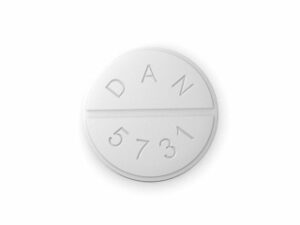
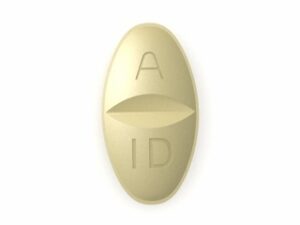
Flunarizine is an antimigraine medicine belonging to the calcium channel blocker family. It is sometimes sold under branded or generic names depending on the supplier and UK availability.
What it comes as: Oral capsules or tablets (strengths can vary by product).
Who it’s suitable for: Typically adults and sometimes older adolescents depending on local guidance and clinical judgment. Use in children may be limited and should be assessed by a healthcare professional.
Important note for UK customers: Availability and prescribing status can vary. Your pharmacist can advise on local availability, product strength, and how to take the specific brand you receive.
How Flunarizine Works (Mechanism of Action)
Flunarizine blocks calcium entry into cells (a “calcium channel blocker” effect). It also influences blood vessel tone and nerve signalling involved in migraine and some balance disorders.
In migraine prevention, flunarizine is thought to:
- Reduce the likelihood of migraine attack initiation by stabilising pathways involved in migraine
- Help moderate abnormal nerve activity linked to headache and sensory symptoms
- Support more stable blood flow regulation within relevant pathways
While the exact mechanism is complex and not fully understood, the overall effect is preventive rather than “stop the migraine once it starts.”
Pharmacokinetics: What Happens in the Body
“Pharmacokinetics” describes how the body absorbs, distributes, metabolises, and eliminates flunarizine.
- Absorption: Flunarizine is absorbed after oral administration. Peak levels may occur a few hours after taking it.
- Distribution: It is widely distributed into body tissues.
- Metabolism: Flunarizine is metabolised primarily in the liver.
- Elimination: It is eliminated from the body more slowly than many medicines. This long duration can influence how often it is taken and why effects can persist for some time.
- Half-life (general concept): The elimination is prolonged, which supports once-daily regimens in many patients.
Practical implication: Because flunarizine can remain in the body for a while, missing occasional doses may be less disruptive than with shorter-acting medicines—but consistent use is usually important for prevention.
Typical Use in the UK
In the UK, flunarizine has been used mainly for the prevention of migraine, particularly in patients who experience frequent attacks or in those who cannot tolerate other preventive options.
It has also been used in some cases for vertigo and related balance symptoms, although the exact place in therapy may depend on local clinical practice and the patient’s diagnosis.
Preventive vs acute treatment: Flunarizine is generally intended to reduce the number and severity of migraines over time, rather than treat an individual attack.
Timing: When to Take Flunarizine
Many people find it helpful to take flunarizine in the evening because it can cause drowsiness in some individuals. However, the best timing for you may depend on how you respond.
- Follow your personal schedule: Take it at the same time each day where possible.
- If it makes you sleepy: Evening dosing is often preferred.
- If it upsets your stomach: Taking it with food may help (unless your clinician or pharmacist has advised otherwise).
How long before it helps? Migraine prevention often takes time. Some patients notice improvement after several weeks, but the full benefit may take longer. Regular use is usually needed before judging effectiveness.
Indications: What It’s Used For
Flunarizine is indicated for:
- Prevention of migraine (especially where attacks are frequent and preventive therapy is appropriate)
- Prevention or reduction of vertigo in selected patients, as determined by clinical assessment
Not for: Stopping a migraine attack that has already started.
Dosing: Typical Adult Regimens (General Information)
Exact dosing can vary based on age, the condition being treated, and individual response and tolerability.
| Patient group | Typical starting approach (general) | Adjustments |
|---|---|---|
| Adults (migraine prevention) | Often once daily in the evening at a low-to-moderate starting dose | Dose may be adjusted based on response and side effects |
| Older adults | May require lower initial dose due to higher sensitivity to side effects | Careful monitoring for sedation, mood changes, and movement-related effects |
| People with liver impairment | May require special caution and careful monitoring | Clinician may consider dose changes or alternative therapies |
| Children | Use may be limited and depends on clinical judgement | Only under specialist guidance |
Important: Always use the dose on your medicine label or as advised by your healthcare professional. If you are unsure what dose to take, ask your pharmacist.
Food Interactions
For most people, flunarizine can be taken with or without food. Food may help reduce stomach discomfort for some individuals.
What to watch for:
- If food causes nausea, try taking it after a meal.
- A steady routine can help you remember your daily dose.
Diet and caffeine: There is no specific requirement to avoid caffeine with flunarizine. However, caffeine can trigger migraines in some people, so your personal migraine pattern matters.
Alcohol and Medicine Interactions
Alcohol: Alcohol may increase the chance of drowsiness, dizziness, and slower reaction times when taking flunarizine. For safety, limit or avoid alcohol, especially when you are getting used to the medicine.
Other medicines to consider: Tell your pharmacist about all medicines and supplements you take, including those bought without a prescription.
Particularly important categories:
- Sedatives and sleeping tablets (increased risk of drowsiness)
- Antidepressants (monitor mood changes—see safety section below)
- Anti-anxiety medicines (may add to sedation)
- Other medicines that may affect movement or muscle control
- Medicines that affect the liver (may alter levels of flunarizine)
Driving and machinery: If flunarizine makes you sleepy or dizzy, avoid driving or operating machinery. Safety depends on your personal response.
Safety Profile: Side Effects and Who Needs Extra Caution
Like all medicines, flunarizine can cause side effects. Not everyone will experience them. Many side effects are dose-related and may improve after adjusting the dose or stopping the medicine under medical advice.
Common side effects
- Drowsiness or fatigue
- Dizziness
- Weight gain
- Dry mouth or mild stomach upset (less commonly)
Less common but important
- Mood changes, including depression-like symptoms
- Movement-related effects such as tremor or stiffness (rare, but important)
- Restlessness (may occur in some individuals)
- Allergic reactions (rare—seek urgent help if swelling, breathing difficulty, or severe rash occurs)
When to stop and seek urgent medical help
Get urgent medical advice if you experience:
- Swelling of the face/lips or trouble breathing (possible allergy)
- Severe or sudden mood changes, suicidal thoughts, or severe depression symptoms
- New severe weakness, fainting, or severe confusion
- Severe movement problems (e.g., significant tremor, rigidity, or inability to sit still)
Who should be extra cautious
- People with a history of depression or mood disorders
- Those prone to weight gain
- People who are already sleepy or have daytime fatigue
- Older adults (more sensitivity to side effects may occur)
- People with liver problems (may need additional monitoring)
Practical Use Tips (How to Get the Best Out of Flunarizine)
- Take it consistently: For migraine prevention, regular use matters more than taking it “only when needed.”
- Use a routine: Choose a time you can stick to daily (often evening).
- Track your migraines: Consider keeping a diary of headache days, severity, triggers, and any side effects. This helps your clinician judge whether it’s working.
- Watch for early side effects: Drowsiness and mood changes can occur early; let a healthcare professional know promptly.
- Manage weight: If weight gain starts, review diet, activity, and portion sizes with a healthcare professional.
- Don’t ignore movement symptoms: If you develop tremor, stiffness, or unusual restlessness, contact a healthcare professional promptly.
Missed dose advice (general): If you miss a dose, take it when you remember unless it’s close to your next scheduled dose. Do not take a double dose. If you’re unsure, ask your pharmacist.
Stopping or Changing Treatment
Do not stop flunarizine abruptly without medical advice. If you’re experiencing side effects or it isn’t working, a clinician can advise on whether to adjust the dose, switch to another preventive, or stop safely.
Because flunarizine may stay in the body for some time, it may take a while for effects to fully settle after discontinuation.
Alternative Options for Migraine Prevention (UK Perspective)
If flunarizine isn’t suitable or doesn’t provide adequate benefit, there are other preventive strategies commonly considered in the UK.
Non-medicine approaches
- Lifestyle and trigger management: regular sleep, hydration, stress reduction, and identifying personal triggers
- Behavioural therapies: such as cognitive behavioural therapy (CBT) for migraine-related stress
- Physiotherapy and posture support when neck-related triggers are present
Medicines often used for migraine prevention
- Beta-blockers (e.g., propranolol in some patients)
- Antidepressants used at preventive doses (e.g., certain tricyclic antidepressants)
- Anti-epileptic medicines for prevention (e.g., topiramate in selected patients)
- Newer targeted therapies for some patients, depending on eligibility and local service availability
The “best” alternative depends on your migraine pattern, other health conditions, and side-effect profile preferences.
Market and Legal/Regulatory Context in the UK
In the United Kingdom, migraine and vertigo treatments are managed according to national guidance, clinical commissioning/service structures, and product licensing details.
What this means for customers:
- Product availability: Brand availability and pack sizes can vary.
- Specialist pathways: Some preventive migraine therapies may be accessible through specific criteria.
- Safety monitoring: Medicines used for prevention typically require follow-up to assess both benefit and side effects.
Recent guidance (general themes): UK practice continues to emphasise a structured approach to migraine prevention, including assessing frequency/disability, reviewing medication overuse, and choosing preventive options with a patient-centred risk/benefit discussion. Ongoing reviews may influence how frequently older preventive options are used versus newer therapies.
Note: This page does not replace guidance from the NHS, NICE, or specialist migraine services. For the most current recommendations, ask your pharmacist or healthcare professional.
Delivery and Availability (UK Online Pharmacy Guide)
Availability of flunarizine can vary by supplier. When ordering online in the UK, typical availability checks may include:
- Stock status: Some strengths may be more readily available than others.
- Pack sizes: Different brands may come in different pack sizes.
- Lead times: Dispatch may depend on whether the item is in local stock.
Delivery information (typical):
- Orders are usually dispatched on working days.
- Delivery times may vary depending on your address and courier service.
- You should receive tracking information where available.
Need help choosing the right product? If you’re unsure about which strength or brand you should take, contact your pharmacist before ordering.
FAQ: Flunarizine for Migraine and Vertigo
1) Is flunarizine used to treat a migraine attack?
No. Flunarizine is generally used as a preventive medicine to reduce the frequency/severity of migraine over time. It is not designed to relieve a migraine that has already started.
2) How long does it take to work?
Some people notice changes after several weeks, but prevention often requires consistent daily use for a period of time before judging effectiveness. Your clinician can advise on when to assess response.
3) Why do people often take flunarizine in the evening?
Because it can cause drowsiness, evening dosing may reduce the impact on daytime activities. However, follow your personal instructions.
4) Can I drink alcohol while taking flunarizine?
It’s best to limit or avoid alcohol because alcohol can increase drowsiness, dizziness, and impaired reaction time. If you choose to drink, do so cautiously and avoid driving if you feel sleepy.
5) What side effects are most common?
Common side effects include drowsiness/fatigue, dizziness, and weight gain. Mood changes and movement-related effects can occur less commonly but should be taken seriously.
6) What should I do if I notice mood changes?
Contact a healthcare professional promptly. Depression-like symptoms are an important reason to stop and get advice. Do not ignore sudden or severe changes in mood or behaviour.
7) Can I take flunarizine with food?
Usually yes. Many people find it easier on the stomach when taken after food, but follow the instructions on your specific product.
8) Are there medicine interactions I should know about?
Yes. Medicines that cause sedation (such as some sleep aids, anti-anxiety medicines, or other CNS depressants) can increase drowsiness. Also, always mention other medicines—especially those affecting mood, movement, or liver metabolism.
9) Can I drive?
If flunarizine makes you sleepy or dizzy, avoid driving or operating machinery. Your ability to drive safely depends on how you personally respond to the medicine.
10) What are the alternatives if flunarizine doesn’t suit me?
There are several preventive options, including lifestyle measures and other preventive medicines depending on your medical history and migraine pattern. Discuss alternatives with your clinician or pharmacist.
Summary
Flunarizine is a preventive medicine used primarily for migraine prevention and, in selected cases, for vertigo/balance-related symptoms. It works partly through calcium channel blocking effects and influences pathways involved in migraine susceptibility. Because it can cause drowsiness and, in some people, weight gain or mood changes, it’s important to use it as directed and monitor how you feel—especially during the early weeks.
If you have any concerns about side effects, interactions, or whether it’s the right option for your situation, your UK pharmacist can help you understand your medicine and plan safe use.