Benemid (Probenecid) – Patient Information Guide (UK)
Benemid contains probenecid, a medicine mainly used to help lower high uric acid levels in people with gout. This page explains what Benemid is, how it works, how it’s taken, important safety information, and practical tips to get the best results.
Please read this information alongside the leaflet supplied with your medicine. If you are unsure about your situation (for example, kidney disease or other medicines you take), speak to a healthcare professional.
Basic product information
| Information | Details |
|---|---|
| Active ingredient | Probenecid |
| Brand name | Benemid |
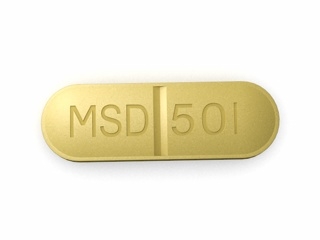
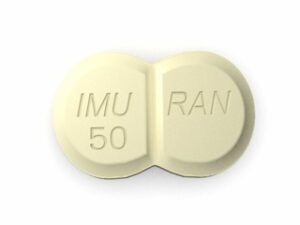
| Medicinal form | Tablets (strengths vary by product packaging) |
| ATC (general classification) | Urate-lowering agents |
| Main use | Helps reduce uric acid levels, used in gout and certain related conditions |
What Benemid is used for (indications)
Benemid is used to manage conditions where uric acid is too high. Uric acid is produced when the body breaks down purines (found in some foods and also naturally in the body). When uric acid levels rise, it can form crystals in joints and other tissues, contributing to gout.
Common indications include:
- Chronic gout (to reduce uric acid levels and prevent gout attacks over time).
- Uric acid–related problems in selected patients, including some forms of hyperuricaemia depending on clinical assessment.
- In specific situations, probenecid has also been used as an adjunct in certain medical contexts (for example, to influence renal excretion of particular substances). Your clinician will decide what is appropriate for your individual case.
Note: Benemid is not the same as medicines that treat a gout flare immediately (such as anti-inflammatories). Probenecid is intended to change uric acid handling over time.
How Benemid works (mechanism of action)
Probenecid is a uricosuric medicine. This means it increases the amount of uric acid eliminated in the urine.
- It works by affecting renal tubular transport of organic acids, including urate (the main ion form of uric acid).
- By reducing reabsorption of urate in the kidneys, it helps increase uric acid clearance.
- Over time, lower circulating urate can help reduce the risk of crystals forming and improve gout control.
Because crystals can trigger inflammation, some people experience flares when starting urate-lowering therapy. This is usually managed with appropriate preventative measures as advised by a healthcare professional.
Pharmacokinetics (how the body handles the medicine)
Pharmacokinetics describes what happens to a medicine in the body—absorption, distribution, metabolism, and elimination.
- Absorption: Probenecid is absorbed after oral administration.
- Distribution: It circulates in the bloodstream and can reach sites relevant to urate transport.
- Metabolism: The body metabolises probenecid to some extent (details may vary across individuals).
- Elimination: Probenecid is cleared mainly by the kidneys. It also affects renal excretion processes, which is part of its intended urate-lowering effect.
- Half-life / timing: The duration of effect can vary by patient factors such as kidney function and dose schedule.
Your dosing schedule is designed around these behaviours—particularly the kidney-focused mechanism of action.
Typical timing and how to take Benemid
Taking Benemid consistently helps maintain its urate-lowering effect. Timing can also reduce side effects for some people.
General practical guidance (follow your own dosing instructions):
- Take the tablets at the same times each day to keep steadier drug levels.
- Drink plenty of fluids during treatment to support urine flow and reduce the risk of kidney stones.
- If you miss a dose, do not take a double dose to make up for it. Ask a healthcare professional or pharmacist for advice based on your schedule.
The exact dose and schedule depend on your urate levels, kidney function, and other factors.
Dosing overview (how it’s commonly started and adjusted)
Dosing must be individualised. Below is an overview of typical approaches used clinically; always follow the instructions provided with your medicine.
- Starting dose: Treatment often begins with a lower dose to reduce the likelihood of gout flares and to check tolerability.
- Titration (dose adjustment): The dose may be increased gradually while monitoring urate levels and symptoms.
- Monitoring: Blood tests for uric acid and kidney-related tests may be performed periodically.
Important considerations before dose escalation:
- Kidney function (probenecid relies on urinary excretion).
- History of kidney stones.
- Other medicines that may interact with probenecid or affect uric acid handling.
If you have kidney impairment, your clinician may decide that Benemid is not suitable or that dosing should be more cautious.
Food interactions
Food doesn’t usually “cancel” probenecid, but certain dietary patterns can influence uric acid. In addition, hydration is crucial.
Helpful dietary and lifestyle points:
- Hydration: Aim for good fluid intake unless you have been advised to restrict fluids (for example, in some heart or kidney conditions).
- Alcohol and purine-rich foods: These can increase uric acid or trigger gout attacks in some people.
- Weight management: If relevant, gradual weight loss can improve gout risk, but rapid crash dieting is not recommended.
If you are advised to take Benemid with or without food, follow that guidance. Otherwise, taking it consistently the same way each day can help.
Alcohol interactions
Alcohol can worsen gout for many people. It may:
- Increase uric acid levels.
- Trigger gout flares even if urate levels are being managed.
- Contribute to dehydration (which can affect kidney function and urine flow).
While probenecid and alcohol do not have a single universal “forbidden” combination for everyone, the practical recommendation for gout is to limit alcohol, especially during the early phase of urate-lowering treatment when flare risk may be higher.
Medicine interactions (including prescription and over-the-counter medicines)
Probenecid affects renal tubular transport. This can change how other medicines are eliminated, which may alter their effects or side effects.
Tell your pharmacist or healthcare professional about all medicines you take, including:
- Other medicines for gout or uric acid control.
- Non-steroidal anti-inflammatory drugs (NSAIDs), if used regularly for pain/inflammation.
- Some antibiotics and antivirals (probenecid can influence renal excretion for certain drugs).
- Medicines affecting kidney function.
- Warfarin and other anticoagulants (interaction potential may exist depending on your overall therapy).
- Diuretics (“water tablets”), which can affect uric acid levels and kidney handling.
Key practical warning: Do not start or stop medicines (including OTC products) without checking first—especially during the first weeks of Benemid therapy.
If you have a planned new course of antibiotics or other treatments, ask whether you need a review of interactions with probenecid.
Safety profile and who should be careful
Common side effects
Many people tolerate probenecid reasonably well, but side effects can occur. Commonly reported issues may include:
- Headache
- Nausea or stomach upset
- Skin rash or itching (stop and seek advice if a significant rash develops)
- Dizziness in some people
Serious side effects – seek urgent medical advice
Contact urgent medical services or seek prompt medical attention if you experience signs of a severe allergic reaction or serious kidney problems, such as:
- Swelling of the face, lips, tongue, or throat; difficulty breathing
- Severe or persistent rash, blistering, or peeling skin
- Severe flank/back pain, blood in urine, or difficulty passing urine (possible kidney stone)
- Marked decrease in urine output or symptoms of worsening kidney function
Who may need extra caution
- Kidney impairment: Because probenecid acts via the kidneys, it may be unsuitable or require close monitoring.
- History of kidney stones: The risk can be higher with uricosuric treatment; hydration is essential.
- Peptic ulcer disease or significant stomach problems: Stomach upset can occur; speak to a clinician if you have a history.
- Gout attacks during initiation: Some people flare when starting urate-lowering therapy; your clinician may recommend preventive measures.
Practical use tips (to get the best results)
- Hydrate daily: A common recommendation with uricosuric therapy is to keep urine dilute. Unless you’ve been told to restrict fluids, increase water intake.
- Keep track of flare-ups: Note when gout symptoms start. Early flares don’t always mean the treatment is failing; they can happen as urate shifts.
- Attend follow-up blood tests: Monitoring urate and kidney function helps confirm the dose is right for you.
- Take it as directed: Don’t reduce or stop because you feel better—uric acid control depends on ongoing therapy.
- Know your triggers: If you notice patterns (alcohol, red meat, dehydration, certain foods), address them alongside medicine.
- Check interactions before starting OTC items: For example, some painkillers and herbal products may not be ideal with your overall regimen.
Alternative options for gout and urate lowering (UK)
If Benemid (probenecid) is not suitable, alternatives may include other urate-lowering therapies or different strategies. Your clinician will consider your kidney function, previous responses, and risk of kidney stones.
Common alternatives may include:
- Allopurinol (a xanthine oxidase inhibitor): reduces production of uric acid.
- Febuxostat (another xanthine oxidase inhibitor): an alternative in some patients.
- Uricosuric options (depending on local availability and suitability): some patients may be treated with other agents that increase urate excretion.
- Targeted supportive care: for acute flare treatment, clinicians may recommend anti-inflammatory medicines or other measures.
- Lifestyle measures as an add-on: weight management, reduced alcohol, lower intake of high-purine foods, and good hydration.
Switching medicines should be done with clinical guidance, as urate levels can change and flare risk may vary.
Recent guidance and UK clinical context
In the UK, gout management is typically guided by evidence-based recommendations that focus on:
- Achieving and maintaining a target urate level to reduce crystal formation.
- Preventing flare-ups when starting or adjusting urate-lowering therapy.
- Individualising treatment based on kidney function, comorbidities, and prior history (including kidney stones).
Healthcare professionals may prefer certain options over others depending on suitability. The availability of specific medicines can also change over time due to supply, prescribing practices, and regulatory factors.
If you want, ask your healthcare professional how Benemid fits your personal plan, including what urate target you should aim for and how your monitoring will work.
Delivery, availability, and UK legal/market context
Benemid (probenecid) is an established medicine and availability can vary by strength and supplier. In the UK, medicines are regulated by the Medicines and Healthcare products Regulatory Agency (MHRA) and supplied according to applicable UK rules.
Availability notes for online pharmacies:
- Stocks may differ between strengths or pack sizes.
- Dispatch times depend on order volume and warehouse capacity.
- We recommend checking whether your chosen strength and pack size are in stock before placing an order.
Delivery: Delivery options, costs, and estimated times will be shown at checkout. Some areas may have different courier schedules.
Storage: Follow the storage instructions on the pack (typically keeping tablets at room temperature and away from excess moisture).
FAQs
1) Is Benemid used to treat a gout attack immediately?
Benemid is primarily used to lower uric acid over time to help prevent future gout attacks. It is not usually the first choice for rapidly settling an acute flare. If you’re having an attack now, ask your healthcare professional what to do for immediate symptom control.
2) How long does it take for Benemid to work?
Uric acid levels can change within days to weeks, but meaningful gout prevention typically takes longer. Clinicians often monitor response with blood tests and continue therapy long enough to maintain the urate target.
3) What should I do if my gout gets worse when I start Benemid?
Flare-ups can occur when starting urate-lowering therapy. If your symptoms worsen, contact a healthcare professional. They may recommend flare prevention (for example, an anti-inflammatory strategy) and may adjust your plan.
4) Can I take Benemid with painkillers?
Some painkillers, including NSAIDs, may be used in gout depending on your health history. However, interactions can vary. It’s safest to check with a pharmacist, particularly if you have kidney disease, stomach ulcers, or are taking other medicines.
5) Who should avoid Benemid or use it with extra caution?
Extra caution is important in people with kidney problems or a history of kidney stones. If you have reduced kidney function, you should discuss suitability and monitoring with a healthcare professional before using Benemid.
6) Does food affect Benemid?
Food doesn’t usually have a major direct effect, but hydration and diet can strongly influence gout risk. If you’ve been told to take your tablets with or without food, follow that advice.
7) Are there alcohol restrictions?
For many people with gout, alcohol can trigger attacks and worsen dehydration. Limiting alcohol is strongly recommended, especially when starting urate-lowering therapy.
8) What monitoring might I need?
Your clinician may perform blood tests for uric acid and kidney function, particularly after starting treatment and when doses are adjusted. Follow-up is important to ensure the medicine is working safely.
9) What happens if I miss a dose?
If you miss a dose, take it when you remember unless it’s close to your next dose. Do not take a double dose. Ask your pharmacist for specific advice based on your schedule.
10) Can Benemid be combined with other gout medicines?
Sometimes urate-lowering therapies are used alongside other measures, including flare prevention medicines. Combining medicines should be guided by a clinician to minimise side effects and drug interactions.
Summary
Benemid (probenecid) helps manage gout by increasing the kidneys’ elimination of uric acid. It can be an effective long-term option for selected patients, but it requires careful attention to kidney health, hydration, and medicine interactions. If you’re starting or adjusting your treatment, flare prevention and regular monitoring are particularly important.
If you’d like, check the product details (strength, pack size, and dosing instructions) on your specific Benemid packaging and follow the guidance provided by your healthcare professional.