
Imuran (Azathioprine) — Patient Guide (UK)
Imuran is a prescription medicine containing azathioprine. It is used to help control the immune system in certain inflammatory and autoimmune conditions, often when long-term treatment is needed. This guide explains how Imuran works, how it is used, what to expect, and important safety considerations for people in the United Kingdom.
Important: This information is for education and does not replace advice from your healthcare team. Your individual dose and monitoring plan may differ from general guidance.
Quick product information
| Category | Details |
|---|---|
| Medicine name | Imuran |
| Active ingredient | Azathioprine |
| Common uses | Autoimmune disease (selected cases), and to help prevent organ rejection (in transplantation), depending on clinical setting |
| How it works | Immune-modulating (antimetabolite) |
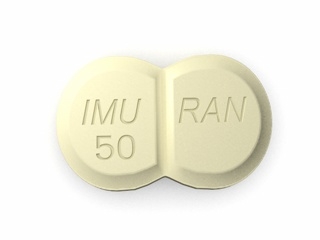
| Typical format | Tablets (strengths vary by market) |
| Key safety requirement | Regular blood tests (especially blood counts and liver function) |
| Time to effect | May take weeks to months for full benefit |
What is Imuran (azathioprine)?
Imuran (azathioprine) belongs to a group of medicines known as immunosuppressants. It can reduce overactivity of the immune system. In many conditions, azathioprine is used as a maintenance therapy—meaning it helps keep symptoms controlled over the long term.
Azathioprine is converted inside the body into active substances that affect immune cell function. Because it can affect bone marrow and the liver, careful monitoring is essential.
How it works (mechanism of action)
Azathioprine is an antimetabolite and prodrug. After absorption, it is metabolised into compounds that interfere with DNA and RNA production in rapidly dividing cells—especially components of the immune system.
- Reduces immune cell activity by decreasing synthesis of purine nucleotides needed for immune cell replication.
- Immunosuppressive effect helps lower inflammation and immune-mediated damage.
- Not an immediate pain-relief or anti-inflammation “rescue” medicine; benefit builds gradually.
Pharmacokinetics: how the body handles azathioprine
“Pharmacokinetics” describes how the body absorbs, distributes, and eliminates the drug. While individual results vary, the key points are:
- Absorption: Azathioprine is taken by mouth and absorbed into the bloodstream.
- Metabolism: The medicine is metabolised in the body, including via the enzyme pathway involving TPMT (thiopurine methyltransferase). TPMT activity influences how the drug is processed.
- Active metabolites: The immunosuppressive effect is related to active metabolites formed after metabolism.
- Elimination: Metabolites are cleared mainly through liver and kidney pathways.
- Monitoring matters: Because metabolism varies between people, blood tests are used to help ensure safety and guide treatment.
TPMT testing: Many clinicians test TPMT activity before starting, because some people have reduced TPMT function and are at higher risk of serious side effects.
What is Imuran used for?
Azathioprine is used in a range of conditions where immune suppression is beneficial. In the UK, common indications include:
- Autoimmune disease management (for selected patients), when long-term immune control is needed and when other treatments are unsuitable or insufficient.
- Inflammatory bowel disease in some situations, often as a maintenance option.
- Other immune-mediated conditions determined by a specialist (e.g., certain dermatological or rheumatological diseases).
- Transplantation: Azathioprine may be used as part of immunosuppressive regimens to help reduce the risk of organ rejection in transplant patients.
Indication-specific use: The exact reason you are taking Imuran, and the expected timeline of benefit, depends on your diagnosis and treatment plan.
How long does it take to work? (timing)
Azathioprine is typically a slow-onset medicine. People often notice changes gradually.
- Early changes: Some improvement may be seen after a few weeks.
- More typical timeline: Often requires 6–12 weeks for meaningful benefit.
- Full effect: May take several months in certain conditions.
Do not stop early if it hasn’t “kicked in” yet. If it is not working as expected, your clinician may adjust the dose or change strategy after assessing response and monitoring results.
How to take Imuran (dosing and administration)
Your prescriber will determine your dose based on your condition, age, blood test results, and potential TPMT status. General dosing concepts are outlined below.
Typical dosing approach
- Dosing is usually weight-based in many indications.
- Dose may start lower and be adjusted after lab monitoring and clinical response.
- Consistency is important: take doses at the same time(s) each day as instructed.
When and how to take
- Follow your label directions exactly.
- Imuran tablets are usually taken once daily or in divided doses depending on your plan.
- Swallow tablets with water. If you have difficulty swallowing, discuss options with your pharmacist.
If you miss a dose
- Take the missed dose when you remember, unless it is close to the next dose.
- If close, skip the missed dose and continue as normal.
- Do not double dose.
Duration of treatment
For many people, Imuran is used long-term to maintain control. Discontinuation may require a gradual, monitored approach depending on your condition and history.
Food interactions and what to eat
Food interactions with azathioprine are usually manageable. However, certain practical points can help reduce side effects:
- Take with or after food if you experience nausea or stomach upset. This can improve tolerability.
- Maintain a consistent routine—taking it with food at similar times each day may help your stomach adjust.
- There is no widely required “special diet” for azathioprine, but staying well nourished is beneficial while on immunosuppressive therapy.
Grapefruit and similar foods: There is no universal UK patient instruction to avoid specific foods for azathioprine, but other medicines can have food interactions. If you’re taking additional drugs, check with your pharmacist for any specific interactions.
Alcohol and medicine interactions
Alcohol can affect the liver and may increase the risk of liver-related side effects with medicines that undergo hepatic metabolism or can cause liver enzyme changes.
- Moderation is advised. If you drink alcohol, discuss safe limits with your healthcare team.
- Avoid binge drinking.
- If you notice symptoms such as yellowing of the skin/eyes, dark urine, severe fatigue, or persistent nausea, seek medical advice promptly.
Important: Alcohol advice may be more strict if you have liver disease or abnormal liver blood tests.
Medicine interactions: what to watch for
Azathioprine has important interactions with several drug categories. Always tell your pharmacist and prescriber about all medicines, including over-the-counter products and herbal supplements.
Common interaction areas
- Allopurinol and similar medicines (for gout or hyperuricaemia) may require major dose adjustments or alternative therapy due to effects on metabolism.
- Febuxostat or other medicines affecting urate pathways may also interact—seek advice before combining.
- Warfarin (and other anticoagulants): may require closer monitoring depending on clinical circumstances.
- ACE inhibitors and certain antibiotics: can contribute to blood count changes in some situations.
- Myelosuppressive medicines (medicines that lower blood cell counts) may increase risk of infection and bruising.
- Cytotoxic chemotherapy agents and other immunosuppressants can change risk profiles—combination therapy should be specialist-led.
- Live vaccines: immune suppression can make live vaccines unsafe for many patients on azathioprine.
Vaccines and infection prevention
- Many patients on azathioprine can receive non-live vaccines (e.g., influenza inactivated vaccines, COVID-19 vaccines depending on current guidance), but individual advice is essential.
- Before travel or vaccination, ask your clinician or pharmacist for the safest plan.
If you start or stop any medicine, re-check interactions—especially if it affects your immune system, liver, or blood counts.
Safety profile and side effects
Imuran is generally used successfully by many patients, but it can cause serious adverse effects in a minority. The safest approach is combining appropriate dosing with regular monitoring and prompt attention to warning symptoms.
What monitoring usually includes
- Full blood count (FBC): checks for low white blood cells, low red blood cells, and low platelets.
- Liver function tests (LFTs): helps detect liver irritation or injury.
- Renal function: may be checked depending on your circumstances.
How often? Your clinic will set a schedule. In early treatment, monitoring is typically more frequent; it may become less frequent once stable.
Common or expected side effects
- Nausea, loss of appetite, or stomach upset
- Mild fatigue
- Diarrhoea
- Headache
Serious side effects: seek urgent advice
Contact your healthcare team urgently (or emergency services if severe) if you develop symptoms suggestive of serious complications:
- Infection symptoms: fever, chills, sore throat, or signs of an infection that doesn’t improve
- Unusual bruising or bleeding (low platelets)
- Severe weakness, breathlessness, or paleness (possible anaemia)
- Yellowing of skin/eyes, severe abdominal pain, or dark urine (possible liver injury)
- Severe rash or blistering skin reactions
- Breathing difficulties or swelling of face/lips (allergic reactions)
Higher-risk situations
- Low TPMT activity can increase risk of bone marrow suppression.
- People with liver impairment may need closer monitoring and dose adjustment.
- Combination therapy with other medicines that lower blood counts may increase risk.
Practical use tips (day-to-day)
- Keep up with blood tests: they are a key part of safety, not an optional extra.
- Use a medication reminder: set a phone alarm or use a blister pack if available.
- Track symptoms: note infections, unusual bruising, fatigue, or stomach issues and report them early.
- Follow storage and handling advice: keep tablets in their original packaging and away from moisture and heat.
- Do not share medicine: azathioprine is specific to your diagnosis and lab monitoring plan.
- Plan around vaccinations: check before flu season, travel, or if recommended vaccines change.
- Be cautious with new supplements: “natural” products can interact with medicines.
Pregnancy and breastfeeding considerations: if you are planning pregnancy or could become pregnant, talk to your healthcare team promptly. Azathioprine may be used in some circumstances, but management should be specialist-led with careful risk–benefit discussion.
Alternative treatment options
Imuran is one of several medicines used to control immune-mediated disease. Alternatives depend strongly on the underlying condition and your individual response.
Possible alternatives (examples)
- Other immunosuppressants (selected by your specialist)
- Biologic medicines (for certain autoimmune conditions), which target specific immune pathways
- Anti-inflammatory medicines or disease-modifying therapies depending on the disease type
- Supportive therapies and lifestyle/monitoring strategies as appropriate
Switching medicines can affect infection risk and monitoring needs. Always discuss options with your clinician; do not stop or change dose on your own.
UK market and legal context
In the United Kingdom, Imuran (azathioprine) is regulated as a medicinal product and is supplied under national medicines governance. Medicines like azathioprine are typically prescribed and managed within structured clinical pathways because of their monitoring requirements.
- Medicines regulation: authorisation and safety monitoring are handled within the UK medicines regulatory framework.
- Safety reporting: suspected side effects can be reported through the Yellow Card scheme used across the UK.
- Specialist oversight: azathioprine is often started and maintained by, or in partnership with, specialists due to lab monitoring and interaction management.
If you have questions about eligibility, availability, or how your local service supports monitoring, your pharmacist or prescribing clinician can advise.
Recent guidance and monitoring expectations (UK practice overview)
Guidance for immunosuppressant use evolves as new evidence and safety data emerge. In current UK practice, common themes include:
- Appropriate baseline assessment before starting (including blood counts, liver function, and often TPMT testing).
- Regular blood test monitoring during dose changes and early months, then less frequently when stable.
- Clear infection safety advice and vaccination planning for patients on immunosuppression.
- Interaction checks with commonly used medicines (e.g., medicines affecting urate metabolism, antibiotics, anticoagulants).
- Prompt evaluation of suspected infection or signs of bone marrow or liver problems.
Your clinic may have a local protocol for frequency of checks and adjustments based on your results.
Delivery and availability (UK)
Availability of Imuran can vary by strength and packaging. Online pharmacies in the UK may offer:
- Home delivery where permitted by regulation and supplier arrangements
- Dispatch times that depend on stock status and courier services
- Alternative strength options if a particular strength is temporarily unavailable
What you can do:
- Check the product page for current stock status and estimated delivery windows.
- If you need a specific strength, contact the pharmacy if it isn’t available online.
- Ask about packaging discreetness and how deliveries are handled if you’re not at home.
Always ensure your medication arrives in good condition and matches the prescribed strength and instructions.
FAQ
1) Is Imuran the same as azathioprine?
Yes. Imuran is a brand name of azathioprine.
2) Why do I need regular blood tests?
Azathioprine can affect bone marrow (which produces blood cells) and can also affect the liver. Blood tests help detect problems early, sometimes before symptoms appear.
3) Will I feel better right away?
Usually not. Azathioprine often takes weeks to months to reach its full benefit. Your clinician may use other treatments initially to control symptoms while Imuran takes effect.
4) Can I take Imuran with food?
Many people find it easier on the stomach if taken with or after food. If you feel nauseous, this approach may help—follow your label and your clinician’s guidance.
5) What should I do if I miss a dose?
Take it when you remember unless it’s close to the next dose. If close, skip it. Do not double up.
6) Are there foods I must avoid?
There are usually no strict food bans for azathioprine. However, keeping a consistent routine and taking with food if needed can improve tolerability. Interaction risk is more strongly related to medicines than specific foods.
7) Can I drink alcohol while taking Imuran?
Alcohol may increase liver strain and could worsen side effects. If you drink, do so in moderation and discuss safe amounts with your healthcare team, especially if you have liver issues or abnormal blood test results.
8) What medicines should I tell my pharmacist about?
Tell them about all medicines and supplements, especially:
- gout medicines (e.g., allopurinol)
- antibiotics
- blood thinners
- other immunosuppressants
- vaccines you plan to take
9) Can I get vaccines?
Some vaccines are safe and recommended, while live vaccines may be unsuitable for people on immunosuppression. Ask your clinician or pharmacist before vaccination.
10) What are the warning signs that mean I should seek urgent help?
Seek urgent medical advice if you develop:
- fever or signs of infection
- unusual bruising or bleeding
- severe weakness, breathlessness, or paleness
- yellow skin/eyes, dark urine, or severe abdominal pain
- severe rash or breathing difficulties
11) Are there alternatives to Imuran?
Yes. Alternatives depend on your condition and history and may include other immunosuppressants or biologic medicines. Your specialist can discuss options tailored to you.
12) Is Imuran suitable for everyone?
No medicine is suitable for everyone. Suitability depends on your diagnosis, blood tests, liver health, TPMT status (if tested), other medications, and your overall infection risk. Your clinician will assess these factors before starting.
Need help choosing or understanding Imuran?
If you have questions about taking Imuran, managing side effects, or planning monitoring, speak to your pharmacist or healthcare team. Keeping a clear schedule for blood tests and reporting new symptoms early can make treatment safer and more effective.