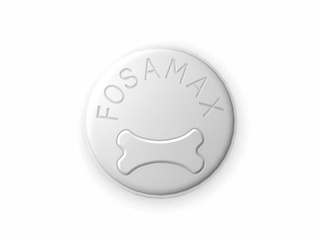

Fosamax 70 mg (Alendronate) – Patient Information
Fosamax contains alendronate, a medicine used to prevent and treat bone loss conditions such as osteoporosis. It belongs to a group called bisphosphonates. This page explains how Fosamax works, when to take it, what to expect, and important safety information for people in the United Kingdom.
Important: Always follow the advice from your healthcare professional and the instructions on the pack. If you have any swallowing difficulties, significant stomach/oesophageal problems, or low calcium levels, discuss this with a clinician before starting.
Quick Overview
| Product | Active ingredient | Typical use | How often | Key “do not” |
|---|---|---|---|---|
| Fosamax | Alendronate (often 70 mg weekly or other strengths depending on formulation) | Bone loss prevention and treatment | Commonly once weekly (70 mg) | Do not lie down and do not take with food, milk, or coffee |
What is Fosamax (Alendronate)?
Fosamax is an anti-bone-resorption medicine (a bisphosphonate). It helps strengthen bones by slowing down the cells responsible for bone breakdown. Over time, this can reduce the risk of fractures.
Who commonly uses it? People with osteoporosis or those at increased fracture risk, including postmenopausal women and some men, depending on their clinical situation and local prescribing guidance.
How Fosamax Works (Mechanism of Action)
Bone is constantly being renewed. In osteoporosis, bone breakdown can outpace bone formation. Bisphosphonates like alendronate work by:
- Inhibiting osteoclasts (the cells that remove bone)
- Reducing the rate of bone resorption
- Helping to maintain or increase bone mineral density (BMD)
- Lowering the risk of fractures—especially hip and spine fractures—over time
Alendronate becomes part of the bone matrix. When osteoclasts attempt to break down bone, the medicine can interfere with their activity, leading to a long-lasting effect.
Pharmacokinetics (How the Body Handles Alendronate)
Understanding pharmacokinetics helps explain the strict dosing instructions.
- Absorption: Alendronate is poorly absorbed. Absorption is significantly reduced by food, drinks other than plain water, and minerals (e.g., calcium).
- Distribution: It binds strongly to bone and is retained for long periods.
- Metabolism: It is not substantially metabolised; it acts largely without being transformed into other compounds.
- Elimination: The medicine is excreted mostly via the kidneys. Because it is stored in bone, its effects can persist for months to years even after stopping.
Clinical implication: Taking Fosamax correctly (with a full glass of plain water and staying upright) improves absorption and reduces the risk of irritation to the upper digestive tract.
Typical Uses and Indications in the UK
Fosamax is used for conditions where reducing bone loss and fracture risk is beneficial. Indications can depend on dose and formulation, and on your personal risk factors.
Common indications include:
- Postmenopausal osteoporosis (to prevent and treat bone loss)
- Osteoporosis in men where fracture risk is high
- Glucocorticoid-induced osteoporosis (where appropriate)
- Other osteoporosis-related situations as advised by healthcare professionals
Local UK clinical pathways may influence which patients are offered bisphosphonates and at what stage. Your doctor or pharmacist can clarify whether Fosamax is suitable for your diagnosis and risk profile.
When and How to Take Fosamax (Timing and Administration)
Correct administration is crucial for Fosamax. Improper use can lower effectiveness and increase the risk of oesophageal irritation.
Typical “weekly” regimen (common for 70 mg strength)
For many patients in the UK, Fosamax is taken once weekly. Your pack instructions and healthcare advice will confirm the exact dose.
Step-by-step: how to take it properly
- Choose a day that you can keep consistently (e.g., every Monday).
- Take it first thing in the morning or at least 30 minutes before food, drink, or other medicines.
- Take with plain water only (a full glass—typically around 200–250 ml).
- Stay fully upright (sitting or standing) for at least 30 minutes after taking your tablet.
- Avoid food, drinks, and other medicines during this 30-minute window.
Do not: chew or crush the tablet; do not take it before bedtime; do not take it with coffee, tea, fruit juice, milk, or water with minerals.
If you miss a dose
Follow the guidance on your pack or provided by your healthcare professional. In general, missed doses are handled by taking them as soon as practical on the next appropriate schedule—however, the specific advice depends on the timing of your missed dose and whether you are close to the next scheduled dose.
Food and Drink Interactions
Food and some beverages substantially reduce alendronate absorption. This can make Fosamax less effective.
Best practice
- Take Fosamax with plain water only.
- Wait at least 30 minutes before having food or other drinks (often longer is permitted—check your pack).
Common items that reduce absorption
- Calcium supplements and calcium-rich foods or drinks
- Milk and other dairy drinks
- Tea and coffee
- Mineral water (water containing calcium or other minerals)
- Food in general
Alcohol and Fosamax: What to Consider
Alcohol does not directly “cancel out” alendronate in the same way food minerals do, but it can affect bone health and increase certain risks in some people.
- Bone health: Regular heavy alcohol use is associated with higher fracture risk.
- Stomach irritation: Both alcohol and bisphosphonates may irritate the digestive tract in some individuals, potentially worsening heartburn.
If you drink alcohol, consider keeping intake moderate and discuss with your pharmacist or GP if you experience reflux or stomach discomfort.
Medicines Interactions (Including Supplements)
Several medicines and supplements can interact with Fosamax—mainly by affecting absorption or increasing irritation risk.
Key absorption-related interactions
- Calcium, iron, magnesium, and other mineral supplements (separate from Fosamax by at least 30 minutes, and ideally longer as advised)
- Antacids and some stomach medicines that contain minerals
- Some supplements (e.g., multivitamins) that contain minerals
Oesophageal irritation risk
Medicines that can irritate the oesophagus may increase the risk of side effects when taken alongside alendronate. Examples can include certain tablets requiring upright posture. Always inform your pharmacist of all medicines you take.
Other relevant considerations
- NSAIDs (e.g., ibuprofen, naproxen): may increase gastrointestinal discomfort in some people.
- Estrogen therapy (where used): may be combined depending on your clinical situation; decisions are individual.
Tell your pharmacist if you take:
- Calcium or vitamin D supplements
- Proton pump inhibitors or H2 blockers for reflux
- Iron supplements
- Other bone medicines
- Regular anti-inflammatory painkillers
- Any medicines that affect swallowing or the oesophagus
Dosing for Fosamax (Typical Recommendations)
Dosing depends on the indication, age, kidney function, and the specific strength of the product. The most common regimen is a once-weekly dose (commonly 70 mg), but other strengths and schedules may exist.
General dosing principles
- Take Fosamax on the same day each week (for weekly regimens).
- Maintain the required timing relative to food/drink.
- Do not exceed the prescribed dose.
- Ensure adequate calcium and vitamin D intake if recommended by your clinician.
Kidney function considerations
Bisphosphonates may not be suitable for everyone with reduced kidney function. Your healthcare professional may assess kidney function before and during treatment.
If you have kidney disease, ask your pharmacist how Fosamax fits your situation and which monitoring is appropriate.
Safety Profile and Side Effects
Like all medicines, Fosamax can cause side effects. Many people experience none or only mild effects, but some reactions require medical attention.
Common side effects
- Heartburn or indigestion
- Stomach pain
- Nausea
- Gas
- Headache
- Muscle, joint, or bone pain
Serious side effects: seek urgent medical advice
Contact a healthcare professional promptly if you develop:
- New or worsening difficulty swallowing
- Chest pain or pain on swallowing (odynophagia)
- Severe or persistent heartburn
- Symptoms of low calcium, such as tingling around the mouth, muscle cramps/spasms, or unusual twitching
Rare but important risks to discuss
- Oesophageal irritation/ulceration (often linked to not staying upright or taking with food)
- Osteonecrosis of the jaw (very rare; risk may be higher with invasive dental procedures)
- Atypical femoral fractures (rare; may present as new thigh or groin pain)
Discuss dental plans with your clinician and dentist. Inform them that you take a bisphosphonate.
Practical Use Tips (Getting the Best Results)
- Make it easy: Pick a weekly “anchor” day and keep your tablet with your morning routine supplies.
- Keep posture: Remaining upright prevents reflux into the oesophagus.
- Use only plain water: Avoid mineral water, tea, coffee, and any drinks that may reduce absorption.
- Separate supplements: If you take calcium, iron, or magnesium, ask your pharmacist the best timing relative to Fosamax.
- Hydration matters: Drink enough water during the day (unless your clinician restricts fluids).
- Know warning signs: Persistent swallowing pain, chest discomfort, or severe heartburn should be assessed.
What to do if you miss the “upright” rule
If you accidentally lie down or take Fosamax with food or other drinks, do not double the dose. Instead, follow your pack instructions and discuss with your pharmacist if symptoms occur (such as heartburn or pain on swallowing).
Monitoring and Expected Benefits
Bone strength improvements usually take time. Many people will not feel immediate changes, but the medicine helps reduce fracture risk over months to years.
- Bone density checks: Some people undergo DEXA scans at intervals as advised by their clinician.
- Calcium/vitamin D: Correcting low levels may be necessary before starting, and supplementation may be recommended.
- Treatment duration: Long-term use decisions depend on ongoing fracture risk and individual factors.
If you have questions about how long you should take Fosamax, ask your healthcare professional—stopping or switching should be guided by clinical assessment, not convenience.
Alternative Options (If Fosamax Isn’t Suitable)
There are other treatments for osteoporosis and bone loss. Choice depends on your diagnosis, fracture history, preferences, and tolerance.
Common alternatives
- Other oral bisphosphonates (different schedules)
- Intravenous bisphosphonates (avoids oesophageal issues for some people)
- Denosumab (injection; different mechanism)
- Teriparatide/Abaloparatide (where appropriate; bone-building approach)
- Romosozumab (where appropriate; specialist-led)
Your pharmacist or clinician can discuss which option fits best, especially if you have reflux, swallowing difficulties, or prefer an injection.
UK Market and Legal/Guidance Context
In the United Kingdom, osteoporosis management commonly follows national guidance and local prescribing policies. Bisphosphonates are widely used because they are effective and cost-effective for appropriate patients.
Recent guidance themes often include:
- Prioritising treatment for people with higher fracture risk
- Ensuring appropriate calcium and vitamin D status
- Emphasising correct administration for oral bisphosphonates
- Reviewing ongoing treatment to balance benefits and rare long-term risks
In UK practice, healthcare teams may use risk tools, fracture history, and bone density results to decide suitability and monitor response.
Delivery and Availability in the UK
Availability may vary by strength and pack size. Online pharmacy listings typically show:
- Product strength (e.g., weekly 70 mg)
- Pack quantity
- Expected delivery window
Delivery considerations: Medicines are normally delivered in secure packaging. Check the delivery options available at checkout, and ensure you provide a delivery address where someone can receive the parcel.
Storage: Store tablets at room temperature, away from heat and moisture. Keep out of the sight and reach of children.
Fosamax FAQ
1) What is Fosamax used for?
Fosamax (alendronate) is used to treat and prevent osteoporosis and reduce fracture risk in people at increased risk, as determined by their clinical history and bone health assessment.
2) How long does it take to work?
Bone effects develop gradually. Your fracture risk reduction comes over time—typically measured across months to years. You may not feel different day to day.
3) How should I take it to avoid stomach and throat side effects?
Take Fosamax in the morning with plain water only, stay fully upright for at least 30 minutes, and do not eat or drink anything else during that window.
4) Can I take Fosamax with coffee or tea?
No. Coffee and tea (and other drinks besides plain water) can reduce absorption. Take only with plain water.
5) What if I forget my weekly dose?
Use the instructions on your pack or ask your pharmacist. The “correct” approach depends on how close you are to the next scheduled dose.
6) Should I take calcium or vitamin D with Fosamax?
Many people need calcium and vitamin D to support bone health. Whether you should take supplements—and the correct dose—depends on your diet, blood tests, and clinician advice. Do not take mineral supplements at the same time as Fosamax; separate the timing.
7) Is it safe to drink alcohol while taking Fosamax?
Moderate alcohol use is generally acceptable for many people, but heavy intake can harm bone health and may worsen indigestion/reflux. Seek advice if you notice stomach symptoms.
8) Can I take other medicines at the same time?
Some medicines and supplements can interfere with absorption or irritate the digestive tract. For mineral-containing supplements (calcium/iron/magnesium), take them at a different time. Discuss your full list of medicines with a pharmacist for personalised timing advice.
9) Who should not take Fosamax?
It may not be suitable for some people, including those with certain oesophageal problems (e.g., inability to remain upright) or low calcium levels. It may also require caution in reduced kidney function. Ask a clinician for suitability if you have any relevant medical history.
10) Are there any warning signs I should watch for?
Yes. Get medical advice if you develop trouble or pain when swallowing, new chest pain, severe heartburn, or symptoms that could suggest low calcium (such as muscle cramps or tingling).
Summary: Fosamax (alendronate) is a bisphosphonate that helps slow bone breakdown and reduce fracture risk. Its effectiveness and safety depend strongly on taking it correctly: plain water only, stay upright, and wait before eating or taking other medicines.