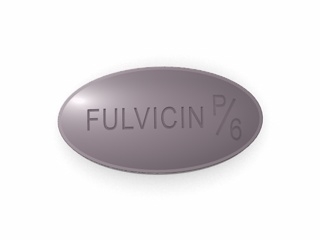
Fulvicin (Griseofulvin) — Antifungal Medicine for UK Patients
Fulvicin (also known by the generic name griseofulvin) is an antifungal medicine used to treat certain fungal infections. It is most commonly prescribed for infections affecting the skin, scalp, and nails—particularly where fungal types are susceptible to griseofulvin.
This patient-friendly guide explains how Fulvicin works, what it is used for, how to take it safely, and what to expect in the UK. Always follow the instructions given by your healthcare professional and read the patient information leaflet that comes with your medicine.
Quick Facts
- Active ingredient: Griseofulvin
- Medicine type: Antifungal
- Common uses: Fungal infections of the skin, scalp, and nails
- How it’s taken: Oral tablets (and in some countries, suspensions—availability may vary)
- Time to improvement: Symptoms may improve gradually; full cure may take weeks
How Fulvicin Works (Mechanism of Action)
Griseofulvin works by interfering with how fungi build and maintain their cell structure. Fungal cells rely on microtubules to divide and grow. Griseofulvin:
- Binds to fungal cell components and disrupts microtubule formation
- Prevents fungal growth and spread
- Allows healthy skin or nail tissue to replace infected tissue
Because nails and some areas of skin grow slowly, treatment often needs to continue for long enough to allow new, uninfected tissue to grow.
Pharmacokinetics (How Your Body Handles It)
Understanding how Fulvicin is processed can help you take it more effectively.
- Absorption: Griseofulvin is absorbed through the gut. Absorption can improve when taken with food—especially meals containing fat.
- Metabolism: It is metabolised in the liver.
- Distribution: It concentrates in tissues affected by fungal infection (including keratin-containing tissues such as skin and nails).
- Elimination: The medicine and its metabolites leave the body mainly via the kidneys and also through bile-related routes.
Practical point: Taking Fulvicin with food (as advised) can improve absorption and treatment consistency.
Typical Use in the UK
Fulvicin is used for infections caused by fungi that are responsive to griseofulvin. In the UK, it may be recommended for:
- Dermatophyte infections such as ringworm (tinea)
- Tinea capitis (fungal infection of the scalp)
- Tinea corporis (fungal infection on the body)
- Tinea pedis (athlete’s foot) and certain chronic or extensive forms
- Onychomycosis (fungal nail infection) in selected cases
In many cases, treatment may include topical antifungal creams or washes alongside oral therapy, depending on the site and severity of infection.
Indications (When Fulvicin May Be Used)
Your clinician may consider Fulvicin when a fungal infection is:
- Confirmed or strongly suspected to be fungal
- Extensive (covering larger skin areas) or involving difficult sites
- Involving scalp (tinea capitis), where oral therapy is often needed
- Involving nails, where topical treatments alone often fail
Note: Fulvicin is not effective for all fungal types. It is also not used for routine viral infections such as colds or flu.
Dosing and Timing
Dosing depends on the infection type, severity, and patient factors such as age and weight. Follow the instructions provided on your medication label and by your healthcare professional.
General dosing principles (informational)
- Take by mouth as directed.
- Consistency matters: try to take each dose at the same time each day.
- With food: many griseofulvin products are better absorbed when taken with a meal or with milk, depending on the formulation and local guidance.
- Complete the full course, even if symptoms improve earlier.
Timing relative to meals
For best absorption, griseofulvin is commonly taken:
- With a substantial meal (e.g., lunch or dinner), or
- With/after a fatty meal, as advised for your particular product.
If you have been told a specific timing plan (for example, “take after breakfast”), follow that advice.
How long does treatment take?
Duration varies by site:
- Skin infections: Often improve over a few weeks, but treatment duration is usually continued long enough to ensure eradication.
- Scalp infections: May require a longer course, commonly several weeks or more.
- Nail infections: May take several months, because nails grow slowly and infection clearance depends on new nail growth.
Practical reminder: Symptoms may look better before complete clearance. Stopping early can lead to recurrence.
Food Interactions
Food can influence how much Fulvicin gets into your bloodstream. In general:
- Taking with food can improve absorption.
- Skipping meals or taking on a very empty stomach may reduce effectiveness (depending on the specific product).
- Alcohol consumption is a separate issue (see below).
If you experience stomach upset, taking Fulvicin with a meal may help. Ask your pharmacist if your specific formulation has particular instructions.
Alcohol and Medicine Interactions
Alcohol
Griseofulvin is processed by the liver. Drinking alcohol while taking Fulvicin can increase strain on the liver and may increase the risk of side effects, especially if you drink heavily or have pre-existing liver issues.
- Best approach: Avoid alcohol where possible, or keep it to very small amounts and only if your healthcare professional says it’s safe for you.
- Seek advice urgently if you develop symptoms such as yellowing of the eyes/skin, dark urine, severe fatigue, or persistent nausea.
Medicine interactions
Fulvicin can interact with other medicines, particularly those processed by the liver enzymes. It may also change how certain medicines work.
Please inform a healthcare professional about all medicines you take, including:
- Prescription medicines
- Over-the-counter medicines
- Herbal products (e.g., St John’s wort)
- Supplements
Important potential interactions to discuss:
- Warfarin and other anticoagulants: Fulvicin may affect clotting control and INR, requiring closer monitoring.
- Oral contraceptives: Some enzyme-inducing effects may reduce contraceptive reliability. Extra precautions may be needed.
- Other medicines metabolised by the liver: Interactions can occur, requiring dose adjustments.
- Medicines that affect liver function: Combining therapies may increase risk of liver side effects.
If you are unsure whether your medicines interact with Fulvicin, ask your pharmacist or clinician.
Safety Profile: Side Effects and When to Get Help
Most people tolerate Fulvicin well, but like all medicines it can cause side effects.
Common side effects
- Headache
- Nausea or stomach upset
- Dizziness
- Rash or itching
- Feeling tired
Less common but important side effects
- Liver problems (watch for yellow skin/eyes, dark urine, severe fatigue)
- Blood cell changes (e.g., unusual bruising, persistent sore throat, fever)
- Severe skin reactions (blistering, peeling skin, mouth ulcers)
Get urgent medical help if
Contact NHS 111 (or seek emergency care) if you experience:
- Signs of allergic reaction: swelling of face/lips, breathing difficulties, widespread hives
- Signs of serious skin reaction: blistering rash, peeling skin, severe worsening rash
- Symptoms suggesting liver injury: jaundice, severe upper abdominal pain, persistent vomiting
- Unexplained bleeding, severe weakness, or high fever
Who should take extra care?
Tell your clinician before starting Fulvicin if you have:
- Known liver disease or past drug-related liver problems
- A history of blood disorders
- A history of serious skin reactions
- Any significant medical conditions requiring regular medication
Practical Use Tips (How to Get the Best Results)
- Take with food as instructed: This improves absorption for many griseofulvin products.
- Stick to a schedule: If you miss a dose, take it when you remember unless it’s close to the next dose. Don’t double up—follow your label/leaflet guidance.
- Don’t stop early: Fungal infections can recur if treatment is stopped too soon.
- Practice hygiene: For ringworm and similar infections, wash hands after touching affected areas, avoid sharing towels, hats, and clothing, and keep affected skin clean and dry.
- For scalp infections: Follow hair/scalp care advice from your clinician. Some patients use an antifungal shampoo alongside tablets.
- For nail infections: Trim nails and keep them dry as advised. Avoid nail polish unless your clinician says it’s safe.
- Protect others: Fungal infections can spread through skin contact or shared items. Cover lesions where appropriate.
Alternative Options (Other Antifungal Treatments)
Depending on the type and location of fungal infection, clinicians may consider other antifungal medicines.
Common alternatives
- Terbinafine (often used for dermatophyte infections)
- Itraconazole (for certain nail and fungal infections)
- Fluconazole (used for specific fungal infections)
- Topical antifungals such as terbinafine or azoles for milder or limited skin infections
Which option is best? It depends on the organism, body site, severity, and your medical history. Your pharmacist or clinician can guide you on what’s most suitable for your diagnosis.
Market and Legal Context for the UK
In the United Kingdom, medicines like Fulvicin are regulated under the medicines and healthcare products framework. Availability may vary by formulation (for example, tablet strength and pack size), and some presentations may be supplied through pharmacies or healthcare services depending on local stock and prescribing practices.
Current emphasis: UK healthcare focuses on appropriate antifungal use—confirming likely fungal causes when possible and selecting the most effective therapy while minimising unnecessary exposure.
Recent guidance (general): UK practice commonly stresses:
- Assessing the likelihood of fungal infection and the site involved
- Using topical treatments when appropriate for limited skin involvement
- For scalp/nail disease, considering systemic treatment due to difficulty of penetration
- Reviewing response to treatment and supporting adherence
Local protocols and national recommendations may evolve, so it’s good to check advice from your healthcare professional or reputable NHS resources.
Delivery and Availability in the UK
Online pharmacy availability can depend on supplier stock, product strength, and packaging. Fulvicin (griseofulvin) may be stocked in some regions and not others at different times.
- Dispatch times: Commonly within 24–48 hours for items that are in stock (this can vary).
- Delivery: Standard delivery and tracked options are typically available.
- Packaging: Medicines are usually supplied in tamper-evident packaging.
- Storage: Store according to the leaflet/label (generally at controlled room temperature and away from moisture).
If you want, you can confirm your preferred delivery date at checkout and check stock status for your chosen pack size and strength.
Table: Helpful Reference Summary
| Topic | What to Know |
|---|---|
| Medicine | Fulvicin (griseofulvin) |
| Use | Dermatophyte fungal infections of skin/scalp/nails (depending on diagnosis) |
| How it works | Disrupts fungal growth by interfering with microtubule formation |
| How to take | By mouth, typically with food to improve absorption |
| When to expect improvement | Gradual improvement; full cure may take weeks (or months for nails) |
| Food interactions | Taking with a meal often improves absorption |
| Alcohol | Avoid or limit due to possible added liver stress |
| Key interactions | May interact with warfarin, oral contraceptives, and other liver-metabolised medicines |
| Seek help | Urgent care for allergic reactions, serious skin reactions, or liver-related symptoms |
FAQ: Common Questions About Fulvicin
1) What is Fulvicin used for?
Fulvicin (griseofulvin) is used to treat certain fungal infections, most often dermatophyte infections affecting the skin, scalp, and nails. The exact suitability depends on the fungal type and the location of infection.
2) How long will I need to take it?
Treatment duration varies. Skin infections may require weeks; scalp infections often require longer; nail infections commonly require months due to slow nail growth.
3) Should I take Fulvicin with food?
Often, yes—taking griseofulvin with a meal can improve absorption. Follow the instructions for your specific product and the advice you were given.
4) What if I miss a dose?
Take the missed dose when you remember unless it’s close to your next dose. Avoid doubling up. If you’re unsure, check the leaflet or ask your pharmacist.
5) Can I drink alcohol while taking Fulvicin?
It’s generally best to avoid alcohol or keep it to very small amounts. Griseofulvin is processed by the liver, and alcohol may increase the risk of liver-related side effects.
6) Are there any medicine interactions I should know about?
Yes. Fulvicin may interact with medicines metabolised by the liver and may affect drugs such as warfarin and oral contraceptives. Tell your healthcare professional about everything you take, including herbal products.
7) Will it cure a fungal rash quickly?
You may notice improvement gradually, but a full cure depends on eradicating the fungus and replacing infected tissue with healthy growth—especially for nails and scalp. Completing the course is important.
8) What side effects are common?
Common side effects include headache, nausea, dizziness, rash, and tiredness. Seek medical advice if side effects are severe or worsening.
9) When should I stop and seek urgent help?
Seek urgent help for signs of allergic reaction, severe skin reactions (blistering/peeling), or liver-related symptoms (jaundice, dark urine, severe fatigue).
10) Can I use topical antifungal cream as well?
Often yes, depending on the infection site and severity. Some scalp or skin conditions are treated with oral therapy plus topical products. Follow your clinician’s plan.
Important Reminder
Fulvicin can be an effective treatment for the right fungal infection, but the best outcome depends on correct diagnosis, correct dosing, and completing the full course. If you have concerns about side effects, interactions, or whether your symptoms are improving, contact a healthcare professional for personalised advice.