Herbolax (Senna) – Patient-Friendly Guide for UK Customers
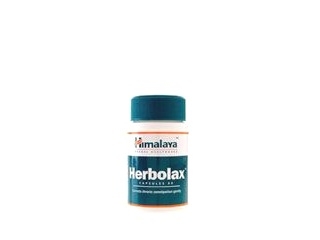
Herbolax is a herbal laxative containing senna, a stimulant laxative widely used in the United Kingdom to relieve constipation. It works by encouraging the bowel to move and by helping to soften stool, making it easier to pass.
This guide explains what Herbolax is, how it works, how to take it safely, what to expect, and important information about interactions, side effects, and practical use. It also includes FAQs to help you get the most from your treatment.
Basic product information
| Category | Details |
|---|---|
| Medicine type | Herbal stimulant laxative (senna-based) |
| Common purpose | Short-term relief of constipation |
| Active ingredient | Senna (the plant source of sennosides) |
| How it is used | Oral (follow package instructions for your specific product strength and form) |
| Typical onset | Often within 6–12 hours (individual response varies) |
| UK availability | Available for purchase from pharmacies and reputable online retailers (stock may vary) |
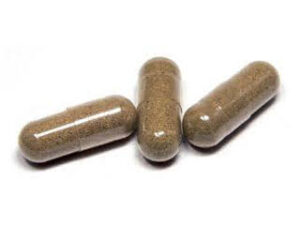
Note: Different Herbolax products may vary in strength and form (for example, tablets, capsules, or liquid). Always check your specific pack for the exact dose and how to take it.
How Herbolax works (mechanism of action)
Senna contains naturally occurring substances (commonly referred to as sennosides) that act as a stimulant laxative. When taken by mouth, these compounds are converted in the gut to active forms that:
- Stimulate the nerves that control movement in the bowel (increasing bowel motility).
- Encourage fluid movement into the bowel, helping stool become softer and easier to pass.
The result is typically increased bowel activity and a reduction in constipation-related discomfort.
Pharmacokinetics: what happens in the body
Although patient leaflets focus mainly on how the medicine should be taken, it can help to understand the basic journey:
- Absorption: Senna’s active components are not significantly absorbed in the upper gut. Much of the effect is local within the intestines.
- Activation and activity: Senna compounds are broken down by gut bacteria into metabolites that drive laxative effects.
- Onset: Because activation depends on gut processes, effects often begin after several hours rather than immediately.
- Duration: The laxative action is usually short-term, which is why senna products are typically used for occasional constipation.
Important: If constipation persists or recurs frequently, it’s best to seek medical advice rather than repeatedly using stimulant laxatives.
Typical use and indications in the UK
Herbolax is used to treat constipation in adults and children where appropriate to the product’s age guidance. It is commonly chosen for:
- Occasional constipation
- Temporary relief when regular measures (water, fibre, mobility) have not worked quickly enough
- Situations requiring bowel clearance where a stimulant laxative may be considered as part of a short-term approach
Good to know: Constipation can have different causes. If you have new or unexplained constipation, severe abdominal pain, or blood in stool, you should get medical advice promptly.
When to take Herbolax (timing and expectations)
Because senna often works overnight or during the day depending on dose timing, many people find it helpful to take it at a time that suits their routine.
- Typical onset: often within 6–12 hours.
- Practical timing: many people take a dose in the evening to encourage a bowel movement the next morning.
- Follow-up: once stools are passing normally, you generally do not need to continue daily use.
Plan for hydration: constipation is often helped by adequate fluid intake. Ensure you drink enough water, particularly if you are using a laxative.
Dosing guidance (how much to take)
Always follow the dosing instructions on your specific Herbolax pack. Doses vary by strength and formulation.
General principles for stimulant laxatives:
- Use the lowest effective dose to relieve constipation.
- Limit use to short periods unless a clinician advises otherwise.
- Do not exceed the maximum dose stated on the pack.
How to take:
- Take the dose with a full glass of water (unless the pack advises otherwise).
- Try to take it at a consistent time to estimate when the effect begins.
If you miss a dose: do not take extra to compensate—wait until the next scheduled time and follow the pack instructions.
For children: dosing depends strongly on age and the exact product. Use only if the pack indicates it is appropriate, and check guidance carefully.
Food interactions and diet considerations
Herbolax is generally considered relatively independent of meal timing, but a few dietary tips can improve comfort and results:
- Hydration matters: aim for adequate fluid intake to support softer stool.
- Fibre helps long-term: for ongoing constipation, consider slowly increasing fibre (e.g., fruit, vegetables, oats) and staying active.
- Avoid heavy, constipating meals: very low-fibre diets or high amounts of processed foods may worsen constipation.
Timing with food: taking it with or after food is usually fine for many people. If your pack instructs otherwise, follow the pack.
Alcohol and medicine interactions
Herbolax (senna) is not typically associated with a direct interaction with alcohol. However, drinking alcohol may indirectly affect constipation and safety:
- Dehydration: alcohol can contribute to dehydration, which may make constipation worse and increase the risk of dizziness.
- Stomach irritation: if you experience cramps or stomach upset from the laxative, alcohol may add to irritation for some people.
- Risk if you have side effects: stimulant laxatives can occasionally cause diarrhoea, which can worsen dehydration.
Other medicine interactions to be aware of:
- Diuretics (“water tablets”) and other medicines that can affect potassium: stimulant laxatives may contribute to changes in electrolyte balance if overused or if diarrhoea occurs.
- Digoxin: electrolyte disturbances may increase risk of side effects.
- Lithium: dehydration or electrolyte changes may affect lithium levels.
Important: Interaction risk is usually higher with frequent or excessive use. If you take regular medicines or have kidney, heart, or electrolyte problems, check with a healthcare professional or pharmacist.
Safety profile: possible side effects and who should be cautious
Most people tolerate Herbolax well when taken correctly for short-term constipation relief. However, like all medicines, it can cause side effects.
Common side effects
- Abdominal cramping or stomach discomfort
- Loose stools or diarrhoea (especially if the dose is too high)
- Nausea in some individuals
Skin and urine/stool changes
- Stool colour changes: senna can cause stool to become darker (often brown to black). This is usually harmless and expected with senna-containing laxatives.
- Urine colour changes: some people notice a different urine colour (usually yellow-brown or darker). This can occur with senna medicines.
Serious but uncommon concerns (seek advice urgently if)
- Severe or persistent abdominal pain
- Blood in stool
- Signs of dehydration (e.g., dizziness, marked weakness, reduced urination)
- Severe diarrhoea that doesn’t settle
Who should seek guidance before using senna-based laxatives
- People with inflammatory bowel disease (e.g., ulcerative colitis, Crohn’s disease) unless advised
- Those with bowel obstruction or suspected obstruction
- People experiencing severe abdominal pain or vomiting
- Pregnant or breastfeeding individuals should consider professional advice, especially if constipation is persistent
- Individuals with kidney disease, heart conditions, or known electrolyte imbalance
Practical use tips for better results
To get the best from Herbolax while keeping things safe:
- Start low: take the dose recommended on your pack. If you need relief, consider only increasing as the pack allows (or seek advice).
- Don’t keep repeating indefinitely: if constipation continues beyond a short period, it may indicate an underlying cause.
- Keep hydrated: drink water regularly, particularly if you experience loose stools.
- Support with lifestyle: gentle walking, regular toilet routine, and dietary fibre can reduce reliance on laxatives.
- Use time strategically: many people prefer evening dosing to coincide with morning results.
If you get cramps: this can be part of stimulant laxative action. If pain is severe or persistent, stop use and seek advice.
Alternative options to Herbolax
There are different types of constipation treatments. The best option depends on your symptoms, duration of constipation, and any underlying conditions.
Osmotic laxatives
- Examples: products containing macrogol (polyethylene glycol)
- How they help: draw water into the bowel to soften stool
- Typical onset: often within 1–2 days (varies)
Bulk-forming agents
- Examples: psyllium
- How they help: increase stool bulk and support regular movement
- Notes: requires adequate fluid; may take longer to work
Stool softeners
- Some products may help soften stool for less straining
- Best for: people who need gentle stool passage
Suppositories and enemas
- These may be considered for rectal constipation or where oral options are unsuitable
- Use cautiously: if symptoms are severe or recurrent, consult advice.
Which is right? If constipation is frequent (for example, repeated episodes over weeks), a different approach such as macrogol and lifestyle changes is often preferred over frequent stimulant laxative use.
Recent guidance and what it means for UK customers
In the UK, constipation management guidance commonly emphasises:
- Short-term use of stimulant laxatives for occasional constipation.
- Reviewing symptoms if constipation lasts longer than expected or keeps returning.
- Choosing gentler long-term options (often osmotic agents) when constipation is persistent.
- Safety checks for red-flag symptoms such as severe pain, bleeding, unexplained weight loss, or sudden change in bowel habits.
Always consider whether your constipation is new or linked to changes in diet, activity, medication, or illness.
Delivery, availability, and UK market/legal context
In the United Kingdom, laxatives like Herbolax are commonly sold as over-the-counter products, typically available through pharmacies and online retailers that comply with UK consumer and medicines regulations.
- Availability: stock can vary by formulation strength and packaging.
- Product forms: check the listing for the exact Herbolax product you are purchasing (tablets, capsules, or liquid).
- Compliance: reputable online pharmacies provide clear information about active ingredients, dosage, and appropriate use.
Delivery: delivery times depend on the retailer and service chosen. Always check the product page for dispatch and estimated delivery windows.
When to stop using and get advice
Stop using Herbolax and seek medical or pharmacy advice if:
- Constipation does not improve within a reasonable time following correct use
- You experience severe or worsening abdominal pain
- You develop persistent diarrhoea or signs of dehydration
- There is blood in the stool or you notice other worrying changes
- Your constipation keeps returning regularly
FAQ – Frequently Asked Questions about Herbolax
1) How quickly does Herbolax work?
Many people notice effects within 6–12 hours. Timing varies depending on your gut activity, diet, hydration, and dose. If you’re unsure, follow the dosing instructions on your pack rather than taking additional doses early.
2) Can I use Herbolax every day?
Herbolax is generally intended for short-term constipation relief. If you need laxatives regularly, it’s better to speak with a pharmacist or clinician to find a longer-term plan and rule out underlying causes.
3) What should I do if I get diarrhoea or cramping?
If you experience loose stools or significant cramps, this may mean the dose is too strong for you. Stop taking additional doses and consult a pharmacist for advice. Ensure you drink plenty of fluids to avoid dehydration.
4) Will Herbolax cause dark stools?
Senna can cause darker stool colour. This is usually expected with senna-containing laxatives. If you notice blood or black stool with a tar-like consistency and feel unwell, seek urgent advice.
5) Can I take Herbolax with food?
For many people, it’s fine to take it with or after food. However, the most reliable guidance is the instructions on your specific pack. If your pack has special directions, follow them.
6) Are there any alcohol interactions?
No common direct interaction is usually expected, but alcohol may increase the risk of dehydration. For safety, limit alcohol and drink water, especially if you’re prone to constipation or have loose stools.
7) Can Herbolax be used in children?
Only use it if the product packaging specifically states it is suitable for the child’s age, and follow the age-appropriate dose. If the child is very young or symptoms are severe, ask a pharmacist for advice.
8) What if I’m pregnant or breastfeeding?
Constipation is common, but senna-based laxatives should be used with care. Ask a pharmacist or healthcare professional for tailored advice before taking Herbolax.
9) What are good lifestyle steps alongside laxatives?
Helpful measures include:
- Drinking adequate fluids
- Increasing dietary fibre gradually
- Regular movement (walking)
- Creating a consistent toilet routine
10) What alternatives are available if Herbolax doesn’t help?
Depending on your situation, options may include osmotic laxatives (such as macrogol), bulk-forming agents, or rectal treatments. Frequent constipation often responds better to osmotic approaches and dietary changes than to repeated stimulant laxative use.
Summary
Herbolax is a senna-based stimulant laxative used for short-term relief of constipation. It works by stimulating bowel movement and helping stool pass more easily. Effects typically begin within 6–12 hours, so many people choose evening dosing for morning results.
For best safety and effectiveness, follow the dose instructions on your specific pack, drink enough fluids, and consider lifestyle measures such as fibre and regular activity. If constipation is persistent, recurrent, or accompanied by warning signs such as severe pain or blood in stool, seek prompt advice.