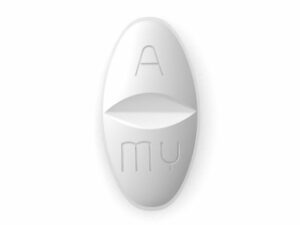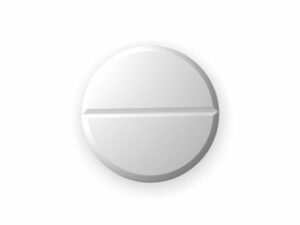


Hytrin (Terazosin hydrochloride) – Patient Information (UK)
Hytrin contains terazosin hydrochloride, a medicine used to treat certain urinary symptoms and, in some cases, help lower blood pressure. This page explains what Hytrin is, how it works, how to take it safely, and important information about side effects and interactions.
Always read the Patient Information Leaflet (PIL) that comes with your medicine. If anything in this guide conflicts with your leaflet, follow the PIL.
Quick facts
- Active ingredient: Terazosin hydrochloride
- Medicine type: Alpha-1 adrenergic blocker (alpha-1 blocker)
- Common uses in the UK: Symptoms of enlarged prostate (benign prostatic hyperplasia, BPH) and sometimes raised blood pressure (depending on local clinical approach and product availability)
- How it’s taken: Usually by mouth, once daily (often at bedtime to reduce dizziness risk)
- Key caution: May cause postural (orthostatic) hypotension—especially when starting or increasing the dose
What is Hytrin?
Hytrin is a brand of terazosin hydrochloride. Terazosin belongs to a group of medicines that relax certain smooth muscle tissue in the body, particularly in the prostate and bladder outlet. This relaxation can improve urinary flow and reduce symptoms of urinary obstruction.
In addition, by relaxing blood vessels, terazosin can help lower blood pressure. Your exact use depends on your diagnosis and your clinician’s plan.
How Hytrin works (mechanism of action)
Terazosin blocks alpha-1 adrenergic receptors (also called α1 receptors) found in smooth muscle. When these receptors are blocked:
- The prostate and bladder neck relax, helping urine pass more easily.
- The bladder outlet resistance decreases, often improving urinary stream strength and reducing difficulty starting urination.
- Relaxation of blood vessels may reduce blood pressure.
This is why terazosin is commonly used for symptoms related to an enlarged prostate and may also be used for hypertension under specific circumstances.
Pharmacokinetics (how the body handles it)
Pharmacokinetics describes absorption, distribution, metabolism, and excretion.
- Absorption: Terazosin is absorbed after oral dosing. Peak blood levels typically occur within a few hours.
- Distribution: It distributes into tissues, including the urogenital system.
- Metabolism: The medicine is primarily metabolised in the liver.
- Elimination: Metabolites are excreted via urine and bile pathways.
- Half-life (duration of effect): The effect can last long enough for once-daily dosing in many patients, but exact duration varies person to person.
Practical implication: Because starting doses can affect blood pressure, dosing is often planned carefully at the beginning of treatment.
Typical uses in the UK
Hytrin (terazosin) is used for:
- Benign prostatic hyperplasia (BPH): Relief of symptoms such as weak urine stream, hesitancy, frequent urination (especially at night), urgency, and incomplete bladder emptying.
- Raised blood pressure (selected cases): Terazosin may be used as part of blood pressure management depending on clinical decisions and treatment history.
Important: Terazosin treats symptoms and improves urine flow, but it does not cure prostate enlargement. Your clinician may combine it with other treatments if needed.
When to take Hytrin (timing and dose schedule)
The timing of terazosin is important because it can lower blood pressure and may cause dizziness or fainting—particularly when you begin treatment.
- First dose (and dose increases): Many patients are advised to take the first dose at bedtime.
- Ongoing dosing: Often taken once daily, at a consistent time each day.
- If you miss a dose: Take it when you remember unless it’s nearly time for your next dose. Do not double up. If you miss several days, contact a pharmacist/clinician for advice about restarting safely.
Tip: On the first day and during any dose change, avoid driving or operating machinery if you feel dizzy. Stand up slowly from sitting or lying positions.
Food interactions and what to eat
For many alpha-1 blockers, taking the dose with food may influence how quickly the medicine is absorbed and can potentially affect how soon side effects occur.
- General guidance: Take Hytrin consistently, either with or without food, unless your leaflet advises otherwise.
- If you notice dizziness: Some people find taking it at the same time each day and maintaining a regular routine helps. Ask your pharmacist for personalised advice based on your dosing schedule.
Alcohol note: Avoid or limit alcohol (see below) because the combination may increase dizziness or blood pressure drop.
Alcohol interactions
Alcohol can amplify terazosin-related effects on blood pressure, increasing the chance of dizziness, lightheadedness, or falls.
- Safer approach: Limit alcohol, especially when starting or increasing the dose.
- If you drink: Consider keeping intake small and consistent. Do not drink heavily on days when you are adjusting dose.
Medicine interactions (including common drug classes)
Terazosin can interact with other medicines that lower blood pressure or affect blood-vessel tone.
Medicines that may increase dizziness or hypotension risk
- Other blood pressure medicines (e.g., ACE inhibitors, beta blockers, calcium channel blockers, diuretics): may further lower blood pressure.
- Other alpha-blockers or medicines affecting urinary symptoms: combined effects may increase side effects.
- Nitrates (for angina) and other vasodilators: can increase the likelihood of a blood pressure drop.
- Medicines for erectile dysfunction (e.g., PDE5 inhibitors such as sildenafil or tadalafil): taking together may increase hypotension in some people.
Medicines to mention to your clinician/pharmacist
- Any medicines for high or low blood pressure
- Any treatments for urinary problems
- Any heart medicines, particularly those that may affect blood pressure
- All other prescription and over-the-counter medicines, including herbal products and supplements
Safety reminder: Do not start, stop, or change doses of other medicines without professional advice. If you are being treated for angina or using erectile dysfunction medicines, discuss timing and risk management.
Indications (who Hytrin is for)
In general, Hytrin is prescribed for people with:
- Urinary symptoms due to benign prostatic hyperplasia (BPH): helping to improve urine flow and reduce troublesome symptoms.
- Some blood-pressure-related conditions: where an alpha-1 blocker is appropriate as part of management.
Not for everyone: If you have certain conditions (for example, severe low blood pressure), or have previously experienced significant reactions to alpha-blockers, your clinician may choose a different option.
Dosing (typical adult regimen)
Dosing varies by the reason you are taking Hytrin, your response, and tolerability. Your dose should be set by your clinician and written on your label.
Typical pattern (for urinary symptoms)
Many patients start with a lower dose and increase gradually to reduce the risk of dizziness and blood pressure changes. A common approach is:
- Start low: A small daily dose for the first period
- Titrate upward: Dose increased at intervals based on symptom control and side effects
- Maintenance dose: The lowest dose that effectively controls symptoms
Typical pattern (for blood pressure)
If used for blood pressure, clinicians often begin with a low dose and adjust gradually. Blood pressure readings guide dose changes.
Do not adjust your dose yourself. If you stop taking Hytrin and then restart after a gap, you may need to restart at a lower dose. Ask your pharmacist or clinician for advice.
Safety profile (side effects and what to do)
Most medicines can cause side effects. Many are mild and improve as your body adjusts, but it’s important to know what to watch for.
Common side effects
- Dizziness, especially when starting treatment or increasing the dose
- Lightheadedness or feeling faint (postural effects)
- Headache
- Feeling tired
- Low blood pressure symptoms
- Swelling of the ankles or feet (fluid retention)
Less common but important risks
- Syncope (fainting): seek urgent medical advice if you faint or are seriously lightheaded
- Palpitations or abnormal heartbeat awareness
- Allergic reactions: rash, itching, swelling of face/lips, or breathing difficulty require urgent attention
When to seek urgent help
Contact emergency services or seek urgent medical care if you experience:
- Severe dizziness with fainting
- Chest pain, severe shortness of breath, or collapse
- Signs of a serious allergic reaction (swelling of face/tongue, trouble breathing)
Special caution: surgery and eye procedures
Alpha-1 blockers have been associated with a complication called intraoperative floppy iris syndrome (IFIS) during cataract surgery. If you are planning cataract surgery, tell the ophthalmology team that you take Hytrin. This information helps them prepare and may reduce complications.
Practical use tips for patients
- Start at bedtime: This is often recommended for the first dose or after a dose increase to reduce dizziness risk.
- Rise slowly: Move slowly from lying to sitting and then standing, especially in the first days of treatment.
- Hydrate sensibly: Dehydration can worsen dizziness in some people—follow any advice from your clinician about fluid intake.
- Monitor symptoms: Track urinary symptoms (night-time urination, urgency, weak stream) and note if they improve over time.
- Blood pressure awareness: If you have home blood pressure monitoring, keep a log and share it with your clinician.
- Be careful with driving: If you feel dizzy, avoid driving until you’re confident the medicine doesn’t affect you.
- Adherence matters: Changing or stopping suddenly can affect symptom control and blood pressure stability.
How long until it works?
Many patients start to notice urinary symptom improvements within days, but for others it may take longer. Blood pressure-related effects may be apparent soon after starting, which is why early doses require caution.
If you don’t notice improvement after a reasonable period as advised by your clinician, speak to a pharmacist or GP. You may need a different dose or an alternative treatment.
Alternative options (if Hytrin isn’t suitable)
Depending on why you’re taking it, several other treatment approaches may be considered for BPH or blood pressure. Options include:
For BPH (enlarged prostate symptoms)
- Other alpha-1 blockers: such as tamsulosin, alfuzosin, or doxazosin (choice depends on side-effect profile and dosing approach).
- 5-alpha reductase inhibitors: such as finasteride or dutasteride, which can reduce prostate size over time (often slower onset).
- Combination therapy: alpha-blocker plus 5-alpha reductase inhibitor may be used in some patients.
- Non-medicine options: lifestyle measures and, in selected cases, procedures recommended by specialist services.
For blood pressure
- Other antihypertensive medicines (as selected by your clinician): ACE inhibitors, ARBs, calcium channel blockers, thiazide-like diuretics, and others.
Your clinician can help you choose based on symptom severity, blood pressure readings, other medicines, and your personal risk profile.
UK market and legal context (what this means for you)
Hytrin (terazosin) is a medicines brand used within the United Kingdom healthcare system. In the UK, medicines are classified and regulated to ensure quality, safety, and effectiveness. Pharmacies and healthcare professionals follow UK guidance for appropriate supply, patient information, and safe use.
Prescription medicine status: Terazosin products may be classified as prescription-only medicines depending on formulation and local regulations. Your pharmacy will handle supply in line with UK requirements.
Professional advice matters: Alpha-blockers affect blood pressure and may interact with other medicines. UK pharmacists typically support safe use by checking medicines history and advising on how to reduce side effects.
Recent guidance and clinical considerations (UK-relevant themes)
In recent years, UK clinical practice for BPH and related urinary symptoms has emphasised:
- Individualised choice of alpha-blocker based on symptom pattern and side effects (e.g., dizziness risk).
- Careful starting and dose titration to reduce first-dose hypotension.
- Reviewing medication interactions, especially with other blood pressure-lowering treatments or erectile dysfunction medicines.
- Awareness of surgical risks, particularly for cataract surgery in those taking alpha-blockers.
- Ongoing monitoring for symptom response and tolerability, with referral to specialist services if symptoms persist or complications arise.
Your GP or urology team may also consider prostate cancer screening pathways as appropriate for age and symptoms, as urinary symptoms can overlap between conditions.
Delivery and availability in the UK
Hytrin availability may vary by strength and formulation. Many pharmacies offer:
- Home delivery: typically by tracked courier for eligible areas.
- Packaging: protected and discreet for privacy.
- Stock checks: if an item is temporarily unavailable, pharmacies may advise an expected restock date or offer an alternative product (where suitable).
If you need Hytrin urgently, contact the pharmacy directly to confirm current stock and delivery timelines.
Handling and storage
- Keep in original packaging to protect from moisture and help identify the product.
- Store at room temperature, away from excessive heat and direct sunlight.
- Keep out of reach of children.
- Do not use after the expiry date on the pack.
If you have expired or unused tablets, ask your pharmacist about safe disposal options in your area.
Frequently asked questions (FAQ)
1) Is Hytrin used for prostate symptoms?
Yes. Hytrin (terazosin) is commonly used to relieve urinary symptoms associated with benign prostatic hyperplasia (BPH). It helps relax prostate and bladder outlet muscles, improving urine flow.
2) How soon will I feel better?
Some people notice improvement within days. Others may take longer to experience the full benefit. Dose adjustments, symptom severity, and individual response all influence how quickly it works.
3) Why should I take it at bedtime?
Terazosin can lower blood pressure, especially when you first start or when you increase the dose. Taking it at bedtime may reduce the chance of dizziness or fainting while you are active.
4) Can Hytrin cause dizziness?
Yes. Dizziness is one of the more common side effects, particularly at the beginning of treatment or after dose increases. Stand up slowly and avoid driving if you feel unwell.
5) Can I drink alcohol while taking Hytrin?
It’s best to limit or avoid alcohol, especially in the first days of treatment or after a dose change, because alcohol can make dizziness and blood pressure lowering more likely.
6) Can I take Hytrin with other medicines?
Some medicines can increase the risk of low blood pressure or related side effects, including other blood pressure medicines, nitrates, and certain erectile dysfunction medicines. Tell your pharmacist about everything you take so they can check for interactions.
7) What should I do if I miss a dose?
Take it when you remember unless it’s close to your next dose. Do not take a double dose. If you miss several days, ask for advice before restarting.
8) Is Hytrin safe if I have low blood pressure?
Extra caution is needed if you already have low blood pressure or are prone to dizziness. Your clinician may start at a lower dose and monitor your blood pressure carefully.
9) Will Hytrin affect cataract surgery?
It can. Alpha-1 blockers have been linked with intraoperative floppy iris syndrome during cataract surgery. Make sure the surgeon and anaesthetist know you take Hytrin.
10) What are signs that I should get urgent help?
Seek urgent medical help if you faint, have severe dizziness, experience chest pain, have difficulty breathing, or develop signs of a serious allergic reaction (such as swelling of the face or tongue).
Summary
Hytrin (terazosin hydrochloride) is an alpha-1 blocker used primarily to relieve urinary symptoms of an enlarged prostate (BPH) and may also help lower blood pressure. It works by relaxing smooth muscle in the prostate/bladder outlet and, in some circumstances, blood vessels. Because it can lower blood pressure, careful starting (often at bedtime) and dose titration are key to reducing dizziness and fainting risk.
If you have questions about taking Hytrin alongside other medicines, managing early side effects, or what to expect as symptoms improve, speak to a pharmacist or clinician for personalised advice.