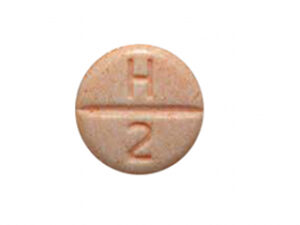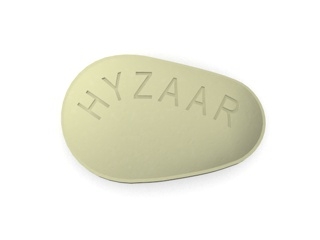
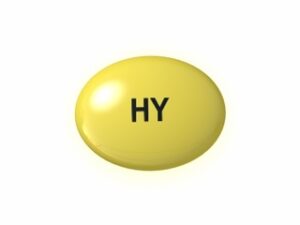

Hyzaar (Losartan / Hydrochlorothiazide) — Patient Information (UK)
Hyzaar is a medicine used to treat high blood pressure (hypertension). It contains two active ingredients: losartan and hydrochlorothiazide. Together, they help lower blood pressure and reduce the strain on the heart and blood vessels.
This page explains how Hyzaar works, how it is taken, what to expect, and important safety information. It is written for people in the United Kingdom.
Quick overview
- Medicine: Hyzaar
- Active ingredients: Losartan + Hydrochlorothiazide
- Common use: High blood pressure
- How it works: Blocks angiotensin II receptors (losartan) and removes excess salt/water (hydrochlorothiazide)
- Typical dosing: Once daily, depending on strength and your condition
- Common side effects: Dizziness, headache, tiredness, low blood pressure symptoms, changes in electrolytes
Basic product information
| Category | Details |
|---|---|
| Brand name | Hyzaar |
| Active ingredients | Losartan / Hydrochlorothiazide |
| Drug class | Angiotensin II receptor blocker (ARB) + thiazide diuretic |
| Form | Tablets (strengths vary) |
| Main condition treated | Hypertension (high blood pressure) |
How Hyzaar works (mechanism of action)
Hyzaar combines two different blood-pressure-lowering mechanisms:
- Losartan (ARB): Losartan blocks the action of angiotensin II at its receptor (AT1). Angiotensin II normally causes blood vessels to tighten. By blocking it, blood vessels relax and blood pressure lowers.
- Hydrochlorothiazide (thiazide diuretic): Hydrochlorothiazide helps your kidneys remove extra salt (sodium) and water through urine. This reduces fluid volume and helps lower blood pressure.
Because they work in different ways, the combination can lower blood pressure more effectively than using either medicine alone.
Typical use in the UK
Hyzaar is commonly used in adults to treat high blood pressure, particularly when:
- blood pressure is not adequately controlled with one ingredient, or
- a combination therapy is considered appropriate by your clinician.
It is intended for long-term management. Many people need ongoing treatment even when blood pressure improves.
When to take Hyzaar (timing)
Most people take Hyzaar once daily.
- Time of day: Try to take it at the same time each day for consistency.
- Morning vs evening: Because hydrochlorothiazide is a diuretic, taking it in the morning may reduce night-time urination.
- With or without food: You can take Hyzaar with or without food (see food interactions below).
- Missed dose: If you miss a dose, take it when you remember unless it is close to the next dose. Do not take a double dose to make up for a missed tablet.
Food interactions and absorption
Hyzaar tablets can generally be taken with or without food. Food does not usually require special timing changes.
If you experience stomach upset, nausea, or dizziness, taking the tablet with a small meal may help some people. Always follow your healthcare professional’s advice and the instructions on your medicine label.
Alcohol and medicine interactions
Alcohol can affect blood pressure and may increase dizziness or light-headedness, especially when you begin treatment. It may also worsen dehydration if you are prone to low blood pressure.
Practical guidance
- Be cautious when starting: Avoid heavy drinking for the first few days to see how your body responds.
- Watch for symptoms: dizziness, fainting, or unusual weakness can indicate your blood pressure is too low.
- Hydration matters: Since hydrochlorothiazide increases urine output, maintain adequate fluid intake (unless your clinician has advised fluid restriction).
Medicine interactions to know about
Hyzaar can interact with several medicines and supplements. This is especially relevant for the kidney, electrolytes (such as potassium and sodium), and blood pressure control.
Important interactions (examples)
- Other blood pressure medicines: may increase the risk of low blood pressure or dizziness.
- Non-steroidal anti-inflammatory drugs (NSAIDs) (e.g., ibuprofen, naproxen, diclofenac): NSAIDs can reduce the blood-pressure effect and may increase kidney strain, particularly when combined with diuretics.
- Potassium supplements or salt substitutes containing potassium: losartan can increase potassium levels (hyperkalaemia). Your clinician may advise against potassium supplements unless necessary.
- Other drugs affecting potassium: some diuretics, steroids, and certain medicines can alter potassium levels.
- Lithium: can have increased levels and toxicity risk when used with ARBs and diuretics; close monitoring is required.
- Diabetes medicines and insulin: changes in electrolytes and blood pressure can affect glucose control for some people. Discuss monitoring if you notice changes in sugar readings.
- Digoxin: thiazides can change electrolyte balance, which may influence digoxin effects.
- Other diuretics: combining may increase dehydration or electrolyte disturbances.
- Gout medicines (uric acid): thiazides may raise uric acid and can affect gout symptoms or treatment.
- Carbamazepine, amphotericin, laxatives (in some cases): may affect sodium/potassium levels.
Always tell a clinician or pharmacist about all medicines you take, including over-the-counter products and herbal supplements. If you are unsure whether something is an NSAID or contains potassium, ask before starting.
Pharmacokinetics (how the body handles the ingredients)
“Pharmacokinetics” describes how the body absorbs, distributes, metabolises, and eliminates a medicine. For Hyzaar, both components have their own profiles:
Losartan
- Absorption: Losartan is absorbed after oral use and is metabolised in the liver.
- Active metabolite: Losartan is converted to an active metabolite (EXP-3174) that contributes to blood-pressure lowering.
- Distribution: It distributes through body tissues and plasma proteins.
- Elimination: Primarily eliminated through liver/bile pathways and kidneys.
Hydrochlorothiazide
- Absorption: Absorbed from the gastrointestinal tract.
- Diuretic action: The diuretic effect develops after oral administration and may be more noticeable within hours.
- Elimination: Mostly eliminated unchanged by the kidneys. This is why kidney function matters for safety.
Individual response can vary based on age, kidney and liver function, other medicines, and fluid and salt intake. That is why periodic blood tests may be recommended.
Indications (what Hyzaar is used for)
Hyzaar is indicated for the treatment of hypertension in adults. In practice, the combined tablet may be used when treatment with either ingredient alone is not sufficient.
Hyzaar may be used alongside lifestyle measures such as reducing salt intake, maintaining a healthy weight, regular physical activity, and stopping smoking.
Dosing — general guidance
The correct dose depends on your blood pressure, kidney function, and whether you are switching from another medicine. Strengths available may vary, and your healthcare professional will choose the most appropriate dose.
Common dosing principles
- Once daily is typical for Hyzaar.
- Your clinician may start at a lower strength and adjust if needed.
- Because hydrochlorothiazide is a diuretic, starting treatment can temporarily affect fluid balance.
What to do if your blood pressure changes
- If your blood pressure becomes too low (symptoms such as dizziness, fainting, severe weakness), contact your clinician promptly.
- If your blood pressure remains too high despite taking the medicine regularly, your clinician may adjust your dose or review other medicines and lifestyle factors.
Safety profile — who should be careful
Hyzaar is generally well tolerated, but it can cause side effects and may not be suitable for everyone. Safety considerations are especially important for people with kidney problems, low blood pressure, electrolyte imbalances, or a history of certain conditions.
Common side effects
- Dizziness or light-headedness (especially after standing up)
- Headache
- Tiredness or weakness
- Increased urination (particularly early in treatment)
- Muscle cramps or aches (may relate to electrolyte changes)
- Low blood pressure symptoms in some people
Less common but important effects
- Changes in blood salts (for example low sodium, low potassium, or high potassium)
- Kidney function changes, particularly if dehydrated or if you have existing kidney issues
- Increase in uric acid (may trigger gout in susceptible individuals)
- Sensitivity to sunlight (thiazides can increase photosensitivity in some people)
- Rashes or allergic-type reactions (seek advice if symptoms occur)
Seek urgent medical advice if
- Swelling of face, lips, tongue, or throat, or trouble breathing (possible serious allergy)
- Severe dizziness, fainting, or collapse
- Signs of severe dehydration (very dry mouth, confusion, minimal urine)
- Chest pain, severe palpitations, or muscle weakness with abnormal heart rhythm symptoms (possible electrolyte disturbance)
- Yellowing of skin/eyes or dark urine (possible liver-related issue)
Special warnings
- Kidney and dehydration risk: Diuretics can worsen kidney function if you are dehydrated. Seek advice during severe vomiting or diarrhoea, or if you can’t keep fluids down.
- Electrolytes: Monitoring of potassium, sodium, and kidney function may be needed.
- Sun protection: Use sunscreen and protective clothing if you notice increased sensitivity to sunlight.
- Pregnancy and breastfeeding: ARBs are generally not recommended during pregnancy. If you are planning pregnancy or become pregnant, contact a clinician promptly for appropriate advice. Breastfeeding guidance depends on your situation and local medical advice.
Practical use tips
- Take it at the same time each day. If morning suits you, it may reduce night-time urination.
- Stand up slowly when you first start, when dose changes, or if you feel dizzy.
- Hydrate sensibly: drink enough during the day unless your clinician has limited fluids.
- Be careful with “high salt” and certain salt substitutes (especially potassium-containing substitutes).
- Track symptoms and blood pressure: home monitoring can help show how you respond.
- Don’t stop suddenly without advice; blood pressure may rise again.
- Medication list matters: keep an up-to-date list of all medicines and supplements.
Monitoring: what blood tests may be used
Depending on your health profile, your clinician may request periodic blood tests to check:
- Kidney function (creatinine/eGFR)
- Electrolytes (sodium, potassium)
- Uric acid if gout is a concern
Monitoring is particularly relevant after starting, after dose changes, or if you develop vomiting/diarrhoea or dehydration.
Alternative options
If Hyzaar is not suitable or not effective, there are other medicines and approaches. Your choice depends on your medical history, blood pressure readings, and lab tests.
Medication alternatives (classes)
- Other ARBs (e.g., losartan, candesartan, valsartan) either alone or combined
- ACE inhibitors (e.g., lisinopril, ramipril) — sometimes used instead of ARBs
- Calcium channel blockers (e.g., amlodipine) — commonly used for hypertension
- Other diuretics (e.g., indapamide, bendroflumethiazide in selected patients)
- Beta-blockers (e.g., bisoprolol) for certain patient groups
Non-medicine options that can help
- Reduce salt (aim for a lower-salt diet)
- Limit alcohol and avoid binge drinking
- Regular physical activity
- Healthy weight management
- Stop smoking
UK market and legal context (availability and guidance)
In the United Kingdom, medicines such as Hyzaar are regulated and supplied under national medicines frameworks. Hyzaar may be available through pharmacy supply channels, and different pack sizes and strengths can exist.
Public health and prescribing decisions in the UK commonly follow evidence-based guidance and local clinical pathways for blood pressure management. Typically, treatment choices consider cardiovascular risk, kidney function, age, and existing conditions.
Recent or evolving practical guidance (high-level)
- Blood pressure targets and follow-up: Clinicians may review readings and overall risk after initiating therapy, with adjustments based on tolerance and monitoring results.
- Electrolyte and kidney monitoring: Ongoing attention to kidney function and potassium/sodium balance is emphasised, particularly when starting or changing doses.
- “Sick day” considerations: Many UK clinicians advise temporarily assessing diuretic and renin-angiotensin system medicines during acute illness with dehydration (for example, severe diarrhoea or vomiting), with medical advice for the safest approach.
Delivery and availability (online pharmacy information for UK customers)
Hyzaar availability may vary by strength and pack size. An online pharmacy may offer:
- Standard delivery (timing depends on the provider and your location)
- Express options in some cases
- Clear information on delivery cut-off times for dispatch
- Option to check stock availability before ordering
Keep in mind that medicine supply can be affected by manufacturer stock, seasonal demand, and regulatory distribution schedules. If you cannot find your usual strength, ask the online pharmacy about alternatives or compatible strengths.
Frequently Asked Questions (FAQ)
1) What is Hyzaar used for?
Hyzaar is used to treat high blood pressure in adults. It combines losartan (an ARB) and hydrochlorothiazide (a thiazide diuretic) to help lower blood pressure.
2) How quickly will it start working?
Blood-pressure lowering usually begins within the first day, but the full effect may take longer. You may also notice increased urination early on due to the diuretic component. Blood pressure should be monitored regularly as advised.
3) Should I take Hyzaar in the morning or at night?
Many people take it in the morning to reduce night-time urination. However, follow the dosing instructions provided by your clinician or on the medicine label.
4) Can I take Hyzaar with food?
Yes. Hyzaar can generally be taken with or without food.
5) Does Hyzaar cause dehydration?
Hydrochlorothiazide can increase urine output, which may make you feel slightly dehydrated, especially at the start. Maintain sensible fluid intake and seek medical advice if you develop symptoms such as severe dizziness, fainting, or reduced urine output.
6) What blood tests might I need?
Your clinician may monitor kidney function and electrolytes (such as sodium and potassium), particularly after starting or changing dose.
7) Can I take ibuprofen or other painkillers with Hyzaar?
NSAIDs (like ibuprofen) may increase kidney strain and reduce blood-pressure effects when used with combinations like Hyzaar. If you need regular pain relief, discuss options with a pharmacist or clinician.
8) Is it safe to drink alcohol while taking Hyzaar?
Alcohol may increase dizziness and lower blood pressure. Keep intake moderate, especially when you first start, and avoid heavy drinking. If you feel light-headed or unwell, reduce alcohol and seek advice.
9) What should I do if I miss a dose?
Take it when you remember unless it is close to the next dose. Do not take a double dose to catch up.
10) What are possible long-term considerations?
Hypertension is a long-term condition. Long-term use is common when tolerated. Continue lifestyle measures, attend monitoring appointments, and report symptoms such as persistent dizziness, muscle weakness, or signs of dehydration.
Important note
This information is intended as general guidance for people in the United Kingdom. Individual advice may vary depending on your health, other medicines, and test results. If you have concerns about side effects, interactions, or whether Hyzaar is suitable for you, speak to a pharmacist or healthcare professional.