
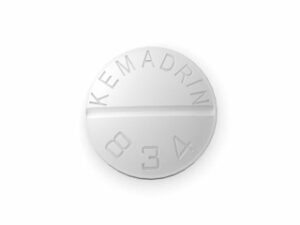
Isordil (Isosorbide dinitrate) — Patient Guide (UK)
Isordil contains isosorbide dinitrate, a medicine used to help relieve symptoms of heart-related chest discomfort (angina) and, in some situations, to support heart function. This guide explains how it works, how to take it, what to expect, and important safety information relevant to the United Kingdom.
This information is for general patient education. Always follow the instructions provided with your medicine and consult a healthcare professional if you have questions.
At a glance
- Active ingredient: Isosorbide dinitrate
- Common purpose: Helps prevent and/or relieve angina symptoms by improving blood flow to the heart
- How it works: Nitric-oxide–related pathway relaxes blood vessels
- Typical timing: Often used at set intervals to maintain symptom control
- Key safety point: Can lower blood pressure and interact with certain medicines (especially those used for erectile dysfunction)
Basic product information
| Feature | What to know |
|---|---|
| Brand name | Isordil |
| Generic name | Isosorbide dinitrate |
| Medicine type | Nitrate vasodilator |
| Use | Angina (stable and sometimes other cardiology indications) |
| How it is taken | Oral tablets/capsules depending on the specific product presentation |
| Main benefit | Improves blood supply to the heart and reduces chest pain episodes |
How Isordil works (mechanism of action)
Isosorbide dinitrate belongs to a group of medicines called nitrates. In the body, nitrates are converted into nitric oxide (or nitric-oxide–related signals). This helps:
- Relax blood vessels (vasodilation), especially veins, and to a degree arteries
- Reduce the heart’s workload by lowering venous return (less blood returning to the heart)
- Improve blood flow through coronary vessels, helping the heart receive more oxygen
- Relieve chest pain by reducing the mismatch between the heart’s oxygen demand and supply
Tolerance note: Regular use without a nitrate-free interval can reduce effectiveness over time. Your prescriber may schedule a daily “nitrate-free” period to help reduce tolerance.
Pharmacokinetics (how the body handles the medicine)
Pharmacokinetics describes absorption, distribution, metabolism, and elimination. Exact values can vary by formulation and individual patient factors.
- Absorption: Isosorbide dinitrate is taken by mouth and absorbed through the gastrointestinal tract.
- Distribution: It acts on blood vessels throughout the body, with effects on both veins and arteries.
- Metabolism: It is metabolised mainly in the liver.
- Active metabolites: Some metabolites also contribute to the overall anti-anginal effect.
- Elimination: The medicine and metabolites are cleared from the body, largely via the kidneys.
Practical implication: Because this is a longer-acting nitrate (depending on product), it is typically used in a schedule to prevent angina or reduce its frequency rather than as a one-off rescue in every case. Always use the specific regimen given for your product.
What Isordil is used for (indications)
The most common indication is angina. Doctors may prescribe isosorbide dinitrate for:
- Prevention of angina attacks (particularly stable angina)
- Reduction of symptoms where nitrates are part of a long-term plan
- Selected heart conditions where vasodilation is beneficial (your clinician will decide the appropriate use)
Important: If you experience chest pain, follow your personal action plan. Some people are given separate “quick relief” medication for sudden attacks.
When and how to take Isordil (timing and dosing)
Always follow the dosing instructions on your medicine label. Doses differ depending on the strength, formulation, and your medical history.
Typical dosing approach (general guidance)
Isosorbide dinitrate is usually taken at regular intervals to maintain symptom control. Many nitrate regimens are designed to avoid continuous exposure to help prevent tolerance. Common patterns may include:
- Multiple doses across the day (for example, morning and later in the day), depending on your specific product and prescriber advice
- Nitrate-free interval at least once daily, when appropriate
How to take
- Swallow tablets/capsules with water.
- Try to take doses at the same times each day.
- If you miss a dose, take it when you remember unless it is close to the next dose—do not double.
What to expect
- Some people feel effects (such as reduced chest discomfort) within hours.
- Full symptom prevention may require consistent daily use.
- Headache can occur early in treatment and often improves as your body adjusts.
Food interactions
Food is generally not a major factor for isosorbide dinitrate, and it may be taken with or without food depending on the specific product instructions.
To reduce stomach upset:
- Taking with a small meal or snack may help if the medicine bothers your stomach.
- Avoid very large meals right before dosing if you notice increased nausea or reflux.
Alcohol can worsen side effects (see below), including dizziness from blood pressure lowering.
Alcohol and medicine interactions
Alcohol
Alcohol may increase the risk of dizziness, light-headedness, and falls by enhancing blood pressure–lowering effects. It may also worsen fatigue and headache.
- If you drink alcohol, do so cautiously and avoid large amounts.
- Be extra careful when standing up after drinking.
Medicines you must tell your healthcare professional about
Critical interaction: Nitrates can dangerously interact with medicines used to treat erectile dysfunction due to additive blood pressure effects.
- Do not combine isosorbide dinitrate with medicines containing sildenafil, tadalafil, vardenafil, or similar PDE-5 inhibitors unless a clinician specifically advises it with appropriate safety measures.
Other important interactions
Tell your pharmacist/doctor if you take:
- Other blood pressure–lowering medicines (e.g., antihypertensives): may increase risk of low blood pressure.
- Riociguat (used for certain lung/heart conditions): can increase risk of hypotension and is generally contraindicated with nitrates.
- Medicines for angina that also affect nitrates (including other nitrates): may require dose adjustment to avoid excessive low blood pressure.
- Some antidepressants or treatments affecting circulation: may influence blood pressure responses (your clinician can advise).
- Other cardiovascular drugs: overall combination therapy may require monitoring.
Always provide a full medication list (including over-the-counter medicines and herbal products) when asked.
Safety profile and side effects
Most people tolerate isosorbide dinitrate well when used correctly, but it can cause predictable side effects related to blood vessel relaxation.
Common side effects
- Headache (very common; often improves over time)
- Dizziness or light-headedness
- Flushing
- Low blood pressure (hypotension), especially when standing
- Feeling weak or tired
- Nausea in some people
Less common but important
- Palpitations
- Worsening angina or symptom instability in rare cases
- Fainting (more likely if blood pressure drops significantly)
Seek urgent medical help if
- You develop severe dizziness, fainting, or collapse
- You have chest pain that does not improve with your usual action plan
- swelling of face/lips, breathing difficulty, severe rash)
When to be extra cautious
Discuss with your healthcare professional before using Isordil if you have:
- Low blood pressure or a history of fainting
- Severe anaemia or conditions affecting oxygen delivery
- Heart conditions such as significant aortic stenosis, hypertrophic cardiomyopathy, or other circulatory disorders (as advised by your clinician)
- Recent medication changes or new prescriptions, especially for blood pressure or erectile dysfunction
- Kidney or liver problems (dose/tolerance may need review)
Practical use tips for everyday life
Managing headaches
- Headaches are commonly linked to nitrate vasodilation.
- If your clinician says it’s suitable, short-term pain relief may help (follow the guidance provided for your situation).
- Stay hydrated and avoid sudden position changes.
Reducing dizziness and low blood pressure symptoms
- Stand up slowly from sitting or lying positions.
- Limit alcohol and avoid dehydration.
- If dizziness occurs, sit or lie down until it passes.
Consistency and tolerance
- Take doses at the scheduled times to maintain protective effects.
- Do not “stack” doses if angina breaks through—speak to your healthcare team for an appropriate rescue plan.
- If you feel the medicine is becoming less effective, seek medical advice rather than changing the dose yourself.
Driving and operating machinery
If you experience dizziness or light-headedness, be careful when driving or using tools/machinery. Avoid these activities if you feel unwell.
Alternative options
Angina and related symptoms can be managed with more than one kind of medicine. Alternatives may include:
- Other nitrates (different formulations or routes, depending on your case)
- Beta-blockers (reduce heart rate and workload)
- Calcium channel blockers (improve vessel relaxation and reduce spasm)
- Antiplatelet and cholesterol-lowering medicines as part of broader cardiovascular care
- Revascularisation procedures (where appropriate), such as angioplasty or surgery—decided by a specialist based on the heart’s anatomy
Your healthcare professional will consider your symptoms, blood pressure, heart function, and other medicines before choosing the best option for you.
Market and legal context in the United Kingdom
In the UK, medicines are regulated under the UK medicines framework. Product availability and prescribing responsibilities depend on the medicine’s classification, clinical suitability, and healthcare commissioning arrangements. Patients can normally access medicines through community pharmacies once they have the appropriate healthcare authorisation process for their situation.
Key point: Only use medicines that match the exact instructions provided for your condition and do not substitute products without advice, because formulations and strengths can vary.
Recent guidance and clinical considerations
Clinical management of angina and cardiovascular medicines in the UK is guided by evidence-based practice and national/international cardiology standards. While individual plans vary, clinicians commonly consider:
- Structured symptom assessment (frequency, triggers, severity)
- Optimisation of background cardiovascular prevention (e.g., antiplatelet therapy and lipid management where appropriate)
- Blood pressure monitoring after starting or adjusting vasodilators
- Correct use of nitrates, including avoiding unnecessary continuous nitrate exposure where tolerance is a concern
Keep follow-up appointments and report any change in chest pain pattern, increasing attacks, or symptoms such as fainting or severe dizziness.
Delivery and availability (UK online pharmacy)
Availability depends on stock levels and the specific strength/formulation of Isordil you require. When purchasing online, common expectations include:
- Secure ordering with confirmation of the correct product
- Packaging designed for safe transit
- Delivery timeframes that vary by location and courier service
- Cold-chain needs are usually not required for Isordil tablets/capsules, but always check the product handling instructions provided
If you need the medicine urgently due to symptom patterns, check the estimated delivery window during checkout and contact customer support if stock or delivery timing is unclear.
FAQ
1) What is Isordil used for?
Isordil (isosorbide dinitrate) is used to help prevent or reduce angina symptoms by relaxing blood vessels and improving blood flow to the heart.
2) How quickly will it work?
Some effects may be felt within hours, but the overall goal of scheduled dosing is symptom prevention. How quickly you notice improvement can vary between individuals.
3) Can I take Isordil with food?
It is usually possible to take it with or without food. If it causes stomach upset, taking it with a meal may help.
4) Is it safe to drink alcohol while taking Isordil?
Alcohol can increase dizziness and the risk of low blood pressure. If you drink, do so cautiously and avoid large amounts. Seek advice if you notice pronounced light-headedness.
5) What medicines should not be taken with Isordil?
A major interaction is with medicines for erectile dysfunction such as sildenafil and tadalafil (and similar PDE-5 inhibitors), due to the risk of dangerous blood pressure lowering. Also discuss other vasodilators, blood pressure medicines, and riociguat with your healthcare professional.
6) Why do I get headaches?
Headaches are a common effect of nitrates due to blood vessel changes. They often become less troublesome with continued use, but you should report severe or persistent headaches.
7) What should I do if I miss a dose?
Take it when you remember unless it is close to the next dose. Do not take a double dose. If you are unsure, ask a pharmacist.
8) Can Isordil be taken every day?
Many patients use nitrates as a daily treatment plan. Some regimens include a nitrate-free interval to help reduce tolerance. Follow your prescribed schedule.
9) When should I seek urgent care?
Seek urgent help if you faint, have severe dizziness, or experience chest pain that does not improve according to your action plan.
10) What are common side effects?
Common side effects include headache, dizziness, flushing, and low blood pressure.
Summary
Isordil (isosorbide dinitrate) is a nitrate medicine that helps relieve angina by relaxing blood vessels and improving coronary blood flow. It can be effective when taken consistently at the right times, with attention to safety—especially avoiding interactions that can cause dangerous blood pressure drops. If you experience troubling side effects or changes in your chest pain pattern, contact a healthcare professional for advice.