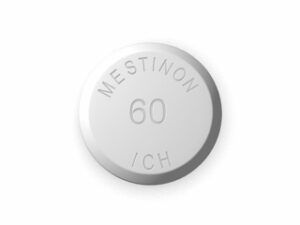
Medrol Active (Methylprednisolone) – Patient Information (UK)
Medrol Active contains methylprednisolone, a corticosteroid medicine used to reduce inflammation and calm an overactive immune response. This page explains what Medrol Active is used for, how it works, what to expect, and how to take it safely.
Always follow the instructions provided with your medicine. If you have questions, speak to a pharmacist or clinician.
Quick facts
- What it is: Corticosteroid (glucocorticoid)
- Active ingredient: Methylprednisolone
- What it does: Reduces inflammation and affects immune activity
- Common forms: Tablets/capsules depending on the product presentation
- Typical duration: Varies widely—from short courses to longer treatment—depending on the condition
- Important note: Do not stop suddenly after longer use; doses are usually reduced gradually
Basic product information
Medrol Active is a brand of methylprednisolone. Methylprednisolone is a synthetic steroid similar to cortisol, a natural hormone made by your adrenal glands.
In the UK, methylprednisolone products are used under clinical supervision for a range of inflammatory and immune-related conditions.
What you may notice
- Symptom improvement may begin within hours to a few days, depending on the condition and dose.
- Because it is a steroid, you may notice side effects even if you feel better quickly.
- Longer-term use can affect the body’s natural hormone balance—tapering may be needed.
How Medrol Active works (mechanism of action)
Methylprednisolone reduces inflammation by influencing several pathways in the body. It:
- Decreases inflammatory chemical signals released during immune responses.
- Reduces activity of immune cells involved in swelling, redness, and pain.
- Modifies gene expression involved in inflammation, helping stabilise tissues and reduce flare-ups.
The result is that Medrol Active can reduce symptoms such as swelling, pain, and irritation in many conditions.
Pharmacokinetics (how the body handles the medicine)
After you take methylprednisolone by mouth, it is absorbed through the gastrointestinal tract. Key points include:
- Absorption: Typically good after oral administration.
- Distribution: It circulates in the bloodstream and distributes into tissues.
- Metabolism: Metabolised primarily in the liver to inactive or less active metabolites.
- Excretion: Metabolites are mainly removed via the kidneys (urine).
- Half-life: The duration of effect depends on dose and individual metabolism; effects can persist beyond the dosing interval.
If you have liver problems or take medicines that strongly affect liver enzymes, levels of methylprednisolone may change. Your clinician may adjust dosing accordingly.
Typical uses in the UK (indications)
Medrol Active is used for conditions where inflammation and/or immune activity needs to be reduced. Common indications include:
- Severe allergic reactions and inflammatory allergic conditions (where appropriate)
- Autoimmune and inflammatory diseases (e.g., certain rheumatologic conditions)
- Asthma exacerbations and other inflammatory airway conditions (as directed)
- Inflammatory bowel disease flare-ups (e.g., Crohn’s disease or ulcerative colitis—clinician-guided)
- Skin inflammatory conditions (e.g., severe dermatitis or other steroid-responsive inflammatory conditions)
- Neurological inflammatory disorders (selected cases under specialist care)
- Other serious inflammatory states where benefits outweigh risks
Your exact use depends on your diagnosis, severity, and overall health. Steroids are powerful medicines—your care plan should be personalised.
Timing and how to take Medrol Active
When to take it
- Often taken in the morning to reduce disruption to your natural hormone rhythm.
- If prescribed once daily, many people take it after breakfast or with food to improve tolerance.
- If prescribed more than once daily, your clinician will explain the schedule.
With or without food?
Medrol Active can usually be taken with or without food. However, taking it with food may help reduce stomach discomfort.
Swallowing and missed doses
- Take the tablet/capsule whole if that is how it is intended.
- If you miss a dose, take it as soon as you remember unless it is close to the next dose.
- Do not double up to make up for a missed dose—follow your prescriber/pharmacist’s advice.
Dosing guidance (general information)
The correct dose of methylprednisolone depends strongly on the condition, severity, and your response to treatment. Dosing schedules vary, and your clinician may taper the dose once improvement occurs.
Typical dosing patterns you may see
- Short course: Often higher doses for a brief period, then reduction or stopping.
- Longer course: Gradual tapering to reduce the risk of adrenal suppression.
- Alternate-day regimens: Sometimes used in specific situations under medical guidance.
Important: Do not change your dose or stop suddenly without medical advice—especially if you have been taking methylprednisolone for more than a few weeks.
Food interactions and absorption tips
There are few direct “food-only” interactions, but food can still affect comfort and overall safety.
Helpful tips
- Take with food if you experience stomach upset.
- Choose meals with steady carbohydrates and adequate protein to help manage appetite changes and energy swings.
- Because steroids can affect blood sugar, consider more frequent monitoring if you have diabetes.
Special considerations
- Grapefruit products: While the effect is not always clinically significant, grapefruit can affect certain drug-metabolising pathways. If you regularly consume grapefruit, discuss it with a pharmacist.
- Salt intake: Steroids can cause fluid retention in some people. Keeping salt intake moderate may help if you’re prone to swelling or raised blood pressure.
Alcohol interactions
There is no single universal “safe/unsafe” rule for alcohol with methylprednisolone, but combining them can increase risks.
Potential concerns
- Stomach irritation: Both alcohol and steroids can contribute to gastritis or indigestion in some people.
- Blood sugar effects: Steroids may raise blood sugar; alcohol can also affect glucose regulation.
- Immune function and infection risk: Steroids may increase susceptibility to infection; heavy alcohol use can further impair immune function.
Practical advice
- If you drink alcohol, keep it moderate.
- Avoid alcohol if you have stomach pain, reflux, ulcers, or a history of bleeding.
- Seek advice if you are unsure—especially if your treatment is long-term or at higher doses.
Medicine interactions (including common UK medicines)
Methylprednisolone interacts with several medicines. Interaction risk depends on dose and treatment duration. Always provide a complete list of medicines (including over-the-counter products and supplements) to your pharmacist.
Medicines that may interact
| Interaction category | Examples (not exhaustive) | Why it matters |
|---|---|---|
| Enzyme inducers (reduce steroid levels) | Rifampicin, carbamazepine, phenytoin, some HIV medicines | May lower methylprednisolone effect, leading to inadequate control of symptoms. |
| Enzyme inhibitors (increase steroid levels) | Some antifungals, certain antibiotics | May increase steroid side effects by raising levels. |
| Blood sugar medicines | Insulin, metformin, other diabetes drugs | Steroids can raise blood glucose, requiring monitoring and dose adjustment. |
| Anticoagulants (blood thinners) | Warfarin | Steroids may affect clotting control; INR monitoring may be needed. |
| Non-steroidal anti-inflammatory drugs (NSAIDs) | Ibuprofen, naproxen, diclofenac | Combined use may increase risk of stomach irritation/ulcers or bleeding. |
| Diuretics and “potassium-lowering” medicines | Furosemide, some other diuretics | Steroids can affect potassium; together may increase electrolyte imbalance risk. |
| Vaccines | Live vaccines | Steroids can affect immune response. Live vaccines may be contraindicated at higher doses or longer use. |
| Other immunosuppressants | Azathioprine, methotrexate, ciclosporin (examples) | May increase infection risk when combined. |
What to do
- Tell your pharmacist if you take warfarin, diabetes medicines, antifungals, antibiotics, or anti-epileptics.
- Do not start new medicines (including herbal products) without checking compatibility.
- If you receive antibiotics or antifungals during steroid therapy, ask if monitoring is required.
Safety profile: side effects and what to watch for
Like all corticosteroids, methylprednisolone can cause side effects. Many are more likely at higher doses and with longer duration. Some effects improve after stopping.
Common side effects
- Increased appetite
- Indigestion, stomach discomfort
- Heartburn or reflux
- Fluid retention (puffiness)
- Changes in sleep (insomnia) or feeling “wired”
- Headache
- Mood changes (irritability, anxiety)
Less common but important side effects
- Raised blood sugar, especially in people with diabetes
- Raised blood pressure
- Increased infection risk or masking infection symptoms
- Muscle weakness with prolonged use
- Bone thinning (osteoporosis) over time
- Eye problems (e.g., increased intraocular pressure), particularly with long-term use
- Skin changes (thinning, bruising, acne-like rash)
- Adrenal suppression if stopped suddenly after extended use
Seek urgent medical advice if you develop
- Signs of serious infection: fever, severe sore throat, shortness of breath, rapidly worsening symptoms
- Severe allergic reaction: swelling of face/lips, wheezing, collapse
- Black/tarry stools or vomiting blood (possible bleeding)
- Severe mood or behavioural changes, confusion, or thoughts of self-harm
- Severe headache with vision changes
Practical use tips (to stay safer and feel better)
1) Use the right timing
- Take it in the morning if your dose is once daily—this can reduce insomnia and may better mimic natural cortisol rhythms.
- If you are prescribed divided doses, follow the exact schedule.
2) Protect your stomach
- If you get indigestion, taking the dose with food may help.
- Avoid excessive NSAIDs (like ibuprofen) unless your clinician has recommended them.
- If you have a history of ulcers, inform your pharmacist—additional stomach protection may be considered.
3) Monitor blood sugar and blood pressure (if relevant)
- If you have diabetes, check your glucose more frequently during treatment and report changes.
- If you have high blood pressure, you may need more monitoring—steroids can raise fluid retention and pressure.
4) Reduce infection risk
- Wash hands regularly and avoid close contact with people who have contagious illnesses.
- Tell your clinician if you develop infection symptoms.
- If you are due for vaccinations, ask about which vaccines are suitable while on steroid therapy.
5) Don’t stop suddenly (especially long-term)
- Follow tapering instructions if your course is prolonged.
- Stopping suddenly can cause adrenal insufficiency—this can be serious.
Alternative options (what else might be used)
“Best alternative” depends on the condition being treated. In many situations, clinicians may choose different strategies to achieve anti-inflammatory or immune control while balancing side effects. Alternatives may include:
- Other corticosteroids (e.g., prednisolone or dexamethasone) with different dosing schedules
- Inhaled corticosteroids for asthma (reducing systemic exposure)
- Topical corticosteroids for skin conditions (targeting the affected area)
- Non-steroidal anti-inflammatory medicines where appropriate (condition-dependent)
- Immunomodulators or disease-modifying treatments for chronic inflammatory diseases (specialist-led)
- Biologic therapies in some autoimmune conditions
Your clinician will select the approach based on severity, comorbidities, and long-term risk. If you’re concerned about steroid side effects, discuss options rather than stopping abruptly.
UK market and legal/regulatory context
In the United Kingdom, corticosteroid medicines are regulated by medicines law and overseen by national health frameworks. Methylprednisolone products may be classified as prescription-only or supplied under specific arrangements depending on the product and strength.
Online pharmacies serving the UK must follow relevant UK regulations, including checks designed to ensure medicines are supplied safely and appropriately.
Recent guidance (general themes)
In recent years, clinical guidance across inflammatory conditions has emphasised:
- Using the lowest effective dose for the shortest duration whenever possible
- Reviewing risk factors such as diabetes, infection risk, bone health, and stomach protection
- Monitoring for side effects during treatment and adjusting plans early
- Vaccination planning before or during immunosuppressive therapy
Local protocols may differ by condition (e.g., asthma, inflammatory bowel disease, rheumatology).
Delivery and availability (UK)
Availability of Medrol Active and delivery options can vary by pharmacy and supplier. Many online pharmacies in the UK offer:
- Home delivery using tracked courier services
- Delivery time estimates based on day of order and stock availability
- Secure packaging to protect tablets/capsules
- Customer support for delivery queries
If you need your medicine urgently, check the retailer’s estimated dispatch times before placing an order.
Storage and handling
- Store as directed on the pack (commonly at room temperature, away from excessive heat and moisture).
- Keep out of sight and reach of children.
- Check the expiry date before use.
- Do not use after the expiry date.
FAQ
1) What is Medrol Active used for?
Medrol Active (methylprednisolone) is used to reduce inflammation and suppress an overactive immune response in a variety of steroid-responsive conditions, such as severe allergic/inflammatory episodes, autoimmune conditions, and other inflammatory disorders as clinically appropriate.
2) How quickly does it work?
Many people start to feel improvements within hours to a few days. The speed and degree of symptom relief depend on the condition, dose, and individual response.
3) Should I take it with food?
It can usually be taken with or without food. If you get stomach upset or heartburn, taking it with food may help.
4) Can I drink alcohol while taking methylprednisolone?
Moderate alcohol may be possible for some people, but alcohol can increase stomach irritation and other risks. If you experience indigestion, reflux, or you’re on higher doses, it’s best to limit alcohol and ask a pharmacist.
5) What are the most important side effects to watch for?
Common effects include increased appetite, indigestion, fluid retention, insomnia, and mood changes. Seek urgent help if you suspect a serious infection, have gastrointestinal bleeding signs, or experience severe psychological symptoms.
6) Can I stop Medrol Active suddenly?
If you’ve been taking methylprednisolone for a while, stopping suddenly can be unsafe due to adrenal suppression. Always follow a clinician’s tapering plan if one is provided.
7) Does Medrol Active affect vaccinations?
Steroids can affect the immune response. Live vaccines may not be suitable during higher-dose or longer steroid therapy. Discuss vaccination timing with a pharmacist or clinician.
8) Are there interactions with common medicines like ibuprofen or warfarin?
Yes. NSAIDs (like ibuprofen) can increase the risk of stomach irritation/bleeding when combined with steroids. Warfarin levels may be affected, requiring closer clotting monitoring. Always check with a pharmacist.
9) What if I miss a dose?
Take it when you remember unless it’s close to the next dose. Do not double the dose. Follow your prescribed schedule and seek advice if you’re unsure.
10) Who should take extra care?
Extra caution is needed if you have diabetes, high blood pressure, a history of ulcers or stomach bleeding, glaucoma/cataracts, recurrent infections, osteoporosis risk, or if you are taking medicines that interact with steroids.
Disclaimer: This information is for general patient guidance in the UK and cannot replace advice from your healthcare professional. If you have symptoms that worry you or you experience severe side effects, seek medical advice promptly.