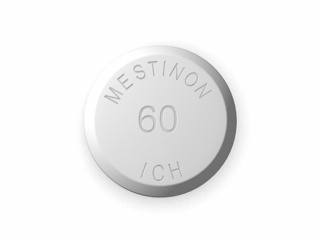

Mestinon (Pyridostigmine) – Patient-Friendly Guide (UK)
Mestinon contains pyridostigmine, a medicine used to treat conditions where nerves and muscles need support to work properly. It can improve muscle strength and endurance in certain neuromuscular disorders.
This guide explains how Mestinon works, how it’s typically taken, what to expect, and important safety information. Always follow the directions given by your healthcare professional and the patient information leaflet that comes with the medicine.
Quick product information
| Feature | Details |
|---|---|
| Active ingredient | Pyridostigmine |
| Brand name | Mestinon |
| Common forms | Tablets; some patients may be prescribed modified-release options depending on local product availability |
| Class | Cholinesterase inhibitor (acetylcholinesterase inhibitor) |
| Typical role | Improves communication between nerves and muscles |
| Where it’s used | Primarily myasthenia gravis and related conditions as advised by a specialist |
What is Mestinon used for?
Mestinon is most commonly used for:
- Myasthenia gravis (MG) – an autoimmune neuromuscular condition causing muscle weakness that worsens with activity and improves with rest.
- Symptomatic treatment to improve muscle strength and reduce fatigue in appropriate patients.
In clinical practice, specialists may also consider pyridostigmine for other neuromuscular problems where cholinergic support is beneficial. The exact use depends on your diagnosis and treatment plan.
How Mestinon works (mechanism of action)
Pyridostigmine belongs to a group of medicines called cholinesterase inhibitors. In the body, nerve signals to muscles use the chemical messenger acetylcholine. After acetylcholine has done its job, an enzyme called acetylcholinesterase breaks it down.
Mestinon blocks this breakdown, so acetylcholine can remain available for longer at the neuromuscular junction. The result is improved nerve-to-muscle signalling, which can:
- reduce weakness
- improve muscle function
- help with symptoms such as fatigue, drooping eyelids, and difficulties with chewing or swallowing (where relevant)
Pharmacokinetics: how the medicine behaves in the body
“Pharmacokinetics” describes how the body absorbs, distributes, metabolises, and eliminates a medicine.
- Absorption: Pyridostigmine is taken by mouth and is absorbed from the gastrointestinal tract. The timing of symptom relief depends on the tablet form and your individual response.
- Onset of effect: Many people notice improvement relatively soon after dosing, particularly with immediate-release preparations.
- Duration: The effect may last for several hours, which is why dosing is often split throughout the day.
- Distribution: Pyridostigmine acts mainly where neuromuscular signalling takes place.
- Elimination: It is cleared from the body primarily via the kidneys.
Kidney function matters: Because elimination involves the kidneys, your prescriber may adjust the dosing or monitor you more closely if you have kidney impairment.
Typical dosing and timing
Dosing for Mestinon should be individualised to your symptoms and medical history. Your healthcare team may start at a lower dose and increase gradually until you get the desired balance between symptom relief and side effects.
General pattern (how it’s commonly taken)
- Often taken several times daily (for example, spaced across the daytime and sometimes again at night depending on symptom timing).
- The goal is to manage symptoms that fluctuate during the day (for example, weakness that worsens with activity).
Practical timing guidance
- Plan around symptom peaks: Many people find it helpful to take doses before activities that trigger weakness.
- Keep a consistent schedule: Regular dosing can help smooth symptom control.
- Track your response: If your symptoms vary, noting the time you take each dose and when symptoms improve or return can support dose timing adjustments.
Important: Do not change your dose frequency or amount without medical advice. If you miss a dose, follow the advice in your leaflet or contact your prescriber/pharmacist for guidance.
Food interactions and what to eat
Food may influence tolerability for some people. While pyridostigmine doesn’t typically require strict fasting, gastrointestinal side effects are among the more common issues with cholinesterase inhibitors.
- Take with or after food if this helps reduce nausea, stomach cramps, or diarrhoea.
- Avoid very heavy meals if you notice symptoms worsen with large food volumes.
- Stay hydrated if diarrhoea or abdominal discomfort occurs.
If you experience persistent stomach problems, your healthcare professional may advise a different dosing schedule, an alternative formulation, or supportive treatment.
Alcohol and medicine interactions
Alcohol
Moderate alcohol may not directly interact with pyridostigmine in a predictable way for everyone, but alcohol can:
- worsen fatigue
- affect swallowing and coordination in some individuals
- increase risk of falls or aspiration if muscle strength is reduced
- potentially aggravate gastrointestinal side effects
Recommendation: If you choose to drink alcohol, do so cautiously and avoid if you notice worsening weakness or swallowing difficulties afterward. Discuss your situation with a clinician if you have severe symptoms or respiratory involvement.
Other medicines (important interactions)
Mestinon can interact with other medicines, mainly those affecting the cholinergic system or neuromuscular transmission. Common interaction themes include:
- Other cholinesterase inhibitors or similar medicines may increase cholinergic effects.
- Anticholinergic medicines (which reduce acetylcholine effects) may reduce the benefit of pyridostigmine.
- Medicines used in anaesthesia: neuromuscular blocking agents used during surgery can be affected by cholinergic tone. Always inform theatre/anaesthetic teams that you are taking pyridostigmine.
- Some antibiotics (e.g., certain types) and magnesium-containing products may influence neuromuscular function and muscle weakness.
- Other medications affecting the autonomic nervous system may change side-effect patterns.
Always check: Tell your pharmacist about all medicines, including over-the-counter products and herbal remedies. This helps prevent avoidable side effects and loss of symptom control.
Indications: when Mestinon may be considered
In the UK, pyridostigmine is widely used as part of treatment strategies for neuromuscular disorders involving impaired nerve-to-muscle transmission—most notably:
- Myasthenia gravis – often used to improve symptoms, including fatigability and ocular or generalised muscle weakness, depending on the clinical picture.
Many patients use Mestinon alongside other treatments (for example immunosuppressants) depending on disease severity and specialist plan. Your regimen depends on whether your MG is ocular or generalised, and on your response and side-effect experience.
Safety profile and side effects
Like all medicines, Mestinon can cause side effects. Because it increases acetylcholine effects, side effects can reflect “too much cholinergic activity.”
Common side effects
- Gastrointestinal: abdominal cramps, nausea, diarrhoea
- Increased secretions: runny nose, excessive saliva
- Muscle-related: muscle twitching (may occur if dosing is too high for you)
- Other: headache, sweating
Less common but important signs
Seek urgent medical advice if you develop severe symptoms such as:
- Breathing difficulties, choking, or worsening swallowing
- Marked weakness or inability to get through daily activities as expected
- Severe diarrhoea or dehydration symptoms
- Severe allergic reaction (swelling of face/lips, rash, difficulty breathing)
Cholinergic excess (“overmedication”) vs MG worsening
In MG, it can be challenging to distinguish between:
- Too much pyridostigmine (cholinergic side effects such as diarrhoea, salivation, cramps, and sometimes muscle twitching)
- Insufficient symptom control (worsening weakness, breathing/swallowing problems)
If your symptoms change rapidly or you feel significantly worse, contact a healthcare professional promptly for assessment and dose review.
Practical use tips (to get the best results)
- Keep a symptom diary: Note dose times, symptom severity, and side effects. Patterns help clinicians adjust timing.
- Use a consistent routine: Take doses around the same times each day.
- Manage nausea/diarrhoea: Taking doses with food may help; report persistent symptoms early.
- Be cautious with driving and machinery if you experience dizziness, fatigue, or variable weakness.
- Plan for swallowing: If you have swallowing difficulties, take care with food texture and drink consistency as advised by your clinician or speech therapist.
- Tell healthcare teams: Let dentists, pharmacists, and hospitals know you take pyridostigmine before procedures.
Alternative treatment options (discuss with your clinician)
For myasthenia gravis, treatment plans vary according to severity, generalised vs ocular involvement, and response to therapy. Depending on your situation, alternatives or add-ons may include:
- Other acetylcholinesterase inhibitors (some patients may tolerate different formulations better).
- Immunosuppressive therapies to reduce the autoimmune attack (e.g., corticosteroids or other immunomodulators).
- Biologic therapies for selected patients where appropriate.
- Rapid short-term options for severe exacerbations (specialist-led hospital treatments).
Your specialist will balance symptom relief, long-term disease control, and side effects. Do not switch medicines without guidance.
UK market and legal context
In the United Kingdom, the availability and classification of medicines (including whether they are prescription-only or can be supplied via other routes) depends on regulatory decisions and product licensing.
- Supply and product information: Mestinon is an established medicine in the UK healthcare system, typically used under specialist care for neuromuscular disorders.
- Pharmacy responsibility: Pharmacists help ensure safe supply by checking appropriateness, interactions, and patient suitability.
- Patient information: Always read the leaflet provided with your medicine for details on warnings, contraindications, and specific dosing instructions.
UK guidance: Treatment of myasthenia gravis is commonly managed according to specialist neurology and neuromuscular guidance, with regular review to tailor therapy and monitor safety. Local protocols and national recommendations may update over time.
Recent guidance and monitoring (what matters in practice)
Because myasthenia gravis can fluctuate and because pyridostigmine can cause cholinergic side effects, ongoing monitoring is important. Common practice includes:
- Regular review of symptom control: assessing weakness pattern, ocular symptoms, and daily function.
- Side-effect monitoring: gastrointestinal symptoms and signs of excess cholinergic activity.
- Assessment during changes: dose adjustments, addition of other medicines, or infections.
- Emergency planning: discussing what to do if breathing or swallowing worsens.
If you receive a diagnosis or experience a flare, your clinicians may recommend specialist follow-up and may adjust medication timing to improve daily function and reduce side effects.
Delivery and availability in the UK
Availability can vary by strength, pack size, and current supply. Online pharmacy delivery options in the UK commonly include standard and expedited shipping.
- Check stock status: At checkout, you’ll usually see whether the item is currently available.
- Delivery times: Standard delivery typically takes a few working days; express options may be faster depending on the courier and location.
- Packaging: Medicines are usually shipped in appropriate, secure packaging to protect the product.
If the product is out of stock, you may be offered alternatives (such as different strengths/forms) or the option to request restock updates depending on the pharmacy’s service.
FAQ – Mestinon (Pyridostigmine)
1) How quickly does Mestinon work?
Many people notice symptom improvement within a period after taking a dose, particularly with immediate-release tablets. The exact onset and duration vary between individuals and may depend on the preparation type and your MG severity. Tracking timing and symptoms can help you understand your personal response.
2) Why do symptoms sometimes return before the next dose?
Pyridostigmine’s effect lasts for a limited time. MG symptoms often fluctuate and may become more noticeable as the medication’s effect wears off. Dose timing adjustments may help, but any changes should be discussed with your healthcare professional.
3) Can I take Mestinon with food?
Many patients find taking it with or after food improves stomach comfort. If you experience nausea or diarrhoea, consider food pairing and speak to your pharmacist or prescriber for advice on the best schedule.
4) What should I do if I miss a dose?
Follow the instructions in the patient information leaflet for missed doses, or seek advice from your pharmacist. In general, it’s important not to double up without guidance.
5) Are there foods I must avoid?
There are no universally required food exclusions, but heavy meals or foods that worsen digestive symptoms may be problematic for some people. If you have swallowing difficulties, your clinicians may provide additional dietary guidance.
6) What side effects are most likely?
The most common side effects relate to increased cholinergic activity, such as abdominal cramps, diarrhoea, nausea, and increased secretions. If side effects are troublesome or worsening, contact a healthcare professional.
7) Is it safe to drink alcohol?
Alcohol may worsen fatigue and can potentially aggravate side effects or weaken coordination and swallowing. If you choose to drink, do so cautiously and avoid if you notice any worsening weakness or breathing/swallowing problems afterwards.
8) Can Mestinon be used with other medicines?
Some medicines can affect MG symptoms or alter pyridostigmine’s effect. Always tell your pharmacist about everything you take, including over-the-counter products and herbal remedies, to check for interactions.
9) Will Mestinon cure my condition?
Mestinon helps manage symptoms by improving nerve-to-muscle signalling. In myasthenia gravis, it typically forms part of a broader long-term treatment plan aimed at controlling the condition and reducing flare-ups.
10) What should I do in an emergency?
If you develop breathing difficulties, severe swallowing problems, or a rapid deterioration in strength, seek urgent medical help immediately. Keep your medication details available for healthcare responders.
Important reminders
- Always use Mestinon exactly as advised by your healthcare professional.
- Do not change your dose schedule without medical guidance.
- Seek advice promptly if you develop severe side effects or a significant change in symptoms.
- Inform healthcare professionals that you take pyridostigmine before procedures or new medicines.
If you have specific concerns about suitability, interactions, or your personal dosing schedule, speak to a pharmacist or your specialist neurology team.