

Mentat (Food Supplement) – Patient-Friendly Information (UK)
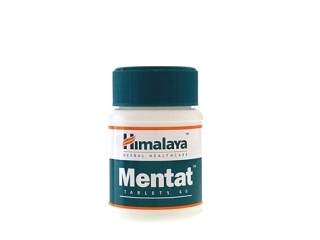
Mentat is a popular brain health supplement commonly used in the UK to support memory, focus, and mental performance. Many people look for Mentat when they want everyday cognitive support, especially during busy periods such as studying, work deadlines, or when experiencing mental fatigue.
This page explains how Mentat works, how it’s typically taken, what to expect, and important safety information. Always read the label supplied with your product and follow the directions on the pack.
Quick overview
- Product type: Food supplement (vitamin/mineral and/or herbal supplement, depending on the specific Mentat variant)
- Purpose: Cognitive support (memory, focus, mental performance)
- How it works: Provides nutrients and supportive compounds used in normal brain function
- Typical use: Daily intake, usually over weeks for best results
- When to take: Often taken with food or after meals to reduce stomach discomfort (follow label guidance)
- Safety: Generally well tolerated when used as directed, but check ingredients and health conditions
Note: Formulations can vary by country and product version. For the most accurate information, check the ingredient list and recommended serving on your specific Mentat pack.
Basic product information
Mentat is marketed as a brain health supplement. It is widely available from pharmacies and online retailers in the UK.
| Category | What you can expect |
|---|---|
| Type | Food supplement |
| Key claim | Helps support memory, concentration, and mental performance |
| Typical use | Daily support over time |
| Ingredients | Varies by product version; check your label for exact nutrients/plant extracts |
| Who it’s for | Adults seeking cognitive support as part of a healthy lifestyle |
How Mentat may work (mechanism of action)
Mentat is designed to support normal brain function. The exact mechanism depends on the ingredients in your specific product version, but supplements of this type typically work through one or more of the following pathways:
- Supporting neurotransmitter function: Some nutrients are involved in pathways that help the brain communicate effectively.
- Contributing to energy metabolism: Brain tissue has high energy needs; certain micronutrients support normal energy-yielding processes.
- Antioxidant support: Some formulations include ingredients that help protect cells from oxidative stress.
- Potential effects on attention and learning: By supporting underlying nutritional requirements, supplements may help cognitive performance in people with low baseline intake.
Important: Supplements are not the same as medicines. Mentat supports general wellbeing and cognitive function, but it is not a cure for medical conditions.
Pharmacokinetics (what happens in the body)
Because Mentat is a food supplement rather than a single active pharmaceutical ingredient, pharmacokinetics can vary by the specific vitamins, minerals, and/or herbal components included.
In general, nutrients and many supplement constituents undergo:
- Absorption: Most nutrients are absorbed from the gut into the bloodstream. Absorption may be influenced by food intake, gut health, and individual metabolism.
- Distribution: Micronutrients distribute throughout the body, including tissues such as the brain.
- Metabolism: Some compounds are metabolised in the liver or other tissues.
- Excretion: Many water-soluble vitamins (and breakdown products) are removed via urine; others may be eliminated more slowly.
Practical takeaway: It’s common to take Mentat consistently for several weeks. This allows time for normal nutritional processes and may help you notice benefits.
Typical uses and indications (what it’s commonly taken for)
Mentat is typically used to support:
- Memory and learning support
- Focus and concentration
- Everyday mental performance
- Periods of mental fatigue (for example, exam or work-related stress)
Indication note for the UK context: Food supplements must comply with UK and EU nutrition and health claim rules. Claims on product packaging are expected to be supportive but not disease-specific.
When not to rely on Mentat alone: If you have significant or persistent memory problems, mood changes, severe fatigue, or neurological symptoms, speak to a healthcare professional for appropriate assessment.
How to take Mentat: dosing and timing
Always follow the dosing instructions on your Mentat pack. The recommended amount depends on the specific formulation.
Typical adult dosing (general guidance)
- Common approach: One serving daily (or as directed by the label).
- Best practice: Use consistently rather than “as needed”.
Timing (when to take it)
Many people take Mentat:
- With breakfast or after food to improve tolerance
- In the morning if the formula includes ingredients that you personally find energising
If you are sensitive to stimulatory ingredients, consider taking it earlier in the day. If your label instructs a specific time, follow that instead.
How long before you notice effects?
For cognitive support, supplements are often trialled for a period such as a few weeks. If you notice no benefit after following the recommended dose consistently, reassess whether the product suits your needs and consult a pharmacist if you’re unsure.
Food interactions: what to know
Mentat can usually be taken with or without food, but many formulations are better tolerated with meals.
General guidance:
- With food: May reduce the chance of stomach upset and improve adherence.
- Empty stomach: Some people find supplements cause nausea or mild stomach discomfort; if this happens, switch to taking it after meals.
Absorption considerations: The presence of certain dietary components can influence absorption of specific micronutrients. Taking with food may also provide a more stable daily routine.
Tip: If you take other supplements or medications, keep a consistent spacing schedule (for example, take Mentat with breakfast and other products at a different time) unless your healthcare professional advises otherwise.
Alcohol and medicine interactions
Mentat is a supplement, but alcohol and some medicines can still affect how you feel, how nutrients are used, or your risk of side effects.
Alcohol
- Moderation is recommended: Alcohol may worsen sleep quality and cognitive performance, which can counteract the benefits you seek.
- Stomach effects: If Mentat causes mild gastrointestinal discomfort for you, alcohol may aggravate this.
Interactions with medicines
Mentat may interact with other products depending on its ingredients. Because formulations vary, the safest approach is to:
- Check the label for all actives (vitamins, minerals, herbal extracts, amino acids, etc.)
- Ask a pharmacist if you take medicines regularly, especially if you have long-term conditions
Examples of interaction areas (general):
- Blood clotting medicines: Some herbal ingredients can interact with anticoagulants (e.g., warfarin). If you take blood thinners, seek advice before using.
- Thyroid or hormone-related treatments: Supplements containing iodine or certain nutrient combinations may affect thyroid function in susceptible individuals.
- Diabetes medicines: Some supplements may affect blood sugar; monitor closely if relevant.
- Seizure threshold: Certain stimulant or concentrated herbal components may be a concern for people with epilepsy or those taking relevant medicines.
Important: This is not a complete list. Always consult your healthcare professional or pharmacist if you’re on regular medication.
Safety profile: side effects and who should be cautious
Mentat is generally considered safe for most adults when used as directed. However, side effects can occur, especially if taken in high doses or if you’re sensitive to an ingredient.
Possible side effects
Commonly reported mild effects (depending on formulation) may include:
- Stomach upset, nausea, or indigestion
- Headache (occasionally)
- Sleep changes (if ingredients are energising for you)
- Allergic reactions in sensitive individuals (e.g., rash, itching)
When to stop and get advice
Stop taking Mentat and seek medical advice promptly if you experience:
- Swelling of the face, lips, or throat
- Breathing difficulties
- Severe or persistent gastrointestinal symptoms
- Unusual neurological symptoms
Who should be cautious
- Pregnancy or breastfeeding: Check with a healthcare professional before using.
- Children and teenagers: Use only if the product is specifically labelled for their age group.
- People with long-term medical conditions: Seek advice if you have epilepsy, thyroid disorders, kidney or liver problems, or autoimmune conditions.
- People with known allergies: Review the ingredient list carefully.
Do not exceed the recommended dose. “More” is not always “better,” and higher intakes can increase the risk of unwanted effects.
Practical use tips for best results
- Choose consistency over timing games: Take it at the same time each day.
- Pair with a healthy routine: Adequate sleep, hydration, balanced nutrition, and regular activity strongly support cognitive health.
- Keep expectations realistic: Supplements typically support normal function rather than producing immediate dramatic changes.
- Track your experience: If you want to judge whether Mentat suits you, note changes in focus or memory across 2–4 weeks.
- Minimise multitasking: Cognitive performance improves with structured work and breaks (e.g., short study/work intervals).
- Check caffeine and sleep: High caffeine intake late in the day can harm sleep, which may reduce perceived benefits.
Alternative options (if Mentat doesn’t suit you)
There are several approaches to cognitive support. The best alternative depends on your goals and your current diet and lifestyle.
Other supplement types
- Omega-3 fatty acids (commonly used to support brain and heart health)
- Magnesium (may support relaxation/sleep in some people)
- Vitamin B complex (especially if dietary intake is low)
- Ginkgo biloba or other herbal options (results vary; check safety and interactions)
- L-theanine (often used to support calm focus, particularly with caffeine)
Lifestyle alternatives with strong evidence
- Sleep improvement (consistent bed and wake times)
- Exercise (aerobic activity supports brain health)
- Stress management (breathing techniques, mindfulness, time management)
- Balanced diet (fruit, vegetables, whole grains, protein, and healthy fats)
Tip: If you already take a multi-vitamin or other cognitive supplement, check for overlapping ingredients to avoid double-dosing.
Mentat in the UK: market and legal context
In the UK, supplements like Mentat fall under the Food Supplements framework. They are regulated differently from medicines.
- Claims: Health and nutrition claims on food supplements must follow UK rules, which aim to ensure claims are not misleading.
- Composition: Supplements must be manufactured to appropriate quality standards and meet labelling requirements.
- Safety: Manufacturers are expected to ensure safe use at recommended intakes.
- Labelling: You should see ingredients, recommended daily dose, and warnings on the pack.
Important for customers: If you’re comparing products, always compare the full ingredient list and daily serving amounts, not just the brand name or general marketing wording.
Recent guidance and practical reminders (UK customer-focused)
Although guidance can change, current UK consumer expectations and common safety reminders include:
- Read the label carefully: Pay attention to the recommended daily amount and any “do not use” warnings.
- Be cautious with multiple supplements: Many cognitive stacks include overlapping nutrients (e.g., B vitamins) and can push intake above desired levels.
- Check for allergens: If you have allergies, review excipients and ingredient sources.
- Talk to a professional if you take medicines: Particularly if you take anticoagulants, thyroid treatments, antidepressants, or seizure medications.
- Stop if adverse effects occur: Safety matters even for products bought over the counter.
If you are unsure whether Mentat is appropriate for you, a pharmacist can help you check ingredients and possible interactions based on your current medicines.
Delivery and availability in the UK
Mentat is commonly available from pharmacies and online stores in the UK. Delivery options may vary based on the retailer and your location.
Typical availability: Many online pharmacies keep Mentat in stock, though specific versions or pack sizes may sell out at times (for example, seasonal demand around exam periods).
- Ordering: Choose your pack size and check availability before confirming.
- Delivery estimates: Often shown at checkout; delivery may be standard or expedited depending on the service.
- Packaging: Products are usually delivered in protective packaging to reduce risk of damage.
Always verify: Ensure the product you receive matches the Mentat version described on the listing (ingredients and serving size can differ).
FAQ: Frequently asked questions
Is Mentat suitable for everyone?
Mentat is generally for adults. If you are pregnant, breastfeeding, under 18, or have a medical condition, check the label and speak with a pharmacist or healthcare professional before use.
How quickly will I feel a difference?
Cognitive support from supplements often develops over time. Some people notice changes in focus within days, but more typical is assessing effects after consistent use over a few weeks.
Can I take Mentat every day?
Most people take it daily as directed on the label. Do not exceed the recommended daily dose. If you miss a dose, take it when you remember unless your label advises otherwise.
Should I take it with food?
Many people find it easier to tolerate with food. If your label suggests taking with meals, follow that advice. If stomach upset occurs, switch to taking it after food.
Does Mentat interact with alcohol?
Moderate alcohol is unlikely to have a direct ingredient-to-ingredient interaction for most people, but alcohol can reduce sleep quality and worsen overall cognitive performance. If you experience stomach discomfort, avoid combining with alcohol.
Can Mentat be taken with other vitamins or supplements?
It may be possible, but check for overlapping ingredients (especially vitamins and minerals). Double-dosing can raise intake unnecessarily. If you’re taking multiple products, seek pharmacy advice.
Is Mentat a medicine?
No. Mentat is a food supplement intended to support normal mental performance and cognitive wellbeing. It is not designed to treat or cure disease.
What should I do if I get side effects?
Stop taking Mentat and consult a pharmacist or healthcare professional if symptoms are persistent, severe, or unexpected. For signs of allergy (such as swelling or breathing difficulty), seek urgent medical help.
Who makes Mentat?
Manufacturers and brand owners can vary by product version. Check the pack label for the manufacturer details and batch/production information.
What if I’m taking regular medication?
Because supplement ingredients vary, interactions can be individual. It’s best to check the ingredient list and ask a pharmacist about your specific medicines—especially anticoagulants, thyroid medication, seizure medicines, and other long-term treatments.
How do I store Mentat?
Store it according to the instructions on the pack, typically in a cool, dry place away from direct sunlight and out of reach of children.
Final reminders
Mentat may help support memory, concentration, and everyday mental performance as part of a healthy lifestyle. For best results, take it consistently at the recommended dose, be mindful of food and alcohol effects, and check for possible interactions if you take other medicines or supplements. If your symptoms are significant or persistent, consider professional medical advice for appropriate assessment.
Always read the label that comes with your Mentat product for the exact ingredients, serving size, and usage instructions.