
Nebivolol (Nebivolol) – Patient Guide (UK)
Nebivolol is a medicine used to treat certain heart and circulation conditions. It belongs to a group of medicines called beta-blockers. In the UK, nebivolol is commonly prescribed for people with high blood pressure and for some people with chronic heart failure. This guide explains how it works, how it’s used, what to expect, and how to take it safely.
| Category | Details |
|---|---|
| Medicine name | Nebivolol (often written as “nebivolol”) |
| Medicinal group | Beta-blocker (selective beta-1 blocker with additional actions) |
| Common uses | High blood pressure; chronic heart failure (in appropriate patients) |
| How it’s taken | Usually once daily by mouth (strength and schedule depend on condition) |
| Typical effect | Reduces heart rate and blood pressure; helps improve heart workload in heart failure |
| Key precautions | May lower heart rate and blood pressure; caution in certain heart rhythm problems, asthma/wheeze, and diabetes |
Basic product information
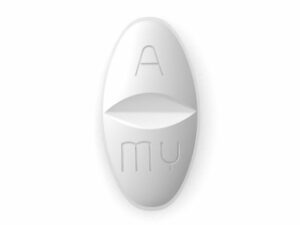
Nebivolol is available in different strengths depending on the brand and formulation. It is taken as tablets. If you have questions about your specific product strength (for example 2.5 mg, 5 mg, etc.), check the label on your pack or ask your pharmacist.
Like many medicines, nebivolol should be stored according to the instructions on the packaging (typically in a dry place, away from excessive heat and moisture, and kept out of reach of children).
How nebivolol works (mechanism of action)
Nebivolol works mainly by affecting the cardiovascular system:
- Selective beta-1 blockade: It blocks beta-1 receptors primarily found in the heart. This tends to reduce heart rate and the force of contraction, lowering the heart’s workload.
- Additional blood vessel effects: Nebivolol can also promote nitric oxide release in the body, which helps relax blood vessels. This can contribute to lowering blood pressure.
What this means for you: In high blood pressure, nebivolol helps the heart pump more efficiently and reduces pressure in the arteries. In chronic heart failure, it supports the heart by reducing strain and improving symptoms for suitable patients.
What to expect and how quickly it works
Response times can vary by person and by condition:
- Blood pressure: Some people notice improvement within days, but a fuller effect may take several weeks.
- Heart failure: Improvement is often gradual as dosing is carefully increased. Benefits may be seen over weeks to months.
Do not stop suddenly without medical advice. Abrupt withdrawal of beta-blockers can worsen symptoms in some people.
Pharmacokinetics (how the body handles nebivolol)
Pharmacokinetics describes how the body absorbs, processes, and eliminates a medicine. For nebivolol:
- Absorption: Nebivolol is absorbed after oral dosing. Food can influence the way the body processes it, though many patients can take it with or without food as directed by their clinician/pharmacist.
- Metabolism: Nebivolol is metabolised in the liver. The medicine exists as active forms and is processed differently among individuals.
- Elimination: Most metabolites are eliminated via the liver and kidneys (details can vary).
- Onset and duration: Its effect is designed for once-daily use in most cases. Steady blood levels are typically reached after repeated dosing.
If you have liver problems or kidney impairment, your prescriber may adjust the plan and monitor you more closely.
Typical use in the UK
Nebivolol is used in the UK for the following common indications:
- Hypertension (high blood pressure): Helps reduce cardiovascular risk associated with persistently raised blood pressure.
- Chronic heart failure: Used in appropriate patients, often alongside other heart failure medicines.
Whether nebivolol is suitable for you depends on your medical history, current medications, heart rhythm, and blood pressure/heart rate measurements.
Indications: when nebivolol is used
In practice, nebivolol may be considered when a clinician aims to:
- Lower blood pressure to target ranges
- Reduce heart rate and cardiac workload
- Improve outcomes and symptoms in chronic heart failure (when used as part of a broader treatment strategy)
It is not a treatment for chest pain during an acute event, and it is not used as a quick-relief medication.
Dosing: general guidance (individualised)
Dosing varies by condition, age, kidney/liver function, and how well you tolerate the medicine.
High blood pressure (hypertension)
- Typically taken as a once-daily dose.
- Your prescriber may start at a lower dose and adjust based on blood pressure response.
Chronic heart failure
- Usually initiated at a low dose and increased gradually.
- Close monitoring is important, especially for heart rate, blood pressure, and symptoms such as dizziness or worsening breathlessness.
Important: Always follow the dosing instructions on your pack and/or your healthcare plan. If you miss a dose, take it when you remember unless it’s close to your next dose. Do not double up.
Timing: when to take nebivolol
Nebivolol is commonly taken . Many people find it easiest to take it at the same time each day.
- Morning vs evening: Choose the time that best suits you and your routine. If you feel light-headed, your clinician may recommend shifting the time.
- Consistency matters: Try not to vary the time of day frequently.
If your pack instructions specify “once daily,” do not take extra doses to “catch up.”
Food interactions (what to eat/drink)
Food can influence how nebivolol is absorbed and processed. In many cases, you can take nebivolol with or without food, but it’s best to follow the advice given for your specific product or by your pharmacist.
Practical tip: If you find nebivolol makes you feel slightly unwell or dizzy, taking it with a light meal may help some people. Keep your approach consistent unless your pharmacist advises otherwise.
Alcohol interactions
Alcohol can affect blood pressure and may worsen side effects such as dizziness or
- Keep alcohol intake moderate.
- Avoid binge drinking.
- If you notice significant dizziness, faintness, or unusual weakness after drinking, discuss with a healthcare professional.
If you have heart failure, alcohol may have additional risks, and it’s wise to ask your clinician for personalised advice.
Medicine interactions: key considerations
Because nebivolol affects heart rate and blood pressure, it may interact with other medicines that have similar effects or influence its metabolism.
Medicines that may increase the effects on heart rate or blood pressure
- Other beta-blockers (avoid duplication unless specifically directed)
- Some calcium channel blockers (particularly verapamil or diltiazem can affect heart rate and conduction)
- Antiarrhythmic medicines that affect heart rhythm
- Medicines for high blood pressure (may add to blood pressure lowering)
Medicines that may affect nebivolol levels
- Certain antidepressants and antipsychotics (some can influence metabolism)
- Medicines for fungal infections and some antibiotics that can affect liver enzymes
- Cimetidine (an acid-reducing medicine) may increase levels in some people
Medicines for diabetes
- Insulin and oral diabetes medicines can interact in ways that may affect awareness of low blood sugar symptoms.
- Beta-blockers can sometimes mask warning signs of hypoglycaemia (such as fast heartbeat).
Non-prescription and herbal products
- Always tell a pharmacist about all medicines you take, including those you buy without prescription and herbal remedies.
- Cold and flu remedies may contain ingredients that affect heart rate or blood pressure.
Safety reminder: This is not an exhaustive list. Your pharmacist can check specific interactions based on your medicines and health conditions.
Safety profile: who should be cautious
Nebivolol is generally well tolerated when used correctly, but it can cause side effects related to its effects on the heart and blood vessels.
Common side effects
- Tiredness or fatigue
- Dizziness (especially when standing up)
- Headache
- Slow heart rate (bradycardia)
- Cold hands and feet
Less common but important effects
- Worsening of heart failure symptoms when starting or increasing dose (e.g., breathlessness, swelling)
- Low blood pressure (hypotension)
- Sleep disturbances or vivid dreams (reported with some beta-blockers)
- Sexual side effects in some people
Seek urgent help if you experience
- Fainting, severe dizziness, or collapse
- Severe shortness of breath or swelling that rapidly worsens
- Chest pain that is new or severe
People who need extra caution
- Asthma or wheezing: Even “beta-1 selective” beta-blockers may affect airways in some people, especially at higher doses.
- Heart rhythm problems (for example certain conduction disorders)
- Very slow heart rate before treatment
- Diabetes or frequent hypoglycaemia
- Low blood pressure or episodes of fainting
- Liver or kidney impairment: may require adjustments and monitoring
Practical use tips for everyday life
- Check your pulse and blood pressure: If your clinician has advised, monitor regularly, particularly after dose changes.
- Stand up slowly: If you feel dizzy, rise gradually from sitting or lying positions.
- Keep a symptom diary: Note fatigue, dizziness, breathlessness, or swelling—this can help your clinician adjust treatment.
- Don’t skip doses: Consistency supports stable effects.
- Don’t stop suddenly: Stopping beta-blockers abruptly may cause worsening of symptoms.
- Carry medication info: If you have heart problems, consider carrying a list of your medicines or keeping it on your phone.
Alternative options (discuss with your healthcare professional)
There are several other medicines that may be used for high blood pressure or chronic heart failure, depending on your circumstances.
For high blood pressure
- ACE inhibitors (e.g., enalapril, lisinopril)
- Angiotensin receptor blockers (ARBs) (e.g., losartan, valsartan)
- Calcium channel blockers (e.g., amlodipine)
- Thiazide-like diuretics (e.g., indapamide)
- Other beta-blockers (e.g., bisoprolol, metoprolol)
For chronic heart failure
- ACE inhibitors/ARBs/ARNI (depending on suitability)
- Beta-blockers used specifically for heart failure (choice depends on guidelines and patient factors)
- Mineralocorticoid receptor antagonists (e.g., spironolactone)
- SGLT2 inhibitors (for some patient groups)
- Diuretics to help reduce fluid overload
Selection depends on blood pressure, kidney function, potassium levels, heart rate/rhythm, and symptom profile.
Market and legal context in the United Kingdom
In the UK, medicines like nebivolol are regulated and supplied under the Medicines and Healthcare products Regulatory Agency (MHRA) and follow standards set by UK legislation. Many blood pressure and heart failure medicines are issued according to healthcare rules that ensure correct use and patient safety.
When buying or receiving medicines in the UK, reputable pharmacy services will typically verify your details and provide information about correct use, monitoring, and safety advice. If you are unsure whether a pharmacy is legitimate, you can check the service is registered and complies with UK requirements.
Recent guidance context: UK clinical practice is influenced by the National Institute for Health and Care Excellence (NICE) and major guideline updates from cardiology societies. These guidelines continue to emphasise evidence-based heart failure therapies, careful titration of beta-blockers, and monitoring of blood pressure, heart rate, and symptoms.
Delivery and availability (online pharmacy)
Nebivolol may be available in different tablet strengths and pack sizes depending on stock and supplier availability. Delivery options, dispatch times, and courier services differ between pharmacies.
- Availability checks: Many online pharmacies verify stock before dispatch.
- Packaging: Medicines should be supplied in secure packaging with clear labelling.
- Cold chain: Nebivolol tablets do not typically require temperature-controlled delivery, but always follow the product instructions.
Tip: If you need your medicine by a specific date, allow time for processing and delivery, especially if you’re near the end of your current supply.
Frequently Asked Questions (FAQ)
1) What is nebivolol used for?
Nebivolol is used for high blood pressure and for chronic heart failure in appropriate patients. It helps reduce the workload on the heart and lower blood pressure.
2) How do I take nebivolol?
Most people take nebivolol once daily by mouth. Take it at the same time each day. Follow the specific instructions on your medicine label.
3) Can I take nebivolol with food?
Many people can take it with or without food, but it’s best to follow the guidance for your exact product. If food makes you feel better or helps avoid stomach discomfort, take it consistently that way.
4) What should I do if I miss a dose?
Take the missed dose when you remember unless it is close to your next dose. Do not take a double dose to make up for a missed one. If you’re unsure, ask a pharmacist.
5) Will nebivolol affect my heart rate?
Yes. Nebivolol can lower heart rate. This is part of how it works, but your dose may need adjustment if your heart rate is too slow or if you feel unwell.
6) Are there side effects I should watch for?
Common effects include tiredness and dizziness. Contact a healthcare professional if you experience fainting, severe dizziness, worsening breathlessness, or swelling that rapidly gets worse.
7) Is it safe to drink alcohol while taking nebivolol?
Alcohol may increase the risk of dizziness or low blood pressure. Keep intake moderate and avoid binge drinking. If you notice symptoms after drinking, discuss with a pharmacist or clinician.
8) Can nebivolol be used if I have asthma or wheezing?
Extra caution is needed. Even beta-1 selective medicines can affect breathing in some people. Seek advice if you have asthma, wheeze, or chronic lung disease.
9) What medicines commonly interact with nebivolol?
Medicines that lower blood pressure or slow heart rate may add to effects. Some drugs can also affect nebivolol metabolism. Tell your pharmacist about all medicines, including over-the-counter products and herbal supplements.
10) How long will it take to see results?
Blood pressure may improve within days, but full effect can take several weeks. In heart failure, improvements are often gradual as dosing is increased.
Key takeaways
- Nebivolol is a beta-blocker used for high blood pressure and chronic heart failure.
- It lowers heart rate and helps relax blood vessels, contributing to reduced blood pressure.
- It is usually taken once daily, often with careful dose titration for heart failure.
- Be aware of side effects like dizziness and slow heart rate, especially at the start of treatment or after dose changes.
- Avoid sudden stopping and discuss any major concerns with a pharmacist or clinician.
Disclaimer: This information is intended to help you understand nebivolol. It does not replace advice from a qualified healthcare professional. If you have any concerns about your suitability, interactions, or side effects, speak to a pharmacist.