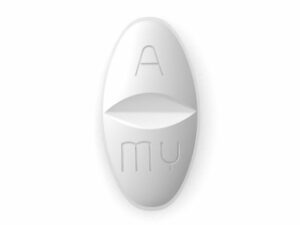


Minipress (Prazosin) – Patient Information
Minipress is a medicine containing prazosin, used to treat certain conditions where relaxing blood vessels or reducing urinary symptoms is needed. This guide explains how Minipress works, how it’s typically taken, important safety information, and what to expect in everyday use in the United Kingdom (UK).
Quick facts
- Active ingredient: Prazosin
- Medicine type: Alpha-1 adrenergic blocker (alpha-1 antagonist)
- Common uses: High blood pressure; urinary symptoms due to prostate enlargement (in some clinical situations)
- Key caution: It can cause first-dose dizziness/low blood pressure
- How to take: Usually starts with a low dose and is increased gradually
Basic product information
| Category | Information |
|---|---|
| Brand name | Minipress |
| Generic name | Prazosin |
| Drug class | Alpha-1 adrenoceptor antagonist (alpha-blocker) |
| Typical form | Tablets (strength varies by product) |
| Main effect | Relaxes smooth muscle in blood vessels and some urinary tract tissues |
How Minipress works (mechanism of action)
Prazosin blocks alpha-1 receptors found in smooth muscle, mainly in:
- Blood vessels → causes relaxation of vessel walls
- Urinary tract (including the prostate/neck of the bladder) → can reduce resistance to urine flow
By reducing resistance in blood vessels, Minipress can help lower blood pressure. In urology-related use, it can improve urine flow and reduce symptoms such as difficulty starting, weak stream, and frequent urination.
Pharmacokinetics (how the body handles it)
“Pharmacokinetics” describes what happens after you take a medicine—absorption, distribution, metabolism, and elimination. While individual experiences vary, the general patterns are:
- Absorption: Prazosin is absorbed from the gastrointestinal tract.
- Onset: Some blood-pressure effects can be noticed within hours, but full effect may develop over days as doses are adjusted.
- Distribution: It distributes into body tissues; it is also considered to have meaningful binding to proteins.
- Metabolism: Primarily metabolised by the liver.
- Elimination: Metabolites are excreted mainly through the kidneys and/or bile pathways.
Because prazosin is cleared through the liver and kidneys, your response and side effects can differ with age and kidney/liver function. If you have kidney impairment or liver disease, your clinician may choose a cautious approach when starting and adjusting doses.
Typical use in the UK
In the UK, Minipress (prazosin) is used mainly for:
- Hypertension (high blood pressure): particularly when alpha-blocking action is considered appropriate.
- Urinary symptoms related to benign prostate enlargement: in some clinical contexts, especially where an alpha-blocker is chosen.
Treatment plans are individual. Your healthcare professional may also consider other medicines for these conditions depending on your overall health, other medicines, and symptom pattern.
When to take it (timing and dosing schedule)
Timing is important with prazosin. A key safety issue is the “first-dose effect”, which can cause a sudden drop in blood pressure—often with dizziness or fainting.
- First dose: Many regimens start with the first dose taken at bedtime to reduce the risk of falls and fainting.
- Subsequent doses: Dosing may be split across the day depending on the prescribed regimen.
- Consistency: Take Minipress at the same times each day to maintain steadier blood levels.
Practical tip: On the day you start (and with any dose increase), be extra cautious when standing up. Take your time and sit on the edge of the bed before standing.
Food interactions
Food can influence blood levels and the way prazosin is experienced. In many medicines of this type, food may delay or reduce peak concentrations, which can affect how quickly you feel effects.
For prazosin, recommendations often focus on consistent dosing and following the clinician’s directions. If your prescriber or pharmacist has advised a particular way to take it with meals, follow that guidance.
- General advice: Take Minipress exactly as directed.
- If you feel unusually dizzy: talk to your healthcare professional—your dosing time or schedule may need adjustment.
- Consistency matters: if you usually take it with food, try not to change suddenly unless advised.
Alcohol interactions
Alcohol can increase the risk of dizziness and low blood pressure when combined with medicines that lower vascular resistance, including prazosin.
- Avoid heavy drinking: especially around the first dose or after dose changes.
- Be cautious driving: if alcohol makes you feel light-headed.
Medicine interactions (important)
Several medicines can increase the risk of low blood pressure, dizziness, or fainting when taken with Minipress. Always check with a pharmacist if you are unsure.
Common interaction concerns
- Other blood pressure medicines: combining multiple treatments can lower blood pressure more than expected.
- Other alpha-blockers: may add to blood pressure effects.
- Nitrates (for angina): can also lower blood pressure and may increase dizziness.
- Medicines for erectile dysfunction: some can significantly affect blood pressure; combination can be risky.
- Medicines that affect liver metabolism: because prazosin is metabolised in the liver, changes in metabolism can alter drug levels.
To help your clinician and pharmacist make safe choices, tell them about:
- All prescription medicines
- Over-the-counter medicines
- Herbal products (e.g., St John’s wort)
- New medicines started recently
Indications (what Minipress is used for)
Indications describe the health conditions a medicine is used to treat. Minipress may be considered for:
- Hypertension: to reduce high blood pressure by relaxing blood vessels.
- Lower urinary tract symptoms due to prostate enlargement: to reduce urinary obstruction symptoms.
In practice, choice of treatment depends on symptoms, age, existing medical conditions, and the expected balance of benefits and side effects.
Dosing guidance (general information)
Dosing is tailored to the individual. Your healthcare professional will set the starting dose and schedule. The main principle with prazosin is starting low and increasing gradually to reduce the risk of severe dizziness or fainting.
General principles (not a substitute for prescribed instructions)
- Start low: to minimise the first-dose effect.
- Bedtime for initial dosing: commonly recommended.
- Slow titration: dose increases may be spaced to allow the body to adjust.
- Monitor symptoms: especially dizziness on standing and light-headedness.
If you miss a dose
If you miss a dose, follow the instructions given by your healthcare professional or pharmacist. If you are close to the next dose, do not double up.
Important: after an interruption, some people may need to restart cautiously to avoid a repeat first-dose-type effect. If you have stopped for a while, contact your pharmacist or prescriber before restarting.
Safety profile (side effects and when to seek help)
Most people tolerate prazosin well, but side effects can occur. Some are more likely at the start or after dose increases. Learn the warning signs so you can act early.
Common or expected side effects
- Dizziness or light-headedness (especially when standing)
- Headache
- Weakness or tiredness
- Low blood pressure (hypotension)
- Palpitations (awareness of heartbeat)
Less common but important effects
- Fainting (syncope), particularly with the first dose
- Swelling of ankles/legs (fluid retention)
- Breathing difficulties (seek urgent advice)
- Allergic reactions such as rash, itching, swelling of the face/lips
Seek urgent medical help if
- You faint or have severe dizziness that does not improve
- You have chest pain, severe shortness of breath, or signs of an allergic reaction
- You experience a sudden marked drop in blood pressure symptoms
Driving and operating machinery
Because prazosin can cause dizziness—particularly at the start—take care with: driving, cycling, machinery, and any activity where a sudden drop in alertness or balance could be dangerous.
Practical use tips (how to take Minipress more safely)
- Stand up slowly: especially in the morning or when getting out of bed.
- Be prepared on start days: the first dose (and each dose increase) may cause more dizziness.
- Stay hydrated: dehydration can worsen low blood pressure symptoms.
- Check your blood pressure if advised: some people benefit from home monitoring.
- Keep an eye on symptoms: if dizziness is persistent, seek advice—your dose may need adjustment.
- Avoid overheating: hot showers or saunas can worsen dizziness in some people.
Alternative options (other medicines you may be offered)
Depending on why Minipress is being used, alternative medicines may include:
For high blood pressure
- ACE inhibitors (e.g., perindopril, lisinopril)
- ARBs (e.g., losartan, candesartan)
- Calcium channel blockers (e.g., amlodipine)
- Thiazide-like diuretics (e.g., indapamide)
For urinary symptoms related to prostate enlargement
- Other alpha-blockers (e.g., tamsulosin, alfuzosin, doxazosin)
- 5-alpha-reductase inhibitors (e.g., finasteride, dutasteride) in selected cases
- Combination therapy may be considered for some people
Your clinician will choose alternatives based on symptom severity, blood pressure readings, side effect tolerance, and current medication list.
Market and legal context in the UK
In the UK, Minipress (prazosin) is a prescription-only medicine (POM). Medicines must be supplied in line with UK regulations through appropriate pharmacy services. UK availability may vary over time and by strength/pack size; some products may have limited stock periods.
Guidance for treating high blood pressure and urinary symptoms is updated through national recommendations and professional bodies. Your healthcare professional’s decisions should reflect the latest advice and your personal clinical situation.
Recent guidance (how clinical practice may have evolved)
Clinical approaches to hypertension and benign prostate enlargement may evolve. In recent years:
- There has been ongoing emphasis on monitoring blood pressure and managing side effects such as dizziness and falls risk.
- For prostate-related symptoms, many clinicians may prefer alpha-blockers with a different side-effect profile and dosing approach (depending on the individual).
- For hypertension, alpha-blockers may be used selectively, while other first-line options (such as ACE inhibitors/ARBs, calcium channel blockers, and diuretics) often form the backbone of treatment for many patients.
Even when a medicine remains valid and effective, the way it’s positioned in treatment pathways can change. Your clinician will select the most suitable option for your needs.
Delivery and availability (UK online pharmacy)
Availability depends on the medicine’s licence status, wholesaler supply, and pharmacy stock control. For UK customers, reputable online pharmacies aim to:
- Confirm availability before dispatch
- Use secure packaging
- Provide tracking or proof of dispatch where available
- Follow UK requirements for cold-chain or storage (if applicable)
If Minipress is temporarily out of stock, your pharmacy may offer:
- Estimated dispatch dates
- Alternative strengths (where clinically appropriate)
- Alternative medicines, subject to clinical suitability and local supply policies
How to store Minipress
- Keep out of the sight and reach of children.
- Store in the original package to protect from light as directed on the label.
- Keep at room temperature unless your label instructs otherwise.
- Do not use after the expiry date printed on the pack.
FAQ
1) What is Minipress used for?
Minipress (prazosin) can be used for high blood pressure and, in some clinical situations, urinary symptoms related to prostate enlargement. Your doctor will decide based on your diagnosis and overall health.
2) Why do people get dizzy when starting prazosin?
Prazosin relaxes blood vessels. The body may take time to adjust, especially after the first dose, which can lead to a sudden drop in blood pressure—often described as the “first-dose effect.”
3) Should I take Minipress at night?
Many regimens start with the first dose taken at bedtime to reduce the risk of dizziness and fainting. Follow the dosing schedule given by your healthcare professional and pharmacist.
4) Can I drink alcohol while taking Minipress?
Alcohol may increase dizziness and low blood pressure effects. It’s best to limit alcohol and avoid heavy drinking, particularly around the time you start or increase the dose.
5) What medicines can interact with prazosin?
Tell your pharmacist about all medicines you take, especially other blood pressure medicines, nitrates, medicines for erectile dysfunction, and any medicines that can affect blood pressure or liver metabolism. This helps avoid unsafe drops in blood pressure.
6) How long does it take to work?
Some effect may be noticed within hours, but the full benefit—especially for blood pressure—may become clearer over days as dosing is adjusted and steady levels are reached. Urinary symptom improvement may also take some time.
7) What should I do if I miss a dose?
Follow the guidance from your pharmacist or healthcare professional. Do not take an extra dose to “catch up.” If you have stopped for a longer period, ask before restarting because a cautious approach may be needed.
8) When should I seek medical help?
Seek urgent advice if you faint, have severe dizziness, signs of an allergic reaction, chest pain, or severe breathing difficulties. For persistent mild dizziness, contact your healthcare professional promptly for dose review.
9) Are there alternatives to Minipress?
Yes. Depending on the condition being treated, clinicians may choose other alpha-blockers or different blood pressure or prostate medicines. Suitability depends on your symptoms, blood pressure, age, and other medicines.
10) Is Minipress available in the UK?
Availability can vary by strength and stock levels at any time. A UK pharmacy can advise on current supply and possible alternatives if a product is temporarily unavailable.
Important note
This page provides general information to help you understand Minipress (prazosin). It does not replace advice from a qualified healthcare professional. If you have questions about side effects, interactions, or suitability for your condition, speak to a pharmacist or clinician.