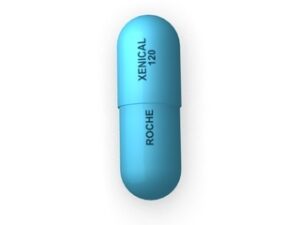
Orlistat (Weight Loss Medicine) — Patient Information (UK)
Orlistat is a weight management medicine designed to help you lose weight by reducing the amount of fat your body absorbs from food. It is commonly used alongside a calorie-controlled diet and regular physical activity. In the UK, orlistat is available in different strengths, depending on the product (some are available over the counter, while stronger options may be provided under clinical supervision).
This guide explains how orlistat works, how to take it, what to expect, and the main safety considerations. It also covers food interactions, alcohol and medicine interactions, practical tips, alternatives, and frequently asked questions.
Basic Product Information
| Topic | Information |
|---|---|
| Active ingredient | Orlistat |
| What it is used for | Weight loss (in adults) as part of a calorie-controlled diet; helps reduce absorption of dietary fat |
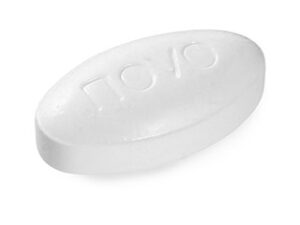
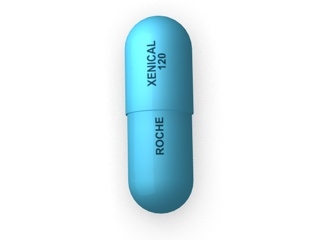
| Available strengths | Commonly 60 mg (OTC in many UK contexts) and 120 mg (often supplied as a prescription-strength medicine) |
| How it works | Blocks pancreatic lipases in the gut, reducing fat absorption |
| When to take it | With meals that contain fat; typically up to three times daily |
| Key side effects | Gastrointestinal effects related to undigested fat (e.g., oily stools, flatulence) |
How Orlistat Works (Mechanism of Action)
Orlistat works in the gastrointestinal tract. Normally, your body digests dietary fat with enzymes called lipases, which are produced by the pancreas. These enzymes break down fat so it can be absorbed into the bloodstream.
Orlistat inhibits these pancreatic lipases in the gut. As a result, a portion of the fat you eat is not broken down and therefore is not absorbed. Instead, it passes through the digestive system and is excreted.
This means orlistat primarily reduces calorie intake from fat rather than changing hunger directly. For best results, you should follow a reduced-calorie diet and keep dietary fat relatively controlled.
What this means in real life
- Undigested fat may cause changes to stool consistency and frequency.
- If you eat higher-fat meals, gastrointestinal side effects are more likely.
- A lower-fat diet often improves comfort and adherence.
Pharmacokinetics (What the Body Does to Orlistat)
Orlistat has mainly local action in the gut and is only minimally absorbed into the bloodstream. Most of the effect occurs within the digestive tract.
- Absorption: Low systemic absorption.
- Distribution: Because absorption is minimal, systemic distribution is limited.
- Metabolism: Primarily occurs within the gastrointestinal tract.
- Elimination: Orlistat and its metabolites are largely eliminated via the faeces.
Practical takeaway: since absorption is limited, orlistat is less likely than some other weight loss medicines to cause widespread whole-body effects. However, nutrient-related issues and interactions still matter, especially with fat-soluble vitamins.
Typical Use in the UK
Orlistat is used to support weight loss for people who are overweight and have decided to reduce calorie intake as part of a structured lifestyle plan. In the UK, orlistat products have specific indications based on strength and licensing details.
Common goals
- Achieve weight loss over several months while improving diet quality.
- Help maintain weight after initial loss (depending on product guidance).
- Support management of weight-related health risks, as advised by healthcare professionals.
When to Take Orlistat (Timing and Dosing Schedule)
Orlistat must be taken with meals. Taking it without food is usually not beneficial because it works by acting on fat present in the gut at the time of digestion.
Typical schedule
- Take a dose with each main meal that contains fat.
- Meals are typically breakfast, lunch, and dinner (up to three times daily).
- If you miss a meal or the meal contains no fat, you should generally skip that dose.
If you are using a product with instructions that differ from the general pattern above, follow the specific label directions for your strength and brand.
Indications (Who It’s For)
Indications depend on the exact orlistat product and strength. In general, orlistat is intended for weight management in adults as part of a calorie-controlled diet. Some products may also include specific guidance around body mass index (BMI) and weight-loss goals.
Before using: Check the product leaflet for licensed indications and contraindications. If you have medical conditions (e.g., malabsorption syndromes) or take regular medicines, seek advice.
Dosing (How Much to Take)
Dosing is determined by the strength of the product you choose. In the UK, common dosing patterns include:
- 60 mg orlistat: Typically taken with meals up to three times daily.
- 120 mg orlistat: Typically taken with meals up to three times daily.
Important: Always follow the dosing instructions printed on your specific product packaging and patient leaflet. The timing relative to meals matters. If you are unsure which strength you have, confirm with the product page or leaflet before use.
What to do if you miss a dose
- If you remember shortly after a meal, follow the product leaflet guidance.
- As a general rule, do not take an extra dose to make up for a missed one.
- Continue with the next meal as scheduled.
Food Interactions (Dietary Advice to Improve Results and Reduce Side Effects)
Orlistat’s effectiveness and tolerability are strongly linked to what you eat, particularly fat content.
How to plan meals
- Choose lower-fat options where possible (e.g., lean proteins, grilled or baked foods).
- Distribute calories across the day rather than relying on large meals.
- Include plenty of fruit, vegetables, and high-fibre foods.
- Stay hydrated.
What to expect if you eat more fat
Because orlistat reduces fat absorption, high-fat meals may increase the likelihood of gastrointestinal symptoms such as:
- Oily or fatty stools
- Increased urgency to go to the toilet
- Flatulence with oily discharge
- Abdominal discomfort
These effects do not mean the medicine is “not working”—they often reflect the intended reduction in fat absorption. However, if symptoms are severe or persistent, review your dietary fat intake and consult healthcare advice.
Fat-soluble vitamins
Dietary fat also carries fat-soluble vitamins (A, D, E, K). Because orlistat reduces fat absorption, it may reduce absorption of these vitamins. Many product leaflets recommend taking a multivitamin supplement to ensure nutritional adequacy.
- Consider a multivitamin supplement that includes vitamins A, D, E and K.
- Timing: Take the vitamin at a different time from your orlistat dose (often at bedtime or at least a few hours after), following the leaflet guidance.
- Do not exceed recommended supplement doses.
Alcohol and Orlistat (Interactions and Practical Guidance)
Orlistat is not well known for a direct “alcohol interaction” like some other medicines, but alcohol can affect weight-loss efforts and overall gut comfort. Some people notice that alcohol makes gastrointestinal symptoms more noticeable, especially if it contributes to higher-fat or calorie-dense food.
Practical tips
- Keep alcohol intake modest, particularly if you are already prone to indigestion or diarrhoea.
- Avoid alcohol with high-fat meals to reduce the chance of oily stools and urgency.
- If you drink regularly or heavily, discuss weight-loss strategies with a healthcare professional.
Seek medical advice urgently if you experience severe abdominal pain, blood in stool, persistent vomiting, or signs of dehydration.
Interactions with Other Medicines (Including Prescription Medicines and Herbal Products)
Orlistat can affect absorption of certain medicines because it changes fat absorption in the gut. The most important interactions are those involving fat-soluble vitamins and some medications that require intestinal absorption.
Medicines that may be affected
- Oral anticoagulants (blood thinners): Some reports suggest changes in clotting control may occur. Monitoring may be needed.
- Cyclosporine: Orlistat may reduce cyclosporine absorption and can be clinically important.
- Medicines for HIV: Reduced absorption may affect levels.
- Some antiepileptics and thyroid medicines: Timing and monitoring may be advised depending on the specific drug.
- Fat-soluble vitamins and supplements: Adjust timing and ensure appropriate supplementation.
This list is not exhaustive. Always check the patient leaflet and speak with a pharmacist if you take regular medicines.
General interaction prevention strategy
- Keep a list of all your medicines (including OTC products and herbal supplements).
- Use a consistent schedule for dosing and supplements.
- Allow enough time between orlistat and other medicines or vitamin products, as recommended by the leaflet.
Safety Profile (Side Effects and When to Seek Help)
Like all medicines, orlistat can cause side effects. Most are related to fat that remains undigested in the gut. Many people find symptoms improve after the first weeks as they adjust their diet.
Common side effects
- Oily or fatty stools
- Increased number of bowel movements
- Urgency to defecate
- Flatulence
- Abdominal pain, bloating, or discomfort
- Nausea
Less common but important considerations
- Potential reduction in fat-soluble vitamin levels over time if supplementation is not adequate
- Rare allergic reactions (e.g., rash, itching, swelling, breathing difficulties)
Seek urgent medical help if
- You develop severe or worsening abdominal pain
- There is rectal bleeding, black/tarry stools, or severe diarrhoea leading to dehydration
- Signs of an allergic reaction occur (swelling of face/lips, wheeze, difficulty breathing)
Who should be cautious or avoid orlistat
Use caution if you have conditions affecting digestion or absorption, or if you are pregnant or breastfeeding. Always check product guidance for contraindications and discuss with a pharmacist or healthcare professional when unsure.
Practical Use Tips (How to Get the Best Results)
Orlistat works best when paired with lifestyle changes. The tips below can improve both results and comfort.
1) Keep fat intake controlled
- Plan lower-fat meals.
- Be careful with foods that are “hidden fat,” such as pizza, creamy sauces, fried foods, and some pastries.
- Read nutrition labels and choose “lower fat” options where suitable.
2) Take it with meals that contain fat
- Take your dose at the start of the meal or shortly before/with the first bite (follow the leaflet).
- If a meal has no fat, skipping the dose may be appropriate—check your product leaflet.
3) Manage expected stool changes
- Consider carrying tissues and staying near bathroom access early on.
- If recommended, use moisturising barrier creams to protect the skin.
- If symptoms are severe, reduce dietary fat and reassess.
4) Consider vitamin supplementation
- Use a multivitamin to help cover potential vitamin reductions.
- Space vitamins away from orlistat dosing as directed.
5) Track progress and adjust
- Weigh yourself weekly and monitor waist measurements.
- Keep a simple food diary (especially for fat intake).
- If weight loss is minimal after an appropriate trial period, review your plan with guidance from a clinician or pharmacist.
Alternative Options for Weight Management
Orlistat is one approach to weight management. Depending on your situation, alternatives may include dietary programmes, physical activity plans, behavioural support, or other weight-loss medicines. Your best option depends on your health conditions, previous attempts, and preferences.
Non-medicine alternatives
- Calorie-controlled diet with balanced nutrition
- Structured physical activity (walking, resistance training, or sports)
- Behaviour change and coaching (habit building, goal setting, sleep optimisation)
- Digital weight management programmes
Other medicine options (examples)
Other medicines may work differently from orlistat (for example, by reducing appetite or affecting gut hormones). Availability and suitability vary in the UK. A pharmacist can help you understand what’s appropriate based on your health history and current medicines.
Market, Licensing and Legal Context (UK)
In the United Kingdom, weight-loss medicines must follow UK regulatory requirements. Orlistat products are licensed and supplied according to their strength and marketing authorisation. Some forms may be available without prescription while others are supplied through healthcare services depending on the specific product and dosing.
Pharmaceutical availability, branding, and packaging may change over time. Always use the product currently listed and follow the instructions from the patient leaflet.
Recent Guidance and Considerations
UK weight management guidance generally emphasises:
- Long-term lifestyle change (diet, physical activity, behaviour)
- Realistic targets and monitoring progress
- Safety checks, especially for people with additional health conditions or who take regular medicines
- Ensuring adequate nutrition, including vitamins where relevant
For orlistat specifically, emphasis is placed on taking the medicine with meals and maintaining controlled dietary fat intake to improve tolerability. If you do not see progress over a defined period, speak with a pharmacist or healthcare professional to review next steps.
Delivery and Availability from an Online Pharmacy (UK)
Orlistat is widely available from UK pharmacies and online medicine suppliers, subject to product-specific availability and regulations. Typical services may include:
- Home delivery within the UK
- Tracking options for shipped orders
- Clear product information and patient leaflet access
Availability can vary by strength and brand. If you have a preference for a particular dose, check the product page for current stock status and estimated delivery times.
Storage: Store tablets/capsules as directed on the packaging (typically at room temperature, away from moisture and direct sunlight).
FAQ — Orlistat
1) How quickly does orlistat work?
Orlistat works locally in the gut during digestion. That means its effect begins with meals soon after you take it, especially from the first dose onward. Weight changes typically take longer and depend on diet, activity, and adherence.
2) Will orlistat work if I don’t change my diet?
Orlistat helps reduce fat absorption, but best results generally require a calorie-controlled diet and sensible food choices. If you continue eating a high-fat diet, side effects are more likely and your overall calorie intake may remain high.
3) Can I take orlistat with every meal?
Take it with main meals that contain fat (up to three times daily, depending on your product strength). If a meal contains no fat or you skip the meal, follow the product leaflet regarding whether to take a dose.
4) Are the oily stools normal?
Oily or fatty stools can occur because orlistat reduces the absorption of dietary fat. They are a known effect, particularly when dietary fat intake is higher. If symptoms become severe, persistent, or uncomfortable, consider reducing dietary fat and consult healthcare advice.
5) Do I need vitamins while using orlistat?
Many patients are advised to take a multivitamin supplement, particularly to help maintain levels of fat-soluble vitamins (A, D, E, K). Take supplements at a different time from orlistat as directed in the leaflet.
6) Can I drink alcohol while taking orlistat?
There is no universally known “dangerous” interaction with alcohol, but alcohol may worsen digestive symptoms and can undermine weight-loss efforts. Keep alcohol moderate and avoid high-fat foods alongside it.
7) What if I take other medicines?
Orlistat may affect the absorption of some medicines. This is why it’s important to check interactions in the patient leaflet and speak to a pharmacist if you take regular medications, especially anticoagulants, cyclosporine, HIV medicines, thyroid medicines, or other drugs requiring careful absorption.
8) How long should I use orlistat?
The duration depends on your weight-loss plan and how you respond. Guidance commonly includes reviewing progress after a set period. If you have not achieved meaningful weight loss, speak with a pharmacist or healthcare professional to reassess your plan.
9) Who should not use orlistat?
Some people should avoid it or use it only with careful advice, such as those with certain digestive conditions, malabsorption disorders, or if the product leaflet lists contraindications for your situation. Check the leaflet and seek advice if unsure.
10) Is orlistat suitable for children?
Orlistat products are generally intended for adults unless the product leaflet specifically states paediatric use for a given strength. Always check the licence information for age suitability.
Summary
Orlistat is a weight management medicine that works by blocking intestinal fat digestion, reducing the amount of fat absorbed from food. It’s most effective when taken with meals and used alongside a calorie-controlled, lower-fat diet and regular activity. Common side effects are gastrointestinal and often relate to meal fat content. Because orlistat may reduce absorption of fat-soluble vitamins, supplementation (timed correctly) may be recommended.
If you have questions about suitability, dosing for your product strength, or interactions with your medicines, contact a pharmacist for tailored advice.