
Xenical (Orlistat) – Patient Information (UK)
Xenical contains the active ingredient orlistat. It is a weight-management medicine used alongside a reduced-calorie diet and exercise. This page explains how it works, how to take it, important food and medicine interactions, and practical tips to help you get the best results.
Important: This information is for general guidance. Always follow the instructions provided with your product and consult a healthcare professional if you are unsure whether Xenical is suitable for you.
1. Basic product information
- Medicine name: Xenical
- Active ingredient: Orlistat
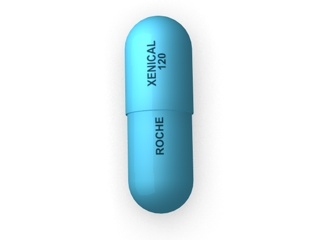
- Strength: Commonly supplied as 120 mg capsules (as per UK product packaging)
- Therapeutic use: Weight management (including weight loss and helping maintain weight loss)
- How it works: Reduces absorption of dietary fat from the gut
Xenical is a long-established option for weight management in the UK. It is used as part of a programme that includes diet and lifestyle changes.
2. How Xenical works (mechanism of action)
Orlistat works locally in the gastrointestinal tract. It blocks the action of enzymes called lipases (primarily gastric and pancreatic lipase). These enzymes are needed to break down dietary fats so they can be absorbed.
By inhibiting these enzymes, Xenical helps prevent a significant proportion of fat from being absorbed. The undigested fat is then excreted in the stools.
- Key effect: Reduced absorption of dietary triglycerides (fat)
- Result: Calorie reduction from fat-containing foods
- Where it acts: Mainly in the intestine, not throughout the body
What to expect: Xenical is most effective when meals contain controlled amounts of fat. If you eat a high-fat diet, more fat will reach the intestine, which can increase side effects.
3. Pharmacokinetics (what happens in the body)
Orlistat is designed to act in the gut. As a result, only small amounts are absorbed into the bloodstream.
- Absorption: Minimal systemic absorption
- Distribution: Because absorption is low, systemic distribution is limited
- Metabolism: Orlistat is largely not extensively metabolised systemically
- Excretion: The majority is eliminated via the gastrointestinal tract, mainly in the faeces
Because systemic exposure is low, orlistat generally has fewer “whole-body” interactions than medicines that work directly on appetite or metabolism. However, food-related and nutrient/vitamin interactions are still important.
4. Typical use in the UK
Xenical may be used to support weight loss in adults and, in some cases, adolescents/children under specific criteria depending on local product information and clinical guidance. The exact eligibility and length of treatment should be discussed with a healthcare professional.
Common goals:
- To support weight loss when used with diet and exercise
- To help maintain weight loss after an initial period of weight reduction (depending on clinical approach)
Diet and lifestyle remain essential: Xenical can reduce the absorption of some dietary fat, but it cannot “cancel out” overeating or unhealthy eating patterns.
5. Indications (what Xenical is for)
In the UK, orlistat (Xenical) is indicated for weight management. This typically includes:
- Obesity or overweight with weight-related conditions, as determined by clinical assessment
- Use as part of a comprehensive weight-control programme including dietary changes and physical activity
Eligibility often depends on body weight and related health factors. If you’re unsure whether Xenical is appropriate for you, speak to a qualified healthcare professional.
6. Dosage and timing (how to take Xenical)
General adult dosing:
- 120 mg (one capsule)
- Take each capsule
or
If a meal is missed or contains no fat:
- You may skip the dose for that meal.
Practical timing tips:
- Try to take Xenical during or immediately before eating to match the presence of dietary fat.
- Keep a routine with breakfast, lunch, and dinner for easier adherence.
- If your meals are irregular, consider how the timing will affect dosing.
How long to use it: Treatment duration varies. If you do not lose weight after a reasonable period, clinicians may review whether continuing is beneficial.
7. Food interactions and dietary advice
The biggest interaction with Xenical is your dietary fat intake. Because the medicine reduces fat absorption, a higher-fat diet may increase gastrointestinal side effects and can reduce comfort.
7.1 What to eat
- Choose a reduced-calorie diet.
- Keep overall fat intake moderate and spread evenly across meals.
- Increase fibre with fruit, vegetables, and whole grains to support digestive health.
7.2 Common effects related to fat
As fat passes through the digestive system, you may notice:
- Oily spotting or increased greasiness of stools
- Flatulence with possible discharge
- Urgency to have a bowel movement
- Changes in stool frequency and consistency
These effects are more likely if:
- Meals are high in fat
- You take Xenical inconsistently (e.g., missing doses or taking them outside meal timing)
- Your diet is very high-calorie overall
7.3 Tips to reduce side effects
- Limit high-fat meals (e.g., fried foods, creamy sauces, fast food).
- Prefer cooking methods like grilling, baking, steaming, or boiling.
- Read labels: aim for a balanced fat content per meal.
- Consider reducing portion sizes and choosing lean proteins.
8. Alcohol and medicine interactions
8.1 Alcohol
There are no universally expected “direct” interactions between Xenical and alcohol. However, alcohol can affect weight management because it adds calories and may increase appetite.
- If you drink alcohol, keep it moderate.
- Be aware that alcohol may worsen stomach discomfort in some people.
- Try to avoid alcohol with high-fat meals, which can increase gastrointestinal side effects.
Seek advice if you have liver disease or other medical conditions, or if alcohol is part of your regular routine.
8.2 Interactions with other medicines
Because orlistat reduces absorption of some fats and may affect absorption of certain nutrients, some medicines and supplements may be impacted indirectly. The most important issue is often with fat-soluble vitamins.
Fat-soluble vitamins: Xenical can reduce absorption of vitamins A, D, E, and K. Many UK patients are advised to take a multivitamin supplement.
How to take supplements:
- Take multivitamins at a different time than Xenical (often at least 2 hours before or after, depending on the product instructions).
- Use a supplement that provides fat-soluble vitamins (A, D, E, K) and consider additional nutrients if advised.
Other medicines:
- If you take medicines for chronic conditions (e.g., thyroid hormones, immunosuppressants, anticoagulants, epilepsy medicines), check with a healthcare professional or pharmacist for timing advice.
- If you miss a dose, do not double up on Xenical; speak to a clinician if this occurs frequently.
Always tell your healthcare professional about all medicines, including over-the-counter products and herbal supplements.
9. Safety profile and side effects
Xenical’s side effects are usually related to its action in the gut. Many are mild to moderate and often improve after the first few weeks as your eating pattern becomes more compatible with treatment.
9.1 Common side effects
- Gastrointestinal symptoms such as oily spotting, gas, and changes in bowel habits
- Urgency to pass stools
- Frequent bowel movements
- Fatty/oily stools (steatorrhoea)
9.2 Less common but important effects
Seek medical advice if you experience:
- Severe or persistent diarrhoea
- Rectal pain or significant bleeding
- Severe abdominal pain or persistent vomiting
- Signs of vitamin deficiency (for example, unusual fatigue, easy bruising, bone pain—especially if you do not take supplements)
9.3 Who should use caution
Extra caution may be needed if you have:
- Cholestasis or problems with bile flow (due to the effect on fat absorption and vitamins)
- Chronic malabsorption conditions
- Pregnancy or breastfeeding (discuss suitability with a healthcare professional)
- Eating disorders or a history of poor nutrition
This list is not exhaustive. If you have any medical conditions or take regular medicines, check compatibility with a healthcare professional or pharmacist.
10. Practical use tips (to improve results and comfort)
10.1 Be consistent with meal timing
- Take Xenical with main meals only.
- If you skip a meal or it contains no dietary fat, you can skip that dose.
10.2 Aim for a fat-aware plate
- Choose lean options and limit fried/creamy/high-fat foods.
- Spread dietary fat through meals rather than having very high-fat meals occasionally.
10.3 Consider vitamin supplementation
- Ask your pharmacist which multivitamin is suitable for you.
- Separate vitamins from Xenical dosing where recommended.
10.4 Prepare for the first weeks
Many people notice side effects early on. Comfort often improves when meal composition changes. If side effects are troublesome, review your meal fat content and ensure dosing timing is correct.
10.5 Monitor weight and adherence
- Keep track of body weight weekly (same day and time if possible).
- Assess diet and activity, not just capsule use.
11. Alternative options for weight management
Depending on your individual health profile, there are other ways to manage weight. Alternatives include:
11.1 Dietary and lifestyle changes
- Calorie-controlled eating and portion management
- Increased physical activity (including strength training)
- Behavioural support such as structured weight-loss programmes
11.2 Other anti-obesity medicines
In the UK, various medicines may be considered for some patients as part of structured care. Options may differ by age group, BMI criteria, comorbidities, and availability. Availability and suitability can change over time.
11.3 Other fat-absorption approaches
- Other orlistat formulations may be available in different strengths/brands.
- Orlistat (including similar ingredients) remains a category option for those who prefer a mechanism that targets dietary fat absorption.
Your pharmacist or clinician can help compare options based on your preferences, side-effect tolerance, medical history, and treatment goals.
12. UK market and legal context (overview)
In the United Kingdom, medicines are regulated by MHRA (Medicines and Healthcare products Regulatory Agency). Product availability, pharmacy supply options, and licensing details depend on the specific product and its regulatory status.
Weight-management medicines like Xenical are used within broader UK approaches to managing obesity and overweight, often alongside lifestyle support and monitoring. Guidance and prescribing pathways can vary by clinical setting.
Recent guidance considerations: UK clinical practice typically emphasises:
- Assessment of BMI and weight-related health risks
- Structured lifestyle interventions
- Careful review of benefit versus risk over time
- Monitoring of nutritional status when fat-absorption medicines are used
Policies and availability may change, so it’s always helpful to check the current information on the product packaging and via a healthcare professional.
13. Delivery and availability (UK)
Xenical (orlistat) availability can vary by pharmacy stock and supply chain. Many online pharmacies can offer delivery within the UK subject to stock status and eligibility checks required by regulation.
- Availability: Check live stock status before purchase.
- Delivery times: Dependent on courier service and local area.
- Packaging: Pharmaceuticals are typically dispatched in secure packaging suitable for transport.
- Cold chain: Xenical is generally not temperature-sensitive in the way vaccines may be.
If you have special delivery needs (e.g., safe place, signature), contact the pharmacy customer service.
14. FAQs
What should I do if I miss a dose?
If you miss a dose, take it only if you are still within the meal timing window. Otherwise, skip that dose. Do not take an extra capsule to make up for a missed dose.
Can I take Xenical with meals that are low in fat?
Yes. If a meal contains little or no dietary fat, Xenical may be less likely to cause fatty stool symptoms. However, you should still follow the dosing schedule described for your meals and your product instructions.
Will Xenical work if I don’t change my diet?
Xenical can reduce fat absorption, but it cannot compensate for consistently high-calorie intake. For meaningful weight loss, it should be used with a reduced-calorie diet and activity.
Do I need to take a vitamin supplement?
Many patients are advised to take a multivitamin providing fat-soluble vitamins (A, D, E, K). Because absorption can be reduced, it’s important to choose a suitable supplement and separate it in timing from Xenical as recommended.
How soon will I see results?
Some people notice changes in weight within weeks, especially when diet and activity improve. Weight loss varies between individuals.
Are the side effects dangerous?
Most side effects are related to the digestive tract and are not dangerous when mild. However, severe or persistent symptoms should be assessed by a healthcare professional.
Can I drive or operate machinery?
Xenical is not generally known to impair driving ability. If you feel unwell (e.g., due to diarrhoea or severe discomfort), avoid driving and seek advice.
What if I get diarrhoea?
Mild changes in bowel habits can occur. If diarrhoea is severe, persistent, or accompanied by significant pain, dehydration, or blood in stool, stop and seek medical advice promptly.
Is Xenical suitable for everyone with weight problems?
No. Suitability depends on your health status, BMI, medical history, and other medicines. People with certain conditions (and those who may be pregnant or breastfeeding) should seek advice before using Xenical.
Can I take Xenical with other medicines?
Some medicines and supplements may require timing adjustments. Always check with your pharmacist, especially if you take long-term medications or fat-soluble vitamin supplements.
Summary
Xenical (orlistat) supports weight management by reducing absorption of dietary fat in the gut. It is taken with main meals, typically three times daily, and may help reduce weight when combined with calorie control and exercise. The most common side effects relate to digestion and are strongly influenced by the fat content of your meals. Taking appropriate vitamin supplements and separating them from Xenical dosing can help reduce the risk of nutrient deficiency.
If you have questions about dosing, interactions, or suitability, speak with a healthcare professional or pharmacist.